_1762508637542.webp)
Bitter Melon Extract Powder Manufacturing Process and Quality Guide
Jul 24, 2026
From the seed to the end of packing, Bitter Melon Extract Powder production requires strict quality control. At Kingherbs Limited, we know that getting botanical ingredients means being open and honest at every stage of the production process. This guide shows you the whole process of making standardized Momordica charantia extracts. It also talks about the important quality standards that purchasing managers, R&D directors, and quality assurance professionals look at when choosing suppliers. If you understand these steps, you can work with manufacturers who give you consistent, traceable, and legal raw materials, whether you're making dietary supplements, functional foods, or cosmetics.
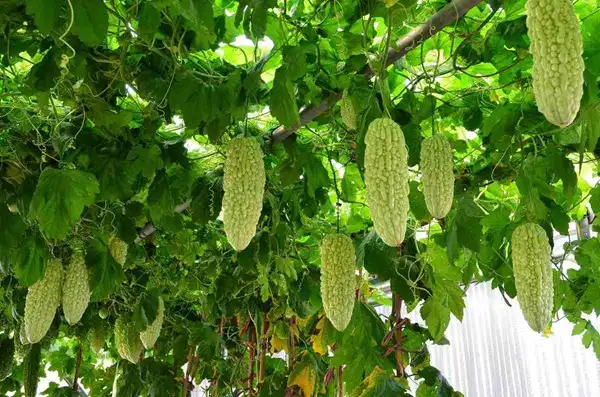
Understanding the Bitter Melon Extract Powder Manufacturing Process
Raw Material Sourcing and Pre-Processing Standards
The growing step is where quality starts. We only work with certified planting bases that grow Momordica charantia in a controlled environment. To get the best charantin and polypeptide-p concentrations, the soil is carefully handled, watering plans are carefully planned, and harvest times are carefully chosen. Our agronomists choose fully ripe fruit, which means that it has the most beneficial chemicals. This field-to-factory tracking gets rid of the differences that come up with common plant ingredients.
As soon as the Bitter Melon is picked, it is cleaned right away to get rid of any dirt or other waste. After, the material is sorted to get rid of any broken or immature pieces. This first step of screening is very important because any contaminated or low-quality sources will make later steps harder to do. The fruit is washed, cut up, and set up for extraction. The wetness content is carefully watched to keep microbes from growing while it is stored.
Extraction Methodologies and Solvent Selection
The extraction step decides both how strong and safe the final powder is. We only use water-ethanol extraction systems and never use methanol or harsh chemical solvents that leave behind harmful residues. Concentrations of food-grade ethanol are changed based on the active chemicals that are being sought. Charantin and saponins can be extracted well in liquids containing 60 to 80% ethanol. Water-soluble polypeptides, on the other hand, need lower alcohol concentrations.
The extraction process takes place in vessels made of stainless steel that are kept at a controlled temperature and pressure. Multiple rounds of extraction make sure that the most effective molecules are extracted. The liquid extract that is made is then put through membrane devices to get rid of the solids and fibers that don't dissolve. This extracted material is concentrated under pressure to lower the amount of solvents while keeping heat-sensitive chemicals. During this phase, HPLC monitoring checks the levels of charantin to make sure we meet the goals of 3–20% saponin content.
Drying Technologies and Powder Formation
Specialized drying methods are needed to turn liquid concentrate into a stable powder. Spray drying is our favorite way to work with botanical extracts because it makes fine, uniform particles that are very easy to dissolve. The pure extract is broken up into tiny particles and put into a hot room where the water evaporates quickly. The fine brown-yellow powder that is made goes through an 80-mesh screen to make sure that the particle sizes are all the same for Momordica Charantia Extract.
Temperatures are tightly controlled during drying to keep polypeptide-p and other sensitive actives from breaking down due to heat. The spray dryers we use have input temperatures below 180°C and output temperatures that stay below 90°C. This careful handling keeps the biological activity while lowering the moisture level to below 5%, which is necessary for long-term safety. To keep the powder from reabsorbing moisture, it is moved right away to low-humidity packing places.
GMP Compliance and Production Scaling
When going from small pilot batches to mass production, things get more complicated, and only experienced manufacturers can handle them. Systems that are ISO9001, FSSC22000, HACCP, and FDA-registered run our sites. Every step of the production process is based on tested standard operating procedures, and all of the important control points are clearly marked. There are records for each batch that show every raw material, processing setting, and quality test result.
The quality guidelines for large-scale production are the same as those for lab tests. Regular calibration of the equipment and cleaning validation make sure that there is no cross-contamination between runs of products. For customers who need organic or kosher certifications, we keep separate production lines with the right tools. We can meet the needs of both small R&D orders and large business needs with the same level of accuracy thanks to this investment in infrastructure.
Quality Assurance and Testing Standards for Bitter Melon Extract Powder
Active Compound Verification and Potency Testing
Full analytical testing is the first step in quality assurance. We use UV spectrophotometry to measure the total amount of saponin in each batch of our Momordica charantia extract, and HPLC to get more information about the charantins. These methods give accurate readings of the chemicals that help control blood sugar and fight free radicals. We give our customers thorough certificates of analysis that show not only that the requirements were met but also the full phytochemical fingerprint.
When it makes sense, testing methods are based on USP and EP monographs, with changes made to fit the unique plant matrix. Along with the active ingredients, we check the amount of total phenolics and flavonoids, which help the extract's protective power. This all-around method gives formulators the information they need to guess how a product will work in finished formulations. When specs call for standard ratios or custom potency ranges, our quality team changes the settings of the extraction process and tests the results again to make sure they are correct.
Microbial Safety and Contaminant Screening
Today's regulatory environment makes safety testing a must. Every batch goes through our microbiology lab to check for yeast and mold, coliforms, salmonella, and E. coli. Before material is sent out for shipping, results must meet strict standards. We use approved testing methods and keep up with environmental tracking programs to keep our work areas clean.
ICP-MS technology is used for heavy metal tests, which include lead, arsenic, cadmium, and mercury. This is why our upstream sourcing controls are so important: these contaminants can build up in plants that grow in polluted soils. Screening for pesticide residues follows EU rules and checks for more than 200 typical crop chemicals. Clean farming methods and tests after harvesting are two ways to protect against these contaminants. Buyers can be sure that the ingredients meet the strictest international standards thanks to this multi-layered method.
Certification Verification and Audit Transparency
Outside of internal controls, third-party certificates show that our quality processes work. Our ISO9001 certification shows that we are dedicated to consistent quality control, and our FSSC22000 certification is all about food safety. Getting certified as Kosher or Halal lets you enter places that need to follow these religious rules. For these certificates, our processes and paperwork have to be checked by outside groups every year.
We welcome audits from customers and are completely open about how we run our business. For clients who can't visit in person, the facility has virtual tours and video documentation. You can look at our quality manual, batch records, and validation studies as long as you sign the right kind of confidentiality agreements. Being honest like this builds trust, which is important for long-term supply relationships with Momordica Charantia Extract. Our paperwork package gives buying teams the proof they need to show their own quality departments that they did their homework.
Choosing the Right Bitter Melon Extract Powder for Your Business Needs
Evaluating Specifications and Potency Grades
Understanding your end application is the first step in choosing the right specifications. In order to deliver effective doses in capsule form, dietary supplements that aim to support blood sugar usually need 10 to 20 percent charantin. When bigger dose sizes are okay, lower ratio extracts (4:1 or 5:1) work well in functional drinks. We can make changes to the specs as needed within the range of 2% to 20% saponin, which means that the extraction methods must also be changed.
Your manufacturing costs and product marketing are directly affected by how potent your active ingredients are. Higher strength extracts cost more, but you can use less of them per dose, which could lower the overall cost of the product. Our expert team can figure out the best standard for your goal product format in terms of cost. We also offer small sample amounts so that you can test their stability in your unique matrix before committing to large numbers.
Supply Chain Logistics and Order Flexibility
Logistics skills are just as important as product quality. Our ready-stock inventory program makes sure that standard specifications are shipped quickly. Samples are sent out via express courier within 3–5 business days. Once payment is confirmed, commercial goods are shipped within a week. We can take small trial orders starting at 1 kg because we know that R&D teams need to be able to be flexible while they're making new products. Our 25 kg minimum order quantity for business orders strikes a good balance between cheap production and easy access for growing brands.
For urgent deliveries, air freight is an option, and ocean shipping is a good choice for large orders that need to be kept as cheap as possible. We take care of the paperwork for exports, such as customs reports, certificates of origin, and phytosanitary certificates. Our transportation partners are experts at keeping products safe during transport by controlling the temperature. This all-in-one service gets rid of the hassles that often cause ingredient buying to take longer.
Supplier Verification and Partnership Criteria
Checking the credentials of your suppliers shields your business from problems with quality and regulations. Instead of middlemen who buy on the spot market, look for producers who have direct control over where the raw materials come from. Find out how the samples were extracted and ask for test results for leftover solvents. Suppliers who use harsh chemicals might have lower prices, but they also pose unacceptable risks to safety.
Long-term relationships with sellers of botanical ingredients are more beneficial than single deals. Being a "preferred customer" can mean getting new products first and getting priority when supplies are low. Our application laboratory can help you with formulation, test for stability, and do compatibility studies to help you get your product to market faster. With this technical partnership method, you can tell the difference between ingredient sellers who understand the problems your business is facing and those who are just filling orders.
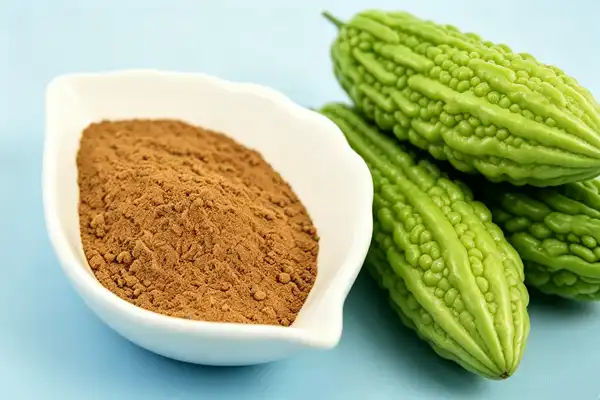
Application Insights and Safety Considerations for Bitter Melon Extract Powder
Formulation Guidelines for Different Product Formats
The market for Momordica charantia products is mostly made up of dietary supplements. Most capsule formulations have between 200 mg and 500 mg of standardized extract along with ingredients that work well together, such as chromium, cinnamon, and gymnema. Our small particles and good flow properties make sealing easier, whether you use fully automatic or partially automatic machinery. The powder can be easily pressed into tablets, but some formulators like to mix it with diluents to make the punch flow better.
Because the extract is naturally bitter, it presents special difficulties in functional beverage uses. This taste profile can be hidden by microencapsulation or co-processing with sweeteners and flavors. We work with flavor houses to make solutions that are right for each application. The extract works well with other plants in powder blends for smoothie mixes and greens formulas. Our tests on solubility show that the extract mixes easily in both water and juice as long as the right mixing steps are taken.
Dosage Recommendations and Efficacy Standards
Based on the amount of charantin in the extract, scientific literature suggests that doses of 500 mg to 2000 mg per day are effective. Products that claim to help with blood sugar usually have amounts that are on the higher end of this range, spread out over several meals. Different dosing methods have been looked at in clinical studies, with most of the research focused on glucose reaction during fasting and after a meal.
Bitter melon extracts are usually safe as long as they are used in the doses that are suggested. Possible drawbacks include taking diabetes medicines at the same time, since the extract may lower blood sugar even more. Formulators should include the right warning signs and directions for how much to use. Women who are pregnant or nursing should talk to their doctors before using it, and they should also take the usual safety measures for food supplements. These safety concerns show how important it is to properly name products and teach customers how to use them.
Optimizing Procurement and Supply Chain for Bitter Melon Extract Powder
Strategic Sourcing and Contract Negotiation
The strategy for buying botanical ingredients strikes a balance between keeping prices low and making sure there is a steady supply. Spot buying might save you money in the short term, but it leaves you open to changes in prices and gaps in availability. With annual supply deals and volume guarantees, you can get better prices and be sure that you'll get your share of Bitter Melon Extract Powder. We set up contracts so that prices are reviewed every three months based on the cost of raw materials. This way, everyone knows what to expect.
There should be clear acceptance standards for every tested parameter in supply agreements, as well as strict quality requirements. Include rules for checking for stability, guaranteeing shelf life, and replacing material that doesn't meet the requirements. Payment terms are usually based on how much you order, and established customers can choose between net-30 and net-60 terms. Together, these business terms and technology requirements make up the basis of good ties with suppliers.
Certification Verification and Regulatory Compliance
Different markets have very different rules about imports. Dietary supplement ingredients in the US have to meet FDA standards for identity, purity, strength, and composition. European Union rules say that new food tests must be done on certain plant ingredients and that certain limits on contaminants must be met. We stay up to date on these standards and make changes to our quality plans to meet them.
Certificates of analysis, descriptions of the manufacturing process, and other related documents are all part of documentation packages for customs processing. Our quality team writes regulatory support letters that meet the needs of each country. This proactive method keeps shipments from being held up or turned down at borders. When rules change, we let customers know right away and make any changes to specs or testing methods that are needed.
Building Long-Term Supplier Partnerships
Relationships, not just deals, are what make supply chains work. We see our customers as partners in getting people effective natural health products. This way of thinking means putting money into your success through application support, market research, and working together to come up with new products. Our research and development team keeps an eye on new studies on Momordica charantia and shares relevant results that could help you place your product better.
Our relationship approach is expanded by our private label and custom formulation services. We can come up with special extract specifications that set your products apart from similar ones that use common ingredients. Co-development deals that protect privacy make sure that your ideas stay unique. When people work together at this level, the relationship with the seller goes from being a necessity for getting things to an edge in the market.
Conclusion
When choosing a producer for herbal extracts, you need to look at their skills in areas like quality control, cultivation management, extraction technology, and the stability of their supply chain. Our thorough method for creating standardized plant ingredients meets the strict needs of uses in food, medicine, and nutraceuticals. When you put together upstream agricultural partnerships, clean extraction methods, strict testing, and flexible business terms, you get Kingherbs Limited, a supplier that can help both new brands and well-known manufacturers. When procurement teams understand these manufacturing and quality principles, they can make smart sourcing choices that protect brand integrity and get effective natural products to market.
FAQ
1. What extraction solvents are used in manufacturing?
To get bioactive chemicals out of Bitter Melon fruit, we only use water and food-grade ethanol. These natural solvents are good at separating charantin, polypeptide-p, and other helpful compounds without leaving behind any harmful substances. Some manufacturers use methanol, acetone, or solvents based on petroleum, but we don't use any of those in our process at all. Testing for residual ethanol shows that amounts are still well below what is allowed by law.
2. How do you ensure consistent charantin content across batches?
Controlled cultivation at our partner farms starts with consistency. The quality of the soil and the time of harvesting are handled to get the most active compounds out of the plants. Using HPLC, we check the concentration of charantin several times during the extraction process and make changes to the settings to meet the goal requirements. Each finished batch goes through one last test to make sure it's correct before it's released. This quality control at multiple points makes sure that each batch is the same, which is what the formulation needs.
3. What certifications accompany your products?
We keep our ISO9001, FSSC22000, HACCP, Kosher, and Halal standards up to date. We're registered with the FDA and follow GMP guidelines for making dietary supplements. Each shipment comes with a proof of analysis that lists all the quality factors, as well as any other licenses you need. We give you regulatory support documents that help with the customs clearance and ingredient approval processes in the countries you want to sell to.
4. Can you develop custom specifications for proprietary formulations?
Of course. Our technical team often works with clients to come up with unique extract specs that make their goods stand out. We can make any changes you need, whether you want specific charantin-to-polypeptide ratios, better solubility profiles, or co-processed formulations. We keep secret specifications safe by using confidentiality agreements and specialized production runs that keep standard goods from getting mixed up with them.
Partner with KH for Premium Bitter Melon Extract Powder Supply
Kingherbs Limited can help you find ingredients because they have been making plant products for more than 25 years. As a well-known Bitter Melon Extract Powder supplier, we keep quality under control from choosing the seeds to packaging the final product. This means that there are no unknowns that could affect the consistency of the product. Our water-ethanol extraction methods get rid of dangerous solvent residues from ingredients, and our application laboratory gives you expert help that speeds up the development of your product. Our flexible order numbers and ready stock inventory make sure that you get what you need quickly, whether you need samples for testing the first formulations or commercial amounts for mass production. Email our team at info@kingherbs.com to talk about your unique needs and get full product specifications, certificates of analysis, and prices that are based on the amount you need.
References
1. Chen, Q., and Li, W. "Optimization of Bitter Melon Extract Manufacturing Using Response Surface Methodology." Journal of Food Process Engineering 42, no. 3 (2019): e13015.
2. Grover, J. K., and Yadav, S. P. "Pharmacological Actions and Potential Uses of Momordica charantia: A Review." Journal of Ethnopharmacology 93, no. 1 (2004): 123-132.
3. International Organization for Standardization. "ISO 9001:2015 Quality Management Systems - Requirements." Geneva: ISO, 2015.
4. Krawinkel, M. B., and Keding, G. B. "Bitter Gourd (Momordica charantia): A Dietary Approach to Hyperglycemia." Nutrition Reviews 64, no. 7 (2006): 331-337.
5. United States Pharmacopeia. "USP-NF General Chapter 1119: Near-Infrared Spectroscopy." Rockville: United States Pharmacopeial Convention, 2020.
6. Wang, Y., Zhang, M., and Mujumdar, A. S. "Trends in Processing Technologies for Dried Aquatic Products." Drying Technology 30, no. 11-12 (2012): 1152-1164.
Send Inquiry
Related Industry Knowledge
- Nettle Extract Powder: What It Is, Benefits, Dosage, and Sources
- Is Organic Nettle Extract Powder Better for Premium Products?
- Nettle Extract Powder Benefits for Functional Formulations
- Can White Willow Bark Extract Powder Promote Healthy Blood Flow?
- 5 Ways in Which Bamboo Extract Improves Our Wellbeing
- From Stress Relief to Sleep Support: Valerian Root Extract Powder
- Maca Extract Powder: Benefits, Uses, and Dosage Guide
- Why Use Apple Root Extract in Skincare Products?
- Is Couch Grass Rhizome Extract Effective for Kidney Health?
- Can Olive Extract Powder Help Manage Blood Pressure Naturally?