_1762508637542.webp)
Can White Willow Bark Extract Powder Promote Healthy Blood Flow?
Jun 4, 2026
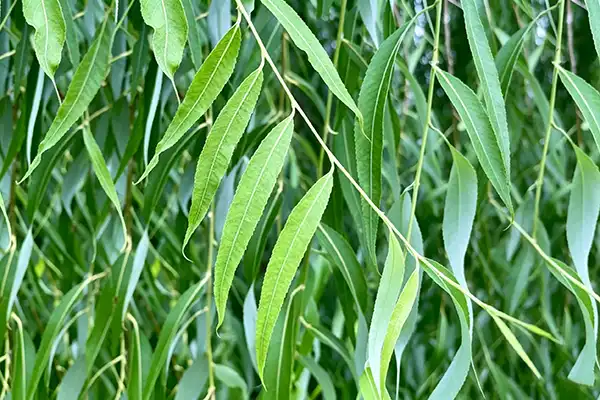
The inner bark of Salix alba trees is used to make white willow bark extract powder. This natural ingredient has become well-known for helping blood flow because of its unique chemical profile. According to research, the liver changes the main active substance, salicin, into salicylic acid. This acid affects the function of blood vessels and the processes that control inflammation that are important for heart health. For procurement workers looking for plant-based options to manmade circulatory drugs, knowing how this herbal product works mechanistically is very important for formulating new medicines. White willow bark is a strategically important raw material because the nutrition and pharmaceutical industries are putting more and more focus on heart health. The need for clean-label, tracked plant ingredients is growing around the world. To make your products stand out from the competition, you need to choose sources that provide uniform quality and follow all regulations.
Understanding White Willow Bark Extract Powder and Its Role in Blood Flow
Botanical Origin and Key Bioactive Compounds
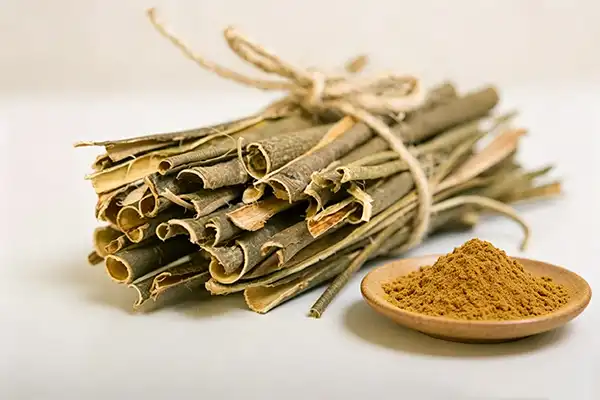
The extract comes from the bark of the Salix alba tree, which naturally contains salicin along with other phytochemicals like flavonoids, tannins, and polyphenolic compounds. Instead of manufactured salicylates, the whole-plant extract matrix protects products with antioxidants that work together to keep them stable while still providing healing benefits. Kingherbs Limited uses water-ethanol extraction methods that keep this delicate balance of phytochemicals. These methods produce standardised goods with salicin contents ranging from 15% to 98%, which can be checked using HPLC analysis. The slow breakdown of salicin into salicylic acid provides steady levels of salicylic acid in the blood, which helps the circulation for a longer time without causing stomach pain like aspirin products do.
Mechanistic Pathways Supporting Circulatory Health
Salicin's conversion route makes salicylic acid, which stops the cyclooxygenase enzymes that make prostaglandins from working. This anti-inflammatory effect lowers inflammation of the vascular endothelium, which is important for keeping the arteries flexible and allowing blood to move smoothly. There is clinical evidence that regular eating is linked to lower levels of inflammation markers like C-reactive protein, which has a direct effect on how well the heart works. The flavonoids that are present help protect endothelium cells from oxidative stress, which is another important factor in arterial health. This two-way process is a strong reason for formulators who want to improve cardiac health to include it in joint health vitamins, sports rehab products, and formulas that support the heart.
Differentiation from Synthetic Alternatives
The plant product has a milder metabolic profile than pharmaceutical-grade acetylsalicylic acid. Its effects start later but last longer. Because of this, it works especially well for long-lasting formulas and groups of people looking for natural pain relief choices. The inclusion of tannins and polyphenols adds beneficial qualities for the stomach that aren't found in manufactured chemicals. This addresses a major buyer worry about using NSAIDs for a long time. When purchasing managers look at ingredient lists, they should know that this natural option fits with the clean-label trend and still works as well as the original product, which has been proven by both old and new research.
Comparing White Willow Bark Extract Powder with Other Natural and Synthetic Solutions
Positioning Against Aspirin and Pharmaceutical NSAIDs
When a product needs a softer, longer-lasting effect, White Willow Bark Extract Powder is a clear winner over manufactured acetylsalicylic acid. Because salicin is a prodrug, it is changed in the liver into a different drug. This lowers the chance of stomach ulcers while keeping the anti-inflammatory effects. This safety rating makes it easier for more people to buy dietary supplement brands and makes the goods look better in people's risk-benefit analyses. Regulatory processes are also very different. For example, plant products are usually considered food ingredients instead of pharmaceutical actives, which makes compliance easier for nutritional uses.
Comparison with Complementary Botanical Extracts
Turmeric extract that has been tested for curcuminoids shows that white willow bark is better at dissolving in water and being bioavailable in hydrophilic formulation systems. Curcumin mainly affects NF-κB inflammatory pathways, while salicin changes the activity of COX enzymes. This means that formulators can mix the two herbs to get full anti-inflammatory support. Ginger extract is another ingredient that supports circulatory health. It works in different ways to stop platelets from sticking together, which makes it possible for it to work well with other ingredients. When making multi-ingredient recipes for overall cardiovascular and joint health, procurement workers should think about these related action paths.
Quality Considerations: Organic vs. Conventional Sourcing
Organic approval adds to the complexity of the supply chain, but it gives upscale brands a way to stand out in the market. Kingherbs Limited works with approved growing bases that manage all aspects of farming, from choosing the seeds to when to gather them. This makes sure that the active compound profiles stay the same all year, even when the seasons change. Conventional sourcing is usually better for high-volume production operations because it saves money and makes sure there is a steady supply of goods. When choosing between organic and standard grades, you should think about what the target market wants and what the needs of production costs and supply chain stability are.
Practical Applications and Dosage Guidelines for Promoting Healthy Blood Flow
Industry-Specific Formulation Applications
White willow bark is used in topical pain products by the pharmaceutical industry because it has anti-inflammatory qualities that work well with transdermal delivery methods. Nutraceutical companies put standardised extracts into joint health pills. Each dose usually has 100–240 mg of extract standardised to 15–25% salicin. When making functional drinks, the problems of solubility and hiding flavours are unique. Kingherbs helps with these problems by customising particle size and extract ratios that work best in watery systems. Cosmetic makers use the salicylic acid conversion route to make acne treatments and anti-ageing serums. These products improve the structure of the skin without using strong manufactured acids because they exfoliate gently and reduce inflammation.
Evidence-Based Dosing Protocols
In studies that show salicin can help the blood flow, people are usually given 120 to 240 mg of White Willow Bark Extract Powder every day, which is the same as 1000 to 2000 mg of a standardised extract that contains 15% salicin. For long-term situations, taking the same amount every day for a few weeks works best because vascular inflammation signs slowly go down. For acute pain management, bigger single dosages may be needed, but procurement workers should make sure that the labelling on their final products includes the right directions for how to use them. The safety margins are still good, and the only people who might have problems are those who are sensitive to aspirin or who are taking anticoagulant drugs at the same time.
Regulatory and Safety Considerations for Target Markets
In the US, plant extracts are regulated by the FDA's food supplement system. This means that they must follow Current Good Manufacturing Practices and have accurate ingredient labels. Novel Food regulations apply to European markets. These regulations may limit certain levels of standardisation or require safety reviews before the food goes on sale. Kingherbs keeps full paperwork packages with certificates of analysis, stability data, and toxin testing that make it easier to send these packages to global regulatory bodies. As with aspirin, there are situations when this medicine shouldn't be used, including when it's being used by children, during pregnancy, while nursing, or while taking another blood thinner at the same time. To make sure that these legal links are handled correctly, ingredient providers and final product makers need to work together carefully.
Procurement Considerations for B2B Clients: Maximising Value and Quality
Supplier Evaluation Criteria and Certification Standards
When looking for a white willow bark provider, you need to carefully check their quality control systems, which can be shown by ISO9001, FSSC22000, and cGMP certifications. For controlled sectors, these models make sure that manufacturing methods are always the same, that contaminants are kept under control, and that batches can be made again and again. Kingherbs Limited is registered with KOSHER, HALAL, HACCP, and the FDA. These registrations give clients who serve a wide range of consumers more market access. Purchasing managers should ask for multi-batch certificates of analysis that show stable salicin levels, heavy metal levels below 10 ppm, and pesticide residue testing that meets USP 561 standards. The ability to test for C14 isotopes shows advanced quality control that can spot synthetic salicin adulteration, which is a very important safety measure for premium products.
Logistical Efficiency and Supply Chain Resilience
Changes in lead times make it hard to find plant ingredients, so managing a supplier's supplies should be a big part of the selection process. Our ready stock of popular specs lets us send samples within three to five business days, which shortens the time it takes to build a product. Commercial bulk orders with a minimum order number of 25 kg are shipped quickly by messenger, air freight or ocean transport, based on how quickly they need to be delivered and how much it will cost. Under the right storage conditions, the 24-month shelf life gives formulators more options and lowers the risk of goods going out of date. Professionals in procurement should check to see if a seller can provide custom ratio extracts and non-standard salicin amounts. This is because differentiating formulations often needs more specifics than what is available in bulk.
Technical Support Beyond Ingredient Supply
Kingherbs stands out because it offers full application laboratory services, such as formula optimisation, stability testing, and help with combining for a variety of delivery methods. This model for technical partnerships solves a common problem in procurement: ingredient sources don't always know how to work with finished products. Our team helps with problems related to clarifying drinks, compressing tablets, making sure softgels work with the filling, and making sure facial emulsions stay stable when white willow bark is added. With access to specific HPLC fingerprints and component spectra, formulators can predict how ingredients and co-actives will interact, which cuts down on the need for expensive reformulation rounds. This joint method speeds up commercialisation while lowering technology risks for R&D-driven brands that want to stand out.
Scientific Validation and Market Evidence Supporting Circulatory Benefits
Clinical Research on Vascular Function
There are published studies that show that taking White Willow Bark Extract Powder supplements can improve vascular function markers and lower the production of inflammatory cytokines. A controlled study with people who had mild joint pain showed that taking standardised extract supplements for eight weeks significantly lowered C-reactive protein levels. This suggests that the supplements had anti-inflammatory benefits that were good for cardiovascular health. The slow breakdown of salicin creates steady-state levels of salicylic acid that stop platelets from sticking together without increasing the risk of bleeding that comes with high-dose aspirin. These physiological features make the extract a good choice for long-term circulatory support plans where safety is just as important as effectiveness.
Market Feedback from B2B Partnerships
Contract makers who use Kingherbs white willow bark extract say that the end goods have great customer tolerance ratings and reliable batch performance in packaging processes. One medium-sized supplement company successfully released a formula for joint and heart health that included our 25% salicin extract, CoQ10, and magnesium. The formula had high return purchases, likely because people thought it worked. Cosmetic OEM partners like how the salicylic acid changes over time to provide controlled cleansing in anti-acne serums without being as harsh as synthetic options. These real-world uses prove not only that the ingredients work, but also that the making is reliable, which is what procurement workers need for large-scale production.
Quality Assurance Through Traceability Systems
Our full control starts with approved planting base partnerships that closely watch the soil's makeup, watering, and harvest times to naturally boost salicin content. When GPS tags are used on batches of raw materials, they can be tracked all the way from the field to the finished powder. This meets the reporting standards for pharmaceutical-grade supply chains. This openness meets the growing needs of both retailers and customers for proof of where ingredients come from, especially in the upscale and organic product categories. Purchasing teams that are in charge of complicated supply lines find that thorough tracking makes due diligence easier. This lowers the cost of compliance while improving brand positioning.
Conclusion
White Willow Bark Extract Powder demonstrates legitimate circulatory health benefits through well-characterised anti-inflammatory and vascular support mechanisms that make it valuable for cardiovascular and joint health formulations. The botanical extract's gentle pharmacokinetic profile, combined with synergistic phytochemical co-actives, positions it as a strategically important ingredient for brands targeting natural wellness markets. Procurement success depends on selecting suppliers who deliver not just compliant raw materials but comprehensive technical support, flexible customisation, and supply chain reliability. As consumer demand for plant-based therapeutics continues expanding, establishing partnerships with manufacturers offering rigorous quality systems, rapid sampling, and formulation expertise becomes essential for competitive advantage in this growing market segment.
FAQ
Can white willow bark extract be combined with other circulatory support ingredients?
The extract combines effectively with omega-3 fatty acids, CoQ10, magnesium, and other botanicals like hawthorn berry or ginkgo biloba to create comprehensive cardiovascular support formulations. Its distinct COX-inhibition mechanism complements ingredients targeting different pathways, enabling synergistic multi-action products. Formulators should conduct stability testing to confirm compatibility across the intended shelf life, particularly in softgel and liquid delivery systems where ingredient interactions may affect physical stability.
What certifications ensure white willow bark extract quality for international markets?
ISO9001 and FSSC22000 certifications verify manufacturing quality systems, while KOSHER and HALAL certifications expand consumer accessibility. USP and EP pharmacopeial compliance ensures pharmaceutical-grade purity standards. FDA registration facilitates U.S. market entry, and organic certifications address premium market segments. Procurement professionals should request current certificates and audit reports documenting compliance maintenance.
How does salicin content specification affect formulation decisions?
Lower salicin concentrations provide cost advantages and gentler effects suitable for sensitive populations, while high-purity extracts enable precise dosing in smaller capsule sizes. Standardisation between 15-25% salicin represents the industry mainstream, balancing efficacy with manufacturing economics. Custom specifications allow brands to differentiate products through unique potency positioning, though higher concentrations require proportionally more rigorous quality control.
Partner with Kingherbs for Premium White Willow Bark Extract Powder Supply
Kingherbs Limited stands as your dedicated white willow bark extract powder supplier, offering unmatched quality assurance backed by ISO9001, FSSC22000, KOSHER, HALAL, HACCP, and FDA certifications. Our proprietary water-ethanol extraction technology preserves bioactive integrity while delivering customizable salicin concentrations from 1% to 98%, meeting diverse formulation requirements across pharmaceutical, nutraceutical, and cosmetic applications. Beyond standard ingredient supply, we provide comprehensive technical support through our application laboratory, assisting with formulation optimisation, stability testing, and regulatory documentation preparation. Sample availability within three to five business days enables rapid product development cycles, while flexible MOQ options accommodate both trial batches and commercial-scale production. Contact our expert team at info@kingherbs.com to discuss your specific requirements, request certificates of analysis, or arrange product samples that demonstrate the quality difference precise botanical sourcing delivers.
References
1. Shara M, Stohs SJ. Efficacy and Safety of White Willow Bark (Salix alba) Extracts. Phytotherapy Research. 2015;29(8):1112-1116.
2. Vlachojannis JE, Cameron M, Chrubasik S. A Systematic Review on the Effectiveness of Willow Bark for Musculoskeletal Pain. Phytotherapy Research. 2009;23(7):897-900.
3. Schmid B, Lüdtke R, Selbmann HK, et al. Efficacy and Tolerability of a Standardised Willow Bark Extract in Patients with Osteoarthritis: Randomised Placebo-Controlled, Double Blind Clinical Trial. Phytotherapy Research. 2001;15(4):344-350.
4. Bonaterra GA, Heinrich EU, Kelber O, et al. Anti-inflammatory Effects of the Willow Bark Extract STW 33-I and Its Active Compound Salicin: In Vitro and Ex Vivo Studies. Journal of Ethnopharmacology. 2010;129(3):335-341.
5. Khayyal MT, el-Ghazaly MA, Abdallah DM, et al. Mechanisms Involved in the Anti-inflammatory Effect of a Standardised Willow Bark Extract. Arzneimittelforschung. 2005;55(11):677-687.
6. Fiebich BL, Chrubasik S. Effects of an Ethanolic Salix Extract on the Release of Selected Inflammatory Mediators In Vitro. Phytomedicine. 2004;11(2-3):135-138.
Send Inquiry
Related Industry Knowledge
- Watermelon Powder: Natural Sweet Flavor Enhancer
- Cold-Pressed Organic Sea Buckthorn Seed Oil Guide
- How Dill Seed Extract Enhances Overall Health Naturally
- Is Cortex Phellodendri Powder Safe for Daily Use?
- Macleaya Cordata Extract for Natural Gut Health Solutions
- Is Couch Grass Rhizome Extract Effective for Kidney Health?
- Macleaya Cordata Extract in Modern Herbal Formulas
- High-Potency Mulberry Leaf Extract Powder for Supplements
- Lespedeza Capitata Extract for Natural Diuretic Applications
- Why US Buyers Choose China for Mango Leaf Extract?