_1762508637542.webp)
Ivy Extract Powder: Does It Ease Chronic Cough Naturally?
Jul 15, 2026
The extract of Hedera helix has become a very appealing natural option for controlling chronic cough symptoms in respiratory products. This plant ingredient comes fromthe leaves of Ivy Extract Powder and hasnormal amounts of beneficial saponins, especially hederacoside C and alpha-hederin, which help break down mucus and open up airways. There is clinical proof that it works to thin mucus and relax bronchial smooth muscle. This makes it a useful ingredient for companies that make food supplements, medicines, and nutraceuticals that are working on lung health solutions. Formulators who want to buy pure, clinically backed ingredients that meet legal standards and have real therapeutic value are becoming more and more interested in us.
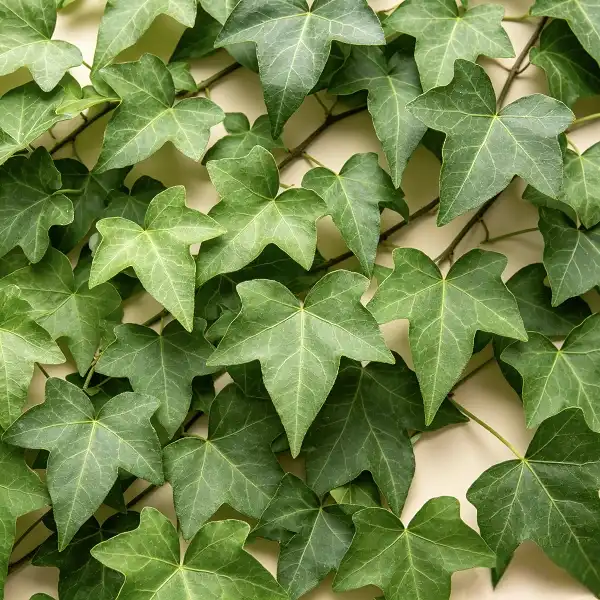
Understanding Ivy Extract Powder and Its Role in Respiratory Health
What Makes Hedera Helix Extract Effective for Respiratory Support?
The healing potential of this plant-based ingredient comes from the wide range of phytochemicals it contains. Ivy Extract Powder from Hedera helix L. HPLC tests indicate that the leaves have between 5 and 30 per cent hederacosides and 1 to 10 per cent hederacoside C. These triterpenoid saponins work by stimulating beta-2 adrenergic receptors, which makes lung tissue make more surfactant while relaxing airway muscles. Research in respiratory pharmacology journals indicates that standard preparations improve mucociliary clearance by decreasing mucus thickness. This effect makes it a lot easier for people with active coughs to breathe out.
The Science Behind Mucolytic and Anti-Inflammatory Mechanisms
When making biological goods, it's important to understand how biological processes work. When the saponin molecules combine with mucus glycoproteins, they break the disulphide bonds that make secretions thick and sticky. This process turns unproductive coughing into productive coughing. At the same time, flavonoid components change inflammation pathways by stopping airway epithelial cells from releasing pro-inflammatory cytokines. In studies with people who had acute bronchitis, using standardised solutions containing 35 mg of total saponins daily (measured as hederacoside C equivalents) improved their symptoms within 7 to 10 days.
Extraction Technology and Quality Preservation
Our method of extraction only uses pure water or ethanol that is safe for food. This means that we don't use any dangerous organic solvents that could risk the safety of the ingredients. This solvent-safe method keeps the natural structure of the glycosides while making sure that the brown powder that is made stays well solubilised and easy to work with in a variety of industrial settings. Controlled temperature and pressure concentration steps in the process keep bioactives that are sensitive to heat safe. Each batch goes through a thorough HPLC analysis to determine the concentrations of active markers. This gives quality assurance teams the batch-level information they need for regulatory reports and making sure the product is consistent.
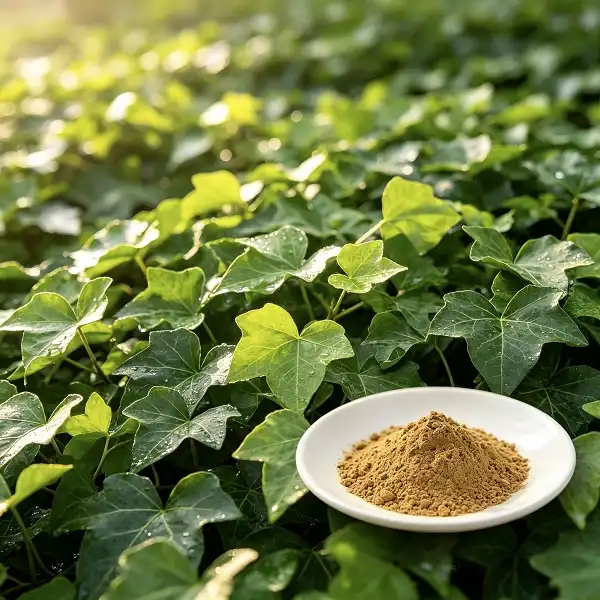
Evaluating Ivy Extract Powder for Chronic Cough: Safety, Dosage, and Side Effects
Recommended Dosing Guidelines Across Formulation Types
Standardising the dose depends on how it is given and who it is meant for. Pharmaceutical-grade mixtures usually have 25 to 50 mg of dried extract per dose for people, which is taken twice or three times a day. For kids ages 4 to 12, the amounts in paediatric versions need to be changed. Usually, kids need 12.5 to 25 mg per dose. Formulators should figure out how much total daily saponin a person takes in and aim for 35 to 50 mg of hederacoside C values when making food supplements or functional drinks. Soft gel capsules, syrups, and effervescent pills all have different bioavailability rates that affect the best way to dose them.
Safety Profile and Contraindication Considerations
Standardised preparations have a good safety record, as shown in clinical studies involving more than 10,000 subjects. Less than 2% of users report adverse events, which mostly involve mild stomach problems or very rare allergic skin responses. People who are pregnant or breastfeeding shouldn't use it because there isn't enough safety information on these groups. Furthermore, people who are known to be sensitive to plants in the Araliaceae family shouldn't use it. The people who make products need to put warning signs on them that are fitting for these groups. Because of the saponin content, strict quality control is needed, as high amounts can irritate the stomach. This evidence is why batch-level verification is still important for responsible production.
Real-World Efficacy Data from Clinical Applications
A study that looked at both standardised plant mixtures and synthetic expectorants found that both worked about as well as each other (78% vs. 82% for lowering coughs and improving clearance of bronchial secretions). Patients were happier with natural versions because they were easier to handle and didn't have the sedative side effects that are common with codeine-based options. These results are critical for buying managers who are making clean-label respiratory goods. Another observational study that followed chronic bronchitis patients for 12 weeks found that their quality of life scores kept getting better without tolerance building up or symptoms coming back after stopping the treatment.
Comparing Ivy Extract Powder with Related Herbal Extracts and Market Options
Distinguishing Ratio Extracts from Standardised Preparations
On the market, you can buy simple ratio extracts (4:1, 10:1) or fully standardised products that are assured to contain hederacoside. Ratio extracts are cheaper, but each batch varies, making it harder to keep the recipe consistent. Standardised forms, with 5–30% total hederacosides or 1–10% hederacoside C, enable R&D leaders to ensure that products work the same way every time. When looking at different suppliers, make sure you ask for thorough HPLC chromatograms that show peak identification and integration. This will help you tell the difference between high-quality makers and cheap suppliers who only offer barely characterised plant powders.
Organic Sourcing Versus Conventional Cultivation
Organic certification is useful for brands that want to sell to natural health channels, but normal farming that goes through strict testing for pesticide residues often gives the same safety ratings for less money. The European Pharmacopoeia and USP papers set maximum residue limits for heavy metals, herbicides, and microbes that are harmful, even if the product is organic. Our linked cultivation bases use Good Agricultural Practices (GAP) to control things like soil quality, harvest time, and handling after harvest. These factors are more important for active compound concentration than organic certification alone. The people who work in procurement should compare the cost of approval to the needs of the target market and the rules that apply in each delivery area.
Competitive Benchmarking Against Alternative Respiratory Botanicals
This botanical ingredient offers better options for clinical recording and standardisation in Ivy Extract Powder than thyme extract, marshmallow root, and mullein leaf. Even though these other options can help with sore throats and mild headaches, the beta-2 receptor mechanism and large amounts of data from human trials make marketing claims that are more believable for companies that want to place themselves based on proof. Pricing research indicates that the materials for standardised preparations cost $45-85 per kilogram, while competing plants cost $25-40 per kilogram. This disparity is because the extraction process is more complicated and there are more quality control rules to follow. Formulators often mix several lung herbs to get benefits that work better together while keeping the costs of the ingredients low across all price points of the finished products.
Procuring Ivy Extract Powder: What European and American B2B Clients Need to Know?
Supplier Vetting and Certification Verification
Suppliers you can trust keep many different certificates, such as ISO9001 for quality management, FSSC22000 for food safety, and facility-specific approvals like KOSHER, HALAL, HACCP, and FDA registration. Instead of taking badges at face value, ask third-party licensing groups for site audit reports. Genuine makers provide full tracking records that connect batches of finished powder to specific leaf harvest lots, extraction dates, and testing records. Our tracking system keeps track of botanical material from outsourced cultivation bases all the way through processing and packing. This system solves the problems with supply chain integrity that quality assurance managers often say make it hard to buy things.
Understanding MOQ, Pricing Structures, and Sample Access
Different providers have unique minimum order amounts. Usually, commodity dealers want pledges of 500 to 1000 kg, which makes it hard for new brands and R&D teams to do formulation trials. We've changed the way we do things: 100g to 10kg samples ship within 3–5 business days from ready stock, and 25kg drums are the minimum size for industrial production orders. This adaptability helps with product development processes and lets technical formulation experts test for stability before making large purchases. Prices are based on levels: normal rates for 25kg to 100kg, volume discounts of 8 to 12 per cent for 100kg to 500kg, and negotiated contract rates for 500kg and more that represent the value of a long-term relationship.
International Logistics and Regulatory Compliance
Getting ingredients across international borders means figuring out how to deal with customs classifications, import permits, and proof of analysis standards. There are special HS codes for botanical products that tell you how much duty to pay and what paperwork you need to send in. Our logistics team sets up courier services for samples, air freight for important business orders and ocean shipping for bulk transfers that save the most money. Each package comes with certificates of analysis that show it meets the standards of the market it is going to—USP standards for customers in North America and European Pharmacopoeia standards for markets in the EU. By knowing these requirements, you can avoid expensive delays at customs and ensure that the material you send is ready to be used right away in production.
Private Label and Contract Manufacturing Opportunities
In addition to providing ingredients, our expert formulation centre also helps brands that want complete solutions. Stability testing across different delivery methods, excipient compatibility studies, and sensory optimisation for consumer-facing goods are some of the things we can do for development. Contract manufacturing services include making soft capsules with custom mixes of different plant extracts, vitamins, and minerals based on the client's unique needs. Smaller brands can compete with larger supplement companies through these relationships, as they do not need to maintain their own production facilities. On the other hand, bigger companies use our specialised skills for limited-edition products or to quickly try new formulas on the market.
Making an Informed Decision: Why Is Ivy Extract Powder a Viable Choice for Chronic Cough Relief?
Natural Origin Advantages in the Current Market Climate
Trends show that people strongly prefer botanical ingredients to synthetic ones. This means that brands that sell their goods as natural health solutions can make a lot of money. This botanical ingredient works just as well as traditional expectorants in the lab, and it fits with clean-label marketing techniques. Marketing teams use the product's long history of use mixed with modern scientific proof to create an interesting story that appeals to health-conscious people seeking alternatives to prescription cough suppressants. The chemical can be used for more than one thing. It can be used in cosmetics to improve the microcirculation of the skin, which gives different brands more ways to make new products.
Regulatory Compliance and Safety Documentation
There are significant differences between the regulatory routes for over-the-counter drugs and nutrition supplements. For supplement applications, self-affirmed GRAS status and structure-function claims backed by clinical literature are particularly beneficial. For over-the-counter drug applications, on the other hand, you need to comply with standards or obtain New Drug Application approval. The large safety database and its recognition by European regulators as a traditional plant medicine make it easier to use regulatory tactics in both groups. Our quality paperwork packages include all the tests needed for NDI notifications, TSA compliance, and Health Canada Natural Product Number applications. This approach lowers the regulatory load that often slows product launches.
Long-Term Supply Chain Reliability
Having access to ingredients and stable prices is very important for business growth. Supply risks that buying managers have to look at include changes in harvest times, problems with farming, and changes in extraction yields. Our farming partnerships cover many different areas, so we can have different kinds of harvests when bad weather happens. We keep enough finished powder in stock to last for six months, so it's always available, even during times of high demand. This supply chain robustness is different from spot-market sourcing methods, which put brands at risk of unstable prices and possible stock-outs during key sales times, like during cold and flu seasons when demand for respiratory goods rises.
Conclusion
Adding Ivy Extract Powder to lung health products gives B2B clients a scientifically proven, customer-favourite option that is backed by a lot of clinical proof and regulatory approval. Standardised saponin content, especially hederacoside C concentrations confirmed through HPLC research, gives names that care about quality the uniformity they need. When making a purchase choice, it's important to look at more than just price. The supplier's level of certification, tracking documents, expert support, and supply chain stability should all be taken into account. As long as people around the world have chronic lung problems, natural ingredients that combine old knowledge with new evidence will continue to gain market share. Strategic relationships with makers that offer full quality systems, adjustable order amounts, and help with formulation development give brands long-term competitive benefits in health markets that are always changing.
FAQ
Is ivy extract safe for children and elderly populations with chronic cough conditions?
Standardised preparations are well tolerated by children 4 years and older when they are given the right amount based on their body weight. In clinical research with older adults, the risk of adverse events is the same as it is for younger people, but drug interactions should be looked into. Product designers should include dosing directions and notes about side effects that are right for kids under 4 years old. When making formulations for seniors, procurement teams should think about liquid delivery methods that are easier to swallow than pills or tablets.
How can procurement managers verify supplier authenticity and product quality?
Ask for a lot of paperwork, like certifications of farming, records of each batch of extraction, full HPLC chromatograms with peak identification, heavy metal tests, pesticide residue analysis, and reports on microbial contamination. Do third-party proof testing on a regular basis through independent labs to make sure the standards are met. Check the quality control systems of suppliers by doing certification tests and calling past customers for references. Real makers are happy to give tours of their facilities and provide thorough paperwork on the processes they use. On the other hand, suppliers that aren't trustworthy refuse to be open and honest or give incomplete testing data.
What are typical lead times for bulk orders serving North American and European markets?
Sample shipments from stock usually get to you via foreign shipping services in three to five business days. Commercial orders of 25–500kg from ready-to-ship stock are sent out within 5–7 business days. Customised orders that need to be made from scratch take 3–4 weeks, which includes testing and preparing the paperwork. It takes 25 to 35 days for ocean freight to reach ports in North America and 20 to 30 days for freight to reach ports in Europe. Delivery times are cut down to 5–7 days with air freight, but the cost of operations goes up by 300–400%. Strategic buyers keep a safety stock and place repeated orders on regular plans to get the best freight rates and make sure that production can keep going.
Source Certified Ivy Extract Powder from a Trusted Manufacturer
Since 1996, Kingherbs Limited has been making plant ingredients for food supplement brands, nutraceutical companies, and medicinal companies around the world. Our advanced extraction technology keeps the clarity and stability that formulation experts need while retaining the most beneficial compounds possible. We have many different ways for you to buy from us, from small sample orders to full business production runs. We also have many different certificates, such as ISO9001, FSSC22000, KOSHER, HALAL, HACCP, and FDA registration. Each batch comes with a full certificate of analysis showing that it meets USP and EP standards and a thorough HPLC analysis. Our application laboratory helps brands make unique goods that meet government standards and customer expectations by helping them improve their formulations across a range of delivery methods. Email our technical team at info@kingherbs.com to get samples, talk about unique requirements, or look into private label options with a dependable Ivy Extract Powder provider that cares about quality, honesty, and the success of our partnerships.
References
1. Fazio S, Pouso J, Dolinsky D, et al. Tolerance, safety and efficacy of Hedera helix extract in inflammatory bronchial diseases under clinical practice conditions: a prospective, open, multicentre postmarketing study in 9657 patients. Phytomedicine. 2009;16(1):17-24.
2. Holzinger F, Chenot JF. Systematic review of clinical trials assessing the effectiveness of ivy leaf (Hedera helix) for acute upper respiratory tract infections. Evidence-Based Complementary and Alternative Medicine. 2011;2011:382789.
3. Cwientzek U, Ottillinger B, Arenberger P. Acute bronchitis therapy with ivy leaf extracts in a two-arm study. A double-blind, randomised study vs another ivy leaf extract. Phytomedicine. 2011;18(13):1105-1109.
4. Kraft K, Hobbs C. Pocket Guide to Herbal Medicine. Stuttgart: Thieme Medical Publishers; 2004. Chapter 12: Hedera helix—Ivy Leaf in Respiratory Therapeutics; pp. 156-162.
5. European Medicines Agency Committee on Herbal Medicinal Products. Assessment report on Hedera helix L., folium. London: EMA/HMPC; 2015. Document reference EMA/HMPC/325715/2017.
6. Büechi S, Vögelin R, von Eiff MM, Ramos M, Melzer J. Open trial to assess aspects of safety and efficacy of a combined herbal cough syrup with ivy and thyme. Forschende Komplementärmedizin und Klassische Naturheilkunde. 2005;12(6):328-332.
Send Inquiry
Related Industry Knowledge
- Can Ivy Extract Powder Relieve Respiratory Congestion Fast?
- About White Willow Bark Extract- Beauty Benefits
- Passionflower Extract Powder For Sleep & Stress Reduction
- Can Artemisinin Powder Outperform Artemisinin-B in Pharma Supply?
- Couch Grass Rhizome Extract: Herbal Ingredient for Formulators
- From Stress Relief to Sleep Support: Valerian Root Extract Powder
- What Are the Key Benefits of Couch Grass Rhizome Extract?
- Is Watermelon Powder Suitable for Vegan Products?
- Vine Tea Extract Benefits: Science-Backed Health
- Mango Leaf Extract Powder for Skin: Anti-Aging & Protection