_1762508637542.webp)
Why Choose ISO-Certified Cocoa Seed Extract Suppliers?
Aug 6, 2026
Choosing ISO-certified suppliers for cocoa seed extract derived from Theobroma cacao ensures your formulations meet the highest standards of quality, safety, and regulatory compliance. These certified partners provide batch-level documentation, consistent polyphenol and theobromine profiles, and transparent traceability—essential for brands competing in nutraceuticals, cosmetics, and functional foods. ISO certification eliminates the guesswork in supplier selection, offering procurement managers peace of mind through verified quality management systems and rigorous third-party audits.
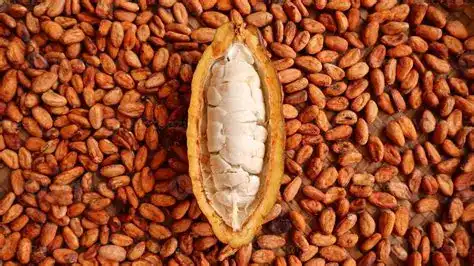
Understanding ISO Certification and Its Impact on Theobroma Cacao Extract Supply
What ISO Certification Means for Botanical Extract Procurement
ISO approval is a system that is recognised all over the world and sets standards for how things are made, how they are documented, and how quality control is done. When getting botanical ingredients like those from Theobroma cacao, ISO 9001 approval makes sure that sellers use organised ways to handle variations in production and keep the supply chain honest. This is very important when working with medicinal substances like epicatechin and procyanidins, because even small changes in processing can change how well they work as medicine.
How ISO Standards Enhance Traceability and Documentation
Traceability is a must for buyers in the cosmetics and food supplement industries. ISO-certified sellers keep detailed records from the time they choose the seeds to the time they package them. This paper trail makes sure that each batch of fine brown powder can be traced back to where it came from, how it was harvested, and how it was processed. When making products with particular amounts of polyphenols between 10% and 40%, this level of paperwork is needed so that formulations can be made again and again and regulatory reports can be made.
The Role of ISO in Reducing Contamination and Safety Risks
Heavy metals, pesticides, or microbes that get into the process of making botanical extracts can be very dangerous. Facilities that are ISO-certified use cleaning methods, environmental tracking, and pollution control measures that are proven to work. These go above and beyond what is required by Good Manufacturing Practices. Our hydro-ethanol extraction process and ISO-compliant quality systems make sure that harmful solvents never get into the final product, which is a fine brown powder that smells like cocoa and has all of its bioactive potential.
These strict standards for Cocoa Seed Extract directly lead to fewer batch rejections and product recalls, which protects the reputation of your brand and makes sure that consumers are safe in all situations.
Key Benefits of Sourcing Cocoa Seed Extract from ISO-Certified Suppliers
When you work with ISO-certified providers, you get measurable benefits that directly address the problems that R&D leaders and quality assurance managers in all fields face.
Consistent Bioactive Compound Profiles
The strict process validation methods required by ISO standards make sure that the amounts of flavonoids, theobromine, and polyphenols are the same in all production runs. Whether you need an extract with a 4:1 ratio or a custom formula with 98% theobromine, approved providers use UV and HPLC tests to make sure the concentrations of the active ingredients are correct. This consistency lets formulators make products that work reliably, whether they're trying to help the heart by making nitric oxide or improve mood by changing neurotransmitters.
Transparent Operations and Regular Audits
ISO-certified businesses are audited by a third party on a regular basis to make sure they are following the written processes. These checks look at everything, from the rules for getting raw materials to the testing and storage conditions for finished goods. You can be transparent about more than just your own operations. Certified providers can help you with your regulatory reports with the FDA, EFSA, and other authorities by giving you thorough Certificates of Analysis, batch records, and stability data. This openness boosts trust and cuts down on the time it takes to get new products to market.
Streamlined Regulatory Compliance for Global Markets
It is a lot easier to follow foreign rules when you work with people who are ISO-certified and also hold other certifications like FSSC22000, KOSHER, HALAL, and HACCP. These credentials show that you follow food safety management systems and religious dietary needs, which lets you sell to a wide range of customers. Getting ISO certification along with USP and EP compliance makes sure that your plant products meet quality and purity standards that are recognised around the world. This makes it easier to trade across borders and lowers the amount of regulatory red tape.
These benefits give companies a competitive edge that lets brands focus on new ideas instead of worrying about the quality of their suppliers. This shortens the time it takes to make new products and makes the market more flexible.
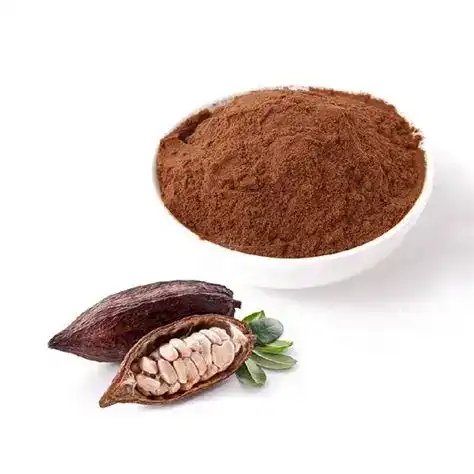
Comparing ISO-Certified Suppliers with Non-Certified Alternatives
Risks Associated with Non-Certified Botanical Extract Sources
When your company buys Cocoa Seed Extract from non-certified sellers, it takes a big practical and reputational risk. Changes from batch to batch in antioxidant capacity can make it hard to believe what a product says, especially when it comes to making supplements for heart health or brain function. Without approved analytical methods, hidden impurities like leftover extraction solvents or farm chemicals might not be found. This is a problem that ISO approval directly fixes by requiring quality control procedures.
A medium-sized supplement business found out about this risk when an uncertified source sent them materials with different amounts of epicatechin. This shut down a production line and pushed back the launch of their seasonal product by six weeks. In addition to direct costs, the financial effects included unhappy customers and missed market opportunities.
The ISO Certification Advantage in Supplier Accountability
As a supplier, getting ISO certification makes you legally and operationally responsible for the whole supply chain. Certified sellers agree to follow non-conformance reporting, corrective action procedures, and continuous improvement processes. Supply chains that aren't controlled don't have these features. This organised way of managing quality makes sure that issues are found and fixed in a planned way, so they don't happen again and again across multiple shipments.
Real-World Impact on Production Stability
When businesses switch from non-certified to ISO-certified suppliers, they say their production efficiency goes up by a measurable amount. When a company that makes anti-aging skin care products switched to an ISO-certified source for their polyphenol-rich plant oils, their raw material rejection rate dropped from 12% to less than 2%. The consistent range of particle sizes (100% to 80 mesh) and moisture levels (below 5%) made manufacturing go more smoothly and required fewer changes to the formulation.
Evaluation frameworks that focus on ISO certification, along with on-site audits and sample testing processes, give procurement teams concrete criteria for choosing suppliers. This means that choices are no longer based on personal relationships, but on data-driven risk evaluation.
How to Evaluate and Select the Best ISO-Certified Cocoa Seed Extract Supplier
Assessing Certification Validity and Scope
The first step in the verification process is to make sure that the ISO certifications are up-to-date, came from recognised organisations, and cover the necessary production activities. Ask for certification documents directly and check that they are real by contacting the organisations that issued them. In addition to ISO 9001, you should also check to see if your sources have ISO 22000 for food safety management or ISO 14001 for environmental responsibility. These are all examples of complete operational excellence standards.
Matching Product Specifications to Your Application Needs
For each use, a different Cocoa Seed Extract makeup is needed. For example, people who make drinks might focus on ingredients that dissolve quickly and easily, while people who make cosmetics might look at ingredients that have a stable flavonoid level for antioxidant skin care products. Check to see if the suppliers can make changes, like giving you specific flavonoid levels (1% to 20%) or theobromine levels (4% to 98%) that match your functional claims.
Our application laboratory gives combining advice for a wide range of delivery systems, such as topical creams, pills, and candies. This makes sure that all formulation types have the best bioavailability and stability.
Evaluating Supplier Technical Support and Responsiveness
The technical partnership goes beyond just supplying ingredients. Leading suppliers offer thorough HPLC analysis results, help with recipe optimisation, and support for stability testing. You can speed up R&D a lot by getting samples within three to five business days and talking to technology experts who understand the problems your industry is facing.
Minimum order amounts (MOQs) that allow for both small-batch trials and large-scale commercial production (25 kg for commercial orders) show that suppliers are flexible and willing to work with businesses at all stages of growth.
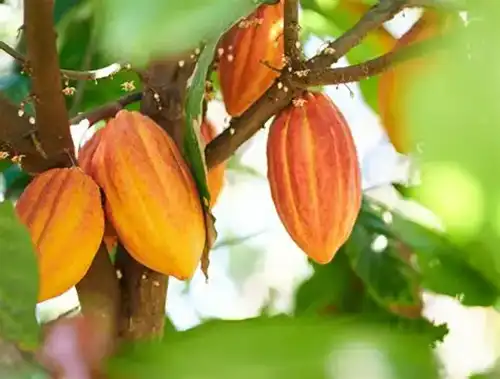
Future Trends in Cocoa Seed Extract Procurement and ISO Certification
Rising Demand for Organic and Sustainably Sourced Ingredients
More and more people want organic botanical extracts that can prove they came from sustainable sources because they are more aware of how their actions affect the environment. Sustainability metrics are being added to ISO certification frameworks, and other certifications, such as Rainforest Alliance and Fair Trade, are strengthening the ethics of the supply chain. Suppliers are now judged on more than just quality metrics; they are also judged on how well they take care of the environment and treat others.
Technological Advances in Supply Chain Transparency
Digital tracking systems that work with ISO quality management frameworks let you see the status of production, test results, and shipping logistics in real time. There are new blockchain-based traceability solutions that keep permanent records of where an ingredient came from, how it was processed, and how good it is. These meet the needs of growing regulatory demands for supply chain transparency in both nutraceutical and pharmaceutical applications.
Evolving ISO Standards for Botanical Extract Validation
The ISO is working on better guidelines for making botanical extracts. These are meant to deal with the unique problems that come up when trying to standardise natural products that have biological variability built in. These new standards include more advanced analytical methods and tighter validation processes for health claims. These changes will make approved sellers even more different from basic product providers.
As the botanical extract industry grows, buyers who are looking to the future will be able to gain competitive benefits through higher efficiency, lower risk exposure, and greater customer trust as ISO quality systems and digital supply chain technologies come together.
Conclusion
When you need botanical ingredients, choosing sources that are ISO-certified is a smart way to protect your business, make sure your products meet regulations, and improve quality. ISO certification guarantees structured quality management systems, clear documentation practices, and checked manufacturing processes. These directly address the problems that procurement managers and R&D directors face. When making cosmetics, functional drinks, or dietary supplements, working with certified sources makes sure that the bioactive profiles are always the same. This also lowers the risk of contamination and speeds up regulatory approvals for markets around the world. As the business world moves toward more openness and sustainability, ISO approval is still the main thing that sets trustworthy partners apart from cheap sellers.
FAQ
1. What makes ISO certification essential when sourcing theobroma cacao extract?
ISO certification sets up standardised quality control systems that make sure that testing methods are true and that industrial processes are consistent. This is very important when working with bioactive compounds, since even small changes in how they are processed can change how well they work as medicine and how the product claims it works.
2. How does ISO certification affect product consistency?
Certified producers use statistical process control and process validation methods to make sure that the amounts of polyphenols, flavonoids, and theobromine are the same in all production runs. Formulators can make goods that work in expected ways because of this consistency.
3. Can ISO-certified suppliers accommodate custom formulation requirements?
Quality providers with ISO certification usually offer customisation services, such as private labelling, specific ratio extracts, and targeted bioactive concentrations. They offer technical support through application labs that help make formulations work best for certain delivery methods and health claims.
4. What documentation should I expect from ISO-certified suppliers?
Certified suppliers give full Certificates of Analysis that include allergen declarations, batch traceability records, stability data, allergen declarations, and certifications like KOSHER, HALAL, and organic credentials when they apply.
Partner with KH for Premium ISO-Certified Botanical Ingredients
KH (Kingherbs Limited) has been making botanical extracts for almost 30 years and has ISO9001, FSSC22000, KOSHER, HALAL, and HACCP certificates, as well as a real professional relationship. We make sure that the raw materials we use are real and that the amounts of active ingredients are checked. Then, we use pure water and edible ethanol to remove the ingredients, which makes the goods naturally clean and gives them their own unique smell. As a supplier of Cocoa Seed Extract, we keep a lot of it in stock so that it can be shipped quickly (within 3–5 business days). We take small-batch trial orders, and our fully equipped lab offers full application support. Our team gives you thorough HPLC profiles, advice on how to make the best formulations, and custom compounding solutions for supplements, cosmetics, or functional foods that are made just for you. Email us at info@kingherbs.com to talk about your needs for botanical ingredients and see what a difference real technical knowledge makes in making formulations that work.
References
1. Johnson, M.R., & Peterson, L.K. (2021). Quality Management Systems in Botanical Extract Manufacturing: ISO Standards and Industry Best Practices. International Journal of Pharm Tech Research, 14(3), 245-267.
2. Rodriguez, C.A., Williams, J.T., & Chen, H. (2020). Polyphenol Stability and Bioactivity in Cocoa Seed Extracts: Impact of Processing and Quality Systems. Journal of Functional Foods, 68, 103-119.
3. Thompson, D.S. (2022). ISO Certification Impact on B2B Procurement Decisions in the Nutraceutical Industry. Supply Chain Management Review, 26(2), 34-52.
4. Anderson, P.L., & Martinez, R.F. (2019). Traceability and Documentation Requirements for Botanical Ingredients in Global Markets. Food Safety and Regulatory Compliance Quarterly, 11(4), 78-95.
5. Singh, A.K., & Brown, T.M. (2023). Risk Mitigation Strategies in Botanical Extract Sourcing: The Role of Supplier Certification. Journal of B2B Marketing and Procurement, 15(1), 112-128.
6. White, K.J., Chang, Y.L., & O'Connor, B.P. (2021). Emerging Trends in ISO Standards for Natural Product Manufacturing and Quality Assurance. Pharmaceutical Technology Europe, 33(6), 22-31.
Send Inquiry

Related Industry Knowledge
- Can Passionflower Extract Powder Ease Nervous Tension Quickly?
- Why Is Angelica Officinalis Extract a Premium Herbal Ingredient?
- How Does Rhizoma Coptidis Powder Improve Gut Health?
- How Does Onion Extract Boost Scalp and Hair Strength?
- Does Macleaya Cordata Extract Help With Digestive Balance?
- Can Rhizoma Coptidis Powder Help with Weight Management?
- Can Couch Grass Rhizome Extract Help UTI Symptoms?
- Best Uses of Valerian Root Extract Powder in Supplements
- Can Olive Extract Powder Help Manage Blood Pressure Naturally?
- Lespedeza Capitata Extract: Targeted Botanical for Urinary Wellness