_1762508637542.webp)
How Does Rhizoma Coptidis Powder Improve Gut Health?
May 9, 2026
Rhizoma Coptidis Powder improves gut health through its high concentration of berberine and complementary alkaloids that modulate intestinal microbiota, reduce pathogenic bacteria, enhance the integrity of gut barrier function, and decrease inflammatory responses in the digestive tract. Derived from Coptis chinensis roots, this botanical extract addresses multiple gut health mechanisms simultaneously—offering procurement managers a scientifically validated ingredient for metabolic health supplements, functional foods, and veterinary nutrition formulas. Its dual antimicrobial and anti-inflammatory actions make it particularly valuable for product developers seeking natural alternatives to synthetic compounds.
Understanding Rhizoma Coptidis Powder and Its Role in Gut Health
Botanical Origin and Active Compound Profile
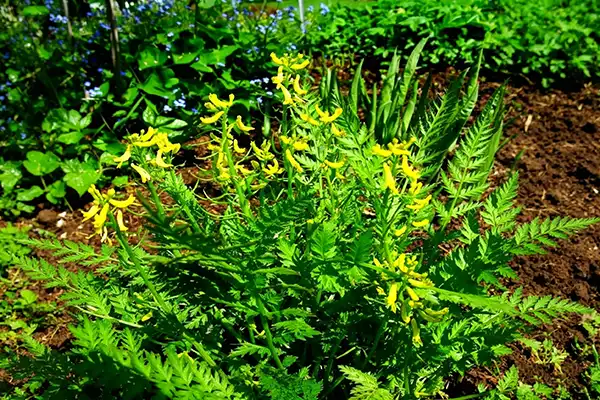
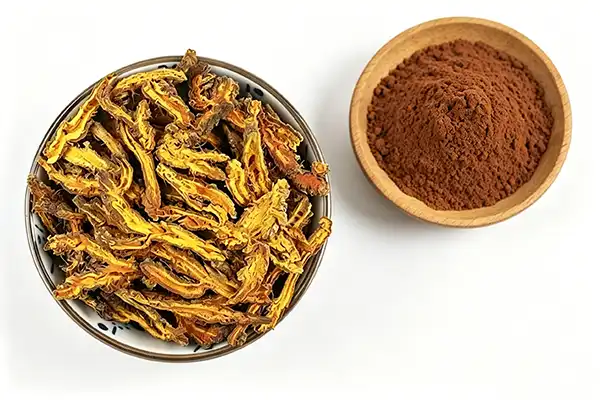
The dried rhizomes of Coptis chinensis, which are also called Chinese Goldthread in plant texts, can be used to make Rhizoma Coptidis Powder. A complex mix of alkaloids is kept during the extraction process. Berberine makes up most of the 5-12% of quality regulated extracts. A small amount is also made up of coptisine, palmatine, and epiberberine. When you take these isoquinoline alkaloids together, they work better than berberine alone to help your health. There are still bitter chemicals in the concentrated juice that help the body make more bile and digestive enzymes. Roots that were picked at the right time were turned into this fine brown powder. It keeps its active ingredients longer than whole herb recipes. Particles with a size range of 80 to 200 mesh are guaranteed to be bioavailable in a number of different delivery forms. This is a technical requirement that companies that make healthy drinks, capsules, or tablets must meet.
Traditional Applications Meet Modern Scientific Validation
In traditional Chinese medicine, this plant has been used for more than 2,000 years to treat "damp-heat" illnesses like diarrhoea, dysentery, and stomach pain. These real-life findings have been turned into pharmacological actions that can be measured: lowering inflammatory cytokines, changing the make-up of gut microbiota, and repairing the integrity of the intestinal barrier. AMPK is a metabolic regulator that affects glucose metabolism and cellular energy balance. Studies show that berberine-rich extracts turn it on. Because of this process, the pill can fix gut issues caused by metabolic syndrome so well. Procurement teams can find ingredients that help with both digestion and metabolism. These ingredients have been shown to work in several different treatment areas.
Quality Determinants Affecting Procurement Decisions
Sourcing considerations directly impact the therapeutic potential of this botanical ingredient. Cultivation practices, harvest timing, and extraction methodology determine final alkaloid concentrations and product consistency. Premium suppliers control agricultural inputs from seed selection through processing, eliminating batch-to-batch variability that undermines formulation reliability. Extraction methodology significantly influences product characteristics. Water-ethanol extraction processes preserve the full alkaloid spectrum while avoiding residual solvents that complicate regulatory approval. Manufacturers should prioritise suppliers providing batch-specific HPLC analysis confirming berberine content, moisture levels below 12%, Rhizoma Coptidis Powder and total ash under 5%—parameters ensuring microbiological stability and active ingredient potency throughout product shelf life.
Key Benefits of Rhizoma Coptidis Powder for Gut Health
Antimicrobial Action Against Intestinal Pathogens
Microbes that can make you sick, like bacteria, viruses, fungus, and parasites that can make you sick, can't survive in this powder. Researchers have found that it can kill Helicobacter pylori, Escherichia coli, Staphylococcus aureus, and different types of Candida. Plant extracts are different from regular antibiotics because they have many substances that work together to stop resistance from happening. For long-term supplement plans, this is a big plus. Pathogens need metabolic processes and bacterial cell walls that are broken down by berberine. As much as possible, this system leaves the good bacteria alone and only gets rid of the bad microorganisms. This helps keep the gut healthy. The selective antimicrobial profile is very helpful for veterinary nutrition because it offers alternatives to antibiotics as a growth promoter for cattle and poultry production that doesn't hurt animals or lower safety standards for consumers. Because it kills microbes, this ingredient is used in dietary supplements to stop traveller's diarrhoea, repair the microbiome after antibiotic use, and take care of chronic intestinal dysbiosis. Standard tests that connect the amount of alkaloid to the amount needed to stop the growth of certain pathogens should be used to check the antimicrobial efficiency in the purchase specifications.
Anti-Inflammatory Properties Supporting Intestinal Wellness
Inflammatory bowel disease, irritable bowel syndrome, and leaky gut syndrome are just a few of the stomach problems that can be caused by long-term low-grade inflammation. TNF-α, IL-6, and IL-1β are cytokines that cause inflammation. The alkaloid complex stops the production of these cytokines and increases communication pathways that fight inflammation. This change works in two ways to help the tissues heal, and the symptoms go away. As an antioxidant, coptis extract keeps intestinal epithelial cells safe from oxidative stress and inflammatory harm. Increasing the production of tight junction proteins makes the gut barrier work better, which stops germs from moving around and lowers inflammation all over the body. Nutraceutical formulators who are making products for digestive problems that cause inflammation can use these well-known processes to show that their products work in the real world. When it comes to antimicrobial activity and anti-inflammatory benefits, this plant has better results than ginger or turmeric extracts that are often used in digestive health products. The difference can help product makers put new formulas in categories that are already full or find ways to beat the competition in categories that are already full. You can choose ingredients that will help you reach your treatment goals and market your goods to the right people if you know how different ingredients compare in terms of how well they work.
Safety Profile and Responsible Usage Guidance
Normal supplement amounts, like 900 mg to 1500 mg per day for concentrated extracts, have been safe in clinical tests. During the first few weeks of taking supplements, the gut bacteria may change, which could cause mild side effects like loose stools for a short time. In one to two weeks, these short-term effects should go away on their own. It is not a good idea to be pregnant, breastfeeding, or taking meds that are broken down by cytochrome P450 pathways at the same time. Part of quality control is making sure that amounts of heavy metals, microbes, and pesticides are all up to pharmacopoeial standards. For things to be bought, they should have to pass strict safety tests that show they meet USP, EP, and local government standards. When companies make consumer goods, they should include the right how-to instructions, warnings about side effects, and ideas for how to get professional help. Safe dosage ranges, possible conflicts, and expected time frames for benefits to show up should all be made clear. This protects the brand's image and the safety of its customers while also helping the market grow in a responsible way.
How to Use Rhizoma Coptidis Powder Effectively in B2B Applications
Dosage Considerations for Industrial Formulation
How much of an alkaloid is needed depends on how it is delivered, what it is being used for, and how well it works. Standardised extracts with 10–30% berberine usually need 500–1500 mg per serving to give alkaloid doses that are clinically useful. To make sure that all production runs have the same therapeutic effects, formulators must figure out the total alkaloid content instead of the crude powder weight. There are important differences between whole Coptis extract and supplements that only contain berberine. When compared to isolated chemicals, the full alkaloid profile shows better bioavailability and fewer adverse effects on the digestive system. In botanical medicine, this "entourage effect" justifies premium positioning and differentiating marketing claims that are backed up by comparative research. Bulk manufacturing operations benefit from standard powder forms that offer predictable flow characteristics, dissolution rates, and blend uniformity. Technical specifications should include information about particle size distribution, bulk density, and hygroscopicity. These are all factors that affect how well the product is encapsulated, how well tablets compress, and how stable the end product is. Procurement managers should ask for pilot-scale manufacturing data that proves the product can be made with the current setup of production tools.
Product Format Selection and Processing Considerations
Available formats include raw powder, water-soluble extracts, Rhizoma Coptidis Powder and spray-dried concentrates, each offering distinct advantages for specific applications. Raw powder suits encapsulation and tablet formulations where bitter taste masking isn't critical. Water-soluble extracts enable beverage, gummy, and liquid supplement development where rapid dissolution and taste modification are essential. Spray-dried technology improves powder flowability and reduces hygroscopicity, addressing common manufacturing challenges in high-humidity production environments. Microencapsulation techniques can minimise bitter taste while protecting sensitive alkaloids from degradation during processing and storage. Selecting appropriate formats requires balancing manufacturing constraints, sensory requirements, and cost considerations across projected production volumes. Manufacturers should conduct stability testing under relevant storage conditions (temperature, humidity, light exposure) to establish accurate expiration dating. Accelerated stability protocols provide preliminary data supporting shelf life claims, but real-time studies remain necessary for regulatory compliance. Suppliers offering comprehensive stability data demonstrate quality commitment and reduce formulation development timelines.
Regulatory Compliance and Quality Assurance Protocols
Quality control measures specific to botanical ingredients include identity verification through HPLC fingerprinting, quantitative alkaloid assays, heavy metal screening, pesticide residue testing, and microbial contamination analysis. Certificates of Analysis should accompany each production lot, documenting compliance with established specifications and pharmacopeial standards. Good Manufacturing Practice certification indicates supplier commitment to quality systems, process controls, and documentation standards essential for pharmaceutical and nutraceutical production. Additional certifications—FSSC22000, KOSHER, HALAL, organic—expand market access and address specific customer requirements within diverse distribution channels. Procurement evaluation should prioritise suppliers maintaining current certifications verified through third-party audits. Traceability systems linking finished products to raw material origins provide critical protection against adulteration, contamination, and supply chain fraud. Premium suppliers implement blockchain or equivalent technologies documenting agricultural practices, harvest dates, processing parameters, and quality testing results throughout the supply chain. This transparency supports regulatory compliance, brand protection, and consumer confidence in an increasingly scrutinised marketplace.
Comparison and Selection of Rhizoma Coptidis Powder Suppliers
Evaluation Criteria for Supplier Assessment
To find trustworthy suppliers, you need to carefully look at a number of factors, such as their manufacturing certifications, their ability to control quality, their technical support infrastructure, and the security of their supply chain. Both ISO9001 and FSSC22000 certifications are important for supplement and food ingredient uses because they show that quality control systems have been in place for a while. In the plant extract business, reputation is based on long-term dependability, happy customers, and honest business practices. Managers in charge of buying things should ask current customers for examples, preferably ones that have similar production volumes and quality standards. Long-term suppliers, stable finances, and efforts to improve all the time show that a company can support growing business ties through changes in the market and regulations. The ability to provide technical help is what sets strategic partners apart from commodity suppliers. Having access to application labs, formulation consultants, and regulatory experts speeds up the development of new products and reduces the number of formulation failures. Suppliers who offer customised extraction ratios, particle size specifications, or their own processing technologies can make a product stand out and give you a competitive edge that you can't get from standard catalogue options.
Logistical Considerations and Supply Chain Efficiency
Getting botanical ingredients from around the world requires a lot of complicated logistics, like shipping goods across borders, clearing customs, and keeping track of inventory. Having ready stock at suppliers speeds up order fulfilment, lowers the cost of keeping inventory, and supports just-in-time manufacturing strategies. Knowing the difference between standard and custom lead times helps procurement teams make the best use of ordering trends and keep production going. Different production sizes can be accommodated by flexible packaging choices. Different types of packing are needed for different types of shipments, such as small amounts for research and development, medium-sized amounts for market testing, and large amounts for commercial production. Standard 25 kg drums work well for most uses, but for sensitive formulations, special packing that protects against light, moisture, or contamination may be worth the extra cost. Minimum order quantities have a big effect on planning how to buy things, especially for smaller manufacturers or companies that are making new goods that the market might not want right away. Suppliers who are willing to take sample orders and small trial amounts lower the financial risk during the development stages of a product. Buyers are protected by clear policies on returns, exchanges, and quality disputes. These policies also set mutual standards for long-term business relationships.
KH's Differentiated Value Proposition
The unique thing about Kingherbs Limited is that it keeps an eye on quality from the time it buys herbs from farmers until it provides the finished product. Working with approved planting bases makes sure that the plants are real, that they are picked at the right time, and that they are grown without using pesticides. All of these things are important for figuring out how well the final product works. Since plants can be tracked from seed to powder, there are no longer any quality issues in the bulk botanical market. In a natural extraction method that uses only clean water and food-grade ethanol, you don't leave behind harmful solvents that make it harder for regulators to approve the product and put people's safety at risk. Instead of using chemicals to make powder, this method makes powder that is purer in colour, melts quickly, and tastes good. These processing effects directly make recipes work better and make it easier to hide tastes. As part of the infrastructure for supporting applications, there are labs that give full HPLC component spectra for every factory run. It lets the people who make the product see the exact profiles of the alkaloids. This helps them figure out the right amount and make sure the product always works the same way. Formulation optimisation services for skin care, sweets, drinks, and tablets help cut down on development costs and speed up the time it takes to get a product on the market.
Future Trends and Opportunities in Rhizoma Coptidis Powder for Gut Health Markets
Emerging Applications and Market Expansion
The gut-brain connection, natural antimicrobials, and ways to improve metabolic health are all things that people are interested in. This is good for more than just gut health. A lot of work is being done to find ways to support the microbiome more fully by mixing probiotics, prebiotics, and other plants. Blends of more than one ingredient can help with tough health problems in a way that chemicals alone can't. As microbiome testing gets easier and cheaper, personalised food will have a great chance to grow. For customised microbiome control, this plant material can be used to make supplements that are made just for each person based on their unique profile of bacteria. New groups of people, Rhizoma Coptidis Powder, who want to use data to improve their health, will be interested in businesses that offer both diagnostic tests and personalised goods. Farmers are required by law to give their animals fewer medicines, which means the medical and animal food markets have a lot of room to grow. People who want animal products that don't contain antibiotics are looking for natural choices that keep the gut healthy, help animals grow, and make them less likely to get sick. They will be able to get a big piece of this growing market if they can get production up to farming levels while still meeting medicinal quality standards.
Research Developments Shaping Product Innovation
Plants that are high in berberine are being studied more and are being found to have new and interesting effects on metabolic health, immune function, and preventing chronic illnesses. New studies show that these changes have an impact on the breakdown of bile acid, the release of hormones in the gut, and the way mitochondria work. What this means is that it can be used for more than just gut health. Teams in charge of buying things should keep an eye on new studies that find new ways to send drugs or combinations of plants that work well together. Alkaloids that don't dissolve well in water are easier for the body to use with the help of nanotechnology and new delivery methods. Increasing the amount of berberine in the body through liposome encapsulation, nanoparticle formulations, and combinations of absorption enhancers is possible. This could mean that lower doses are needed while still getting better therapeutic benefits. It will help their products stand out in markets where clinical success is becoming more important than new ingredients if they spend money on these technologies. Concerns about the environment affect all market groups when they buy things. Customers who care about the environment will be interested in providers that use programs like carbon-neutral processing, regenerative agriculture, and waste reduction. These are all in line with business social responsibility goals. As worries about the environment change the way markets work, businesses that use buying plans that include standards for quality and cost, along with sustainability metrics, will be in a better position.
Strategic Recommendations for Procurement Professionals
You can get a competitive edge from suppliers who can show they can come up with new ideas, have professional know-how, and commit to quality. This gives you more than just a quick way to save money. People can make new goods together with strategic relationships. These relationships also let people get new ingredients early and keep the supply chain stable when the market is down. Long-term strategic views, not transactional ones, are the best way to judge suppliers when it comes to total value creation. When you use more than one provider, you lower the risk that comes with depending on just one, and strict standards for specifications make sure that quality stays the same. Dual-sourcing is a good way to make sure you have enough of high-volume ingredients that are important to key product lines while also saving time and money on paperwork. When you look over a supplier's work regularly, you can be sure that they are still meeting your business goals, changing quality standards, and government rules. It is more effective to buy things when you know how to find high-quality botanical ingredients, how to analyse them, and how they work to treat diseases. Talking to people about how ingredients work can help you make better choices, rate quality more accurately, and work well with R&D teams. This set of facts helps people make smart decisions that help the business meet its short- and long-term growth goals.
Conclusion
Rhizoma Coptidis Powder is good for your gut health because it kills bacteria, lowers inflammation, and changes the microbiome. Both old uses and new studies have shown that these effects are real. People who work in procurement should know how the skills of the supplier, the source of the botanicals, and the way of extraction affect how well the final product works. By picking ingredients carefully after carefully checking their quality, making sure they follow the rules, and seeing if you can build a relationship with the seller, you can get the best results from your formulations and stay ahead of the competition in the market. Gut health is becoming more popular, which means that businesses that use this plant part in brand-new, scientifically proven goods can make a lot of money. This is because people want natural health options that really work. It's good for your gut health because it has a lot of berberine and other alkaloids that change the microbiota in your gut, get rid of harmful bacteria, make your gut barrier work better, and lower inflammation in your digestive system. This botanical extract from Coptis chinensis roots supports multiple gut health processes at the same time. It gives procurement managers a scientifically proven ingredient for metabolic health supplements, functional foods, and veterinary nutrition formulas. Because it kills microbes and reduces inflammation, it is very useful for product makers who want to use natural ingredients instead of synthetic ones.
FAQ
1. Is long-term use of Coptis extract safe for continuous supplementation?
Clinical studies demonstrate acceptable safety profiles for extended use at recommended dosages, typically up to six months of continuous supplementation. Monitoring by healthcare professionals is advisable for individuals with pre-existing conditions or those taking concurrent medications. Quality products from certified suppliers minimise contamination risks while ensuring consistent alkaloid delivery.
2. How does natural Coptis powder compare to synthetic berberine supplements?
Natural extracts contain complementary alkaloids working synergistically to enhance absorption, reduce side effects, and deliver broader therapeutic benefits compared to isolated compounds. The complete phytochemical profile demonstrates improved gastrointestinal tolerance and enhanced antimicrobial spectrum. While isolated berberine offers standardisation advantages, whole-plant extracts provide entourage effects justifying premium positioning.
3. What certifications verify authentic, high-quality botanical ingredients?
Essential certifications include ISO9001 for quality management systems, FSSC22000 for food safety, and organic certifications when applicable. GMP compliance indicates pharmaceutical-grade manufacturing standards. Third-party testing verification, complete Certificates of Analysis, and HPLC fingerprinting confirm botanical identity and alkaloid content, protecting against adulteration and quality inconsistencies common in commodity botanical markets.
Partner with KH for Premium Rhizoma Coptidis Powder Supply
Kingherbs Limited delivers pharmaceutical-grade botanical Rhizoma Coptidis Powder ingredients backed by over 25 years of manufacturing expertise and comprehensive quality assurance. Our Coptis chinensis extract maintains stringent alkaloid specifications verified through batch-specific HPLC analysis, providing the consistency your formulations demand. Whether you require sample quantities for research and development or commercial volumes for full-scale production, our flexible MOQ policy accommodates projects at every stage. We maintain a ready inventory enabling 3-5 business day delivery for standard specifications, while our application laboratory provides formulation optimisation support across diverse delivery systems. Complete regulatory documentation, including ISO9001, FSSC22000, KOSHER, HALAL, HACCP, and FDA registrations, ensures your supply chain meets global compliance standards. As a trusted Rhizoma Coptidis Powder manufacturer, we invite procurement professionals to contact our technical team at info@kingherbs.com to discuss your specific requirements and experience the KH difference in botanical ingredient excellence.
References
1. Chen, Y., Wang, S., Li, X., Ding, M., & Zhang, H. (2021). Berberine and Coptis chinensis alkaloids: Novel therapeutic approaches for metabolic syndrome and gut microbiota modulation. Phytomedicine, 85, 153516.
2. Kumar, A., Ekavali, Chopra, K., & Mukherjee, M. (2020). Coptis chinensis and berberine: Traditional uses, phytochemistry, pharmacology, and toxicology. Journal of Ethnopharmacology, 254, 112584.
3. Liu, J., Zhang, L., Wang, Y., & Chen, D. (2019). Antimicrobial mechanisms of isoquinoline alkaloids from Rhizoma Coptidis against intestinal pathogens. Natural Product Communications, 14(8), 1934578X19867383.
4. Sharma, A., Rani, R., & Gupta, D. (2022). Gut microbiota modulation by berberine-rich botanicals: Implications for metabolic health and inflammatory bowel disease. Frontiers in Pharmacology, 13, 865159.
5. Wang, K., Feng, X., Chai, L., Cao, S., & Qiu, F. (2020). Quality evaluation and chemical markers screening of Rhizoma Coptidis from different geographical origins using HPLC and UPLC-Q-TOF-MS. Journal of Pharmaceutical and Biomedical Analysis, 185, 113232.
6. Zhang, W., Xu, J., Chen, J., Huang, Q., & Xu, L. (2018). Safety assessment and regulatory perspectives of Coptis chinensis extracts in dietary supplements and pharmaceuticals. Regulatory Toxicology and Pharmacology, 98, 104-112.
Send Inquiry
_1779935700347.webp "Onion Extract")

Related Industry Knowledge
- Premium Isatis Root Extract for Nutraceutical Use
- How to Select Premium Macleaya Cordata Extract Powder?
- Is Macleaya Cordata Extract Effective for Swine Production?
- What Is Organic Sea Buckthorn Seed Oil Used For?
- What Is Couch Grass Rhizome Extract Used for in Herbal Health?
- Is Olive Extract Powder Effective for Inflammation Control?
- Why Choose Watermelon Powder for Sports Nutrition?
- Purple Sweet Potato Extract in Premium Functional Beverages
- What Makes Olive Extract Powder a Potent Antioxidant Ingredient?
- Is Purple Sweet Potato Extract Suitable for Daily Wellness Use?