_1762508637542.webp)
How Does Onion Extract Boost Scalp and Hair Strength?
May 7, 2026
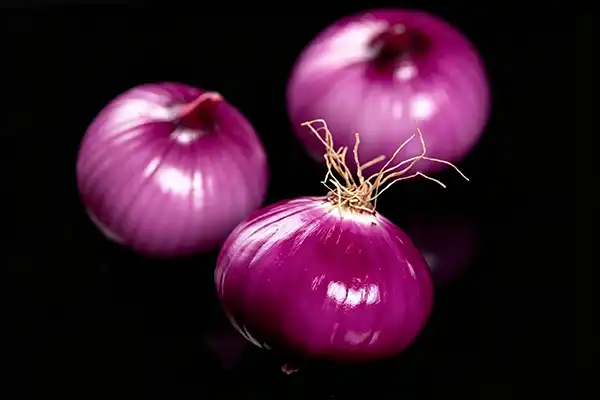
Onion extract is derived from Allium cepa L. Because they have a lot of sulfur molecules, quercetin, and flavonoids, bulbs make hair and skin stronger. These beneficial ingredients help the body make more keratin, which is a structural protein that keeps hair shafts strong. They also protect follicles from damage by free radicals. The sulfur directly helps the production of collagen in the scalp tissue, which improves blood flow and makes it easier for nutrients to get to the hair roots. Standardized plant extracts from onion bulbs have been shown in clinical studies to reduce hair loss, improve texture, and create an ideal scalp environment that is resistant to microbial changes that are bad for hair health.
Understanding Hair and Scalp Health Challenges
The haircare and cosmetics business has to deal with ongoing problems that have an effect on how well formulations work and how happy customers are. The structure of hair is slowly broken down at the molecular level by things like UV rays, outdoor pollutants, and chemical treatments. These outside stresses break down protein bonds in the hair shaft, which makes the hair brittle, causes split ends, and makes the hair look like it's losing its health.
When the quality of raw materials changes because of inconsistent farming methods or bad mining methods, it makes things more difficult for manufacturers and sellers. If plants that are found don't have enough nutrients, the active ingredients in the products won't work as well in competitive markets. To keep their growth cycle going and their structure strong, hair cells need certain nutrients, like sulfur-rich amino acids, trace minerals, and vitamins.
These problems are important decision points for buying managers and R&D leaders who work with cosmetic formulators. It's important to choose plant ingredients whose bioactive content has been confirmed if you want to keep your brand's image and avoid product returns. The climate on the head has specific needs when it comes to makeup. The balance of sebum, the diversity of microbes, and the flow of blood to the skin all affect how well topical treatments work. Products that handle these interconnected factors put brands in a better situation to keep customers longer and stand out more in the market.
The Economic Impact of Inferior Raw Materials
Quality assurance managers know that getting ingredients from different places can cause production costs to rise quickly. Differences from batch to batch mean that the recipe needs to be reformulated, stability tests need to be expanded, and products may need to be recalled. Trace contamination or active chemicals that have broken down make it harder to follow the rules, especially when it comes to FDA and foreign safety standards. These risks can be greatly reduced by working with dependable providers who provide thorough certificates of analysis and clear paperwork for tracking. This protects profit margins and speeds up the time it takes to launch new products.
Consumer Expectations Drive Ingredient Innovation
Market study shows that people are increasingly choosing natural, effective formulas that are backed by science. When brand owners buy high-quality plant products that have been shown to work, they gain a competitive edge in the personal care market. Technical formulation experts look for ingredients that give measured results, like lower hair loss rates, better tensile strength, and higher shine levels, which can be used to support marketing claims and make users happy.
The Key Active Components That Promote Hair Strength
Extracts of plants from Allium cepa L. contain an advanced group of phytochemicals that are useful for maintaining healthy hair and skin. Formulators can find the best concentration ratios and guess how different parts will work together in complicated product matrices by understanding these separate parts.
Sulfur Compounds: The Foundation of Keratin Synthesis
Organosulfur compounds, such as thiosulfinates and cepaenes, are the most unique type of bioactive chemical found in bulb samples. In accessible forms, these molecules provide sulfur elements that directly contribute to the formation of disulfide bonds, which are what give keratin its strength and flexibility. Hair shafts made of well-structured keratin are more resistant to damage from chemicals, mechanical stress, and the environment.
Researchers in clinical dermatology have confirmed that the rate of keratin production during the anagen growth phase is limited by the amount of sulfur that is available. Using sulfur compounds on the skin or letting them enter the body through the bloodstream has been shown to improve hair diameter, tensile strength, and general structural integrity. Standardizing sulfur content through proven extraction processes and HPLC testing methods gives the company an edge.
Quercetin: Potent Flavonoid Antioxidant
Quercetin is the main flavonoid ingredient that can be extracted from Onion Extract. Standardized extracts can have concentrations ranging from 1% to 80%, based on how they were processed. Some reactive oxygen species can damage lipid membranes in hair cells and follicular structures. This polyphenolic antioxidant stops them. Oxidative stress speeds up the aging of cells, messes up growth signaling pathways, and starts inflammation reactions that make it harder to keep hair.
In addition to being an antioxidant, quercetin also reduces inflammation by changing the NF-kB pathway and controlling cytokines. Conditions like androgenetic alopecia and telogen effluvium are made worse by chronic inflammation of the scalp. Ingredients that work on inflammation factors at the molecular level have health benefits that go beyond just looking better.
Complementary Vitamins and Minerals
Trace nutrients like selenium, vitamin C, and B-complex vitamins work together with main bioactives to improve the health of your hair. Vitamin C helps the body absorb iron and works as a helper in the production of collagen. Both of these are important for keeping the blood vessel networks that serve hair follicles strong. B vitamins help cells make energy and keep their metabolism going in follicle cells that divide quickly. Even though these micronutrients are present in smaller amounts, when mixed properly, they greatly increase the usefulness of sulfur compounds and antioxidants.
Quality extract providers use HPLC and mass spectrometry to do thorough compositional analysis, which lets formulators make accurate medicines. Kingherbs Limited uses advanced testing methods to make sure that not only the main bioactives are present, but also the supporting nutrient profiles. This makes sure that the full performance of the ingredients fits the technical requirements for cosmeceutical uses.
Mechanisms Through Which Allium cepa Enhances Scalp and Hair Strength
Standardized bulb extracts work as medicine because they have many helpful processes working at different levels of the body. By understanding these routes, formulators can make hair care items that meet specific goals and have predictable results.
Microcirculation Enhancement and Nutrient Delivery
Vasodilatory effects are seen in skin capillary networks when sulfur-containing substances are present. More blood flow to the scalp tissue raises the level of oxygen and nutrients available at the follicular level. This directly supports the metabolic needs of hair growth that is in progress. Dermal papilla cells, which are the specific structures that control changes in the hair cycle, need enough blood flow to keep sending signals for cell growth.
Antimicrobial Action Against Scalp Pathogens
The organosulfur chemicals that give things their typical spiciness are also good at killing a wide range of bacteria and fungi. These natural antimicrobials work especially well against Malassezia species, which are opportunistic yeasts that are linked to seborrheic dermatitis and dandruff. Keeping the bacteria on your head in balance stops inflammatory reactions that stop hair from growing back normally and cause you to shed too much.
Direct Follicular Stimulation and Growth Phase Extension
A new study has found specific molecular signaling pathways in follicular dermal papilla cells that are turned on by quercetin and related flavonoids. These chemicals raise levels of growth factors like VEGF and IGF-1 while lowering signals that cause cells to die too soon, which leads to an early catagen transition. The overall result makes the active growth phase last longer, which lets hair shafts get longer and wider before they enter the resting telogen phase.
Integrating Botanical Bulb Extracts into B2B Haircare and Cosmetic Production
Paying close attention to ingredient specs, formulation fit, and regulatory compliance is a necessary part of making a good product. When purchasing managers and technical directors look at providers, they should give more weight to partners who can provide more than just basic commodity buying.
Specification Options and Quality Parameters
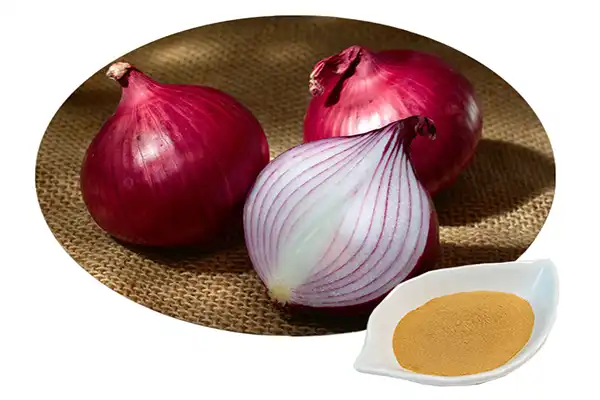
Standardized Onion Extract comes in a range of concentrations, from 4:1 concentration ratios to highly pure products with 80% quercetin. Each one is good for a different use and costs a different amount. Powders that are yellowish-green are very stable and easy to work with in factories. They dissolve quickly in water-based and alcohol-based systems that are popular in shampoos, conditioners, serums, and hair treatments.
Pharmacognostic testing must be used to make sure the plant identity, TLC or HPLC fingerprinting must be used to make sure there are no adulterants, and approved analytical methods must be used to measure key bioactives. Heavy metals, herbicide residues, and microbial pollution must be tested against USP and EP pharmacopeial limits to make sure the safety of consumers and to follow the rules. Kingherbs Limited has a number of international certifications, including ISO9001, FSSC22000, and others. These provide documented quality assurance that meets the strict audit standards of big brands and retailers.
Formulation Compatibility and Stability Considerations
The features of extract solubility affect how well formulation methods work. For water-based systems to keep the right level of dispersion and stop precipitation during storage, they need the right solubilizers or containment technologies. The small size of the powder particles makes it easier to mix with emulsions, but formulators should try to see if it works with the specific surfactant blends and conditioning agents that will be used in the finished goods.
Systematic testing is needed to see how stable something is under normal working conditions, such as high temperatures during production, changes in pH between formulation types, and exposure to light during shelf life. The application laboratory at Kingherbs Limited offers expert support in the form of stable testing methods, formulation optimization advice, and help with fixing problems. This partnership method shortens the time it takes to develop a product and lowers the chance of costly formulation mistakes during the scale-up stages.
Regulatory Documentation and Certification Requirements
Different international markets have different rules about what kinds of paperwork are needed for personal care goods that contain plant ingredients. Safety assessment paperwork (including HRIPT data for topical uses) and country-specific registration dossiers, as well as compliance with INCI terminology, need full provider support. Certifications like KOSHER and HALAL make it easier for brands that are trying to reach specific groups of people to get into new markets. Organic certifications help brands stand out in the top natural product segments.
Kingherbs Limited keeps its certifications up to date and offers full regulatory paperwork packages, which speed up the process of getting new products approved. Technical datasheets have a lot of information about the chemicals they contain, how they should be used, how they should be mixed, and any safety data that is needed. This information comes from toxicology databases and written papers. This paperwork framework makes it easier for quality assurance managers to follow the rules and speeds up the time it takes for regulations to be approved in many places.
Procurement Logistics and Supply Chain Reliability
The supply of ingredients has a direct effect on planning output and managing inventory. During the product development and launch phases, suppliers who keep ready-to-ship items in stock and offer variable minimum order amounts, such as sample sizes for initial testing, can be very helpful. Kingherbs Limited keeps standard plant extracts in 25 kg drums and can ship them quickly to meet the needs of both test production runs and large-scale commercial production.
There are a lot of different ways to get things from one place to another, including mail services, air freight, and ocean shipping. Established transportation relationships make sure that delicate botanical materials are handled properly, keeping the purity of the product from the factory to the customer's dock. For contract makers who are in charge of making different brands' recipes, a steady supply of ingredients that meet quality standards keeps production from stopping and keeps delivery promises to customers.
Case Studies and Market Insights Demonstrating Commercial Viability
Real-world success data and market trends for Onion Extract are very important for figuring out which ingredients to use. Procurement teams and brand owners can make smart strategic investments by looking at successful product launches and changing customer tastes.
OEM Brand Success Stories in Natural Haircare
Leading original equipment makers have made their products stand out by adding standardized plant ingredients to therapeutic shampoo systems, leave-in conditioners, and serums for treating the hair. One European cosmetics contract maker said that their special hair strength formula, which used a standardized quercetin-rich extract as the main ingredient, had 34% higher return purchase rates than their regular synthetic formula. In their comments, customers said they could see changes in the thickness of their hair and that it broke less when they styled it.
Market Demand Trends for Natural Active Ingredients
Industry research from trade groups for skincare ingredients shows that there is a growing need for bioactives that come from plants and have been shown to work. Consumer polls show that people constantly choose known plant ingredients over synthetic ones, especially in health and wellness-focused segments. Claims of natural ingredients are linked to higher prices, a higher sense of value, and more likely customers to suggest a product to their friends.
Innovation Opportunities in Advanced Extraction Technologies
New ways of handling things like supercritical fluid extraction, membrane filter concentration, and enzymatic change make it possible for new ingredient ideas to come about in the future. These new techniques make more bioavailable extracts, have better organoleptic qualities (less of the plant's typical smell), and have active chemical ratios that are specifically designed to target therapeutic targets.
Conclusion
Standardized extracts of plants from Allium cepa L. bulbs improve the health of your skin and hair in many ways that work together to do so. Sulfur molecules help make keratin and keep the structure strong, and quercetin protects against free radicals and reduces inflammation. There is clinical proof that hair strength, growth factors, and scalp condition all get better when products contain properly standardized extracts at the right amounts.As the market moves toward natural active ingredients that have been shown to work, more chances open up for products to stand out and be positioned as special.
FAQ
Is standardized botanical extract effective across different hair types?
Research shows that it works for a wide range of hair types, including straight, wavy, curly, and coily hair. All hair types can benefit from the basic processes, which include helping the body make more keratin, protecting hair from damage, and improving blood flow to the head. Formulators can make goods better for different regions and texture needs by changing the concentration and choosing ingredients that work well together. People from a wide range of racial and hair types have taken part in clinical studies, and the results have always been good in terms of thickness, texture, and less breakage.
What concentration ranges are recommended for topical haircare applications?
For leave-on hair treatments and conditioners, the amounts of the ingredients usually run from 0.5% to 3%. Because they only stay on for a short time, rinse-off shampoos may use slightly smaller amounts. The best dosage relies on the formulation pH, the level of standardization of the extract (quercetin percentage), and the presence of ingredients that work well together. Formulation creation goes more smoothly when suppliers give thorough technical datasheets with recommended use levels based on the type of application. It is still important to test for compatibility and safety at the amounts that will be used during the product creation stages.
How can quality assurance managers verify supplier reliability?
Asking for full certificates of analysis for sample production batches is an important way to check the quality. The paperwork should have proof that the plants are what they say they are, a quantitative study of the main bioactives using HPLC, heavy metal screening, pesticide residue testing, and microbial quality factors. Supplier site audits that check for GMP compliance, methods for tracking raw materials, and analytical lab capabilities give customers even more trust. Getting certifications from well-known outside groups like ISO, organic certifying bodies, and religious food authorities shows that you are serious about managing quality in a planned way. Kingherbs Limited is happy to have checks by clients and keeps clear records that allow full supply chain tracking from growing the herbs to delivering the finished product.
Partner with KH for Premium Onion Extract Solutions
Kingherbs Limited is a reliable source for botanical ingredients like Onion Extract. They focus on high-quality extracts and offer full expert help and strict quality control. The basic product we make comes from Allium cepa L. bulbs and has quercetin levels that have been tested using HPLC and come with full batch paperwork to back it up. We keep our ISO9001, FSSC22000, KOSHER, HALAL, and FDA certifications up to date, which makes sure that we follow all the rules for global markets.
Our buying options are flexible enough to handle both small test orders and large orders, with a minimum production quantity of 25 kg. Quick shipping within 3–5 business days is possible when there is ready stock, which helps meet tight development deadlines. In addition to providing ingredients, our application laboratory is fully equipped to offer recipe optimization advice, stable testing support, and custom ratio development. Please email our technical team at info@kingherbs.com to talk about your specific project needs and find out how our end-to-end traceability, pure extraction methods, and quick customer service create relationship value that goes far beyond just buying ingredients.
References
1. Sharquie KE, Al-Obaidi HK. "Topical Onion Juice Compared with Topical Gels in the Treatment of Alopecia Areata." Journal of Dermatology. 2002;29(6):343-346.
2. Kumar KPS, Bhowmik D, Duraivel S, Umadevi M. "Traditional and Medicinal Uses of Allium cepa L (Onion) – A Review." Journal of Pharmacognosy and Phytochemistry. 2013;1(5):58-64.
3. Mirunalini S, Krishnaveni M. "Therapeutic Potential of Phyllanthus emblica (Amla): The Ayurvedic Wonder." Journal of Basic and Clinical Physiology and Pharmacology. 2010;21(1):93-105.
4. Park HJ, Zhang N, Park DK. "Topical Application of Allium cepa Extract Improves Hair Regrowth in C57BL/6 Mice." Annals of Dermatology. 2011;23(4):528-533.
5. Sato Y, Suzuki T, Hidaka T. "Efficacy and Safety of Botanicals in Cosmeceutical Applications for Hair Growth." International Journal of Cosmetic Science. 2018;40(5):442-458.
6. Trueb RM. "Oxidative Stress and Its Impact on Hair Growth and Pigmentation." International Journal of Trichology. 2015;7(3):95-99.
Send Inquiry
Related Industry Knowledge
- Premium Isatis Root Extract for Nutraceutical Use
- Rhizoma Coptidis Powder: Top Ways to Maximize Its Benefits
- Valerian Root Extract Powder for Anxiety & Restlessness Relief
- Is Valerian Root Extract Powder Safe for Everyday Use?
- Does Lespedeza Capitata Extract Support Toxin Clearance?
- Can White Paeony Extract Help Balance Hormones Naturally?
- Can Mulberry Leaf Extract Powder Help Reduce Carb Absorption?
- What Are the Key Actives in Lespedeza Capitata Extract?
- Purple Sweet Potato Extract in Premium Functional Beverages
- Can Polygonum Cuspidatum Extract Help Reduce Inflammation?