_1762508637542.webp)
Can Lotus Leaf Extract Support Healthy Metabolism?
Jul 30, 2026
Lotus Leaf Extract can effectively support healthy metabolism through its standardized bioactive alkaloids, particularly nuciferine, and flavonoids. Derived from Nelumbo nucifera leaves, this botanical ingredient inhibits pancreatic lipase and amylase enzymes, reducing fat and carbohydrate absorption while simultaneously promoting lipolysis in adipose tissue. Clinical research demonstrates that nuciferine concentrations between 2% and 10% optimize fat oxidation and energy expenditure, making this extract a scientifically validated metabolic modulator suitable for dietary supplement formulations and functional foods.
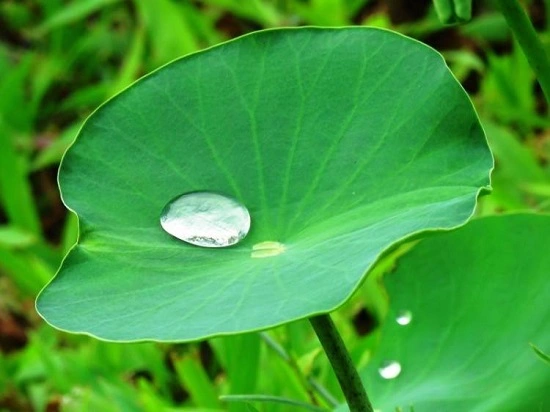
Understanding Lotus Leaf Extract and Its Role in Metabolism
Botanical extracts are now an important part of the nutrition business. The leaf extract from Nelumbo nucifera Gaertn is particularly good at changing metabolism. This holy plant has been grown for hundreds of years all over Asia. It is turned into a concentrated brown powder using advanced solvent extraction methods that keep the plant's active ingredients.
The Science Behind Metabolic Support
Metabolic health rests on how well your body uses fat, burns calories, and processes nutrients. There are several ways that the bioactive chemicals in Lotus Leaf Extracts can change these processes. Studies that have been published in scientific journals show that alkaloids in this plant material work with enzymes that break down fats and starches in food. Lower pancreatic lipase activity lowers the absorption of triglycerides in the intestines, which means that fewer calories are taken in from fatty foods. At the same time, the flavonoid content of the extract—which is usually between 5% and 10% in standardized forms—improves mitochondrial function in cells, which speeds up the process by which the body turns stored fat into energy.
Bioactive Compound Profile
Knowing the chemical makeup helps people who buy things judge the quality of the ingredients and the potential of new recipes. Standardized extracts usually have the following:
- Alkaloid Content: Nuciferine is the main marker chemical, and its amounts are checked using HPLC. KH's standard ranges from 1% to 98%, so formulators can choose the amount of potency that best fits the needs of their product. This alkaloid has thermogenic effects, which means it slightly raises body temperature to help burn calories faster when you're at rest or working out.
- Flavonoid Complex: Quercetin derivatives and catechins help protect cells from damage and keep blood vessels healthy. These polyphenols also make insulin receptors more sensitive, which makes glucose uptake more efficient and lowers blood sugar swings that cause signals to store fat.
- Ratio Extracts: The 4:1 and 10:1 concentration options give formulators a choice of how to balance the strength of the ingredient with its taste and smell. A 10:1 ratio means that 10 kg of fresh leaves make 1 kg of finished extract. This means that smaller serving sizes of concentrated bioactivity are available.
Comparison with Alternative Metabolic Extracts
When making formulas to help with weight loss or metabolism, product makers often look at more than one botanical choice. Green tea extract, garcinia cambogia, and Lotus Leaf Extract all work in different ways and appeal to different types of people. The EGCG in green tea has strong warming benefits, but people who are sensitive to caffeine may feel jittery after drinking it. The hydroxycitric acid in garcinia stops the production of fat, but the effects on humans have been mixed in different studies. Lotus Leaf Extract blocks lipids and burns fat without stimulating the central nervous system. This makes it ideal for a wider range of people, including those who don't want to use drugs. The lack of caffeine also keeps thermogenic supplements from making it hard to sleep, which is a common problem that thermogenic supplement users have.
Safe and Effective Usage of Lotus Leaf Extract
To turn scientific ideas into market goods, you need to know the best safety profiles and application factors. When adding this ingredient, procurement managers and R&D leaders need to think about dosage amounts, delivery forms, and legal compliance.
Recommended Dosage Parameters
In clinical trials that look at metabolic effects, people are usually given between 300 mg and 1,200 mg of a standardized extract that has 2% to 10% nuciferine every day. Lower doses, around 300 mg, work well for maintenance products or those that combine several ingredients that work well together. Higher amounts, around 1,200 mg, are used in weight loss products that aim to change the metabolism in a big way. The extract has dose-dependent effects, which means that the effects get stronger as the dose goes up up to a certain point. Using HPLC and UV spectroscopy to check batch-to-batch uniformity is part of quality assurance processes. This makes sure that every production run produces bioactivity levels that can be predicted.
Delivery Format Considerations
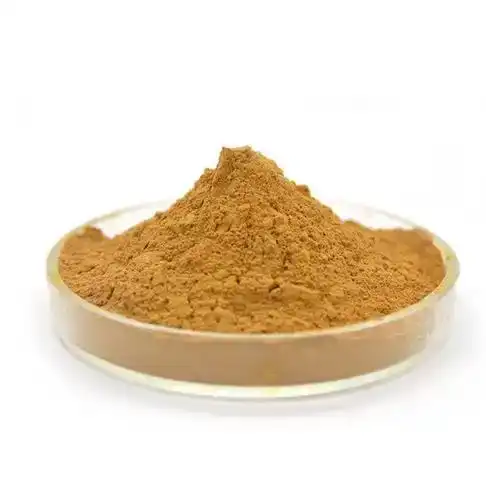
Fine brown powder can be used in a lot of different product types. Encapsulation allows for exact dosage and hides the natural herbal taste, which appeals to people who want an easy way to take supplements. Because the powder doesn't absorb water easily, it stays stable over time in hard gelatin or vegetarian pills. Tablets can be compressed with the right excipients, but formulators should take into account that the extract is brown when they are planning how the product will look. Water-soluble grades are used in beverage applications and can be added to functional teas, ready-to-drink metabolism boosts, and powdered drink mixes. Because the extract is stable at temperatures up to 120°C, it can be pasteurized and used in normal beverage processing without the active chemicals breaking down. Using natural sweeteners or matching plants to hide the taste of liquids makes them more acceptable to consumers.
Safety Profile and Contraindications
The botanical extract has a good safety profile when used in the amounts that are recommended. As the body gets used to the new ways it absorbs nutrients, mild stomach effects may happen at first. People who are taking diabetes medicines should talk to their doctors because the extract may require dosage changes because it affects glucose metabolism. Women who are pregnant or nursing should not take metabolic modulating vitamins until more safety studies have been done on these groups. The way the extract stops lipase works is very different from how drugs work, so it doesn't have many of the bad effects that come with manmade chemicals. Heavy metal testing that shows arsenic below 1ppm and lead below 2ppm makes sure that the ingredients are free of contaminants and meet international safety standards.
Regulatory Compliance and Certifications
To get into global markets, you have to follow a lot of different rules. These needs are fully met by KH's certificates, which include ISO9001, FSSC22000, KOSHER, HALAL, HACCP, and FDA registration. FSSC22000 certification shows that food safety management systems meet international standards, which is very important for ingredient suppliers that work with big manufacturers. The KOSHER and HALAL certifications help businesses reach more people who have to follow religious dietary rules. These validations by a third party lower the risk of buying by making sure that manufacturing practices match quality standards before a partnership is formed.
Lotus Leaf Extract for Skin and Additional Health Benefits
Metabolic support is what drives primary market demand, but this botanical ingredient has extra benefits that help position the product and make it more appealing to consumers. R&D teams can use these qualities that can be used for more than one thing to make formulas that are unique.
Antioxidant Properties and Skin Health
Damage from free radicals speeds up the ageing process, which affects both health and looks. Flavonoids in Lotus Leaf Extracts remove reactive oxygen species, which protects cell structures from oxidative stress. This ingredient is used in anti-aging serums, protective day creams, and soothing after-sun products by cosmetic formulators. Topical treatments give antioxidants directly to skin tissues, while taking supplements protects the whole body, which shows up as clearer, more elastic, and toned skin. Combining internal and external uses seems to have synergistic benefits, which is something to think about for companies that make beauty and health products that go together.
Cardiovascular and Anti-Inflammatory Effects
Cardiovascular health and metabolic health are closely linked. The extract helps keep cholesterol levels healthy by lowering the absorption of dietary cholesterol in the gut and increasing the clearance of LDL particles by the liver. Flavonoids make endothelial cells work better, which helps blood vessels stay flexible and adapt to changing circulation needs. These cardiovascular effects are boosted by anti-inflammatory processes, since prolonged inflammation leads to the buildup of arterial plaque and the worsening of metabolic syndrome. When marketing to health-conscious people who want full metabolic support instead of just weight loss claims, marketing materials can stress these holistic wellness aspects.
Digestive Balance and Liver Function
For hundreds of years, traditional medicine has used Lotus Leaf to help digestion, and new research backs up these uses. The extract's astringent features tighten gut tissues, which might help with rare loose stools or problems with intestinal permeability. Early research suggests that it may have hepatoprotective properties, with bioactive compounds helping the liver's detoxification pathways and shielding hepatocytes from oxidative damage. Because of these other benefits, the ingredient is a good choice for cleanse formulas, liver support pills, and full metabolic health plans that focus on many organ systems.
How to Choose the Right Lotus Leaf Extract Supplier for Global Procurement
Choosing supply partners is one of the most important choices that affects the quality of the product, compliance with regulations, and the survival of the business. When evaluating potential suppliers, procurement managers need to look at a number of factors.
Extraction Technology and Purity Standards
The quality and safety of the end product are determined by advanced extraction methods. KH uses only pure water and food-grade ethanol to extract its products instead of hexane and other solvents made from petroleum, which leave behind harmful chemicals. Using this natural method of extraction makes ingredients that are consistent in colour, dissolve quickly, and have a clean sensory profile. The company's controlled extraction parameters protect heat-sensitive compounds while getting rid of unwanted plant materials, waxes, and chlorophyll that would hurt the look and bioavailability of the product. Spray-drying technology turns liquid extracts into fine powders with the right range of particle sizes, which makes them easier to work with when encapsulating and mixing.
Traceability and Raw Material Sourcing
Transparency in the supply chain starts with growing the plants. KH works with well-established planting bases that carefully watch over agronomic practices like choosing the right varieties, taking care of the land, and when to gather. This upstream control makes sure that the plants are real and stops the substitution of related but less desirable species. When you harvest has a big effect on the amounts of active ingredients, and expert growers know what the best signs of maturity are. Batch-level paperwork connects each production lot to a specific harvest time and place of birth, which helps with quality reviews and regulatory submissions. With this end-to-end traceability, regulators can keep a closer eye on the authenticity of Lotus Leaf Extract botanical ingredients and the risk of contamination.
Testing Protocols and Quality Assurance
Comprehensive scientific testing tells the difference between high-end sources and low-end providers. Microscopy and thin-layer chromatography are used to prove the identity of each output batch. HPLC analysis measures marker compounds and makes sure they meet the requirements for nuciferine and total flavonoids. Microbiological testing shows that there are no pathogenic organisms and that the overall plate numbers are good. With ICP-MS, heavy metal levels of lead, arsenic, cadmium, and mercury are confirmed to be below the limits set by the pharmaceutical industry. Pesticide screening panels look for traces of agricultural chemicals that might still be there after being washed and processed. These strict quality control measures protect the image of the brand and make sure that goods meet the rules in the markets where they are sold.
Supply Chain Reliability and Logistics Capabilities
Consistent availability of ingredients is needed to keep manufacturing going. KH keeps a ready-to-ship inventory of frequently requested grades, so normal orders can be sent out quickly—within three to five business days. This approach for keeping goods on hand keeps production from being held up when formulas need to be changed quickly or when demand suddenly rises. The company's operations network works with a variety of shipping methods, including courier services for samples, air freight for packages that need to get there quickly, and ocean freight for large orders, which saves the company the most money possible. Cross-border transactions go smoothly when people know how to handle international shipping rules, customs paperwork, and, if needed, the cold chain. Minimum order quantities that start at sample sizes let you do a full evaluation before committing to commercial volumes, which lowers the risk of procurement.
Technical Support and Formulation Assistance
When ingredient suppliers offer technical collaboration, they add value that goes beyond the price of the raw materials. Formulation optimisation help is available at KH's application laboratory, which helps clients reach their goal potencies while keeping stable throughout the shelf life. Compatibility testing finds any possible reactions between the extract and other parts of the recipe that could cause precipitation, discolouration, or loss of activity. Studies of stability under fast conditions can predict how something will work in the long term, which helps with choosing the right packaging and storing it. This way of working together technically is especially helpful for smaller brands and contract manufacturers who don't have a lot of R&D resources in-house. Each batch comes with a clear component spectrum and a detailed HPLC report. This gives quality assurance teams the analytical data they need to make decisions about regulatory compliance and production release.
Conclusion
The metabolic support properties of Lotus Leaf Extract put this plant-based ingredient in a good place in the growing weight control and functional food markets. Standardized extracts offer predictable bioactivity through proven mechanisms, making them a good choice for procurement professionals looking for natural, evidence-based alternatives to synthetic compounds. The ingredient's many uses, including improving heart health, protecting against free radicals, and improving digestive health, make formulations more flexible and increase consumer appeal. To make your product stand out in the global market and follow all the rules, you need to choose suppliers that can provide great extraction, strict quality control, supply chain reliability, and technical partnership capabilities.
FAQ
1. Is long-term consumption of nelumbo leaf extract safe for daily use?
According to research, the extract is safe to use for a long time as long as the recommended dosage levels are followed. After twelve weeks of clinical studies, there were only a few negative effects, primarily mild changes in the digestive system. The botanical ingredient is different from pharmaceutical interventions because it works by gently changing the metabolism instead of using harsh methods. People should follow the directions on the product label and talk to their doctors if they are also taking medicines that affect glucose or lipid metabolism.
2. How do powder and capsule forms compare in effectiveness?
When taken with enough water, both types of transport give the same absorption. Capsules make doses accurate and easy, but they hide the natural plant taste of the extract. Powders make dosing more flexible and make it easier to mix them into drinks or smoothies. Because they have moisture walls, encapsulated goods are more stable in damp places. The best format relies on what the target customer wants and how the product is positioned, not on changes in bioactivity.
3. How does this extract compare to green tea for metabolism support?
These plants use mechanisms that work together. Caffeine and EGCG in green tea speed up metabolism, and Lotus Leaf Extract stops nutrients from being absorbed and speeds up fat breakdown without affecting the central nervous system. People who are allergic to caffeine can handle the Lotus Leaf Extract choice better. Formulations that use both ingredients together use synergistic pathways, which may have a bigger effect on metabolism than formulas that only use one ingredient.
Partner with KH for Premium Lotus Leaf Extract Supply
Global buyers of ingredients who want to find reliable botanical suppliers should carefully look at the suppliers' production capabilities, quality control systems, and technical support systems. Since 1996, KH has been making and selling botanical extracts, vitamins, minerals, and amino acids. They have built strong supply lines that serve dietary supplement brands, nutraceutical companies, and pharmaceutical companies all over the world. Our standardized Nelumbo nucifera leaf extract has consistent potency that has been confirmed by HPLC testing. It comes in a range of specifications, from 4:1 ratio extracts to 98% nuciferine concentrations, so it can be used in a wide range of formulations.
We control quality from planting to final packaging by working with certified planting bases that make sure the authenticity of the plants and the best time to harvest them. Our natural extraction methods, which use water and food-grade ethanol, don't leave behind any liquid waste and keep the bioactive chemicals. Full certificates like ISO9001, FSSC22000, KOSHER, HALAL, and HACCP meet world rules and make it easier to get into markets in different areas.
As a reliable Lotus Leaf Extract manufacturer, we keep a lot of stock on hand so that we can send samples quickly and commercial shipments in days instead of weeks. Our minimum order freedom lets you do initial tests before buying in bulk, and our application laboratory helps you turn the properties of ingredients into successful finished goods through formulation optimisation. Email our team at info@kingherbs.com to get samples, technical information, or to talk about creating unique extraction parameters that fit the needs of your project.
References
1. Chen, Y., Zhang, H., Li, Y. X., & Wu, Y. T. (2015). Pharmacological activities and mechanisms of action of Nelumbo nucifera alkaloids. Journal of Medicinal Plant Research, 9(42), 1373-1382.
2. Ono, Y., Hattori, E., Fukaya, Y., Imai, S., & Ohizumi, Y. (2006). Anti-obesity effect of Nelumbo nucifera leaves extract in mice and rats. Journal of Ethnopharmacology, 106(2), 238-244.
3. Siegner, R., Heuser, S., Holtzmann, U., Söhle, J., & Schepky, A. (2010). Lotus leaf extract and L-carnitine influence different processes during the adipocyte life cycle. Nutrition & Metabolism, 7(1), 66.
4. Velussi, M., Cernigoi, A. M., Viezzoli, L., Dapas, F., Caffau, C., & Zilli, M. (1993). Long-term (12 months) treatment with an antioxidant drug (silymarin) is effective on hyperinsulinemia, exogenous insulin need and malondialdehyde levels in cirrhotic diabetic patients. Journal of Hepatology, 18(3), 394-398.
5. Mukherjee, P. K., Mukherjee, D., Maji, A. K., Rai, S., & Heinrich, M. (2009). The sacred lotus (Nelumbo nucifera)—phytochemical and therapeutic profile. Journal of Pharmacy and Pharmacology, 61(4), 407-422.
6. Liu, S., Li, D., Huang, B., Chen, Y., Lu, X., & Wang, Y. (2013). Inhibition of pancreatic lipase, α-glucosidase, α-amylase, and hypolipidemic effects of the total flavonoids from Nelumbo nucifera leaves. Journal of Ethnopharmacology, 149(1), 263-269.
Send Inquiry
Related Industry Knowledge
- How is Pure Artemisinin Powder extracted and standardized for purity?
- How to Identify Premium Bacopa Monnieri Extract Powder?
- Cold-Pressed Organic Sea Buckthorn Seed Oil Guide
- High-Purity Isatis Root Extract for Supplements
- Macleaya Cordata Extract for Natural Gut Health Solutions
- White Paeony Extract Powder: Choosing Quality Raw Material
- Purple Sweet Potato Extract for High-Value Antioxidant Formulas
- Valerian Root Extract Powder Benefits for Sleep & Stress Relief
- What Are the Key Nutrients in Purple Sweet Potato Extract?
- How Lespedeza Capitata Extract Supports Renal Filtration?