_1762508637542.webp)
Jerusalem Artichoke Extract Quality Standards You Should Know
Jul 31, 2026
When sourcing botanical ingredients for your formulations, understanding quality benchmarks is non-negotiable. Jerusalem Artichoke Extract, derived from the tubers of Helianthus tuberosus Linn., has gained significant traction in nutraceutical and functional food applications due to its high inulin content—typically ranging from 90% to 95%. This prebiotic fiber offers digestive health support, metabolic benefits, and clean-label appeal. However, not all extracts meet the rigorous standards required for commercial-grade formulations. Variability in extraction methods, raw material sourcing, and testing protocols directly impacts efficacy, safety, and regulatory compliance. Procurement managers, R&D directors, and quality assurance professionals must navigate these complexities to secure ingredients that deliver consistent performance and traceability.
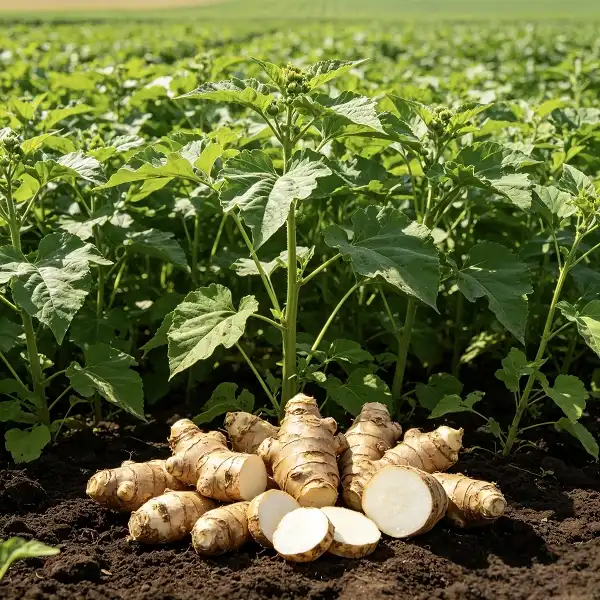
Understanding Jerusalem Artichoke Extract and Its Quality Parameters
Because it comes from plants and was processed in a certain way, Jerusalem Artichoke Extract looks like a fine white to yellowish powder. Helianthus tuberosus is the plant source. It is a sunflower and does well in a wide range of temperatures, so it can be grown in both organic and traditional ways. Quality starts on the farm, where the bioactive compounds are concentrated based on the type of soil, when the potatoes are harvested, and which ones are chosen.
Inulin Content: The Primary Quality Marker
Inulin is the most important thing for judging quality. High-performance liquid chromatography (HPLC) tests confirm the amount of inulin present. Premium grades have 90% to 95% inulin. Degree of polymerisation (DP) can be anywhere from 2 to 60, and it affects how well the prebiotic works, how quickly it ferments, and how well it dissolves. When compared to shorter-chain fructooligosaccharides, products with higher DP values tend to produce more stable fermentation in the distal colon, which lowers stomach pain.
Physical and Chemical Parameters
Inulin isn't the only quality sign that needs your attention. To stop microbes from growing and keep the food stable on the shelf, the moisture level should stay below 5%. Ash content, which is usually less than 2%, shows how pure the minerals are and how well they were extracted. If the colour is constant and ranges from white to pale yellow, it means that the material has dried properly and there is no rusting. Water-soluble extracts dissolve more than 95% of the time at 60°C, which is important for use in drinks and supplements.
Microbiological Safety and Purity
Microbiological testing makes sure that both food and health supplements are safe. Plate numbers must stay below 1,000 CFU/g, and counts for yeast and mould must not go over 100 CFU/g. Not having pathogens like E. coli, Salmonella, and Staphylococcus aureus must not be present. Heavy metal testing for cadmium, lead, arsenic, mercury, and mercury must meet USP and EP guidelines. Lead levels must be below 2 ppm and arsenic levels must be below 1 ppm.
Certification Standards
Quality management systems are proven by certificates that are accepted by the industry. As ISO9001 confirms, quality control is done in a planned way, and FSSC22000 looks at food safety throughout the supply chain. Certifications like KOSHER and HALAL make the market more accessible for certain types of customers. Implementing HACCP helps find important control points during production, and FDA registration proves agreement with rules for entering the US market. These certificates show that a seller is committed to open and verifiable processes.
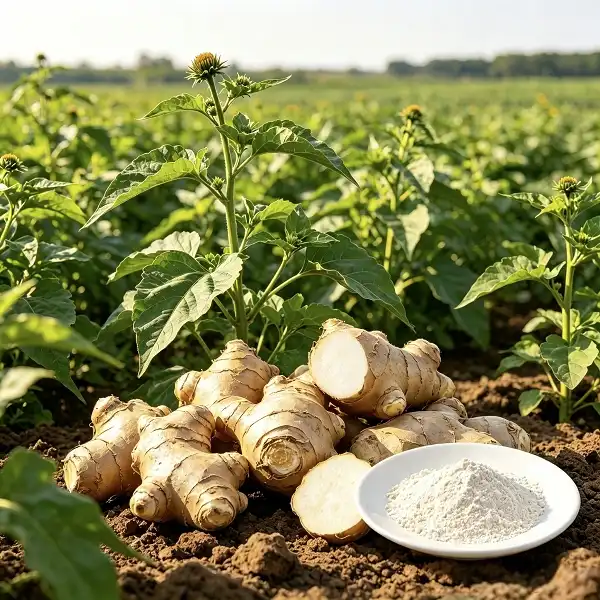
Dimensional Analysis of Jerusalem Artichoke Extract Quality Standards
When judging quality, there are more than just a few parameters to look at. There are many interconnected factors that affect the overall integrity of the product. An ingredient's ability to meet commercial needs is based on its extraction method, formulation type, and strict quality control protocols for Jerusalem Artichoke Extract.
Extraction Methods and Active Ingredient Retention
Traditional hot water extraction doesn't use any solvents, so the original features of the compounds are kept. But controlling the temperature is very important, because too much heat (above 140°C) can break down inulin and make prebiotics less useful. Controlled chemical hydrolysis or membrane filtration are used in modern extraction methods to improve purity while keeping bioactivity. Ethanol-based extraction gets rid of useless colours and lowers the number of microbes present, making the powders lighter in colour and better at dissolving. Choosing one of these ways changes not only the amount of inulin present, but also the presence of secondary metabolites such as minerals and phenolic substances that help the plant's antioxidant qualities.
Kingherbs Limited only uses pure water or edible ethanol for extraction. This gets rid of any harmful solvent residues that could hurt safety or the clean label position. This method guarantees quick dissolution and pure colour characteristics that show the quality of the real raw material.
Powder Versus Liquid Forms: Stability Considerations
Powder extracts are most common in business-to-business (B2B) uses because they are more stable, last longer, and are easier to ship. Because inulin-rich powders absorb water easily, they need to be packed in moisture-barrier containers, which are usually 25 kg fibre drums with plastic covers, to keep them from clumping and getting microbes on them while they are being stored and shipped. Even though liquid extracts dissolve quickly, they are hard to keep microbiologically stable without preservatives, which limits how they can be used in clean-label formulations.
Additionally, powder forms offer a range of ratio extracts (4:1 and 10:1) along with normal inulin concentrations, which lets formulators combine cost concerns with functional needs. The ratio extract keeps all the different chemicals in the tuber, while standardised inulin isolates only look at how well they work as a prebiotic.
Organic Versus Conventional Sourcing Impact
Organic certification meets the growing demand from customers for ingredients that don't contain pesticides, but it also adds more quality control issues. Organic tubers must come from certified farms that can be tracked at every step of the supply chain. Organic extracts are more expensive, but conventional extracts that pass strict pesticide residue tests (in line with EU rules that say the highest residue limit for each ingredient must be less than 0.01 mg/kg) are just as safe and cost less.
Whether to use organic or conventional sources relies on the target market, the rules that apply, and the budget that is available. Both types must meet the same microbial and heavy metal standards. This makes sure that they are safe in general, no matter how they were grown.
Integrated Quality Control Throughout Production
Full quality control starts with making sure the raw materials are real by using plant identification and continues with keeping an eye on the extraction process to make sure the parameters are being met. Documentation at the batch level, such as HPLC chromatograms, microbiological licenses, and heavy metal screening records, makes it possible for regulatory bodies and quality assurance managers to track products. Before a final product is released, it is tested to make sure it meets all the requirements. Samples are kept for future use.
Kingherbs Limited has full control over the whole process, from the seeds to the finished product, thanks to relationships with good growing bases. Precise variety choice, soil management, and optimising harvest timing all work together to make sure that the active ingredient profiles are always the same. This gets rid of the problems that come up with less integrated supply chains when raw material changes happen.
Comparing Jerusalem Artichoke Extract with Other Prebiotic Ingredients
Different prebiotic sources are available to B2B buyers who are making gut health goods. Figuring out how Jerusalem Artichoke Extract stacks up against other options can help formulators make better products at lower costs.
Chicory Root Extract: Structural Similarities and Differences
Inulin is the main prebiotic ingredient in both Jerusalem artichoke and chicory root products. Chicory-derived inulin usually has shorter average chain lengths (DP 2–20), which leads to faster fermentation rates that can make sensitive people feel very bloated. Because Jerusalem artichoke inulin has a branched-chain structure, fermentation often happens more slowly, which could lead to better tolerance profiles.
Both still have to meet the same quality standards, which include HPLC testing of the inulin amount, the same microbial safety standards, and heavy metal screening. But Jerusalem Artichoke Extract also contains minerals like potassium and iron, which add to its nutritional value beyond its prebiotic properties.
Fructooligosaccharides (FOS): Dosage and Efficacy Considerations
When compared to longer-chain inulin (8–15g daily), short-chain FOS (DP 2-10) comes from enzymes that break down sucrose or is extracted from plants and has prebiotic effects at lower doses (2–5g daily). Jerusalem Artichoke Extract with a variety of DP ranges provides both immediate and long-lasting prebiotic action, helping a wide range of gut bacteria populations.
The quality grades are very different. Pharmaceutical-grade FOS need to be 95% pure and meet strict requirements for monosaccharide content, while food-grade Jerusalem Artichoke Extract can have a slightly wider range of compositions. Standardisation at the pharmaceutical grade is needed for clinical applications that aim for specific health results, but standardisation at the food grade level is enough for general wellness goods to work well.
Synbiotic Formulations: Probiotic Compatibility
Colonisation and metabolic function are improved when Jerusalem Artichoke Extract is mixed with probiotic strains. Properly dried powder extracts have low water activity, which keeps probiotics alive during storage. This solves a typical problem with the stability of synbiotic goods. When thinking about quality, you should also make sure that the moisture level stays below 4% so that the probiotics don't break down and that there are no extraction leftovers that could stop bacteria from growing.
Formulators of medical-grade gastrointestinal supplements should choose extracts that have been tested for probiotic compatibility. This makes sure that the extracts work with the probiotics instead of against them. This level of technical documentation tells the difference between high-end suppliers and low-end suppliers.
Procurement Best Practices for High-Quality Jerusalem Artichoke Extract
To get a steady supply of ingredients, you need to carefully evaluate your suppliers, make smart buying choices, and plan your processes in a way that keeps the identity of your products for Jerusalem Artichoke Extract.
Supplier Verification and Certification Assessment
First, make sure that the certifications you have meet the needs of your business. In the US, dietary supplement brands need facilities that are registered with the FDA. In Europe, on the other hand, organic certification is more important because of EC rules. Ask for copies of current certifications and check their accuracy with the organisations that issued them. In addition to self-reported documentation, audit reports from third-party inspection firms give objective assessments of quality systems.
Referrals from clients can tell you a lot about how well a supplier does in terms of shipping reliability, technical help responsiveness, and batch consistency. Procurement managers should call several references and ask especially about how non-conforming materials were handled and how quickly corrective actions were taken.
Bulk Purchasing Considerations and Price Benchmarks
For bulk orders of 500 kg or more, commercial-grade Jerusalem Artichoke Extract (90% inulin) usually costs between $15 and $35 per kilogram. The price depends on the type of certification, the amount of the order, and the state of the market. Certified organic ingredients are 30–50% more expensive than regular ones. Because they are easier to process, ratio extracts (4:1 and 10:1) usually cost less than standardised inulin concentrations.
There are different minimum order quantities. For example, Kingherbs Limited, an established supplier, will take sample orders and small trial quantities before moving on to larger commercial quantities (a minimum of 25 kg for regular orders). This gives buyers more options, which lowers the risk of buying from new companies or trying whether two formulas will work together.
Logistics and Product Integrity During Transportation
Because inulin absorbs water, it needs to be shipped in climate-controlled containers and in packaging that keeps moisture out. For small packages (1–5 kg), courier services work best. For large orders, ocean freight is the most cost-effective option, even though it takes longer to get there. For mid-sized items that need to be delivered quickly, air freight is the best way to balance speed and cost.
Changes in temperature during shipping can make the product wetter, which can help microbes grow and cause it to clump. Ask sellers to give you details on how to package the goods and information on how stable they are to support the transportation methods you choose. Adding more desiccant and speeding up transportation are good for summer packages going to humid places.
Organic Versus Conventional: Cost-Benefit Analysis
Think about the total cost of ownership as well as price differences. Organic extracts make marketing claims easier to understand and reach more high-end customers who are willing to pay more to cover the higher costs of the ingredients. However, conventional extracts that meet strict quality standards work just as well in situations where organic certification doesn't give much of a market advantage.
This choice is also affected by the rules that apply. Products that are aimed at mainstream grocery stores might not need to be organic, but natural health stores are starting to expect all ingredients to be certified organic.
Ensuring Consistent Quality: Case Studies and Real-World Applications
Implementation cases that show how quality standards affect product performance and business results in the real world give theoretical quality standards more meaning for Jerusalem Artichoke Extract.
European OEM Success: Quality Optimization Results
Customers were unhappy with a European contract maker that made gut health products because the prebiotics and dissolution rates varied from batch to batch. An investigation showed that their current supplier didn't use standardised extraction methods, which caused inulin DP levels to vary between 15 and 50 percent between batches.
These problems were fixed when the company switched to a source with written extraction rules (to keep DP 25-40 consistency) and full batch testing. Within six months, customer satisfaction rose by 34%, and return rates dropped from 8.2% to 1.7%. The slightly higher cost of ingredients ($2.80 per unit rise) was balanced out by less waste and a better image for the brand, which led to an increase in the net margin.
This case shows that quality stability has a direct effect on how the end user feels and how efficiently the business runs. Investing in high-quality foods that are closely inspected for quality gives measured returns that go beyond just comparing the costs of the ingredients.
Common Quality Challenges and Practical Solutions
Quality threats that don't go away include the chance of contamination during handling. Most microbial contamination comes from not drying enough (moisture levels above 6%) or bad packaging. Validated drying protocols with moisture checks before packaging, hermetically sealed packaging systems, and environmental monitoring in production areas are some solutions.
The different amounts of inulin are caused by different quality raw materials or changes in the parameters used for extraction. Reputable vendors deal with this by hiring farmers to grow their potatoes in a way that controls the type of potatoes that are harvested and how mature they are, along with keeping an eye on the whole process while they are being extracted. Instead of specification ranges, batch certificates should list actual tested values. This would make it clear what the real product composition is.
Heavy metal contamination can happen when roots are grown in grounds that are polluted or when they are handled with water that isn't clean. When a supplier is qualified, they should check that the growing areas have soil testing methods and that processing centers have water purification systems. Retesting these environmental inputs once a year makes sure that they are still in compliance.
Quality Standards Checklist for Procurement Decisions
When looking at possible sources, you should think about these important things:
- Documentation Requirements: Ask for batch papers that include allergen statements, microbial testing results, heavy metal screening, pesticide residue testing (for common sources), and HPLC inulin analysis. Check that the certificates you're given have real batch data on them instead of just general specs.
- Process Transparency: Suppliers should explain how the oil is extracted, how it is dried, and where quality control stops and starts. Not wanting to give process information could mean that there are problems with quality or with the way things are done.
- Traceability Systems: The finished extract must be able to be tracked back to specific tuber lots and growing locations. Strong traceability lets you act quickly if there are problems with the quality, and it shows that you have control over the supply chain.
- Technical Support Capabilities: Check to see if providers offer help with formulation, stability tests, and application problems. This is what makes expert partners different from transactional providers.
- Sample Accessibility: Reliable providers offer samples with detailed batch records, which lets you test formulations before making any business promises. Kingherbs Limited keeps samples in stock so they can be sent out quickly, within three to five business days. This cuts down on the time it takes to develop a new product.
- Regulatory Expertise: Suppliers should show that they know the rules that apply to the markets they want to sell to, such as USP/NF guides for US markets, EP standards for Europe, and country-specific rules for developing markets. This information keeps composition changes from being expensive during regulatory review.
Conclusion
Quality standards for Jerusalem Artichoke Extract cover a wide range of factors, from how the plants are grown to how the finished product is tested. Professionals in procurement have to look at the concentration and purity of inulin, as well as the method of extraction, the safety of microbes, the presence of heavy metals, and how well the approval matches the needs of target markets. Comparing this element to other prebiotic sources shows that it has unique molecular features that may improve tolerance profiles while still providing the same functional benefits. Effective sourcing plans combine the need for quality with costs, the ability to handle logistics, and the technical help provided by the provider. It has been shown in the real world that buying high-quality extracts that meet consistent standards pays off in the form of less waste, happier customers, and easier compliance with regulations. The checklist method makes sure that suppliers are evaluated in a structured way, which lowers the risks of procurement while ensuring that ingredients are found that improve formulation performance and market competitiveness.
FAQ
1. What inulin concentration should I specify for digestive health supplements?
Concentrations of 90% to 95% inulin are best for most gut health uses because they have the most prebiotic activity. This range gives effective dosing (8–12g per day) in capsule counts or serving sizes that make sense. Lower concentrations might need doses that are too big to be useful, and higher purity doesn't really help with anything and costs more.
2. How does extraction method affect product quality?
Water-based extraction keeps the natural patterns of compounds, but colour dyes may be left behind, which can change how the substance looks. Ethanol extraction makes powders that are lighter and more pure, but they need to be checked for residual solvents. Enzymatic ways get the most inulin out of the material while keeping the working conditions gentle. There are trade-offs between each method in terms of purity, cost, and "clean label" placement, and your recipe goals should be in line with these.
3. What certifications matter most for US market entry?
FDA facility registration shows that you know about the rules, and GMP approval shows that you've put in place a quality system. Organic certification (USDA) meets the needs of more and more consumers, and NSF or USP verification confirms the quality by a third party. The fact that Jerusalem Artichoke Extract is GRAS makes it easier to use in food, but it has been used safely for a long time.
Partner with KH for Premium Jerusalem Artichoke Extract Supply
Kingherbs Limited has been working with plant ingredients for more than 25 years and can help you with your manufacturing problems. Our Jerusalem Artichoke Extract meets strict quality standards all the way through the supply chain, from contracted planting bases that make sure the quality of the tubers stays the same to solvent-free extraction processes that make pure powders that dissolve quickly. Our quality control systems are approved in over 100 countries thanks to ISO9001, FSSC22000, KOSHER, HALAL, HACCP, and FDA approval. We accept sample orders and small trial quantities (with a commercial minimum of 25 kg), which lets suppliers be evaluated without risk before going to full production volumes. Ready stock guarantees fast shipping within 3–5 business days, which shortens the time it takes to develop your product. In addition to providing ingredients, our application laboratory also helps with formulating better, checking for stability, and fixing technology problems. We are more than just a provider; we are your expert partner. Email our team at info@kingherbs.com to talk about your specific needs, ask for batch paperwork, or set up a sample package from a reliable Jerusalem Artichoke Extract provider who cares about the success of your product.
References
1. Roberfroid, M. B. (2007). Inulin-Type Fructans: Functional Food Ingredients. Journal of Nutrition, 137(11), 2493S-2502S.
2. Mensink, M. A., Frijlink, H. W., van der Voort Maarschalk, K., & Hinrichs, W. L. (2015). Inulin, a flexible oligosaccharide: Review of its physicochemical characteristics. Carbohydrate Polymers, 130, 405-419.
3. Shoaib, M., Shehzad, A., Omar, M., Rakha, A., Raza, H., Sharif, H. R., & Niazi, S. (2016). Inulin: Properties, health benefits and food applications. Carbohydrate Polymers, 147, 444-454.
4. Kalyani Nair, K., Kharb, S., & Thompkinson, D. K. (2010). Inulin dietary fiber with functional and health attributes—A review. Food Reviews International, 26(2), 189-203.
5. Gibson, G. R., Hutkins, R., Sanders, M. E., Prescott, S. L., Reimer, R. A., & Salminen, S. J. (2017). Expert consensus document: The International Scientific Association for Probiotics and Prebiotics (ISAPP) consensus statement on the definition and scope of prebiotics. Nature Reviews Gastroenterology & Hepatology, 14(8), 491-502.
6. Patel, S., & Goyal, A. (2012). The current trends and future perspectives of prebiotics research: a review. 3 Biotech, 2(2), 115-125.
Send Inquiry

Related Industry Knowledge
- How to Import Angelica Officinalis Extract from Trusted Suppliers?
- White Willow Bark Extract Powder vs Salicin: What Should Buyers Know?
- Tongkat Ali Extract Powder Benefits for Athletic Performance
- Ivy Extract Powder: Is It Better Than Cough Syrup?
- Can Bitter Melon Extract Powder Improve Nutritional Formulations?
- How Does Rhizoma Coptidis Powder Improve Gut Health?
- Bacopa Monnieri Extract Powder Benefits You Should Know
- High-Purity Isatis Root Extract for Supplements
- What Is Couch Grass Rhizome Extract Used for in Herbal Health?
- Couch Grass Rhizome Extract: Traditional Detox Powerhouse