_1762508637542.webp)
Can Bitter Melon Extract Powder Improve Nutritional Formulations?
Jun 10, 2026
Bitter Melon Extract Powder from Momordica charantia can make nutritional mixes a lot better by adding consistent amounts of charantin, momordicin, and polypeptide-p, which are bioactive compounds that have been shown to support healthy glucose metabolism, antioxidant activity, and metabolic wellness. This concentrated ingredient has a consistent level of potency, can be stored for a long time, and can be used in a wide range of dietary supplements, functional foods, and nutraceutical products. This makes it a useful addition to product lines that aim to control blood sugar and improve overall health.
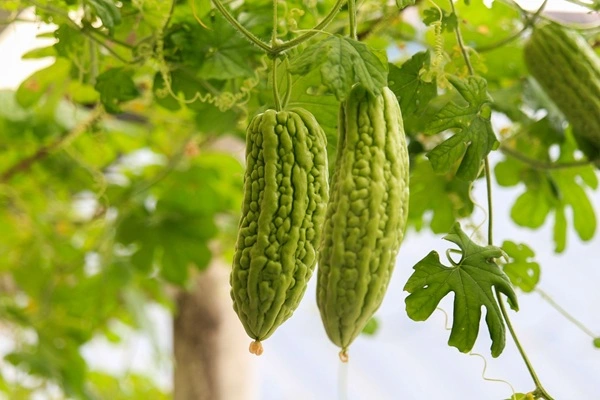
Understanding Bitter Melon Extract Powder and Its Nutritional Benefits
Bitter melon extract powder is a pure plant-based ingredient that comes from the fruit and leaves of Momordica charantia Linn., a tropical vine that grows in Africa, Asia, and Latin America. Our extract is made with either pure water or food-grade ethanol, so there are no dangerous solvents in the end product. The fine brown-yellow powder that is made keeps the plant's most helpful phytonutrients while getting rid of the strong bitterness that makes fresh bitter melon hard for people to eat.
Key Active Compounds and Their Functional Roles
This extract is good for you because it has three main bioactive ingredients. Charantin is a steroidal saponin complex that has insulin-like qualities that make it easier for cells to take in glucose. Its concentration is between 3% and 20% according to normal guidelines. Momordicin helps the body's metabolism work and gives the extract its typical bitter taste. Polypeptide-p, a plant-based insulin analogue, works with charantin to make the body more sensitive to insulin and support good blood sugar levels that are already in the normal range. In addition to these main ingredients, the extract also has vitamins, flavonoids, phenolic acids, and triterpenoids that all work together to make it an antioxidant. At the molecular level, these phytonutrients help fight oxidative stress, which supports good ageing and the viability of cells generally. The standard extraction method makes sure that each batch is the same. This is very important for formulators who need to make sure that the active ingredient content is correct for regulatory purposes and to support claims that the product works.
Research-Confirmed Health Benefits
Several health-benefiting effects have been shown in clinical and experimental tests. The extract shows a lot of promise for supporting good glucose metabolism in a number of ways, including making insulin receptors more sensitive, increasing glucose uptake in the peripheral tissues, and maybe even changing how much glucose is made in the liver. Because it looks at things from different angles, it's useful for formulas that aim to improve metabolic health. Antioxidant action is another benefit that has been proven by science. The extract's polyphenolic content has been shown to have a strong ability to remove free radicals in a lab test. This feature helps keep the heart healthy, the liver healthy, and the immune system working well. Weight management is a new area where the extract may be useful because it may help cut down on sugar cravings and make you feel full by changing how glucose is stored and how fast your metabolism works.
Our Bitter Melon Extract Powder specs give purchase managers clear information. The product comes in 25 kg drums as a fine powder and is tested with UV light to make sure it has the right amount of charantin. Comprehensive certificates like ISO9001, FSSC22000, KOSHER, HALAL, HACCP, and FDA licensing make sure of compliance in a wide range of legal settings, meeting the quality assurance needs of producers around the world.
Comparing Bitter Melon Extract Powder to Other Plant-Based Ingredients
When sourcing professionals are looking at different ingredient choices, they need to know how this pure extract is better than other types and competing plants. The comparison shows useful advantages that have a direct effect on the success of creation, the ease of the supply chain, and the performance of the product.
Powder Extract Versus Fresh Produce and Juice Formats
There are about 0.02-0.1% active chemicals in fresh bitter melon, so a lot of the fruit is needed to get effective doses. Standardized extract powder, on the other hand, concentrates these bioactives up to 200 times, which lets exact doses be done in small delivery forms. Because of this concentration benefit, capsules are smaller, formulations are less bulky, and final goods cost less to ship. Another important difference is shelf stability. Fresh food goes bad quickly and stops being useful within days, even if it's kept cool. Even though juices are more stable than whole fruits, they still need to be kept cold and with chemicals. Our extract powder stays effective for 24 months when kept in a cool, dry place. This gets rid of the need for cold chain operations and lowers the risk for producers of having too much inventory.
Organic Versus Conventional Specifications
When they come from quality-controlled farming, both organic and standard forms have similar patterns of active compounds. The organic label meets certain market placement needs, especially for brands that want to reach health-conscious customers who value approved organic products. Because we work directly with farming bases, we can offer both types with the same extraction standards. This gives formulators the freedom to meet the needs of different brands without sacrificing technical performance. The decision was made based on cost. Organic approval raises the prices of raw materials by about 30 to 40 percent, which may or may not fit with how the product is positioned and how much it costs. For brands that want to appeal to price-conscious customers, typically grown extract that passes all safety tests for chemical residues, heavy metals, and microbe contamination often works very well.
Comparison with Complementary Metabolic Support Ingredients
A lot of the time, product makers test bitter melon extract with chromium picolinate, berberine, cinnamon extract, and gymnema sylvestre. Each plant has its own way of working that can be combined to make formulations that work better together. Charantin and chromium both improve insulin signalling in different ways, which is why mixture solutions work so well. Berberine works with AMP-activated protein kinase pathways to boost the effects of the extract on insulin sensitization. The benefit of using this product is that it has been used for hundreds of years in many countries, making it easy for customers to understand and accept. Many rival products don't have this much ethnobotanical background, which could mean that consumers need more knowledge before the market will accept them.
Incorporating Bitter Melon Extract Powder into Nutritional Formulations
Successful product development requires understanding both the functional benefits and practical formulation challenges this ingredient presents. Our application laboratory works with clients to optimize incorporation methods across diverse delivery systems, ensuring stability, bioavailability, and consumer acceptability.
Strategic Applications in Product Development
The main type of application for Bitter Melon Extract Powder is blood sugar control pills. Standardized to certain charantin amounts, stand-alone pill recipes usually give you 500–2000 mg of extract per dose. To make complete metabolic support products, multi-ingredient formulas mix the extract with plants that work well with it, minerals like chromium and vanadium, and vitamins like biotin. To keep sensitive people from having hypoglycemia reactions, these complicated recipes need careful attention to how the ingredients interact with each other and how they are dosed together. Weight control is an area of usefulness that is growing. The ingredient is useful in thermogenic mixes and hunger control products because it supports healthy glucose metabolism and may also speed up the metabolism. Brands that are trying to reach people with metabolic syndrome love this ingredient because it can help with a lot of health problems in one product.
Functional food uses come with their own set of possibilities and problems. Because the extract is naturally bitter, it needs complex ways to hide its taste. One answer is microencapsulation technology, which covers powder particles with lipid or polysaccharide frameworks that stop the release of bitter compounds until after they have been eaten. When used in drinks, the extract works best when mixed with strong flavours like citrus, ginger, or berries, which naturally cover up the sharpness while also being good for you.
Overcoming Formulation Challenges
Testing for stability shows that the extract stays effective at pH levels between 3 and 8, which means it can be used in most supplement bases. When making tablets, where crushing heat can break down polypeptide-p, heat sensitivity becomes important. Our technical team suggests keeping the processing temperatures below 50°C and adding the extract as soon as the mixture starts to cool down. When making tablets, you need to be very careful about which excipients you use. Because the extract absorbs water, it needs to be packaged with moisture shields and desiccants. Spray-dried co-processing with maltodextrin or cellulose carriers can help with problems with compressibility by making the flow qualities better and lowering stickiness to tablet equipment. Our application laboratory helps with stability testing by putting products through rapid conditions to figure out how long they will last and find possible ways they could break down.
Softgel coating is helpful for formulas that are sensitive to moisture. The gelatin shell fully covers the taste of the extract and keeps it safe from moisture. This method of delivery has become more popular for solutions that combine the extract with nutrients that dissolve in fat, such as vitamin D or omega-3 fatty acids.
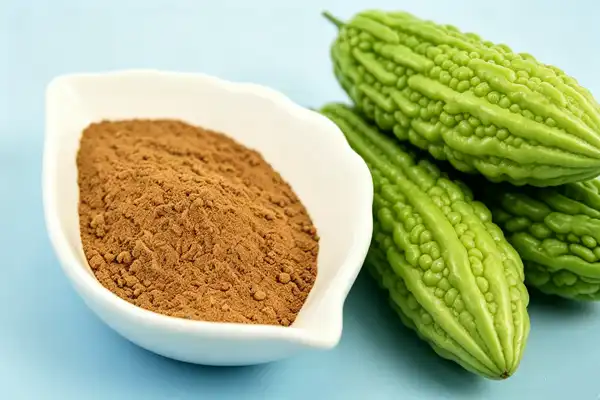
Procurement Insights: Sourcing High-Quality Bitter Melon Extract Powder
Quality assurance begins at supplier selection. Procurement managers evaluating potential partners should prioritize manufacturers demonstrating end-to-end supply chain control, from cultivation oversight through final extraction and testing. This vertical integration eliminates quality variability inherent in multi-tiered supply chains where raw material sources change seasonally or opportunistically.
Critical Quality Indicators and Certifications
The Certificate of Analysis for Momordica Charantia Extract should include proof of charantin content from HPLC tests, not just UV spectrophotometry, because HPLC is a more accurate way to identify compounds. Heavy metal tests using the USP <233> method keep levels of lead, arsenic, cadmium, and mercury below what is considered safe. Screening for pesticide residues that includes organochlorines and organophosphates meets the rules for markets in the United States and Europe. Microbiological tests must show the total number of plates, the presence of yeast and mould, and the lack of diseases like Salmonella and E. coli. Staphylococcus aureus and E. coli. The level of irradiation should be made public, since some organic standards don't allow this way of treatment. Our goods are made using natural methods that don't involve radioactivity. This keeps them organic and makes sure that microbes are safe by controlling the extraction process.
DNA barcoding technology is becoming a better way to protect species from being hacked. Testing has proven that Momordica charantia is indeed Momordica charantia, so it can't be switched out for a cheaper cucurbitaceous species that doesn't have the same active chemicals. This check answers worries about validity, which are especially important since the ingredient costs more than common plants.
Optimizing Procurement Strategy
Costly quality problems can be avoided by testing samples before making a business promise. This smart method is supported by our flexible minimum order policy, which lets you try out 100g amounts before needing 25kg business minimums. This lets the R&D teams do full stability tests, organoleptic evaluations, and pilot production runs before going ahead with full production. When you buy in bulk, you usually get savings for buying 100 kg, 500 kg, or 1000 kg. But buying managers should weigh the benefits of lower prices against the costs of keeping goods and the risk of it going bad. The extract can be kept for 24 months, which means that modest stock levels are fine. However, yearly changes in metabolic support categories may mean that you should strategically build up your inventory before sales peak.
Our ready-to-ship inventory means that standard specs can be delivered within 3–5 business days by fast transport, meeting pressing needs for re-formulation or meeting product launch deadlines. Custom specs that call for specific charantin amounts or particle size ranges may take two to three weeks to schedule production, so getting in touch with sources early is important for planning the project. Total landing cost is affected by how the goods are transported. Ocean freight can save you a lot of money if you ship a lot of items, but it takes longer to get the goods to you, and the goods may get wet during travel. Air freight is fast and has temperature control, but it costs a lot. Each time, our operations team looks at these trade-offs and suggests the best shipping way based on the size of the order, where it needs to go, and how quickly it needs to get there.
Conclusion
Bitter melon extract powder delivers measurable improvements to nutritional formulations through standardized bioactive compounds, versatile application potential, and documented wellness benefits. The ingredient addresses growing consumer demand for natural metabolic support while providing formulators reliable specifications and technical performance. Successful implementation requires partnership with suppliers offering comprehensive quality control, application support, and flexible procurement terms. As metabolic wellness continues driving supplement category growth, this botanical extract represents strategic positioning for brands targeting blood sugar management, weight control, and antioxidant support markets.
FAQ
What charantin concentration should I specify for metabolic support formulas?
Clinical research supporting blood sugar management typically employs extracts standardized to 10% charantin content. This specification balances efficacy with cost considerations, delivering therapeutic levels of active compounds at commercially viable pricing. Higher concentrations reaching 15-20% enable smaller serving sizes but increase raw material costs proportionally. Lower specifications at 3-5% may require larger doses to achieve desired effects, potentially impacting capsule count and consumer compliance.
How does extraction method impact final product quality?
Water and ethanol extraction methods yield different phytochemical profiles. Aqueous extraction preserves water-soluble polysaccharides and polypeptides, including the insulin-mimetic polypeptide-p. Ethanol extraction concentrates lipophilic compounds like triterpenoids and certain saponins. Our dual extraction process combines both approaches, capturing the complete spectrum of bioactive compounds for maximum functional benefit. This methodology eliminates harsh solvents like hexane or acetone that may leave residues compromising safety and organic eligibility.
What stability testing should I conduct before commercial launch?
Accelerated stability testing at 40°C and 75% relative humidity for three months predicts two-year shelf life under normal storage conditions. Monitor charantin content monthly via HPLC, along with moisture content, colour changes, and microbial stability. Compatibility testing with other formula ingredients identifies potential interactions. Our application laboratory provides stability protocol design and analytical support, helping brands generate data supporting expiration dating and storage recommendations for regulatory compliance.
Partner with KH for Premium Bitter Melon Extract Powder Supply
KH (Kingherbs Limited) delivers reliable bitter melon extract powder backed by 28 years of botanical ingredient expertise. Our end-to-end control from cultivation base partnerships through extraction and testing ensures consistent charantin content and zero solvent residues. We provide complete batch documentation including HPLC analysis reports, heavy metal testing, and pesticide screening to support your quality assurance requirements. Our application laboratory offers formulation optimization for beverages, tablets, gummies, and capsules, with stability testing support ensuring product success. Small-batch trial orders starting below the 25kg commercial minimum enable risk-free evaluation. Contact our technical team at info@kingherbs.com to request certificates of analysis, discuss custom specifications, or arrange sample shipment. As your trusted bitter melon extract powder supplier, we combine manufacturing excellence with responsive technical support for your product development success.
References
1. Joseph, B., & Jini, D. (2013). Antidiabetic effects of Momordica charantia (bitter melon) and its medicinal potency. Asian Pacific Journal of Tropical Disease, 3(2), 93-102.
2. Krawinkel, M. B., & Keding, G. B. (2006). Bitter gourd (Momordica charantia): A dietary approach to hyperglycemia. Nutrition Reviews, 64(7), 331-337.
3. Tan, M. J., Ye, J. M., Turner, N., Hohnen-Behrens, C., Ke, C. Q., Tang, C. P., Chen, T., Weiss, H. C., Gesing, E. R., Rowland, A., James, D. E., & Ye, Y. (2008). Antidiabetic activities of triterpenoids isolated from bitter melon associated with activation of the AMPK pathway. Chemistry & Biology, 15(3), 263-273.
4. Grover, J. K., & Yadav, S. P. (2004). Pharmacological actions and potential uses of Momordica charantia: A review. Journal of Ethnopharmacology, 93(1), 123-132.
5. Nerurkar, P. V., Lee, Y. K., & Nerurkar, V. R. (2010). Momordica charantia (bitter melon) inhibits primary human adipocyte differentiation by modulating adipogenic genes. BMC Complementary and Alternative Medicine, 10, 34.
6. Raman, A., & Lau, C. (1996). Anti-diabetic properties and phytochemistry of Momordica charantia L. (Cucurbitaceae). Phytomedicine, 2(4), 349-362.
Send Inquiry
Related Industry Knowledge
- How Does Bamboo Leaf Extract Support Skin Health and Vitality?
- How Long Before Tongkat Ali Extract Powder Starts to Work?
- Blueberry Extract Powder Benefits - All You Need to Know
- Can Bitter Melon Extract Powder improve blood sugar?
- The Anti-Aging Power of Rosehip Botanical Extract
- The Skin-Boosting Benefits of Silica and Bamboo Extract
- Why Is Apple Root Extract Gaining Popularity in 2026?
- Can Rhizoma Coptidis Powder Help with Weight Management?
- Isatis Root Extract for Antiviral and Detox Support
- Macleaya Cordata Extract in Modern Phytogenic Feed Additives