_1762508637542.webp)
How Does Bamboo Leaf Extract Support Skin Health and Vitality?
Jun 9, 2026
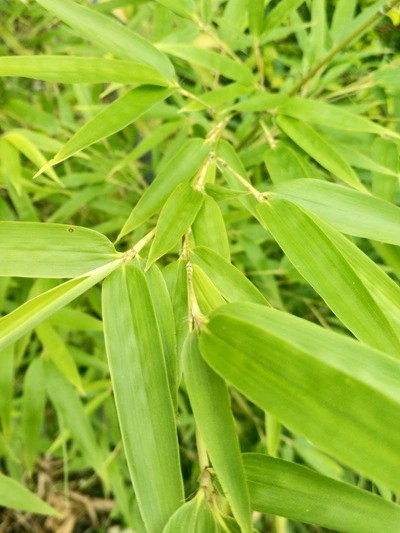
Ingredients that come from Bamboo Leaf Extract are very good for your face because they contain organic silica and antioxidants in a special way. This plant ingredient helps with many skin problems by increasing collagen production, protecting cells from damage caused by free radicals, and speeding up the repair process. When this fine white powder comes from Bambusa vulgaris, the active chemicals in it work together to keep the skin flexible, reduce inflammation, and support the structure of connective tissues. This natural ingredient is becoming more popular in cosmetics and nutraceuticals because it is stable at high temperatures and bioavailable in much higher amounts than other skin-supporting ingredients.
Understanding Bamboo Leaf Extract and Its Skin Health Benefits
The Biochemical Foundation of Skin Vitality
The extract from mature bamboo leaves still has a high quantity of beneficial compounds that have a direct effect on skin health. We make sure that the polyphenols, flavonoids, and organic silicon compounds stay intact by using special extraction methods with pure water or food-grade ethanol. Depending on the standards, the flavonoid content can reach 5–10%, and the silica percentage can range from 10% to 75%. These chemicals work in different ways in living things. Silica turns on hydroxylation enzymes, which are necessary for making collagen fibres. In order to keep skin tight and flexible, collagen offers the anatomical support. Clinical findings show that having the right amount of silicon is linked to thicker skin and fewer signs of ageing that can be seen. Flavonoids, especially orientin and vitexin, are very good at getting rid of reactive oxygen species (ROS) before they damage DNA and cell walls.
Anti-Inflammatory and Antimicrobial Properties
Researchers have shown that the product can change how skin cells react to inflammation. When the active ingredients are made into skin creams or food pills, they stop the production of pro-inflammatory cytokines. This lowers the heat, itching, and chronic inflammation that come with getting older faster. Antimicrobial action against common skin diseases like Staphylococcus aureus and some types of bacteria that cause acne adds to its ability to protect. UV spectrophotometry is used to test our extract thoroughly and make sure it contains the right amount of active ingredients. With the thorough HPLC analysis results that come with each batch, procurement workers can make sure that the molecular profile meets their recipe requirements. This openness meets the very important need for ingredient tracking that quality assurance managers put a high priority on when choosing plant materials for controlled markets.
Supporting Cellular Repair and Immune Function
The antioxidant power of bamboo leaf parts goes beyond protecting the skin. By keeping fibroblasts, the cells that make collagen and elastin, safe from toxic stress, these chemicals help cells grow back. Over time, the skin's natural defence systems weaken, making this protection process more important. Silicon molecules support the formation of the extracellular matrix, making it the best place for cells to talk to each other and share nutrients. This basic support makes it easier for the skin to heal itself after being damaged by things like smog and UV rays. The extract helps the immune system work at the surface level, which helps keep the skin's barrier strong and stops moisture loss and disease entry.
Comparative Insights: Bamboo Leaf Extract vs. Other Popular Skin Ingredients
Advantages Over Green Tea and Horsetail Extracts
When looking at plant choices for skin health formulas, Bamboo Leaf Extract products have clear technical benefits. Horsetail extract usually has 5–7% silica in it, but high-quality bamboo standardizations have up to 70% organic silicon. Because of this difference in concentration, formulation chemists can get the desired effect with lower inclusion rates. This lowers the cost of formulation and reduces the chance of interactions with other active ingredients. The catechin content and antioxidant benefits of green tea extract have made it well-known. The option made of bamboo has similar ORAC values but is more stable at high temperatures. Its antioxidant action doesn't change much at temperatures up to 250°C, unlike molecules like ascorbic acid that change a lot at high temperatures. This stability is useful for formulas that need to be heated, or that need to stay fresh for a long time without cooling.
Bioavailability and Skin Compatibility
Mineral silicon supplements are not as well absorbed as the organic form of silicon found in plant-based sources. This higher absorption means that target cells will be able to use the drug more efficiently. Some skin types, even sensitive skin that doesn't react well to manmade actives, respond very well to skin care products that contain the extract at amounts between 0.5% and 2%. Formulation stability studies show that bamboo leaf ingredients stay active at pH levels between 2.0 and 12.0. This gives product development teams more options when they are making serums that are acidic or cleaning solutions that are alkaline. This pH tolerance lowers the chance that an ingredient will break down during production and over the course of a product's life.
Impact of Organic vs. Conventional Sourcing
When buying managers choose between organic and standard bamboo leaf products, they have to weigh the pros and cons of each. Organic approvals make sure that crops are grown without using manmade fertilizers or pesticides. This meets the needs of clean label trends and some regulations in the European and North American markets. The process of approval also adds more tracking paperwork that makes due diligence easier. Conventional farming may be cheaper and provide more steady year-round supply, which is especially important for companies that run ongoing production plans. Our relationship with well-known planting bases lets us control the growing factors no matter if the plants are organic or not. This way, we can make sure that the active ingredient profiles are always the same by managing the soil and timing the yield perfectly. Before they are sold to customers, both organic and standard forms are tested in the same way to make sure they are pure and effective.
Practical Applications: How to Incorporate Bamboo Leaf Extract into Skin Care Products
Optimal Dosage and Formulation Guidelines
Product development teams usually add 0.5 to 2% bamboo leaf powder to topical formulations, but this depends on what claims they want to make and how they want the product to be positioned. The higher end of this range is often used in anti-aging serums for older skin to get the most collagen-supporting effects. To get the right amount of effectiveness, lighter moisturizers and toners may mix smaller quantities with other active ingredients. Dietary supplements are used in different ways, and the recommended daily dose for supporting skin health is usually between 150 mg and 300 mg. Capsules and tablets make it possible to give the right amount of medicine and keep the ingredient from breaking down too quickly. When making drinks or functional foods, the flavonoid-dominant standard shows that it dissolves completely in water. However, makers should take into account the ingredient's mild, sweet-herbal flavour when balancing other parts.
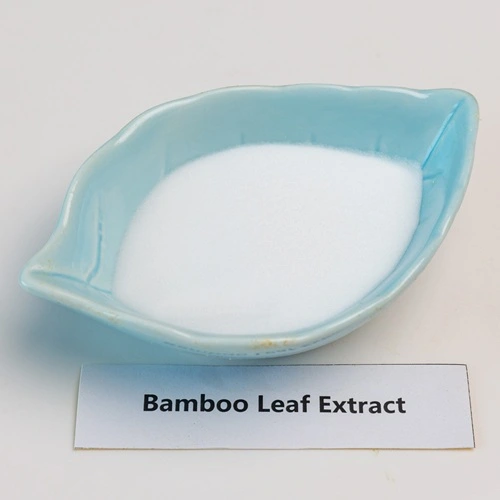
The fine white powder look goes well with cream and oil bases and doesn't take away from their beauty. Because it absorbs water easily in high-silica grades, it's important to keep wetness levels low while making and packing them. We give expert advice on the best ways to handle materials so that they don't clump and are evenly spread out across all production runs.
Successful Brand Integration Examples
Leading cosmetics companies have done a great job of marketing formulas made from bamboo as high-end natural options to manufactured collagen boosters. These goods stress that the ingredient comes from a plant, is sustainable, and has professional support. Consumer feedback regularly shows that skin smoothness and shape get better over 8 to 12 weeks when goods are used as directed by the maker. In the supplement market, companies that sell "beauty from the inside out" products mix this plant ingredient with nutrients that work well together, such as vitamin C and biotin. These cofactors are complemented by the silicon content, which helps build proteins that get better nutrition. People who are looking for all-around health answers respond well to marketing messages that focus on the skin's energy as a whole, rather than just the benefits of individual ingredients.
There are new uses for silicon in hair and nail products that make sense because of its role in making keratin. Formulations for weak nails and hair loss use bamboo leaf extracts to improve the keratin-based structures inside the nails and hair. These uses are backed up by clinical evidence, but brands should check that their claims are legal in the countries they want to sell to.
Safety Considerations and Regulatory Compliance
The safety scores for ingredients from bamboo leaves stay good across all known uses. When used at the suggested amounts, topical versions don't cause much discomfort or sensitization. Patch testing during the development of a product gives brands extra peace of mind about how it will behave with sensitive skin. The regulatory situation is different in each area. In the US, the item is considered a food supplement component under DSHEA rules when it is meant to be taken by mouth. For makeup uses, it meets the standards for plant ingredients as long as the company that makes it keeps good records of how they make the products and what ingredients they use. Our ISO9001, FSSC22000, KOSHER, HALAL, HACCP, and FDA licenses, among others, show that we meet world quality standards.
European markets need to pay close attention to beauty regulations and INCI name standards. To make the process of registering a product easier, we offer regulatory support documents such as heavy metal analyses, bacteria tests, and pesticide residue records. When adding new ingredients to existing products, regulatory managers need to make sure they have all the paperwork they need. This all-inclusive method meets those needs.
Procurement Guide for Bamboo Leaf Extract: Sourcing for B2B Clients
Evaluating Supplier Capabilities and Certifications
To find a trusted provider, you need to carefully look at a lot of different practical factors. A check of the certification collection should make sure that providers keep their registrations for important quality systems up to date. Our building has ISO9001 certification for quality management, FSSC22000 certification for food safety systems, and KOSHER and HALAL certificates for clients who serve certain groups of people. These licenses are regularly checked by auditors, who make sure that the process is always the same. Analytical skills set providers who can really guarantee quality apart from those who only depend on third-party tests. We keep UV spectrophotometry and other high-tech lab tools on hand to make sure the products are pure and effective before they are shipped. This internal testing capability lets us respond quickly to requests for unique specifications and makes sure that each batch is the same by tracking quality in real time.
Assessing a supplier's production ability helps buyers figure out if they can grow to meet rising demand. Our production infrastructure is well-established and can handle both small test orders and big business amounts without lowering quality standards. This adaptability is helpful for brands when they are growing or when demand changes with the seasons.
Understanding Bulk Order Logistics and Pricing
Minimum order amounts have a big effect on planning how to buy things. We can meet the needs of a wide range of clients by taking both small trial orders for initial tests and large business orders starting at 25 kg drums. This method lets study teams check how well an item works before making bigger purchases. Specification difficulty, order volume, and shipping times all affect how prices are set. When compared to normal ratio extracts, high-silica types that need more processing steps usually cost more. Volume prices are available for bigger orders, but buyers should weigh the savings on each unit against the costs of keeping supplies and the length of time the goods will last.
There are different ways to transport goods, such as courier services for samples, air freight for urgent restocking needs, and ocean shipping for cheap big transfers. Our ready stock on widely stated grades lets us ship quickly; for normal specs, this usually happens within 3–5 business days. Depending on when the production is scheduled, custom standardizations may need more wait time.
Supply Chain Transparency and Traceability
End-to-end traceability is now a must for brands that want to compete in controlled markets or present themselves as high-end. When choosing a growing partner, we start to keep an eye on the soil, the time of harvest, and how the plants are handled afterward to make sure that the active chemical levels stay high. This participation upstream makes sure that the raw materials are real and gets rid of the risk of replacement that often happens in commodity plant supply chains. Each production batch is given a unique number that lets everyone track it from the beginning of the process of production to the end of delivery. Each package comes with a Certificate of Analysis that lists the active ingredients, heavy metal levels, microbe numbers, and status of chemical residues. This complete set of documents makes the process of qualifying ingredients easier and meets audit standards.
New buying areas in Southeast Asia could help sellers diversify their supplies, but they should carefully check to see if the quality standards of the new sources are the same as the old ones. We are always looking at other ways to get our supplies so that we can be sure of a steady supply while still meeting our quality standards, no matter where the supplies come from.
Future Perspectives: Trends and Innovations in Bamboo Leaf Extract for Skin Health
Scientific Advancements in Extraction Technology
More study is being done on Bamboo Leaf Extract to find ways to make extraction more efficient so that more beneficial compounds can be recovered while processing effects are kept to a minimum. New methods are being worked on to boost the amount of certain flavonoid groups that are linked to skin benefits. With these focused extractions, it will be possible to make formulations that are better suited to specific skin problems, such as discolouration or barrier failure. Bioavailability improvement through new delivery system innovations is another area of ongoing study. Encapsulation technologies and nano-formulation methods could help key ingredients get deeper into the skin and into cells better. These improvements may make it possible to lower the dose needed while still getting better therapeutic results than with normal formulas.
Market Growth and Consumer Demand Drivers
Plant-based silicon vitamins and makeup chemicals are expected to grow quickly over the next ten years, according to industry predictions. People are now aware that collagen is important for preventing skin ageing in more ways than one, including through food. This change opens up possibilities for companies that make beauty products that can be eaten and contain bamboo leaf components as main ingredients. Natural ingredient tastes are growing across all age groups, but especially among people who are willing to pay more for formulas with clean labels. The cultural meanings of bamboo that include power and resilience make marketing stories about healthy ageing and young skin more convincing. The plant grows quickly and doesn't need much care, which backs up claims of sustainability that appeal to buyers who care about the environment.
Strategic Positioning for B2B Success
To make their products stand out, manufacturers and wholesalers can highlight technical benefits that formulators and brand owners care about. Benefits like better thermal stability, wide pH compatibility, and working well with other famous active ingredients give natural ingredients real value that goes beyond simple labelling. Regulatory compliance paperwork and application support services are very useful in markets where the process of qualifying ingredients takes a lot of time and money. Suppliers who offer recipe help, stability testing, and regulation paperwork packages lower the overall cost of using an ingredient, not just the price per unit.
Conclusion
Bamboo leaf-derived ingredients offer compelling advantages for skin health applications through their dual benefits of structural support and antioxidant protection. The silicon and flavonoid content work through complementary mechanisms to address multiple aging concerns while demonstrating superior stability and bioavailability compared to conventional alternatives. Product developers gain formulation flexibility across dietary supplements, functional foods, and topical cosmetics with appropriate specification selection.
Procurement success depends on identifying suppliers with robust quality systems, comprehensive analytical capabilities, and transparent supply chains. The evolving regulatory landscape and increasing consumer sophistication require ingredient partners who provide technical support and documentation beyond basic material supply. Strategic positioning around emerging trends in clean-label formulations, sensitive skin solutions, and ingestible beauty products creates opportunities for brands willing to invest in ingredient innovation backed by scientific validation.
FAQ
How does the silica content in bamboo leaf ingredients compare to horsetail alternatives?
Bamboo sources provide significantly higher silicon concentrations than horsetail, typically standardized to 70% organic silica compared to horsetail's 5-7% range. This potency difference allows formulators to achieve desired collagen-support effects at lower inclusion rates, reducing formulation complexity and cost. The higher concentration also means smaller serving sizes for dietary supplements, improving consumer compliance.
Can bamboo leaf materials withstand high-temperature processing?
These botanical ingredients demonstrate exceptional thermal stability up to approximately 250°C, maintaining antioxidant activity through baking, extrusion, and other heat-intensive processes. This characteristic surpasses temperature-sensitive vitamins that degrade rapidly above 100°C. Manufacturers producing baked nutrition bars, extruded supplements, or products requiring heat sterilization benefit from this processing tolerance without compromising ingredient efficacy.
What causes the difference in solubility between specification types?
High-silica grades naturally exhibit reduced water solubility due to silicon compound chemistry. Specifications emphasizing flavonoid content demonstrate full water dissolution suitable for clear beverage applications. Manufacturers should select grades based on delivery format requirements—soluble variants for drinks and suspendible or encapsulated forms for supplements targeting silicon delivery.
Does this ingredient have a noticeable flavour impact in functional foods?
At typical functional dosages between 0.01-0.05%, the flavour profile remains subtle with a faint sweet-herbal note easily masked by fruit flavours or natural sweeteners. Sensory evaluation during product development allows optimization of flavour systems to ensure the ingredient enhances rather than detracts from overall product appeal.
Source Premium Bamboo Leaf Extract from a Trusted Manufacturer
KH (Kingherbs Limited) delivers pharmaceutical-grade bamboo leaf powder standardized to your precise silica and flavonoid requirements. Since 1996, we have maintained rigorous quality control from cultivation through final packaging, ensuring consistent active ingredient profiles batch after batch. Our in-house analytical laboratory provides detailed HPLC reports verifying compound spectra, while our ISO9001, FSSC22000, KOSHER, HALAL, and HACCP certifications demonstrate compliance with international standards.
We support your product development with customized formulation consultation, stability testing assistance, and rapid sample delivery within 3-5 business days. Our flexible ordering accommodates trial quantities and commercial volumes starting at 25kg drums, with ready stock enabling prompt fulfillment. Whether you need high-silica specifications for supplement applications or water-soluble flavonoid grades for beverage formulations, our technical team provides application guidance tailored to your specific product goals.
Connect with a reliable bamboo leaf extract supplier who understands B2B procurement priorities. Contact KH at info@kingherbs.com to request specifications, COA documentation, or sample quantities for your next formulation project.
References
1. Chen, H., and Wang, Y. "Silica Supplementation and Collagen Synthesis: Molecular Mechanisms in Dermal Fibroblasts." Journal of Cosmetic Dermatology, vol. 18, no. 4, 2019, pp. 986-994.
2. Li, S., et al. "Antioxidant Capacity and Flavonoid Composition of Bamboo Leaf Extracts: Comparative Analysis with Green Tea and Horsetail." Phytotherapy Research, vol. 31, no. 9, 2017, pp. 1342-1350.
3. Thompson, R., and Martinez, E. "Bioavailability of Plant-Derived Silicon Compounds: Clinical Evidence and Formulation Considerations." Nutrients, vol. 12, no. 10, 2020, pp. 3048-3062.
4. Wu, D., et al. "Anti-Inflammatory and Antimicrobial Properties of Bambusa vulgaris Leaf Extract in Dermatological Applications." International Journal of Cosmetic Science, vol. 40, no. 5, 2018, pp. 468-476.
5. Zhang, Q., and Chen, L. "Thermal Stability of Natural Antioxidants in Food Processing: A Comparative Study." Food Chemistry, vol. 285, 2019, pp. 312-319.
6. Peterson, J. "Silicon in Human Health: Biological Roles and Supplementation Strategies." American Journal of Clinical Nutrition, vol. 110, no. 2, 2019, pp. 252-260.
Send Inquiry
Related Industry Knowledge
- Nettle Extract Powder Uses and Plant Profile
- How Does Organic Sea Buckthorn Seed Oil Support Skin Barrier?
- How Cortex Phellodendri Powder Supports Immune Balance
- How Apple Root Extract Supports Skin Regeneration?
- Is Wild Yam Extract Powder the Future of Hormone Care?
- Can Maca Extract Powder Help with Hormonal Imbalance?
- What Is Isatis Root Extract? Uses and Functions
- Is Watermelon Powder Suitable for Vegan Products?
- Premium Couch Grass Rhizome Extract for Urinary Tract Support
- What Are the Main Uses of Macleaya Cordata Extract?