_1762508637542.webp)
How Does Holy Basil Extract Powder Support Modern Nutrition?
Aug 28, 2026
Holy Basil Extract Powder delivers robust adaptogenic support to modern nutrition by standardizing bioactive compounds—particularly ursolic acid, eugenol, and oleanolic acid—into a fine brownish-yellow powder form that integrates seamlessly into dietary supplements, functional beverages, and nutraceutical formulations. Derived from Ocimum sanctum (Tulsi), this botanical ingredient addresses the growing consumer demand for natural stress management, immune resilience, and metabolic wellness. Its concentrated profile, verified through HPLC testing, enables formulators to achieve precise dosing and consistent efficacy across diverse product applications, positioning it as a strategic ingredient for brands targeting the health-conscious demographic.
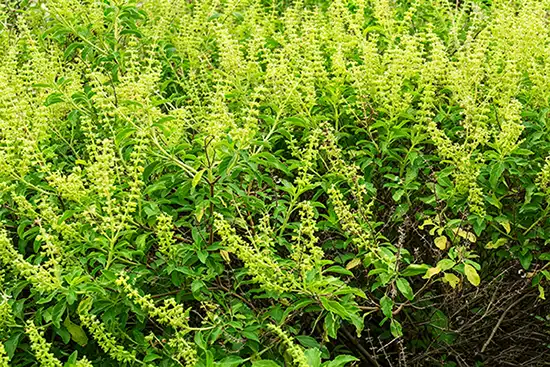
Comparing Holy Basil Extract Powder Variants for Quality and Effectiveness
Organic Versus Conventionally Grown Extract: Cultivation Impact on Purity
Organic certification, like USDA Organic or an equivalent in the EU, means that the crops will not be grown with synthetic herbicides, pesticides, or genetically modified organisms. This difference affects not only how customers see it, but also the presence of contaminants that could make the batch less pure. Conventionally grown sources may have lower production costs, but they need stricter pesticide testing methods to meet the safety standards set by government agencies.The amount of active ingredients in a crop is greatly affected by the quality of the soil and the time of gathering. Controlled planting settings that are watched from seed selection to harvest make sure that the amounts of ursolic acid are the same in each batch. This stops the quality changes that happen with materials that are collected in the wild. Traceability documentation, such as GPS-tagged cultivation zones and batch-level processing records, helps procurement teams make sure the supply chain is honest and meets the needs of third-party auditors during facility inspections.
Pure Extract Powders Versus Blended Supplement Formulations
When you use pure extract powders, you get concentrated bioactivity without any carrier fillers or excipients. This gives you the most formulation options. When exact ratio control is needed, these ingredients work well for custom compounding. For example, 1000 mg of Holy Basil Extract Powder and 500 mg of rhodiola can be mixed to make solutions for stress. Blended vitamins mix the extract with maltodextrin or rice flour ahead of time, which speeds up the making process but lowers the amount of active ingredient per gram. Standardization procedures set premium providers apart. HPLC testing confirms the amount of ursolic acid present, and microbial testing (total plate count, yeast/mold, pathogens) makes sure that the product is safe and meets cGMP standards. Certificate of Analysis (COA) openness builds trust with R&D leaders who are looking at quotes from several vendors. A brownish-yellow color that doesn't change from batch to batch is a sign of reliable extraction controls and correct store handling throughout the distribution channel.
Comparative Analysis with Other Adaptogenic Ingredients
Compared to standardized ashwagandha extract (withanolides), Holy Basil Extract Powder relieves stress more quickly and has less of a calming effect, which makes it a better choice for daytime energy formulations. Rhodiola rosea is more focused on improving brain function, while this plant is more focused on digestive and immune functions. A study of costs shows that prices are competitive for uniform grades of ursolic acid, especially when ordering more than 100 kg at a time.How the market is positioned should take into account how familiar the product is to customers. In Western markets, ashwagandha is a better-known brand, but Holy Basil Extract Powder is more popular with people who know about Ayurvedic health practices. In supplement categories with a lot of options, formulations stand out by telling stories about their ingredients and highlighting the "Queen of Herbs" history and clinical proof.
Procurement Strategies and Market Insights for Holy Basil Extract Powder
Bulk Purchasing Economics and Volume Discount Structures
For normal specifications, the commercial minimum order quantity (MOQ) starts at 25 kg drums. However, progressive suppliers can handle sample orders and small trial runs to make the R&D review stages easier. Volume-tiered pricing systems reward bigger commitments. For example, orders of 500 kg or more often get 12–18% off small-batch prices. With annual supply and harvest-tanned deliveries, you can keep your cash flow in check and lock in good rates before the costs of raw materials go up. Logistics of transportation have a big effect on total landed costs. Ocean freight is best for orders of 500 kg or more because it lowers shipping costs by 40 to 60 percent per kilogram compared to air courier options. But the shipping windows for air travel are between 5 and 7 days, which helps with low-stock plans and quick market response for new products. To avoid port delays that throw off production schedules, make sure you have all the paperwork you need for customs clearance. This includes phytosanitary certificates, COAs, and correct HS code classification.
Critical Supplier Evaluation Criteria for Long-Term Partnerships
Portfolios of certifications show how committed a supplier is to quality systems. ISO9001 checks that methods for managing quality are followed, and FSSC22000 checks that rules for food safety meet GFSI standards. Certifications like KOSHER and HALAL make it easier for consumers of different faiths to buy goods. Being registered with the FDA (but not approved for dietary ingredients) shows that you are willing to follow U.S. regulations in a clear way.Traceability options go beyond simple batch records. Leading makers offer paperwork from seed to shelf, which includes DNA barcoding for variety verification, GPS locations for cultivation zones, and timestamp records of processing stages. This level of detail makes it possible for brands that make marketing claims about "traceable ingredients" to pass audits, and it also helps with quick response plans for possible recalls.Transactional suppliers and strategic partners are different in terms of their technical support systems. Having access to application laboratories for stability testing, compounding advice, and formulation optimization speeds up the process of making new products. Some suppliers can make finished products, like soft capsules. This makes supply chains easier for brands that would rather not have to manage multiple vendors and prefer turnkey solutions.
Private Label Opportunities and White Label Customization
Private labeling agreements let distributors sell their own blends under house brands without having to buy extraction facilities. Customization options include different amounts of ursolic acid (from 1% to 2.5%), particle size optimization for targeted delivery systems, and co-extraction with plants that work well together, such as passionflower or lemon balm, to get even better results. White-label services include forms for finished goods. Brands can choose the capsule sizes (vegetarian HPMC or gelatin), tablet forms, and packing types (bottles, blister packs, sachets), and the maker will take care of the filling, labeling, and shipping. Time-to-market is cut from 6 to 9 months, which is usually needed to set up proprietary manufacturing, to 45 to 60 days, which includes finalizing the formula and delivering the product.
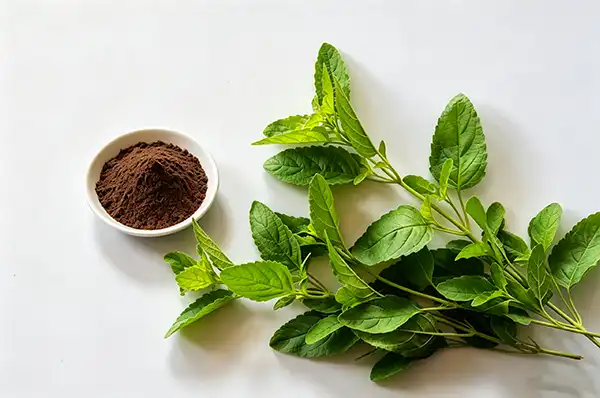
How Holy Basil Extract Powder Enhances Product Formulation in Modern Nutrition
Functional Mechanisms in Supplement and Food Applications
The way that ursolic acid is bioavailable affects how formulations are made. Because ursolic acid is a lipophilic chemical, it is better absorbed when mixed with good fats or emulsifiers like lecithin. Liposomal delivery systems or nano-emulsion technologies improve systemic uptake by two to three times compared to regular powder solutions. This is why high-efficacy goods should be priced higher. Solubility engineering is very important for useful beverage uses. Native extract doesn't dissolve well in water, but microencapsulation or spray-drying with soluble carriers (like gum arabic) can make grades that dissolve instantly and are good for ready-to-drink forms. Testing for pH stability in both acidic (citrus-based) and neutral (plant milk) media makes sure that the color stays the same and the active compounds stay intact for the whole shelf life that was stated. Flow agents and binders that don't get in the way of plant actives are needed to crush tablets. Blends of microcrystalline cellulose and silicon dioxide that are compressed directly reach hardness ratings of 8–10 kP while still disintegrating in less than 30 minutes. Enteric coatings keep pH-sensitive chemicals from breaking down in the stomach, which improves their bioavailability for immune and metabolic effects.
Synergistic Ingredient Combinations for Enhanced Efficacy
Adding magnesium glycinate to this adaptogenic extract makes stress-response products that work better because magnesium helps relax muscles and the plant changes cortisol levels. Combinations of vitamin D3 work to boost the immune system, which is especially helpful for fall health goods. Adding piperine to turmeric extract (which is standardized to curcuminoids) boosts anti-inflammatory pathways by working with COX-2 inhibition mechanisms that work together. Holy Basil Extract Powder has mild calming effects that work well with brain boosters like lion's mane mushroom or bacopa monnieri in nootropic formulations. This mix helps with brain fog caused by stress without the risks of overstimulation that come with energy supplements high in caffeine. Blood sugar management mixes use chromium picolinate, berberine, and plant extracts to control glucose in more than one way.
Quality Assurance Protocols and Third-Party Validation
Full testing plans should include identity checks (HPLC fingerprinting against reference standards), strength checks (quantification of ursolic acid), and safety checks (for heavy metals, chemicals, and microbes). Third-party certification from groups like NSF International or Informed-Sport gives brands that care about quality independent proof that meets the needs of retailers who need to check products. Studies of stability at ICH standards (40°C/75% RH for rapid aging) help figure out how long something will last and when it should be thrown away. Monitoring oxidation through peroxide value tests keeps antioxidant chemicals whole. Real-time stability programs that last between 24 and 36 months produce data that supports claims of longer shelf life, which lowers the risk of inventory going out of date for distributors who manage large amounts of stock.
Future Trends and Innovation in Holy Basil Extract Powder Usage
Market Growth Drivers and Consumer Demand Patterns
The global adaptogen market was worth about $11 billion in 2023, and it's expected to grow at a rate of more than 9% per year until 2030. Holy Basil Extract Powder is one of the fastest-growing segments in this market. Ads that make people aware of natural ways to deal with stress instead of using drugs are what drive the use of these ingredients. Analysis of demographics shows that millennials and Gen X customers (ages 28–54) who value holistic health and ingredient openness are the most likely to buy. As regulations change in Europe and North America, they support plants that have been used traditionally and have a history of being safe. It is easier for new products to get on the market thanks to the European Food Safety Authority's (EFSA) qualified presumption of safety (QPS) designations and the FDA's Generally Recognized as Safe (GRAS) assurances. These frameworks keep buyer security standards high while encouraging new ideas.
Technological Advancements Enhancing Bioavailability and Potency
Supercritical CO2 extraction technologies allow processing without solvents, which protects chemicals that break down at high temperatures while concentrating bioactives more than ethanol extraction alone can do. With this method, you can get extracts that are at least 98% pure, which is good for pharmaceutical uses. Using cellulases and pectinases to help with extraction increases return by 20 to 30 percent, which lowers the cost of raw materials and the damage they do to the environment. Nanotechnology uses nanoparticle formulations (50–200 nm) that can pass through cell membranes more easily. This could lower effective doses by 40–50% while keeping treatment results the same. Cyclodextrin complexation improves water solubility and hides bitter taste notes, which means that the substance can be used in more ways, such as in chewable tablets and gummies that are popular with both kids and older people.
Strategic Recommendations for Procurement and Product Development
Long-term partnerships with suppliers that include volume commitments that last between 12 and 36 months get better prices and first choice when supplies are low. When you use dual-sourcing, you lower the risk of regional crop failures or geopolitical problems that can happen in single-origin supply chains. Diversifying between ratio extracts and standardized grades gives formulators the freedom to switch between product tiers (high-end vs. low-end) as the market changes. When thinking about intellectual property, you should look into patent-eligible proprietary extraction methods or new transport systems. Exclusive marketing deals within certain areas give businesses a competitive edge that lets them charge more at retail and make more money. Working together on research projects with university research centers creates clinical data that backs up structure-function claims. This helps goods stand out by using marketing stories that are based on evidence.
Conclusion
Holy Basil Extract Powder is an important part of modern nutrition because it contains standardized adaptogenic compounds that help with stress management, immune system strength, and metabolic health. When people buy things, the market rewards smart buyers who look at sellers' traceability systems, certification portfolios, and expert support skills instead of just price. As the need for natural alternatives grows and regulations get stronger, early adopters who build strong supply chains and put money into clinical validation will become market leaders in the adaptogen category, which is growing.
FAQ
What distinguishes holy basil extract from raw tulsi powder?
Holy Basil Extract Powder is concentrated to make sure that active ingredients like ursolic acid are standardized to certain amounts (1% to 2.5%). On the other hand, raw tulsi powder is made from the whole dried leaf, and its strength depends on how it was grown and when it was harvested. Extracts give precise, consistent dosing that is needed for therapeutic uses, while powders can be used in cooking or to make lower-potency wellness teas.
How can buyers be sure that a product is real and of good quality?
You should ask for Certificates of Analysis (COAs) that show the results of the HPLC tests that check for ursolic acid, microbe limits (total plate count below 10,000 CFU/g), and heavy metal screening (lead, cadmium, and mercury within USP limits). Independent proof comes from third-party certifications from ISO-accredited laboratories. During a physical inspection, organoleptic traits like fine texture, brownish-yellow color, and a strong plant smell can give you a first idea of the quality.
Are there known safety concerns or contraindications?
Clinical tests show that the suggested doses (300–600 mg daily) are well tolerated. People who have hypoglycemia should keep an eye on their blood sugar levels because the extract may make the effects of lowering glucose stronger. There haven't been enough full human studies on pregnancy and breastfeeding safety, so people should be careful or talk to a doctor. Due to their weak blood-thinning effects, anticoagulants can combine with other drugs. Patients taking warfarin or similar drugs should follow the advice of their healthcare provider.
Partner with KH for Premium Holy Basil Extract Powder Solutions
KH has been extracting plants for almost 30 years, so procurement managers and formulators looking for reliable Holy Basil Extract Powder supply chains can rely on them. Our seed-to-shelf tracking controls get rid of inconsistent raw materials that hurt product performance, from partner farming bases to final quality release. The pure water and edible ethanol extraction methods produce brownish-yellow powders that dissolve quickly and have a confirmed 1% to 2.5% ursolic acid content (as shown by HPLC tests). These powders are backed by ISO9001, FSSC22000, KOSHER, HALAL, and HACCP certificates.KH does more than just supply ingredients; they also work with you on technical development. Our fully-equipped application labs offer compounding advice, formulation optimization for both drink and capsule systems, and stable testing methods that help with regulatory reports. Sample orders and small-batch trials (below the commercial 25 kg MOQ) can speed up your R&D, and ready-stock inventory lets you get your products to people who need them quickly, within three to five business days. With custom ratio extracts and private label options, you can speed up the process from idea to sale. Contact our technical team at info@kingherbs.com to talk about your specific formulation needs and get customized sourcing offers from a reputable Holy Basil Extract Powder maker that wants to help your business grow through quality products and quick service.
References
1. Cohen, M. M. (2014). Tulsi - Ocimum sanctum: A herb for all reasons. Journal of Ayurveda and Integrative Medicine, 5(4), 251-259.
2. Jamshidi, N., & Cohen, M. M. (2017). The Clinical Efficacy and Safety of Tulsi in Humans: A Systematic Review of the Literature. Evidence-Based Complementary and Alternative Medicine, 2017, 9217567.
3. Pattanayak, P., Behera, P., Das, D., & Panda, S. K. (2010). Ocimum sanctum Linn: A reservoir plant for therapeutic applications. Pharmacognosy Reviews, 4(7), 95-105.
4. Mahajan, N., Rawal, S., Verma, M., Poddar, M., & Alok, S. (2013). A phytopharmacological overview of Ocimum species with special emphasis on Ocimum sanctum. Biomedicine & Preventive Nutrition, 3(2), 185-192.
5. Mondal, S., Varma, S., Bamola, V. D., Naik, S. N., Mirdha, B. R., Padhi, M. M., & Mehta, B. K. (2011). Double-blinded randomized controlled trial for immunomodulatory effects of Tulsi in healthy volunteers. Journal of Ethnopharmacology, 136(3), 452-456.
6. Gupta, S. K., Prakash, J., & Srivastava, S. (2002). Validation of the traditional claim of Tulsi, Ocimum sanctum Linn., as a medicinal plant. Indian Journal of Experimental Biology, 40(7), 765-773.
Send Inquiry

Related Industry Knowledge
- How to Source Premium Strawberry Leaf Extract in Bulk?
- Nettle Extract Powder Wholesale Guide for Global Buyers
- What therapeutic uses does Artemisinin Powder have beyond malaria?
- How does Passionflower Extract Powder compare to other sleep aids?
- Can Astaxanthin Powder And Oil Boost Your Antioxidant Defense?
- How Does Astaxanthin Powder And Oil Support Skin Health?
- How Fast Does Bitter Melon Extract Powder Deliver Benefits?
- Why Rhizoma Coptidis Powder Is a Natural Health Game-Changer
- Bacopa Monnieri Extract Powder for Stress Relief?
- Purple Sweet Potato Extract in Premium Functional Beverages