_1762508637542.webp)
Can Astaxanthin Powder And Oil Boost Your Antioxidant Defense?
Jul 1, 2026
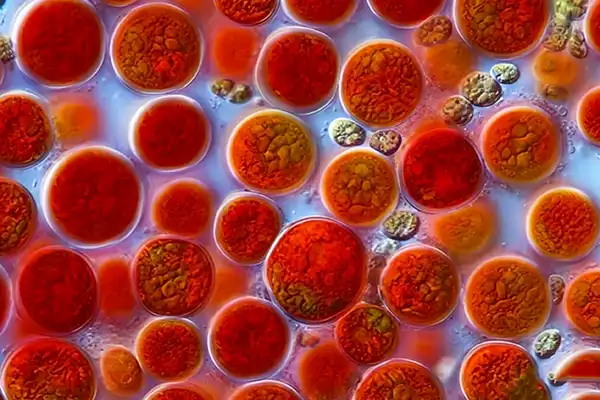
Both astaxanthin powder and oil can make your antioxidant defences much stronger. Further research shows that this naturally occurring carotene from Haematococcus pluvialis microalgae is very good at getting rid of free radicals, often much better than Vitamin E. The powder form has concentrated bioactive ingredients that work well in functional foods and dietary supplements. The oil form, on the other hand, has better lipophilic absorption properties that make it ideal for softgel formulations and cosmetic uses. The chemical structure that allows them to cross cellular barriers is kept the same in both forms. This protects the whole body against oxidative stress, which can damage the heart, skin, and brain.
Understanding Astaxanthin: Powder vs. Oil
Astaxanthin stands out as one of nature's most powerful antioxidants, chemically classified as a keto-carotenoid with a unique molecular structure featuring conjugated double bonds alongside hydroxyl and keto functional groups. This distinctive composition allows it to span entire cell membrane bilayers, delivering protection both inside and outside cellular structures.
Chemical Composition and Extraction Methods
The main thing that affects the quality and safety of astaxanthin ingredients is how they are extracted. At Kingherbs, we use cutting-edge extraction methods that only use pure water or food-grade ethanol. We never use any dangerous liquids that could damage the purity of the ingredients. This natural method of extraction keeps the (3S, 3'S) isomer configuration found in Haematococcus pluvialis algae, which has a lot more biological activity than manufactured options.
Our relationship with specialised growing facilities gives us full control over everything, from choosing the strains to timing the harvest, so we can get the highest concentration of astaxanthin possible at the source. The powder form is microencapsulated with protective materials that keep air and light from reaching the active ingredient. The oil type, on the other hand, is usually extracted using supercritical CO2 and keeps its natural esterified forms, which make it more bioavailable.
Purity and Stability Comparisons
Astaxanthin standards vary greatly in terms of purity, from a concentration of 1% to 96%, based on the purpose for which it is being used. Our testing methods use HPLC and UV to confirm the exact amount of active ingredient in each batch and keep records of them. The powder form has a bulk density of 0.4 to 0.7 g/mL and needs to be handled in a certain way because it becomes unstable at temperatures above 40°C.
Stability is an important thing to think about when buying something. High-quality astaxanthin powder has starch or gelatin structures that surround the main ingredient and protect it in two layers. This engineering stops auto-oxidation while the product is being stored and shipped. The oil form is naturally protected by lipids, but it needs to be packed in nitrogen-flushed, light-resistant paper to keep its effectiveness throughout the supply chain.
Delivery Format Advantages
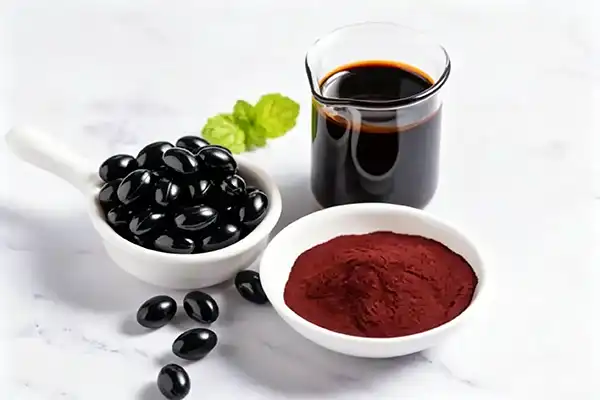
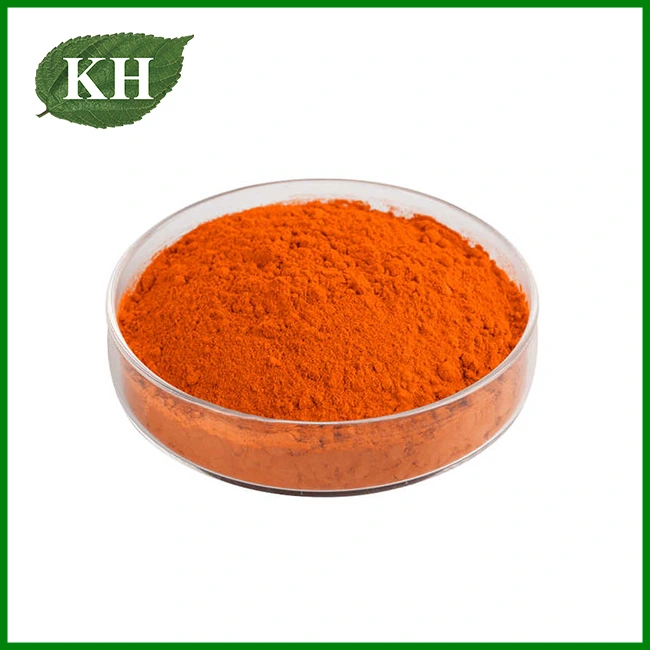
Which one you choose between powder and oil depends on what you need to make. Cold Water Dispersible (CWS) powder types use emulsion technology to make the naturally water-repelling molecule mixable with water, so they can be used in drinks without separating. Tablets, hard pills, and chewy bears can all use the fine red to dark red powder without any problems.
On the other hand, Astaxanthin Powder and Oil is an oleoresin that is dark red and dissolves well in oil. This form is the best for high-dose softgels containing 4 mg to 12 mg of bile salt because it is lipophilic and works well with the digestive system's bile salt absorption routes. The oil version can also be used as a topcoat on moulded pellets used as aquaculture feed. This keeps the pellets from breaking down during high-temperature processing and colours salmon and prawn meat well.
Health and Performance Benefits for Industry Applications
The antioxidant capacity of astaxanthin translates into diverse functional benefits across multiple industry sectors. Understanding these applications helps procurement managers identify optimal ingredient specifications for their product development objectives.
Systemic Antioxidant Support in Supplements
Using astaxanthin's special ability to neutralise singlet oxygen and peroxyl radicals better than other antioxidants is used in dietary supplement recipes. Studies in humans show that it passes the blood-brain barrier and protects nerve cells in a way that many other carotenoids can't. Because of this, it is a good ingredient for brain health products that target older people who are worried about their mental sharpness.
Astaxanthin is good for your heart because it helps keep your blood flowing well and keeps arterial cells working properly. Supplement brands use our oil specs to make softgels with daily doses of 4 to 12 mg, while pill and capsule makers like microencapsulated powder grades that can handle compression forces without losing their stability.
Topical and Anti-Inflammatory Applications
Astaxanthin oil is an important ingredient for photo-protection and anti-aging skincare lines, according to the people who make cosmetics. When the chemical builds up in skin tissue, it protects against UV damage that causes wrinkles and colour changes to happen more quickly. Anti-aging serums and high-end creams usually have Vitamin E mixed in at 0.1 to 1% amounts, and they come in sealed dispensers to keep the product from going bad after the package is opened.
The anti-inflammatory features help the body's natural defences without blocking important biological processes. Sports nutrition companies take advantage of this trait by making pre- and post-workout products that may help lower oxidative stress caused by exercise and speed up the healing process. Astaxanthin is often mixed with other ingredients that work well together, such as omega-3 fatty acids and curcumin, to get better results.
Dosage Guidelines and Safety Considerations
When manufacturers decide how much of an ingredient to use, they have to weigh the benefits of that ingredient against the risks. For overall health benefits, human studies usually look at doses between 2 and 12 mg per day, with higher amounts saved for specific uses. The substance has very high safety limits because it has no known pro-oxidant activity, even at high amounts. This makes it different from beta-carotene, which can have bad effects in some situations.
Following the rules is still very important. Our FDA registration, ISO9001, FSSC22000, KOSHER, HALAL, HACCP, and other standards help us reach customers around the world. Each batch comes with a full Certificate of Analysis that includes HPLC spectrum data, heavy metal screening, bacteria testing, and residue solvent proof. This lets your quality assurance teams make sure that the ingredients meet your company's standards and government regulations.
Procurement Considerations for Bulk Buyers and OEMs
Sourcing decisions significantly impact final product performance and market competitiveness. Procurement managers must evaluate multiple dimensions beyond simple price comparisons to establish reliable supply relationships.
Quality Verification and Supplier Credibility
Verifying the plant source is the first step in proving the quality of raw materials. To get good astaxanthin outputs from Haematococcus pluvialis growth, you need to know a lot about it. We work with controlled growing sites that keep an eye on things like water quality, nutrient profiles, light exposure cycles, and strain genetics. This level of accuracy in farming gets rid of the changes in makeup that happen with wild-harvesting or buying from multiple sources.
Supplier openness is what sets trustworthy makers apart from commodity sellers. Ask for a lot of paperwork, like certificates for growing, details on the extraction process, and proof from third-party tests. Our application laboratory helps with formulation by analysing chemical spectra, testing stability under fast conditions, and checking compatibility with common fillers found in makeup systems, drinks, candies, and pills.
Packaging and Storage Requirements
Engineered packaging options are needed to keep astaxanthin's strength throughout the delivery chain. Standard bulk packaging uses 25 kg drums that are flushed with nitrogen and sealed to keep out dampness. Food-grade plastic bags that don't break easily in light are used for sample amounts between 100g and 10 kg.
Temperature control for Astaxanthin Powder and Oil is very important during shipping because anything above 40°C speeds up the breakdown process. We offer full shipping services, such as foreign messenger, air cargo, and ocean freight choices with temperature tracking. When there is ready stock on hand, items can be shipped quickly—usually within three to five business days for standard specifications—which lowers the cost of keeping inventory and keeps the production plan reliable.
Regulatory Compliance and Certifications
For international trade to work, different sets of rules must be followed. Our astaxanthin goods meet the standards set by the USP and EP pharmacopoeias, which makes them easier to use in the food, supplement, and medicinal industries. Religious dietary needs (KOSHER, HALAL), food safety management (FSSC22000, HACCP), and quality systems (ISO9001) are all covered by the certifications.
Documentation packages include science reports, data from in vitro studies, and benefit explanations that are ready for consumers. These help with the development of marketing claims. This expert helps shorten the time it takes to start a product by giving the evidence needed for regulatory filings and label compliance checks.
Making the Right Choice: Powder or Oil for Your Business Needs
Strategic ingredient selection requires matching physical-chemical properties with manufacturing processes and intended product formats. The decision tree involves evaluating bioavailability, processing compatibility, and market positioning objectives.
Bioavailability and Absorption Profiles
When it comes to absorption in the digestive system, the oil version works better. Compounds that dissolve in lipids naturally mix with food fats and bile salts, which makes it easier for them to move across the digestive walls. Studies on clinical absorption regularly show that plasma astaxanthin levels are higher after taking oil-based supplements compared to powder forms that are not enclosed.
But new powder technologies are making this gap much smaller. Nano-emulsification methods are used by cold-water dispersible beadlets to make micro-droplets that float in water. With this new technology, beverage companies can add astaxanthin to healthy drinks, protein shakes, and beauty-from-within products without having to worry about separation or sedimentation problems that would make the product less enjoyable for customers.
Manufacturing Process Compatibility
Making tablets and hard capsules needs powder that is free-flowing and has a uniform range of particle sizes. Our microencapsulated grades can take up to 2000 PSI of compression without breaking the shells that cover the active ingredient. When the powder is mixed with the excipients, the amount stays the same from one production run to the next.
Fill materials for softgel packaging must be liquid or oil-based and must be within certain thickness ranges. Astaxanthin oil meets these rheological needs and also has high amounts of strength that people expect from high-quality products. The dark red colour is a clear quality sign that lets customers know the product is real.
When making gummy bears, it can be hard because acidic pH levels and high-pressure mixing can break down astaxanthin that isn't covered. Specialised powder types that are more resistant to acids keep the colour vibrant and the antioxidant activity high during the making of the gummies and for a long time afterward.
Supplier Vetting Criteria
For long-term buying partnerships to form, more research is needed than just an initial sample. Check the growing space and regularity of the yield to make sure that your sellers can increase production as your business grows. Ask about backup buying plans that lower the risk of supply disruptions caused by things like bad weather or problems with farming.
Monitoring the process during production is an important part of quality assurance, not just testing the finished product. Ask for proof of the Critical Control Points used in the extraction and packaging methods. Our batch tracking system keeps track of each lot from the time the algae are grown until they are packaged. This provides a full chain of custody paperwork that meets audit standards and recall readiness procedures.
Technical help is what sets ingredient partners apart from transactional sellers. We have a fully-equipped application laboratory where we can give you help on mixing, recipe optimisation, and testing for stability in a range of weather circumstances. This way of working together cuts down on recipe risk and speeds up the product development process.
Future Trends and Market Outlook for Astaxanthin Ingredients
The astaxanthin market continues expanding as consumer awareness of antioxidant benefits grows alongside scientific validation of health applications. Understanding emerging trends helps procurement professionals position their organizations for competitive advantage.
Technological Advancements in Extraction
The goal of next-generation extraction methods for Natural Astaxanthin Supplement is to increase output while keeping the natural compound's purity. Enzymatic pre-treatment of algae cell walls improves the release of astaxanthin without using harsh solvents or high temperatures that can change the shape of the active molecule. These new ideas lower the cost of making things, which could help brands that want to sell to a wide audience compete on price.
Multi-layer coating systems that provide specific release rates are another way that microencapsulation technology is changing. Enteric-coated powder types don't break down in stomach acid, so astaxanthin is released in the small intestine, which is where absorption happens best. Premium supplement brands that want to stand out by making claims about better delivery will like this pharmaceutical-grade tech.
Growing Market Demand Across Sectors
The global astaxanthin market demonstrates robust growth projections driven by multiple application sectors. Sports nutrition represents a particularly dynamic segment as athletes seek natural performance enhancement and recovery support. Beauty-from-within products incorporating astaxanthin capitalize on consumer interest in holistic skincare approaches that address aging from internal and external perspectives simultaneously.
Aquaculture demand remains substantial as farmed salmon and shrimp production expands globally. Natural pigmentation ingredients command premium pricing compared to synthetic alternatives, creating opportunities for high-purity astaxanthin grades that deliver superior coloration efficiency and comply with organic certification requirements.
Pet nutrition emerges as an underappreciated opportunity. Premium pet food formulations increasingly mirror human nutrition trends, incorporating functional ingredients that support companion animal longevity and vitality. Astaxanthin addresses joint health, cognitive function, and immune support in aging pets, aligning with humanization trends in the pet care industry.
Strategic Partnership Development
Sustainable procurement relationships extend beyond transactional purchasing to collaborative partnerships that create mutual value. Communicate your innovation roadmap and volume projections, enabling suppliers to allocate cultivation capacity and prioritize technical support resources. We offer flexible minimum order quantities, accepting sample and small-batch trial orders before committing to commercial volumes with 25kg minimums.
Consider suppliers with diversified ingredient portfolios that enable consolidated purchasing. Kingherbs specializes in botanical and herbal ingredients alongside vitamins, minerals, and amino acids, providing one-stop procurement that simplifies vendor management and potentially qualifies for volume-based pricing advantages across your entire ingredient spend.
Conclusion
Both astaxanthin powder and oil deliver potent antioxidant protection with distinct advantages suited to specific formulation requirements. The powder format excels in tablets, capsules, beverages, and gummies through advanced microencapsulation technology, while the oil variant provides superior bioavailability for softgels and topical applications. Procurement success depends on verifying cultivation practices, extraction methodologies, stability engineering, and regulatory compliance that collectively ensure consistent quality and market access. As market demand expands across nutraceutical, cosmeceutical, and specialized nutrition sectors, establishing relationships with technically capable suppliers positions your organization to capitalize on growth opportunities while managing supply chain risks.
FAQ
What concentration specifications work best for different applications?
Dietary supplement manufacturers typically select 2-5% powder for tablets and capsules, while softgel producers prefer 5-10% oil concentrations that deliver 4- 12 mg per serving. Cosmetic formulations use 0.1-1% in finished products. Beverage applications require specialized CWS grades that remain stable in aqueous environments without precipitation or color fading during shelf life.
How does natural astaxanthin compare to synthetic versions?
Natural astaxanthin from Haematococcus pluvialis exists almost exclusively as the (3S, 3'S) stereoisomer, demonstrating significantly higher biological activity compared to synthetic racemic mixtures. Natural sources also contain complementary carotenoids and lipids that may enhance absorption and stability. Regulatory acceptance and consumer preference increasingly favor natural variants despite higher costs.
What shelf life can I expect under proper storage conditions?
Properly stored astaxanthin powder maintains potency for 24 months when kept below 25°C in sealed, light-protected containers with desiccant packets. Oil formats typically show 18-24 months of stability under refrigeration with nitrogen headspace. Always verify storage recommendations with Certificate of Analysis documentation and conduct accelerated stability testing for your specific formulation matrix.
Partner with KH for Premium Astaxanthin Solutions
Kingherbs Limited brings over 25 years of botanical ingredient expertise to your astaxanthin procurement needs. As a leading astaxanthin powder and oil manufacturer, we control quality from cultivation partnerships through final packaging, ensuring the consistency and traceability that demanding R&D and quality assurance teams require. Our naturally extracted ingredients use only pure water or food-grade ethanol, delivering clean-label solutions without harmful solvent residues.
We understand procurement challenges extend beyond ingredient quality to include technical support, flexible ordering, and logistics reliability. Our application laboratory provides formulation guidance, stability testing, and custom compounding solutions with specific ratios tailored to your product specifications. Sample quantities and trial orders ship within 3-5 business days from ready stock, while commercial orders benefit from competitive pricing and comprehensive certification packages, including ISO9001, FSSC22000, KOSHER, HALAL, and HACCP documentation.
Contact our technical team at info@kingherbs.com to discuss your astaxanthin requirements. We'll provide detailed product specifications, batch analysis reports, and pricing structures that align with your budget and quality standards, establishing a partnership that supports your innovation objectives and market success.
References
1. Ambati, R.R., Phang, S.M., Ravi, S., & Aswathanarayana, R.G. (2014). Astaxanthin: Sources, Extraction, Stability, Biological Activities and Its Commercial Applications—A Review. Marine Drugs, 12(1), 128-152.
2. Guerin, M., Huntley, M.E., & Olaizola, M. (2003). Haematococcus astaxanthin: Applications for human health and nutrition. Trends in Biotechnology, 21(5), 210-216.
3. Higuera-Ciapara, I., Félix-Valenzuela, L., & Goycoolea, F.M. (2006). Astaxanthin: A Review of its Chemistry and Applications. Critical Reviews in Food Science and Nutrition, 46(2), 185-196.
4. Naguib, Y.M. (2000). Antioxidant Activities of Astaxanthin and Related Carotenoids. Journal of Agricultural and Food Chemistry, 48(4), 1150-1154.
5. Yuan, J.P., Peng, J., Yin, K., & Wang, J.H. (2011). Potential health-promoting effects of astaxanthin: A high-value carotenoid mostly from microalgae. Molecular Nutrition & Food Research, 55(1), 150-165.
6. Capelli, B., Bagchi, D., & Cysewski, G.R. (2013). Synthetic Astaxanthin is Significantly Inferior to Algal-Based Astaxanthin as an Antioxidant and May Not be Suitable as a Human Nutraceutical Supplement. Nutrafoods, 12(4), 145-152.
Send Inquiry
Related Industry Knowledge
- Why Is Bamboo Leaf Extract Trending in Herbal Supplements?
- Can Bamboo Leaf Extract Support Cardiovascular Health Naturally?
- Can Angelica Officinalis Extract Help Maintain Emotional Wellness?
- Olive Extract Powder vs Olive Oil: What’s the Difference?
- What Are the Benefits of Maca Extract Powder?
- Can Rhizoma Coptidis Powder Help with Weight Management?
- What Makes Mango Leaf Extract Powder a Top Herbal Ingredient?
- Mango Leaf Extract Powder for Skin: Anti-Aging & Protection
- Polygonum Cuspidatum Extract: Antioxidant Protection Explained
- Can Polygonum Cuspidatum Extract Help Reduce Inflammation?