_1762508637542.webp)
How does Passionflower Extract Powder compare to other sleep aids?
Jul 7, 2026
Passionflower Extract Powder is different from other natural sleep aids because it does two very different things: it changes GABA receptors to quiet the mind, and it protects the nervous system's health with flavonoid-rich antioxidants. Unlike melatonin, which changes circadian rhythms directly, or synthetic sedatives, which can lead to addiction, this plant extract works gently through its active compounds, especially vitexin and related flavonoids, to help people who have trouble sleeping because of worry without making them sleepy in the morning. The standardized extract makes sure that each batch has the same amount of strength. This solves a common problem with raw plant teas, where the amounts of active ingredients change a lot.
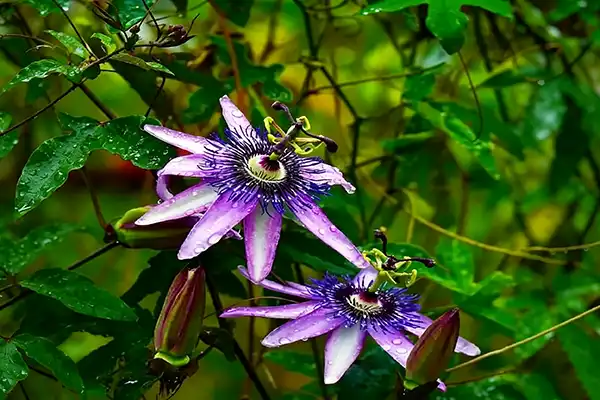
Understanding Passionflower Extract Powder as a Sleep Aid
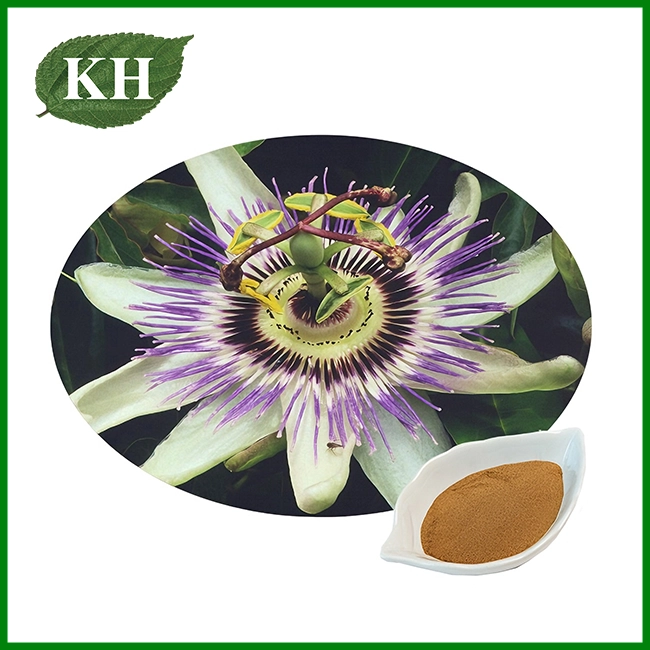
The plant material we sell comes from Passiflora caerulea L. and was picked from controlled farming bases. The quality of the soil and the timing of the harvest directly affect the concentration of therapeutic chemicals. Our extraction team uses pure water or food-grade ethanol to process the aerial parts (leaves, stems, and flowers). This process gets rid of any dangerous solvent leftovers that could weaken the product. The flavonoid content of this brownish-yellow powder is checked using HPLC and UV to make sure it is between 3.5% and 10%, with vitexin content being standardized between 1.2% and 5%.
Botanical Origin and Extraction Methodology
Passionflower has been used in traditional herbal medicine for hundreds of years, but current extraction technology lets us concentrate the active chemicals much more than whole-plant preparations can. Our process starts with checking the raw materials at approved planting sites. This is where we keep an eye on the growing conditions to make sure that the alkaloids and flavonoids develop properly. The extraction ratio can be changed, and typical ratios are 4:1 and 10:1. This gives the formulation freedom for a range of product uses. We keep the chemical stability of heat-sensitive flavonoids by controlling the processing temperature and keeping the moisture level below 5%. At the same time, we get a fine mesh size (80–100 mesh) that makes sure the blend is very uniform when making capsules and tablets.
Active Compound Profile and Mechanism
Chrysin, orientin, and vitexin work together to improve GABAergic neurotransmission, which is what makes the medical effects possible. Clinical study shows that these flavonoids link to benzodiazepine receptor sites without causing the addiction problems that come with other drugs. Our standardized extract promises that each batch will have measurable amounts of these chemicals. This is backed up by thorough HPLC analysis reports that show the component spectra. This level of quality control takes care of the main problem that many procurement managers have, which is that different raw materials cause products to behave differently and cause problems with regulations.
Comparing Passionflower Extract Powder to Other Popular Sleep Aids
When purchasing managers look at the ingredients in sleep aids, they need clear classification data to make smart portfolio decisions. There are a lot of different natural supplements on the market, and each one works in a different way, takes longer to work, or is regulated in a way that changes the way it is made.
Passionflower Versus Valerian Root Extract
Valerian root mostly works through valerenic acid, which stops the breakdown of GABA. This makes the calming effect of the plant more noticeable than with passionflower. However, valerian has a strong, somewhat unpleasant smell that makes it less useful in some products, especially candies and drinks. Our passionflower extract has a mild herbal flavor that works well in recipes with other ingredients. From the point of view of the supply chain, passionflower is very stable during storage, losing very little quality over 24 months when it is properly packed in our 25kg drums with moisture barriers. Valerian extracts usually need stricter storage conditions and lose their effectiveness more quickly, which can make it harder for producers to keep track of their goods when they use just-in-time purchasing models.
Comparison with Melatonin Supplements
Melatonin changes the structure of sleep by directly telling the body's circadian cycle to adjust. This makes it useful for people who are jet-lagged or who work shifts. The plant extract we sell works by changing the nerve system instead of hormones to help people who have trouble falling asleep because of worry. This difference is very important for B2B formulation strategy: in European markets, dosage rules for melatonin products are stricter, while rules for plant extracts like passionflower are less strict. Passionflower's non-drowsy calming effect is useful for people who are making stress-relieving pills during the day, while melatonin's sleep-inducing traits limit its uses. Cost-effectiveness is also different. For example, our bulk price on Passionflower Extract Powder, which starts at sample amounts and is available with flexible MOQ, often gives you a better chance to make a profit than buying fake melatonin, which has strict order minimums.
Botanical Extract Versus Synthetic Alternatives
Pharmaceutical sleep aids like zolpidem work quickly by aggressively blocking GABA receptors, but people are looking for natural options because they are worried about becoming dependent on them and having problems the next day. Clean-label goods with well-known plant ingredients are getting a bigger share of the market. This is especially true for millennials and Gen Zers who carefully read ingredient lists. Our Passionflower Extract Powder has been certified by ISO9001, FSSC22000, KOSHER, HALAL, and HACCP, which makes it easier to sell in markets with a variety of rules. The natural birth story also helps brand positioning around fitness and holistic health, which is something that synthetic chemicals can't do for marketing. When it comes to preparation, the extract works well with other plants. It is often mixed with chamomile, lemon balm, or L-theanine to make sleep aids that work on multiple pathways at the same time.
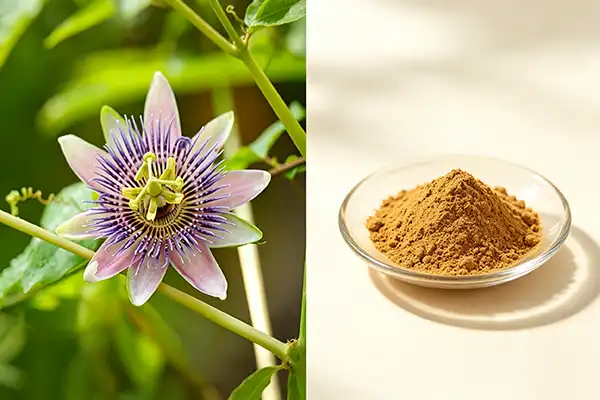
Selecting the Right Passionflower Extract Powder for Your Procurement Needs
To judge quality, you need to know the technical details that set pricey ingredients apart from those of a lower quality. We give procurement teams the analysis tools and source information they need to make smart choices about where to buy things that protect the brand's image and make sure products always work well.
Evaluating Extract Standardization and Purity
Standardization methods have a big effect on how reliable ingredients are. UV spectrophotometry measures the absorption of all flavonoids, which usually gives higher percentages (around 4%). On the other hand, HPLC measures specific molecules like vitexin, which gives smaller percentages (about 1.5%). Both ways of doing things are valid, but in order to avoid specification disagreements, purchase contracts must say which analytical approach is to be used. Our quality paperwork has data from both UV and HPLC, so buyers can check for compliance using whichever testing method they prefer. Heavy metal levels, pesticide residue panels, and microbial limits should all meet USP and EP pharmacopeial standards. Our batches always meet these standards because they are checked at the source at approved growing sites and processed in GMP-compliant facilities.
Certification Requirements and Regulatory Compliance
Different target groups have different documentation needs. Manufacturers of dietary supplements in Europe need materials that are EFSA-compliant and have harmine alkaloid levels below toxicological standards. On the other hand, sellers to the US market put more emphasis on confirming GRAS status and following the Food Chemicals Codex. Our licensing package meets all of these different needs, making it easier for your regulatory affairs team to stay in compliance. Organic certification raises the prices of raw materials by about 20 to 30 percent, but it also opens up higher pricing possibilities in natural channel sales and appeals to consumers who care about the environment. We have both conventional and organic-certified choices, so you can strategically differentiate your portfolio based on how you want to place your brand. Halal and Kosher approvals help businesses reach new customers in certain groups without changing the way the products work or the way they are made.
Supplier Evaluation Criteria Beyond Price
Competitive prices per kilogram are only one part of a reliable supply relationship. Our ready-to-ship inventory means that standard specs can be delivered within 3–5 business days. This is very important when launching goods on short notice or when demand spikes without warning. Technical support is what sets real ingredient partners apart from transactional vendors. For example, our application laboratory helps with recipe optimisation, stability testing, and compounding for cosmetic systems, drinks, and pills. This way of working together helps R&D teams speed up the process of making new products while avoiding costly delays in reformulating old ones. Flexibility in the minimum order size is important, especially for new brands and innovation projects. That's why we accept sample requests and small trial orders before requiring the normal 25 kg business minimum. This lowers the financial risk during the product validation phase.
Practical Application Scenarios and Case Studies in Sleep Aid Markets
It's helpful to know how great companies use this botanical extract in their goods so that they can make better decisions about procurement and product development.
Formulation Strategies for Dietary Supplements
Most sleep aid pills mix the extract Passiflora Incarnata Powder with other plants that work well together to improve more than one part of sleep quality. Passionflower (200–300 mg per dose) is often mixed with magnesium glycinate to help relax muscles and L-theanine to help the GABAergic system even more. The fine brownish-yellow powder mixes well with other materials and keeps its good flow properties during high-speed capsule filling when the bulk density stays between 0.45 and 0.65 g/ml. The extract works well with common excipients in tablet recipes, but formulators should be aware that the material absorbs water, so they should add silicon dioxide as a flow agent in factories with a lot of humidity. Our technical team helps with these optimisation details by giving us stable data that tells us how the shelf-life will work in different storage situations.
OEM and Private Label Opportunities
Contract makers who work with multiple brands know how the extract can be used in a wide range of products. The ingredient is used in more than just standard sleep aids. It's also used in stress-relieving gummies, where natural fruit products hide the taste. Functional beverage makers put it in drinks for relaxing in the evening, but based on the drink matrix, they may need to add maltodextrin or another carrier system to make it more soluble. We work with formulators to find the best carrier ratios that balance how well the active chemical dissolves with its concentration. As stores look for unique SKUs to compete with well-known supplement names, private label possibilities in the natural products sector keep growing. We offer a range of packaging choices, from 25 kg drums of bulk to 1 kg trial sizes, so we can handle both big production runs and the start of a new small brand.
Market Acceptance and Consumer Trends
People are much more aware of passionflower as an ingredient in sleep aids now that the media is talking more about herbal options to prescription sleep aids. Market research shows that claims like "natural" and "non-habit forming" are very appealing to people aged 25 to 55 who have trouble sleeping because of worry. When a product is marketed with a focus on clinical research supporting GABAergic modulation, it builds trustworthiness, especially when this research is backed up by third-party testing proof. The clean label movement prefers plant extracts with well-known names to man-made chemicals that need a lot of explaining. This makes it easier for new products to do well when they come out. Our end-to-end traceability from approved growing bases makes it easy for brands to be open about their buying methods and quality standards. This builds trust among customers, which leads to return purchases and good reviews online.
Industry Insights: Trends and Future Outlook for Passionflower Extract Powder in Sleep Aids
When making strategic buying choices, it helps to know how the market as a whole will affect the need for botanical sleep aid products over the next three to five years.
Growing B2B Demand Drivers
As people become more interested in preventative health care rather than reactive drug involvement, natural sleep options will continue to grow. The global stress crisis is made worse by the demands of the workplace and the use of digital devices. This means that wellness-focused customers looking for daily stress management tools are now part of the target market, in addition to people who suffer from clinical insomnia. Regulatory settings are favoring botanical ingredients with well-established safety ratings more and more. This is because health agencies around the world are looking closely at synthetic sleep aids for risks of addiction and bad effects. This legal windfall makes it easier for formulations to get to market that use ingredients like our standardized extract, which is GRAS and has a lot of evidence about its traditional use.
Innovations in Extraction and Processing Technology
Modern methods of extraction improve absorption and effectiveness while lowering the cost of production. Even though it costs more than regular ethanol extraction right now, supercritical CO2 extraction makes very pure products that are highly valued in specific uses. We keep putting money into processing technology that raises yields and lowers environmental impact, which is in line with what our environmentally conscious brand partners expect. Nano-emulsion technology is a new area of research that could help lipophilic flavonoid chemicals be absorbed better, allowing them to work faster and better at lower amounts. These new ideas open up chances for making claims about products that are different and for developing intellectual property that protects a company's market place against competitors who sell the same things.
Sustainability and Supply Chain Transparency
Suppliers who show ethical buying methods and environmental responsibility are becoming more and more important to people who make purchases. Our relationship model with approved cultivation bases makes sure that agricultural partners are fairly compensated and that quality standards are met by controlling the growing process. Full traceability from choosing the seeds to the final batch of extraction lets brands tell real source stories that connect with customers who care about ethics. Long-term supply dependability is affected by climate; growing in a variety of areas lowers the risk of localized weather problems or changes in regulations that could limit supply from relying on a single source. We are actively working on secondary sourcing options to make sure that manufacturing partners with ongoing production plans and small safety stock buffers can always get the materials they need.
Conclusion
For procurement professionals making natural sleep aids, Passionflower Extract Powder has a lot of great benefits. Standardized levels of active compounds ensure consistency from batch to batch; wide regulatory acceptance makes it easier to sell in multiple markets; and synergistic compatibility with complementary botanicals lets you make more complex formulations. Because the ingredient is different from both pharmaceutical options and competing natural products, it can be used to target a wide range of customers. The market for clean-label, science-backed botanical ingredients is growing quickly. To stay ahead of the competition in the sleep wellness category, it's important to build relationships with dependable suppliers who offer technical partnership, quality transparency, and supply chain flexibility.
FAQ
What makes Passionflower Extract Powder effective for chronic insomnia?
The usual flavonoid content, especially vitexin between 1.2 and 5%, changes the activity of GABA receptors to lower nervousness and mental hyperactivity, which are common causes of long-term problems falling asleep. The plant ingredient helps the body's natural ways of relaxing, unlike strong sedatives that force you to sleep by binding to receptors strongly. Clinical effectiveness only shows up after constant use for two to four weeks, so it's better for long-term stress control than for falling asleep right away.
How does extract powder differ from passionflower tea?
Dried passionflower tea has between 0.5 and 1% total flavonoids, so you need to drink a lot of it to get the therapeutic dose. Our concentrated extract, which is standardized to 3.5% to 10% flavonoids, gives you constant amounts of active compounds in capsule or tablet forms that are good for making supplements for sale. The extraction method also gets rid of tannins and cellulose, which can make digestion uncomfortable. This makes the preparation more tolerable compared to whole-plant preparations.
What quality verification should I require before purchasing?
Ask for a Certificate of Analysis that includes HPLC or UV test results for flavonoid and vitexin levels, heavy metal screening (for example, lead, arsenic, cadmium, and mercury), pesticide residue screens, and microbial testing to make sure there are no pathogens. Check that the supplier's certifications meet the needs of your market. For example, ISO9001, FSSC22000, and related organic certifications provide process quality guarantee. Before committing to business amounts, ask for reference samples that come with full analytical paperwork.
Partner with KH for Premium Passionflower Extract Powder Supply
Since 1996, KH has been making and supplying standardized plant extracts. They have gained a lot of experience processing passionflower, which guarantees high quality and dependability. Our fully integrated method means that we are in charge of every step, from working with certified growers to extracting the cannabis and packaging it. This gets rid of the quality problems that come up in multi-tier supply chains. Procurement managers can choose from ready-to-ship merchandise that can be delivered in three to five days based on standard specs. They can also ask for custom formulations with flavonoid ratios that are best for their particular needs. As a Passionflower Extract Powder producer with a lot of experience, we can back up our shelf-life claims with a lot of scientific data, such as HPLC component spectra, heavy metal testing, and stability data. You can email our technical team at info@kingherbs.com to ask for samples, talk about formulation help, or set up a supply deal that fits your production timeline and volume needs.
References
1. Miroddi, M., Calapai, G., Navarra, M., Minciullo, P.L., and Gangemi, S. (2013). Passiflora incarnata L.: Ethnopharmacology, clinical application, safety, and evaluation of clinical trials. Journal of Ethnopharmacology, 150(3), 791-804.
2. Ngan, A. and Conduit, R. (2011). A double-blind, placebo-controlled investigation of the effects of Passiflora incarnata (passionflower) herbal tea on subjective sleep quality. Phytotherapy Research, 25(8), 1153-1159.
3. Appel, K., Rose, T., Fiebich, B., Kammler, T., Hoffmann, C., and Weiss, G. (2011). Modulation of the γ-aminobutyric acid (GABA) system by Passiflora incarnata L. Phytotherapy Research, 25(6), 838-843.
4. Guerrero, F.A. and Medina, G.M. (2017). Effect of a medicinal plant (Passiflora incarnata L.) on sleep. Sleep Science, 10(3), 96-100.
5. Savage, K., Firth, J., Stough, C., and Sarris, J. (2018). GABA-modulating phytomedicines for anxiety: A systematic review of preclinical and clinical evidence. Phytotherapy Research, 32(1), 3-18.
6. Bent, S., Padula, A., Moore, D., Patterson, M., and Mehling, W. (2006). Valerian for sleep: A systematic review and meta-analysis. American Journal of Medicine, 119(12), 1005-1012.
Send Inquiry

Related Industry Knowledge
- Ivy Extract Powder: Is It Better Than Cough Syrup?
- How Does Astaxanthin Powder And Oil Support Skin Health?
- How Fast Does Bitter Melon Extract Powder Deliver Benefits?
- What is Astaxanthin? Benefits, Dosage and More!
- Why Is Apple Root Extract Gaining Popularity in 2026?
- What Makes Macleaya Cordata Extract a Competitive Ingredient?
- What Is Isatis Root Extract? Uses and Functions
- Why Choose Organic Valerian Root Extract Powder for Wellness?
- Why Vine Tea Extract Is the Next Big Functional Ingredient?
- Can Mango Leaf Extract Powder Help With Weight Management?