_1762508637542.webp)
What is Astaxanthin? Benefits, Dosage and More!
May 28, 2026
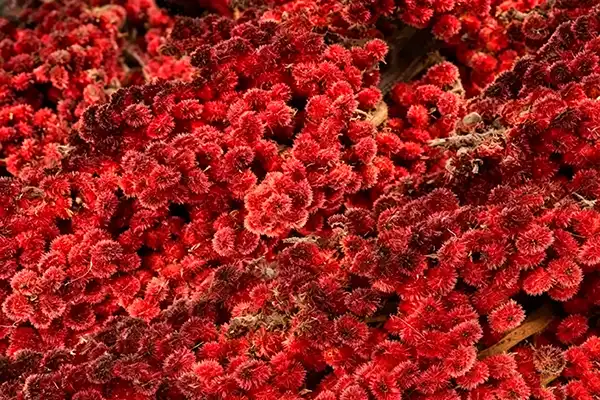
Astaxanthin is one of nature's strongest antioxidants. It is mostly found in Haematococcus pluvialis Astaxanthin Powder and Oil microalgae. Understanding the differences between Astaxanthin Powder and Oil is crucial for product creation success for B2B sourcing workers working in the nutraceutical, cosmetic, and functional food industries. Each of these two types of delivery has its own benefits. Powders have concentrations ranging from 1% to 96% and work best in pills, capsules, and dry mixes. Oils, on the other hand, dissolve better in lipids and work better in softgels and skin care products. This complete guide talks about important things to think about when buying, how to dose, and how to formulate your products so that your supply chain and products work better in competitive markets.
Understanding Astaxanthin: Nature, Forms, and Uses
What Makes Astaxanthin a Unique Carotenoid?
Astaxanthin is a type of carotene that comes from xanthophyll. It is unique because it has a keto-group structure that makes it a very good antioxidant. Unlike beta-carotene or lutein, astaxanthin can pass through both the blood-brain and blood-retinal walls. This means it can be used in special ways to improve brain and eye health. When astaxanthin is taken from Haematococcus pluvialis, it mostly has the (3S,3'S) stereoisomer in esterified form, which makes it much more bioactive than manufactured racemic mixes. This stereochemical purity is very important for B2B clients who are trying to sell high-end supplements in markets where clinical proof and customer trust are what make people buy.
Powder and Oil Forms: Production and Physical Properties
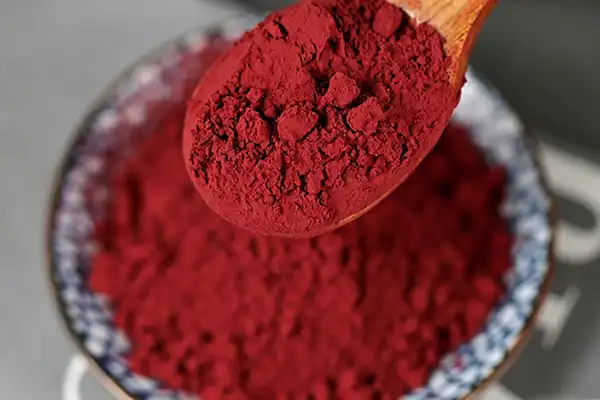
The features of the finished object depend on the steps used to make it. Astaxanthin oil, also known as oleoresin, is made by supercritical CO2 extraction or organic solvent methods. It produces dark red, thick liquids with a total carotene content that is measured between 5% and 20% by HPLC measurement. When added to lipid-based transport methods, our oil keeps the natural ester structure, which makes it more stable and easier for the body to absorb. Spray-drying or microencapsulation methods using starch, gum arabic, or gelatin structures are used for powder production, on the other hand. These beads keep the carotenoid core from breaking down due to oxidation while letting water mix with it. Our standards include 1% standardization for use in drinks and 96% standardization for high-concentration medicinal uses. These standards have been checked using HPLC/UV testing methods. The fine red to dark red powder shows that the substance was processed correctly and is still active.
Cross-Industry Applications Driving Market Growth
Knowing what the application needs helps you choose a style. Dietary supplement companies like oil formulas for softgel encapsulation because the lipophilic properties of the oil match the ways that bile salts are absorbed in the digestive system. Functional drink makers need powders that can be mixed with cold water and keep their brightness without settling. Astaxanthin's ability to protect cells from UV-induced oxidative stress is used by cosmetic formulators to add oil concentrates to anti-aging serums and sun protection products. Both types are being used more and more in pre-workout and recovery products by sports nutrition brands. Aquaculture companies use powder coating on extruded feeds to improve the color of farmed salmon, Natural Astaxanthin Supplement, and shrimp meat, and their immune systems.
Comprehensive Benefits of Astaxanthin Powder and Oil
Superior Antioxidant Capacity: The Scientific Foundation
According to research, astaxanthin has singlet oxygen cooling rates that are about 6,000 times higher than those of vitamin C and 550 times higher than those of vitamin E in certain tests. Its unique chemical structure, which includes polar hydroxyl end-groups and a linked polyene chain, makes it very good at neutralizing free radicals. Astaxanthin is different from other antioxidants because it moves across cell membranes and protects both fatty and watery parts of cells at the same time. This two-part process explains why it has broad-spectrum protective benefits that have been shown in clinical studies. The biological effects include lowering oxidative stress markers caused by exercise, protecting mitochondrial function, and supporting the processes that cells use to make energy. These are all benefits that are especially important for the growth of sports nutrition products.
Skin Health and UV Protection Mechanisms
Dermatological uses are a market area that is growing very quickly. Oral supplementation with 4-6 mg daily has been shown in clinical tests to reduce fine lines, improve skin moisture levels, and raise measures of flexibility over 12 weeks. In this process, matrix metalloproteinase is stopped from breaking down collagen, and inflammation prostaglandin production is lowered after UV exposure. Topical application provides limited photoprotection for cosmetic formulators, but oil-based delivery methods need careful thought regarding oxidative stability after formulation. Our nitrogen-flushed packing and light-resistant cases keep the carotenoid potency even during shipping, which is an area where many competing goods fail. Because it protects against damage, astaxanthin is a good ingredient for anti-aging and sun care products that are aimed at picky customers.
Safety Profile and Storage Requirements
Astaxanthin has been the subject of many toxicology studies and is very safe. No side effects have been reported at amounts of up to 40 mg per day in long-term human testing. This perfect safety record makes the approval process easier for regulators around the world. But you need to pay attention to how stable the raw materials are. When exposed to light, heat, and oxygen in the air, both Astaxanthin Powder and Oil quickly degrade. Temperatures below 15°C, nitrogen-flushed or vacuum-sealed packaging, and cases that don't let light through are the best conditions for keeping. Our metal box, packed with foil bag inserts, keeps the product's potency even when it's shipped internationally or stored in a warehouse. Formulators must add the same safety measures to finished goods, like using amber glass, opaque HDPE bottles, or blister packaging with desiccants to make sure that the label claims are true throughout the product's shelf life, which is usually 24 months for oil and 36 months for microencapsulated powder if stored properly.
Astaxanthin Powder vs Oil: Which is Best for Your Business Needs?
Bioavailability and Absorption Considerations
Bioavailability is a key reason for claiming that a drug works, and the way it is delivered has a big effect on it. Astaxanthin oil mixtures naturally mix with lipids, which makes them easier for the body to absorb when eaten with fats. Studies show that peak plasma levels happen about 8 hours after fat carriers are eaten. Microencapsulated powder uptake depends on the makeup of the matrix. In gastric conditions, gelatin-based beadlets dissolve better than starch-based matrices. Oil-filled softgels are the gold standard for formulators who want to make goods that are as bioavailable as possible. Nano-emulsion powder technology has improved, allowing water-dispersible forms that are getting closer to oil-equivalent absorption rates. This opens up more formulation options for drinks and gummies, where oil can be hard to work with because it doesn't mix evenly or stay stable.
Stability, Shelf Life, and Cost Analysis
Economic factors include more than Natural Astaxanthin Supplement just the original cost of materials. Astaxanthin Powder And Oil with a high concentration cost more, but uses that need a smaller dose may be able to save money by using diluted specs. Most of the time, oil formulations cost more per kilogram, but they give concentrated doses, which means that capsule size and fill equipment needs are reduced. Powder versions work better in tablets and hard pills than oil versions, which can cause quality problems. Stability profiles are very different: powder that is properly enclosed can handle mechanical stress during tablet compression better than carriers that are soaked in oil. But once the structure of the capsule breaks, the powder quickly oxidizes. Find the total cost of the mixture, taking into account the ingredients, the need for packing, and the testing methods for stability. Our ready stock and 3-5 day shipping on standard specs lower the cost of keeping inventory on hand, and our custom formulation support helps you get the best results for your application without having to spend a lot of money on trial-and-error development.
Natural vs. Synthetic: Quality and Market Perception
Beyond following the rules, natural sources affect how customers see products and how much they can be charged. Astaxanthin that comes from algae is naturally very expensive, especially in North America and Europe, where consumers are increasingly interested in buying products with clean labels. People are skeptical of synthetic versions, and they can't be used in as many situations, even though they cost less to make. The distribution of stereoisomers is very different. Natural extracts mostly have bioactive (3S,3'S) forms, while manufactured goods mix three stereoisomers with different levels of potency. Our relationships in farming allow us to control every aspect, from choosing the strains to the time of the harvest. This way, we can get the highest concentration of astaxanthin while reducing the off-flavors and contaminants that are common in lower-quality algal biomass. This quality control upstream ensures consistency from batch to batch, which cuts down on the need for checking the finished product and helps labels make claims that are true, which builds a brand's image.
Strategic Procurement of Astaxanthin Powder and Oil for B2B Clients
Evaluating Suppliers: Certifications and Compliance
Tough requirements for suppliers protect your brand's image and your standing with regulators. It is important to find partners who have up-to-date ISO9001, FSSC22000, and HACCP certifications. These frameworks make sure that quality control systems catch deviations before they get to your site. Check the analytical skills by asking for method confirmation data for the HPLC/UV processes that were used in the batch release. Our thorough testing methods look at more than just the amount of astaxanthin present. They also check for heavy metals, microbiological safety, stereoisomer ratios, oxidation markers (astaxene formation), and leftover liquid analysis when needed. To check for uniformity, ask for Certificate of Analysis paperwork that covers more than one production batch. Suppliers who give formulation support, stable data, and application advice show that they care about their customers in more ways than just a business connection. Geography is important. It's easier to communicate with domestic sources, and dealing directly with manufacturers cuts out markups for distributors and opens the door to talks about customization.
Bulk Purchasing Strategies and Pricing Dynamics
Knowing market prices keeps you from paying too much, and knowing that quality and cost are related keeps you from overpaying. Natural astaxanthin powder costs between $600-$1,800 a kilogram on the market right now, based on how concentrated it is. A 5% standardization costs around $800 a kilogram, while a 10% concentration costs close to $1,400 a kilogram. The price of oil also depends on how concentrated it is; 10% oleoresin costs about $2,000/kg. These numbers change based on the yields of Haematococcus farming and the cycles of world demand. Talk about committing to a certain amount of goods to get better prices. For example, yearly contracts that guarantee quarterly shipments usually result in 8–15% cost savings compared to buying things on the spot. Our MOQ structure is flexible enough to allow sample sales and small-batch trials (with a business minimum of less than 25 kg). This lets us develop new products without having to spend a lot of money up front. Think about the total landing cost, which includes freight (we offer courier, air, and ocean shipping), import taxes, storage, and quality testing costs. Most of the time, building smart ties with suppliers is more valuable in the long run than just looking for the lowest price.
Quality Assurance and Long-Term Partnership Development
Follow the rules for inspecting arriving materials, even if the seller has certifications. Basic steps include looking at the sample visually (the strength of the color shows the concentration), analyzing the moisture content (high moisture speeds up degradation), and using HPLC to confirm what the label says. Our batch-level paperwork comes with full analytical results that give your QA team the confidence to release materials. Talk about the stability promises. Reliable providers confirm that specifications will be met for the full stated shelf life and under specified storage conditions. Ask for retention samples so that you can look into any quality issues that come up while the product is still on the shelf. Long-term partnerships allow for customization options such as specific ester ratios for better stability, custom concentrations that meet your exact dose needs, or unique encapsulation grids for tough uses. Our expert team works together to solve formulation problems by sharing information on compounding ratios, pH compatibility, and heat stability. This consultative method cuts down on development costs and failed trials while speeding up your time to market.
Best Practices for Using and Storing Astaxanthin Powder and Oil
Dosage Guidelines Across Applications
To turn clinical studies into market products, we need to have a good understanding of the Astaxanthin Powder and Oil dose-response. General health and antioxidant support programs usually use 4-6 mg daily, which is in line with the results of several published human studies. Based on dermatological study designs, 6 to 8 mg daily for 8 to 12 weeks is used in skin health uses that aim to protect against UV rays and slow down the aging process. Eye health and visual function formulas contain 6 to 12 mg daily, which is the same amount that is used in ophthalmological studies. 8 to 16 mg per day may be used for athletic recovery and exercise performance goods, especially for elite players and situations with a lot of training. Cosmetic formulators use amounts between 0.01% and 0.1% in finished skin products to balance how well they work with how they look and how much they cost. These guidelines give you a place to start when making a new product, but your unique placement and target audience will determine the final dose strategies. Putting clear directions for supplementation on product packages makes it easier for people to follow them and makes them happier with the results.
Storage Protocols Preserving Antioxidant Potency
Using the right storage methods stops expensive materials from breaking down. As soon as you get bulk Astaxanthin Powder and Oil, you should move the materials right away to climate-controlled areas with temperatures below 15°C. For microencapsulated powders in new cases, room temperature is fine. Use orange containers or dark secondary packaging to protect from direct light. Minimize air exposure—if the container is opened, clear the headspace with nitrogen before resealing it or moving the contents to smaller containers to get rid of the extra volume. Check the storage places for changes in temperature and humidity, especially when powder is being stored, as hygroscopic clumping can mean that the capsule isn't working right. For oil-based mixtures, cooling can greatly extend the shelf life. FIFO (first-in, first-out) rotation rules are used to keep track of stockpiles, and aged materials should be tested for effectiveness before they are used in production. Our 25 kg drum package comes with metal foil inner bags that work great as barriers. However, once the contents are opened, they should be used within 3 to 6 months to keep the quality high.
Formulation Techniques Enhancing Stability and Absorption
Advanced manufacturing methods improve the performance of a product. For oil-based softgels, add vitamin E (d-alpha tocopherol) at a concentration of 0.5 to 1.0% to protect astaxanthin from oxidation and provide extra antioxidant benefits. Incorporate oils that are high in omega-3 fatty acids to create a beneficial position, but be sure to keep an eye on reactive stability by testing the peroxide value. Adding flow agents (silicon dioxide), vitamins (ascorbic acid, but watch out for pH effects), and the right excipients for your delivery format can help powder products work better. For beverage uses, emulsifiers like gum arabic and modified starch are needed to make sure that the ingredients are evenly distributed and that they don't settle to the bottom. Our application labs can help you come up with the best formulas for your pH, temperature, processing, and packaging system. Tablet compression needs the right glue choice and the right amount of compression force to keep the beads from breaking, which speeds up the oxidation process. When making cosmetic emulsions, it's important to choose the right phase. Oil-in-water systems work best for light serums, while water-in-oil formulas protect the lipophilic pigment better in protective creams.
Conclusion
Astaxanthin is an ingredient that has been proven to work by science. It meets the growing demand from consumers for nutritional solutions that are backed up by proof in supplement, beauty, and functional food categories. To create and buy products successfully, you need to know the main differences between powder and oil delivery forms, as well as their specific uses and stability needs. When compared to manufactured options, natural sourcing from Haematococcus pluvialis has regulatory benefits, better bioactivity, and a clean label position. Strategic source selection that focuses on certifications, analysis skills, and technical support changes buying raw materials from a one-time transaction to a partnership-based process that leads to new ideas. As the market grows and more studies show that astaxanthin has many health benefits, it creates great chances for brands to stand out by using science-based ingredients in their products.
FAQ
1. Is Astaxanthin Oil Suitable for Vegan Products?
Astaxanthin's vegan status varies on where it comes from and what it is packaged in. Astaxanthin that comes from microalgae is naturally vegan because it is grown without using any animal products. However, some powder versions use gelatin packaging, which means they can't be certified as vegan. Our product specs make it easy to find the right encapsulation materials for vegan product lines. It is usually easier for oil formulations to become vegan, but check the softgel capsule shells separately because normal gelatin capsules need to be replaced with plant-based options like modified starch or pullulan to be vegan-friendly.
2. What Packaging Prevents Astaxanthin Oxidation During Shipping?
Protective wrapping is very important for keeping the strength. We use metal foil bags that have been flushed with nitrogen inside fiber drums to block light and air during foreign shipping. With a nitrogen atmosphere, a metal foil moisture and light barrier, and a rigid outer drum, this three-layer security system keeps the carotenoids stable, even during long ocean freight. As soon as you get the materials, check to make sure the packaging is still intact and store them as directed. Ask about packing details when you're evaluating suppliers, because materials lose their effectiveness before they even get to your site if they aren't properly protected.
Source Premium Astaxanthin from a Trusted Manufacturer
Choosing the right Astaxanthin Powder And Oil provider has a direct effect on Astaxanthin Powder And Oil the quality of your product and how well it does in the market. Since 1996, Kingherbs Limited has been a leader in botanical extracts. They do this by mixing advanced extraction technologies with agreements that control everything from seed selection to harvest timing. They only use pure water or food-grade ethanol for extraction. Standard orders can be delivered within 3–5 business days from our ready-stock collection, and our application laboratory helps with formulating drinks, gummies, tablets, and skin care systems by testing their safety in depth.
We offer flexible purchasing options, including sample orders for initial testing and business amounts starting at 25 kg. Our products are packed in nitrogen-flushed, light-resistant cases to keep their potency throughout your supply chain. Full certificates like ISO9001, FSSC22000, KOSHER, HALAL, HACCP, and FDA compliance help you meet legal needs in markets around the world. In addition to offering materials, our scientific team acts as your formulation partner, giving you HPLC component spectra, application advice, and custom compounding solutions with the right ratios to match your product vision.
Email our team at info@kingherbs.com to talk about your particular needs. Whether you need high-concentration astaxanthin for high-end softgels or water-dispersible powder for functional drinks, we can provide uniform quality, batch-level documentation, and expert help as you create your product. Get samples of our plant ingredients today and see what makes Kingherbs different.
References
1. Ambati, R.R., Phang, S.M., Ravi, S., and Aswathanarayana, R.G. (2014). "Astaxanthin: Sources, Extraction, Stability, Biological Activities and Its Commercial Applications." Marine Drugs, 12(1), 128-152.
2. Davinelli, S., Nielsen, M.E., and Scapagnini, G. (2018). "Astaxanthin in Skin Health, Repair, and Disease: A Comprehensive Review." Nutrients, 10(4), 522-541.
3. Fassett, R.G. and Coombes, J.S. (2011). "Astaxanthin: A Potential Therapeutic Agent in Cardiovascular Disease." Marine Drugs, 9(3), 447-465.
4. Guerin, M., Huntley, M.E., and Olaizola, M. (2003). "Haematococcus Astaxanthin: Applications for Human Health and Nutrition." Trends in Biotechnology, 21(5), 210-216.
5. Tominaga, K., Hongo, N., Karato, M., and Yamashita, E. (2012). "Cosmetic Benefits of Astaxanthin on Human Subjects." Acta Biochimica Polonica, 59(1), 43-47.
6. Yuan, J.P., Peng, J., Yin, K., and Wang, J.H. (2011). "Potential Health-Promoting Effects of Astaxanthin: A High-Value Carotenoid Mostly from Microalgae." Molecular Nutrition & Food Research, 55(1), 150-165.
Send Inquiry
_1773796485210.webp "Honeysuckle Flower Extract Powder")
Related Industry Knowledge
- How Apple Root Extract Supports Skin Regeneration?
- Onion Extract Benefits You Can’t Ignore in 2026
- Valerian Root Extract Powder vs Whole Root Powder — Key Differences
- Can Valerian Root Extract Powder Improve Sleep Quality?
- Is Valerian Root Extract Powder Safe for Everyday Use?
- What Makes Couch Grass Rhizome Extract Unique?
- Watermelon Powder with Natural Citrulline for Performance
- Purple Sweet Potato Extract in Premium Functional Beverages
- Why Olive Extract Powder Is Trending in Wellness Markets?
- Mango Leaf Extract Powder vs Other Botanical Extracts