_1762508637542.webp)
Nettle Extract Powder Wholesale Guide for Global Buyers
Jul 22, 2026
Navigating the wholesale market for botanical ingredients demands precision, reliability, and deep industry insight. This comprehensive guide to sourcing Nettle Extract Powder addresses the critical procurement concerns of global buyers—from quality verification and regulatory compliance to supplier evaluation and logistics optimization. Derived from Urtica dioica, this fine brownish-yellow powder has become a cornerstone ingredient across dietary supplements, cosmetics, and functional foods. With the natural products market projected to exceed $480 billion by 2028, understanding how to source premium nettle root and leaf extracts is essential for maintaining a competitive advantage and meeting evolving consumer demands in the United States and beyond.
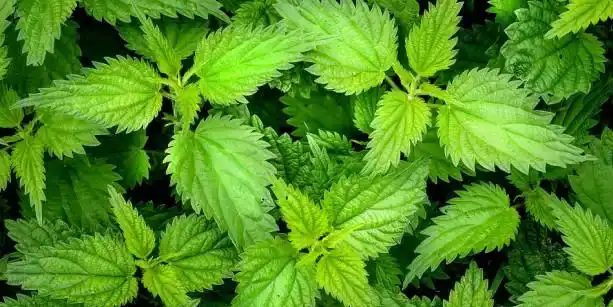
Understanding Nettle Extract Powder and Its Market Potential
What Makes This Botanical Ingredient Essential?
Nettle Extract Powder is a concentrated form of Urtica dioica's most valuable bioactive compounds, such as silica, polyphenols, lignans, and β-sitosterol. Standardized extraction methods, like using pure water or food-grade ethanol, keep these helpful parts of the plant while getting rid of the plant's natural irritants. Bioavailability tests show that the powder is better than whole leaf preparations, which makes it perfect for use in many industries.
The market for plant extracts is still growing very quickly around the world. Nettle-based goods are becoming more popular in hair care, anti-inflammatory, and joint health supplements. A study in the journal Phytotherapy Research shows that nettle can help with metabolic health and joint comfort. This is increasing demand among health-conscious people looking for natural options. This trend opens up a lot of possibilities for producers who can get supplies that are reliable and of good quality.
Market Dynamics Across Key Regions
Plant-based vitamins are becoming more and more popular in North America, with the US showing the most steady growth in demand. This region's purchasing managers put a high value on organic approval, non-GMO verification, and clear supply lines. European buyers also put a lot of weight on environmental standards and proof of traceability, especially when it comes to heavy metal tests and pesticide residue analysis. Asian markets are becoming more interested in standardized plant products for both personal use and export production. This makes the global scene complicated but full of opportunities.
Industry data shows that natural anti-inflammatory ingredients are very expensive, but buyers have a hard time finding suppliers who can make sure that consistency from batch to batch. Low-grade commodity powders and pharmaceutical-grade extracts are often differentiated by the way they are extracted, where the raw materials come from, and how they are quality-controlled. These are all things that have a direct effect on how well the mixture works and how well it meets legal requirements.
How to Choose the Best Nettle Extract Powder for Wholesale
Aligning Product Specifications with Business Objectives
Clear specification needs are the first step to a successful purchase. Dietary supplement companies usually need standardized extracts with a confirmed B-sitosterol content of 0.8% to 8%, which can be shown by HPLC analysis. For hair and skin uses, cosmetic formulators may focus on silica content (1% to 8%), while functional food makers need powders that are easy to dissolve and don't have a strong flavor. Which specs are most important depends on what you're using nettle root extract powder for in the end.
Contract manufacturers and OEM partners should check the consistency of particle size (usually 80 mesh is best for encapsulation) and moisture content (below 5% to stop microbes from growing and make sure the product stays stable on the shelf). The extraction ratio (10:1, 20:1, or custom ratios) affects both the potency and the cost, so you need to think carefully about the amount you want to use and how you want to price your products at sale.
Quality Benchmarks That Matter
Premium nettle extracts have a brownish-yellow color that doesn't change much from batch to batch, which means they were processed and stored correctly. Reliable sellers give full Certificates of Analysis (CoA) that show the amounts of active compounds, heavy metals (lead less than 3.0 mg/kg and arsenic less than 2.0 mg/kg), microbes, and liquid residues that were tested. These technical specifications aren't just forms; they mean the difference between formulations that are compliant with FDA rules and those that aren't.
Certifications are an important way to make sure that factory standards are met. Look for providers that follow the rules set by ISO9001, FSSC22000, and HACCP. These show that they handle quality in a planned way. For products that are aimed at certain groups of people, KOSHER and HALAL certifications remove barriers to distribution. Premium product lines are more valuable when they have organic approval from the USDA or a similar body. However, the cost of raw materials usually goes up by 15–30%.
Comparing Product Forms and Applications
In addition to standardized extracts, buyers can find whole leaf powder, tea-cut material, and liquid concentrates made from nettles. Whole leaf powder is cheaper, but the amounts of active compounds in it aren't always the same. This means that it's good for traditional tea blends but not so good for supplement uses that need accurate label claims. Even though standardized extracts cost more per unit, they provide the predictability needed for safe, GMP-compliant manufacturing.
Liquid extracts solve some recipe problems in drinks and medicines, but they add to the weight of shipping and need to be kept fresh. Spray-dried powders are convenient, but some phytonutrients may be lost when they are heated. By comparing these trade-offs to your specific production needs, you can avoid costly delays in reformulation.
Sourcing Nettle Extract Powder in Bulk – Strategies for Global Buyers
Identifying Reputable Supply Partners
Decisions about where to source goods have a big effect on the stability of the supply chain and the total cost of goods delivered. European providers, especially those from Germany and Poland, offer close access to raw materials that have been collected in the wild and well-known quality standards. However, prices are higher because of the higher costs of doing business in those countries. Asian manufacturers, especially those that do everything from growing the plants to extracting the oil, can offer competitive prices and meet international quality standards if they are properly checked out.
China has become a major center for making plant extracts. Companies like Kingherbs Limited (founded in 1996) show that pharmaceutical-grade materials can be made with long-term knowledge. The key is to carefully evaluate suppliers by looking at building certifications, asking for audit reports, and placing small test orders before committing to large orders. Direct connections with manufacturers cut out markups for middlemen and give you access to technical help and the ability to make your own formulas.
Pricing Models and Volume Economics
Nettle extracts have different wholesale prices that depend on the complexity of the order, the amount of the order, and the state of the market. Standard ratio extracts (10:1 or 20:1) usually cost $15 to $35 per kilogram in quantities of 500 kg or more. High-potency extracts with 5% or more of B-sitosterol cost $45-80 per kilogram. Knowing these standards helps procurement managers bargain well and stick to their budgets for nettle root extract powder.
Minimum order quantities (MOQ) are an important thing to think about. Some providers have minimum order quantities of 1000 kg, but our flexible partners can do small-batch trials starting at 25 kg. This lets us test new ideas before we start mass production. This method lowers the risk to the company's finances and lets them improve the recipe. More often than not, volume discounts start at 100 kg, and prices drop significantly at 500 kg and 1000 kg.
Logistics and Regulatory Navigation
When you ship goods internationally, there are more issues than just freight costs. Nettle extracts with the HS Code 1302 have different import taxes that depend on the country where they are going and any free trade deals that are in place. Importers in the United States have it easier when it comes to customs, but they still need to make sure their sources give them the right paperwork, like phytosanitary certificates, non-GMO declarations, and allergen statements.
Lead times are very different. Express courier services send sample amounts in three to five business days, air freight handles packages of 25 to 100 kg in seven to ten days, and ocean freight moves large amounts cheaply but takes thirty to forty-five days. Smart procurement managers keep safety stock levels that take these deadlines into account while negotiating Incoterms (usually FOB or CIF) that make it clear who is responsible for costs and where risk is transferred.
Maximizing the Benefits of Nettle Extract Powder in Your Product Line
Formulation Guidance for Different Applications
For joint health, dietary supplements usually have 300–600 mg of standardized nettle extract per dose. Hair growth products might have 200–400 mg of nettle extract mixed with other plants like saw palmetto or biotin. The powder's bland flavor and small particles make it easy to mix in capsule, tablet, and powder delivery forms without the need for a lot of masking agents.
Nettle's anti-inflammatory and antioxidant properties are used in cosmetics like shampoos, scalp serums, and topical creams at concentrations between 0.5 and 3%. The silica content is especially good for hair-strengthening products, and the polyphenol compounds help with scalp irritation and keep hair follicles healthy. Stability tests should be done by formulators to make sure that the color and activity stay the same over the shelf life that was planned. This is especially important for water-based systems where oxidation may occur.
When making functional drinks, adding plant ingredients while keeping the drinks clear and tasty can be tricky. Nettle's mild sharpness needs to be carefully balanced with flavorings and sweeteners. Microencapsulation or complexation with cyclodextrins can make the substance more soluble and hide unpleasant smells, but they cost more to process. Testing for pH stability in the normal range of 3.5 to 4.5 for RTD drinks stops precipitation and energy loss.
Safety Considerations and Consumer Communication
Although nettle products are very safe in clinical studies, responsible makers are aware that there may be times when they shouldn't be used. People who are on blood pressure, clotting, or diuretic drugs should talk to their doctors before using. Women who are pregnant or nursing should also be careful, but there isn't enough evidence to say for sure that they shouldn't.
Quality assurance includes testing both the ingredients and the finished product. Setting daily limits on accepted amounts, testing for allergens (nettle may cross-react with some pollen allergies), and putting in place systems to track bad events show that companies care about keeping their customers safe. These actions help people trust a brand and lower its risk of liability in a regulatory environment that is being looked at more closely.
Why Partner with a Professional Nettle Extract Powder Supplier?
Customization Capabilities That Drive Innovation
Leading providers are more like expert partners than just sellers of goods. Custom extraction ratios are made to fit the needs of each recipe. For example, a 30:1 ratio might be the most cost-effective way to make high-dose products, while a 5:1 ratio keeps more phytonutrient profiles for selling whole-plant benefits. Blending services join Nettle Extract Powder with plants that go well with it, like turmeric or ginger. This makes unique ingredient systems that set your goods apart.
Flexible packaging meets a wide range of operational needs. Large manufacturers can use 25 kg fiber drums with two food-grade liners, while smaller brands and contract packagers who handle many SKUs can use 1 kg and 5 kg portions. Private labeling services, stable testing support, and application labs all help with development from start to finish, which cuts down on the time it takes to get a product on the market.
Traceability and Quality Assurance Systems
Traceability is used by advanced providers from the time the crops are grown until they are packed. It is important to know if the raw materials came from standard Asian crops or organic farms in Eastern Europe. This information affects both marketing claims and risk assessments for heavy metals and pesticide residues. Documentation that is special to each batch, such as harvest dates, extraction settings, and testing results, makes it easy to answer any quality questions quickly.
Controlling the process, not testing after the fact, is what leads to consistent quality. Suppliers who use statistical process control (SPC) methods find the causes of variation before they affect the finished goods. Batch-to-batch variation drops to less than 5% when extraction parameters are tightly controlled, and new raw materials are carefully screened. This gets rid of the need for complicated remixing and customer comments about inconsistent products.
Long-Term Partnership Value
Relationship-based buying lowers the total cost of ownership in more ways than just the price of each unit. Formulation problems can be solved quickly with responsive technical support, and proactive inventory management is possible with clear communication about crop conditions or production limits. When demand changes, having suppliers who are willing to hold consignment goods or offer open payment terms can help your business's finances.
Innovation pipelines are another benefit of working together. When companies spend money on new ways to remove ingredients, like using supercritical CO2 or enzymatic treatment, they can offer unique ingredient combinations that set their products apart from the competition. Early access to these new products and agreements to be the only ones selling them in certain markets turn supplier relationships from transactional needs to strategic assets.
Conclusion
Finding good Nettle Extract Powder means combining a lot of different things: making sure that the technical specs match the needs of the application, making sure that the seller can make sure that the powder is consistent and follows the rules, and making sure that the total cost of the powder is as low as possible. The market for natural anti-inflammatory ingredients and botanical supplements is growing, which means that brands that can find reliable suppliers will have a lot of opportunities. To protect both product quality and the company's image, procurement experts make sure that certifications like ISO9001 and FSSC22000 are given top priority, that full batch paperwork is requested, and that relationships with experienced manufacturers are formed. Putting money into carefully evaluating suppliers and building relationships with them pays off in the form of lower risk, better recipe performance, and higher market competitiveness in the natural goods sector, which is growing.
FAQ
1. What distinguishes nettle root extract from leaf extract in wholesale applications?
Nettle root products usually have more β-sitosterol than other types, which is why they are used more often in supplements for prostate health and urinary performance. Leaf products have a wider range of polyphenols that can be used to treat inflammation and improve joint health. Many sellers offer root and leaf products that work together to provide benefits, but they cost more. Specification sheets make it clear which plant part was used. Checking this makes sure that your mixture works the way it's supposed to.
2. How can buyers verify supplier quality before large commitments?
Ask for different kinds of proof, like up-to-date GMP licenses, recent audit reports from a third party, and licenses of Analysis from at least three recent production runs. Do small test orders (25–100 kg) to check the physical properties, solubility, and compatibility with other formulations. Independent testing in approved labs checks that the specs given are correct and looks for hidden adulterants or contaminants that lower the quality.
3. What typical lead times should buyers expect for custom formulations?
Usually, making a sample of a custom ratio extract takes two to three weeks, which includes optimizing the extraction process and making sure the results are correct. Depending on the availability of raw materials and the production schedule, commercial production takes an extra three to four weeks. Established providers who keep a ready supply of base extracts can shorten lead times, cutting custom mixing down to 7–10 days. Delays that cost a lot of money can be avoided by building relationships that put your work schedule first.
Partner with KH for Premium Nettle Extract Powder Supply
Kingherbs Limited can help you with your procurement problems because they have been extracting plants for almost 30 years. We are a well-known company that makes Nettle Extract Powder and has certifications for quality control, such as ISO9001, FSSC22000, KOSHER, HALAL, and HACCP. We can give your products the quality, stability, and legal compliance they need. Our methods for extracting pure water and ethanol make fine brownish-yellow powders that contain verified amounts of B-sitosterol and silica. These powders are backed by full HPLC analysis and batch tracking. We can take sample orders starting at 25 kg, and we have ready stock that lets us deliver in 3–5 days. Our application laboratory helps with recipe optimization for supplements, cosmetics, and functional foods. Contact us at info@kingherbs.com to talk about your specific needs and see how strategic partnerships with suppliers lead to better products.

References
1. Kregiel, D., Pawlikowska, E., & Antolak, H. (2018). Urtica spp.: Ordinary Plants with Extraordinary Properties. Molecules, 23(7), 1664.
2. Roschek, B., Fink, R. C., McMichael, M., & Alberte, R. S. (2009). Nettle extract (Urtica dioica) affects key receptors and enzymes associated with allergic rhinitis. Phytotherapy Research, 23(7), 920-926.
3. Dar, S. A., Ganai, F. A., Yousuf, A. R., Balkhi, M. U., Bhat, T. M., & Sharma, P. (2013). Pharmacological and toxicological evaluation of Urtica dioica. Pharmaceutical Biology, 51(2), 170-180.
4. Johnson, T. A., Sohn, J., Inman, W. D., Bjeldanes, L. F., & Rayburn, K. (2013). Lipophilic stinging nettle extracts possess potent anti-inflammatory activity, are not cytotoxic, and may be superior to traditional tinctures. Phytomedicine, 20(2), 143-147.
5. Riehemann, K., Behnke, B., & Schulze-Osthoff, K. (1999). Plant extracts from stinging nettle (Urtica dioica), an antirheumatic remedy, inhibit the proinflammatory transcription factor NF-κB. FEBS Letters, 442(1), 89-94.
6. Otles, S., & Yalcin, B. (2012). Phenolic compounds analysis of root, stalk, and leaves of nettle. The Scientific World Journal, 2012, 564367.
Send Inquiry

Related Industry Knowledge
- Angelica Officinalis Extract Benefits for Women’s Wellness
- Angelica Officinalis Extract Extraction Process Explained for Buyers
- How Quickly Can Blueberry Extract Powder Show Visible Benefits?
- What Industries Commonly Use Artemisinin Powder Today?
- Ivy Extract Powder: A Traditional Medicine for Cough and Respiratory Health
- Passionflower Extract Powder: A Natural Way to Help with Stress & Sleep Support
- How to Select Premium Macleaya Cordata Extract Powder?
- What Is Isatis Root Extract? Uses and Functions
- What Makes Mango Leaf Extract Powder a Top Herbal Ingredient?
- Can Mango Leaf Extract Powder Help With Weight Management?