_1762508637542.webp)
What Industries Commonly Use Artemisinin Powder Today?
Jun 22, 2026
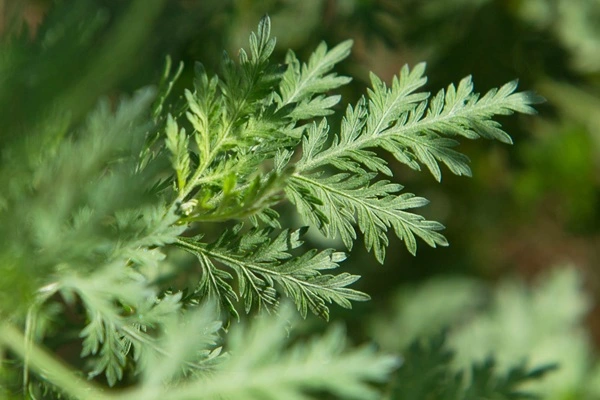
Artemisinin Powder has become an important ingredient in many industries, including agriculture, nutraceuticals, foods, cosmetics, and medicine. This clear, crystalline substance comes from the Artemisia annua plant and has a special endoperoxide bridge that makes it effective against malaria and other diseases. Standardised artemisinin extract, which comes in amounts from 3% to 99%, is used all over the world for a wide range of purposes, from making malaria medicines to making immune-supporting products and natural ways to get rid of parasites. As the world moves toward natural products that are backed by evidence, procurement managers are looking for high-purity plant extracts that can be tracked and meet USP and EP standards.
Introduction to Artemisinin Powder and Its Industrial Relevance
This sesquiterpene lactone comes from Artemisia annua L., which is also known as sweet wormwood. Since it was discovered, it has changed the way medicines are used. In 2001, the WHO said that artemisinin-based combination therapies (ACTs) were the best way to treat malaria. This led to the start of large-scale extraction processes. Today, the compound's chemical structure—which includes a peroxide bridge triggered by iron inside cells—makes it a useful active pharmaceutical ingredient (API) that can be used for more than just treating infectious diseases.
Pharmaceutical companies like artemisinin extract because it quickly kills Plasmodium types that are immune to chloroquine. Its half-life of about two hours makes sure that parasites are killed quickly while lowering the risk of poisoning when used with other drugs. Nutraceutical formulators and makeup makers looking for naturally derived useful ingredients are interested in a new study that looks at its anti-inflammatory and immune-modulatory qualities.
In B2B deals, quality verification is still very important. Purchasing managers judge sellers by the paperwork that shows where the drugs come from, the HPLC tests that are done on each batch, and how well they follow international pharmacopeial standards. Certifications like ISO9001, FSSC22000, and FDA approval show that the way a product is made is reliable. By knowing these factors, buyers can find consistent raw materials that back up promises of product effectiveness and governmental approval.
Key Industries Utilizing Artemisinin Powder Today
The pharmaceutical industry is the main user of high-purity artemisinin products. Manufacturers of drugs use this ingredient in ACT formulas that mix artemisinin derivatives with partner medicines that work for a longer time, like lumefantrine or piperaquine. This synergy stops tolerance from building up and keeps the treatment working in a wide range of malaria-prone areas. In order to meet manufacturing standards, the product must be at least 98% pure, which can be confirmed by HPLC analysis. There must also be strong controls on heavy metal and liquid contamination.
Pharmaceutical and Drug Manufacturing
Artemisinin extract is used by drug makers as a starting point for making semi-synthetic products like artesunate, artemether, and dihydroartemisinin. These changes that dissolve in water or fats make the substance more bioavailable than the parent molecule. Contract makers that work with global health programs must follow Good Manufacturing Practice (GMP) guidelines and give full certificates of analysis (COA) that show the amount of active ingredients, microbe limits, and chemical residues. The 25 kg drum shipping style makes it easier to make a lot of things at once and keeps them stable while they're being shipped by air or sea freight.
Nutraceutical and Dietary Supplement Development
The nutrition industry has adopted Artemisinin Powder-based products that aim to boost the immune system and control the inflammatory reaction. Supplement brands usually work with ratio extracts (4:1 or 10:1) or standardised amounts (3% to 5% artemisinin content) that can be put into capsules or pressed into tablets. Certifications like Organic and Kosher help a product stand out in the market among health-conscious buyers. The chemical is hard for R&D teams to formulate because it doesn't dissolve well in water. This has led to new developments in liposomal delivery systems and nano-emulsification technologies that improve absorption rates. Quality control procedures must make sure that the product's strength stays the same over its entire shelf life and that it follows all dietary supplement rules.
Veterinary Medicine and Animal Health
The main use in veterinary medicine is to treat protozoal diseases in farm animals and pets. Artemisinin-based treatments can help with babesiosis in cattle, coccidiosis in chickens, and blood bugs in horses. Manufacturers of animal health products like artemisinin extract can handle the high temperatures used in feed processing or be mixed with water-based medicines. The natural source of the substance fits with the need for alternatives to antibiotics in farming systems. Veterinary-grade material may have different buying rules than pharmaceutical-grade material, but it still needs to be tested for quality and have proof that it comes from a real plant source. Packaging in 25 kg drums allows for commercial-scale production, while small sample sizes allow for testing of new formulations.
Cosmetic and Personal Care Formulations
Cosmetic makers are looking into the antioxidant and pain-relieving effects of artemisinin molecules. Skincare products for sensitive skin or redness caused by getting older contain low-percentage artemisinin extracts along with other plant ingredients that work well together. The compound's ability to change inflammatory pathways suggests that it could be used to make relaxing products for skin types that are prone to rosacea or are sensitive. However, formulation scientists need to deal with worries about stability caused by the endoperoxide bridge's sensitivity to light and heat. Microencapsulation and safe packaging methods help keep the purity of the ingredients. Regulatory teams make sure that the safety reviews of makeup ingredients that are needed by the FDA and other foreign authorities are carried out before the product goes on sale.
Agricultural and Biopesticide Applications
Agricultural experts are looking into artemisinin products as natural options to pesticides that can kill field pests and fungus-causing diseases. The chemical works against some bug eggs and worms, making it an eco-friendly choice for integrated pest control plans. Companies that make biopesticides need artemisinin extract that is standardised for its active ingredient level and free of any phytotoxic contaminants. Companies that want to expand their product lines beyond standard chemical herbicides are interested in this new area of use. Before it can be used in agriculture, it has to go through field tests to see how well it works and safety tests for the environment. This creates a need for pilot-scale amounts and custom extract doses.
How Artemisinin Powder Works: Mechanism and Benefits Across Industries
The endoperoxide bridge in artemisinin's chemical structure is what makes the treatment work. The peroxide group goes through reductive cleavage when the molecule enters cells with high iron levels, which happens in malaria parasites and some cancer cells. Free radicals are made in this process. They damage the parasite membranes and proteins, which kills the cells quickly. The compound's ability to kill Plasmodium species while being safe for healthy human cells is due to its preference for high-iron settings.
There are important differences between artemisinin extract and its products. Pure artemisinin powder doesn't dissolve well in water, which limits how bioavailable it is when taken by mouth. Artesunate is a hemisuccinate derivative that dissolves in water and can be given intravenously to people with serious malaria. Artemether is a product of methyl ether that dissolves in oil. It can be injected into the muscle or taken by mouth and is better absorbed. Manufacturers choose forms based on how they are supposed to be delivered and the healing goals.
The molecule can stop nuclear factor kappa B (NF-κB) signalling pathways, which makes it anti-inflammatory. This action lowers the production of pro-inflammatory cytokines, which could help people with autoimmune diseases and chronic inflammatory illnesses. These processes are described in research papers, but regulatory paths for uses other than malaria need a lot of clinical confirmation.
Safety profiles vary on the dose and how it is given. At the WHO-recommended amounts of antimalarial drugs (usually 2 to 4 mg/kg daily for three days in combination treatment), side effects like sickness, confusion, or short-term changes in appetite are still pretty rare. Fears of neurotoxicity arose from high-dose studies on animals, but they have not yet been turned into clinically relevant human poisoning at therapeutic levels. To stop tolerance from building up, regulatory rules say that solo is not allowed and that it must be used with partner drugs that have longer half-lives.
Quality control labs use HPLC to measure the amount of artemisinin in a sample and find substances that are similar. Deoxyartemisinin and artemisitene are impurities that are made during extraction that have similar structures and are usually limited to less than 2% altogether. Losses on drying measures (<0.5%) stop hydrolytic breakdown while the goods are being stored. Gas chromatography study of residual solvents makes sure that they are within the ICH Q3C limits for liquids used for extraction, such as hexane or ethanol.
Procurement Considerations for Artemisinin Powder in B2B Markets
To find a good provider, you have to look at a lot of business and safety factors. Established makers keep close ties with Artemisia annua farming bases and manage everything from choosing the seeds to when to gather them. This makes sure that the quality of the raw materials stays the same and reduces the number of supply chain problems that happen when crops change with the seasons or when growing conditions vary from region to region.
Certification files show how skilled a manufacturer is and how mature their quality system is. Getting ISO9001 certification shows that you follow the rules for quality management, and FSSC22000 certification covers food safety rules that are important for nutritional uses. Kosher and Halal approvals make it easier for supplement brands that target certain groups of people to get into new markets. Implementing HACCP finds key control points that stop the risk of contamination. FDA registration means that a company is ready to be inspected by the government, but it does not mean that the product is approved.
Prices are based on the level of purity, the number of orders, and the level of customisation needed. When you buy in bulk in 25 kg drums, the unit costs are usually better than when you buy in smaller packages. Suppliers with open MOQ policies, such as those that allow sample orders and trial orders starting at less than 25 kg, can help with R&D and recipe development before commercial production. A clear price that breaks down the costs of materials, testing, and shipping makes it possible to make accurate budget predictions.
The dependability of the supply line depends on how well the logistics work. Manufacturers who keep a stockpile of "ready stock" can ship quickly (within 3–5 business days for express delivery), which is necessary to meet production plans. Multiple types of transportation, like messenger, air freight, and ocean shipping, give you choices that balance cost and speed needs. Temperature-controlled packaging keeps the endoperoxide bridge from breaking down during transport. Customs clearance and inbound quality control are made easier with complete paperwork packages that include certificates of authenticity (COA), material safety data sheets (MSDS), and compliance certificates.
Due diligence is more than just what the seller says. Third-party audit reports check the quality processes and working conditions of factories. Checking with current customers for references shows how well the seller does in terms of on-time delivery rates, technical help response times, and how complaints are handled. Before making big purchases, specs are checked by sending samples to independent labs for testing.
Future Trends and Innovations in Artemisinin Powder Usage
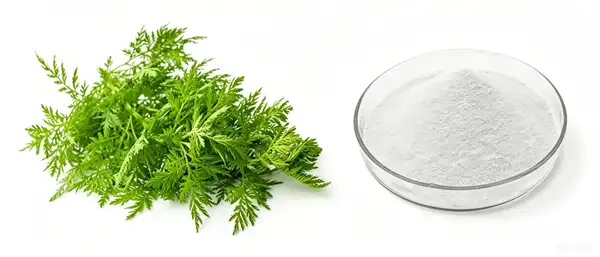
Oncology research for Artemisia annua Extract Powder represents a frontier application area attracting pharmaceutical investment. Preclinical studies demonstrate artemisinin compounds' selective cytotoxicity against breast, lung, leukemia, and prostate cancer cell lines. The iron-dependent mechanism suggests potential synergy with iron-loading strategies to enhance tumor cell susceptibility. Clinical trial pipelines exploring artemisinin derivatives as adjuvant cancer therapies could open substantial B2B market segments beyond infectious disease indications. However, progression to commercial oncology products requires navigating rigorous regulatory pathways including Phase I-III human trials demonstrating safety and efficacy.
Extraction technology advances address supply reliability concerns that historically constrained market growth. Conventional plant cultivation yields fluctuate with weather patterns and agricultural inputs, creating price volatility. Semi-synthetic production routes utilizing engineered yeast fermentation followed by chemical conversion now supplement botanical extraction. These biotech platforms offer consistent output independent of growing seasons, though cost competitiveness depends on production scale and precursor availability. Hybrid supply chains combining plant-derived and fermentation-derived material provide procurement managers with sourcing diversification that mitigates single-source risks.
Nano-formulation technologies tackle bioavailability limitations restricting artemisinin applications. Particle size reduction to nanometer-scale dimensions increases dissolution rates and absorption across biological membranes. Encapsulation within liposomes, solid lipid nanoparticles, or polymer matrices protects the compound from degradation while enabling controlled release profiles. These delivery innovations expand formulation possibilities for nutraceutical products targeting systemic delivery and cosmetic products requiring epidermal penetration. Suppliers developing standardized nano-artemisinin ingredients position themselves advantageously as these technologies transition from research to commercial implementation.
Market forecasts project continued growth driven by malaria burden persistence, expanded geographical distribution of resistant parasite strains, and exploration of non-antimalarial applications. Southeast Asian and African regions remain primary end-use markets for pharmaceutical-grade material, while North American and European demand centers on nutraceutical and research applications. B2B buyers should monitor regulatory developments affecting approved indications, as expansion beyond antimalarial claims significantly broadens addressable markets.
Sustainability considerations increasingly influence procurement decisions. Suppliers implementing Good Agricultural Practices (GAP) at cultivation sites demonstrate environmental stewardship through soil conservation, water management, and biodiversity protection. Organic certification appeals to brands emphasizing natural product positioning. Traceability systems employing blockchain technology provide end-to-end visibility from farm to finished product, supporting transparency expectations among quality-conscious buyers.
Conclusion
Artemisinin Powder maintains critical importance across pharmaceutical manufacturing, veterinary medicine, nutraceutical development, cosmetic formulation, and agricultural innovation sectors. The compound's proven antimalarial efficacy, combined with emerging applications in immunology and oncology, sustains diverse industrial demand. Procurement success depends on partnering with suppliers demonstrating vertical integration from agricultural sourcing through extraction and quality control, evidenced by comprehensive certifications and batch-level documentation. Buyers prioritizing traceability, regulatory compliance, and technical support position their organizations to capitalize on expanding application areas as research validates new therapeutic and functional uses for this remarkable botanical extract.
FAQ
What purity grade should pharmaceutical manufacturers specify when sourcing artemisinin extract?
Pharmaceutical applications typically require ≥98% purity verified by HPLC, with related substances limited to <2%. The material must comply with USP or EP monographs specifying loss on drying (<0.5%), residual solvents below ICH limits, and heavy metals meeting pharmacopeial standards. COA documentation should confirm botanical identity through specific optical rotation measurements and chromatographic fingerprinting.
How do I evaluate supplier reliability for long-term artemisinin procurement?
Assess direct cultivation partnerships ensuring raw material traceability, verify certifications (ISO9001, FSSC22000, FDA registration), and request third-party audit reports. Review sample COAs for consistency across batches, confirm logistics capabilities for your volume requirements, and evaluate technical support resources including application laboratories and formulation consultation services.
What packaging and storage conditions preserve artemisinin stability during extended holding periods?
Store artemisinin extract in sealed food-grade containers protected from light exposure and humidity at ambient temperatures not exceeding 25°C. The endoperoxide bridge degrades under heat, light, and acidic conditions, making proper packaging critical. Suppliers typically provide 25kg fiber drums with inner polyethylene liners, creating barrier protection against environmental factors during storage and transportation.
Partner with KH for Certified Artemisinin Powder Supply
Kingherbs Limited brings over 25 years of botanical extraction expertise to B2B clients worldwide seeking reliable artemisinin supply solutions. Our vertically integrated operations maintain direct partnerships with premium Artemisia annua cultivation bases, ensuring consistent active content from seed selection through harvest optimization. We produce artemisinin extract spanning ratio extracts (4:1, 10:1) to high-purity concentrations (3%-99%) verified through HPLC analysis, all supported by ISO9001, FSSC22000, Kosher, Halal, and FDA certifications meeting international compliance standards.
Unlike conventional distributors, we employ pure water and food-grade ethanol extraction processes, completely avoiding harmful solvents, delivering clean-label ingredients with excellent solubility characteristics. Our application laboratory provides formulation optimization support for beverages, capsules, tablets, and topical products, while maintaining ready stock inventory, enabling 3-5 business day delivery on standard items. Sample quantities and trial orders below 25kg MOQ accommodate R&D phases, with scalable production capacity supporting commercial-scale requirements.
Contact our technical team at info@kingherbs.com to discuss your artemisinin powder specifications, request batch documentation, or explore custom compounding solutions tailored to your product development objectives. As a trusted artemisinin powder manufacturer serving pharmaceutical, nutraceutical, and veterinary sectors globally, we deliver the quality assurance and supply chain reliability your procurement decisions demand.
References
1. World Health Organization. Guidelines for the Treatment of Malaria, Third Edition. Geneva: WHO Press, 2015.
2. Tu, Y. "Artemisinin—A Gift from Traditional Chinese Medicine to the World." Angewandte Chemie International Edition 55.35 (2016): 10210-10226.
3. Efferth, T., and M. Romero. "Artemisinin Against Cancer: Insights from Molecular Mechanisms." Current Medicinal Chemistry 22.18 (2015): 2098-2112.
4. Peplow, M. "Synthetic Biology's First Malaria Drug Meets Market Resistance." Nature 530 (2016): 389-390.
5. Krishna, S., et al. "Artemisinins: Mechanisms of Action and Potential for Resistance." Drug Resistance Updates 7.4-5 (2004): 233-244.
6. Shuhua, X., et al. "Pharmacokinetics of Artemisinin and its Derivatives." Current Drug Metabolism 13.5 (2012): 612-623.
Send Inquiry
Related Industry Knowledge
- How Does Bamboo Leaf Extract Support Skin Health and Vitality?
- How Does Organic Sea Buckthorn Seed Oil Support Skin Barrier?
- What Makes Macleaya Cordata Extract a Competitive Ingredient?
- Can Dill Seed Extract Support Metabolism and Wellness?
- Is Watermelon Powder Good for Digestive Health?
- Why Choose Organic Valerian Root Extract Powder for Wellness?
- What Are the Main Uses of Macleaya Cordata Extract?
- How Resveratrol in Polygonum Cuspidatum Extract Works for Wellness?
- How Purple Sweet Potato Extract Supports Metabolic Balance?
- What Makes Olive Extract Powder a Potent Antioxidant Ingredient?