_1762508637542.webp)
Freeze Dried Sweet Potato Powder: Is It Worth Adding to Recipes?
Oct 6, 2026
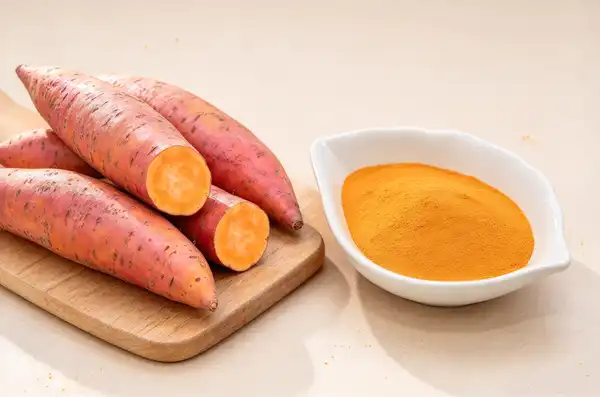
Absolutely, Freeze Dried Sweet Potato Powder is worth adding to recipes—for B2B procurement managers, R&D directors, and technical formulators seeking nutrient-dense, shelf-stable ingredients. This high-quality powder keeps more than 95% of the vitamins, minerals, and bioactive compounds that are in the whole sweet potato thanks to vacuum lyophilization technology. Other powders that are heated kill nutrients that can't handle the heat, but this one doesn't. Much of the time, it keeps the colour the same in drinks, vitamins, food, and cosmetics. It also keeps the quality high. More and more people are using useful goods with clean labels. Brands that want to stand out in a crowded market and follow HACCP and ISO rules should use this powder.
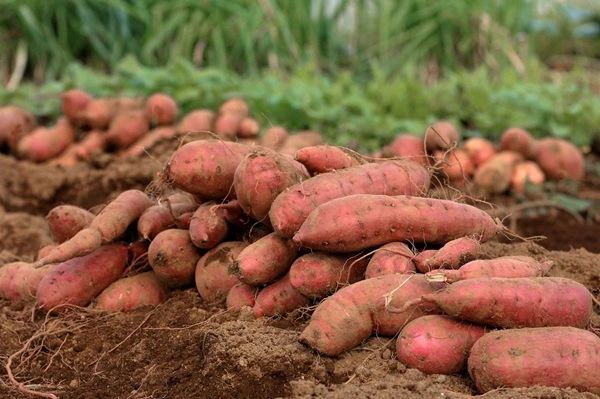
What Is Freeze Dried Sweet Potato Powder and Its Nutritional Benefits?
It is important to know how this item is made and what its nutritional value is before adding it to your recipes. The way the product is made has a direct effect on its quality, bioavailability, and range of uses.
Production Process: How Lyophilization Preserves Integrity
Fresh sweet potatoes are quickly frozen to -40°C and then broken down under controlled vacuum pressure to make Freeze Dried Sweet Potato Powder. When you dry something at a low temperature, you keep the nutrients that are sensitive to heat and the structure of the cells that you would normally lose when you spray-dry or drum-dry it. It changes into a powder that looks like crystals and is full of holes. It has less than 5% water and less than 0.3 water activity (Aw). No chemicals are used to keep the powder fresh; this keeps bacteria from getting into it. REAL freeze-dried powder is great for clean-label recipes because it only has sweet potato in it and nothing else. This is not the same as dehydrated foods, which need maltodextrin carriers.
Nutritional Superiority: Concentration Without Degradation
By only taking out the water, the lyophilization method concentrates the nutrients in sweet potatoes. It still has the complex mix of potassium, anthocyanins, beta-carotene, and dietary fibre. The Journal of Food Science did a study that showed freeze-dried vegetables keep 90–97% of their vitamin A molecules, while regular dried foods only keep 40–60%. There are 12 to 15 mg of beta-carotene and 8 to 10g of fibre in every 100g of this powder. Because of this, it is a better choice for nutritional uses that want to improve digestive health and the immune system. It was found that more than 3,000 µmol TE/100g of polyphenolic chemicals were kept, which shows that they are still useful.
Functional Properties for Industrial Applications
In addition to its high nutritional density, this powder has unique useful properties that are important for product development. Its porous structure lets it rehydrate quickly—usually in two to three minutes in room-temperature liquids—without getting gritty or settling, which can happen with traditionally dried alternatives. The range of particle sizes (80–120 mesh standard) ensures that the material flows easily through automatic filling systems and spreads evenly in drinking systems. Its natural color stability comes from carotenoid and anthocyanin compounds. It can handle pH changes between 3.5 and 7.0 and keeps its color during limited exposure to heat up to 160°C. This makes it suitable for both cold-process supplements and baked goods that need natural colorants.
Freeze Dried Sweet Potato Powder vs. Other Sweet Potato Products: A Comparative Analysis
Before you buy this ingredient, you need to know how it stacks up against other options in terms of cost, performance, and compliance with regulations. Each type of sweet potato is useful for different tasks.
Fresh Sweet Potatoes: Logistical Limitations
Even though fresh sweet potatoes are the most delicious, they can be hard for B2B businesses. Seasonal access makes the supply chain vulnerable, as prices can change by 30 to 50 percent during harvest cycles. Because they have a high moisture content (65-75%), they need to be transported and stored in a cool place. This makes logistics more expensive and limits their shelf life to two to four weeks in the best conditions. Standardized preparation is hard to do because batches have different sizes and different amounts of nutrients, so methods have to be changed all the time. The Freeze Dried Sweet Potato Powder alternative gets rid of these problems, giving you consistency all year and a shelf life of 18 to 24 months at room temperature.
Spray-Dried and Drum Dried Alternatives: Quality Trade-offs
While the old ways of drying things are less expensive, they lack the quality features that make a product stand out as a high-end item. To make it easier to work with, maltodextrin needs to be mixed with 20–40% dry sweet potato powder to make it less thick. This lowers the amount of the active ingredient and makes it harder to stick to claims that the labels are clean. At 160–220°C, food gets too hot and breaks down vitamins that are sensitive to heat. It also leaves behind Maillard reactions that change the colour to unhealthy brown tones. When foods are drum-dried instead of spray-dried, some nutrients stay in them longer. It takes longer to heal, tho, because the crystals are bigger and less liquid. When customers want "no added carriers" and the most bioactive content, it's worth the extra cost to use freeze-dried powder. It's better set up in the regulatory system and works better.
Organic vs. Conventional: Certification Impact on Procurement
It's up to you and the people you want to buy from you to decide what kind of Freeze Dried Sweet Potato Powder you should get. When you get organic approval, the price of your raw materials goes up by 25 to 40 percent. But you can sell to high-end customers, and health-conscious buyers like marketing claims that back them up. During the approval process, GMOs and synthetic chemicals are looked for. This is very important for companies in the EU and the US that want to sell healthy goods. There are regular products that are less expensive and still meet HACCP and ISO standards. This makes them a good pick when price is important and getting organic approval isn't a big deal. To make sure they are legal, each choice should have papers that test for heavy metals and pesticide residues at the batch level.
How to Use Freeze Dried Sweet Potato Powder in Recipes and Product Formulations
Because it can be used in many different ways, this material is useful in a lot of different types of products. Understanding the best levels of use and processing conditions improves both performance and cost-effectiveness.
Bakery and Confectionery Applications
Freeze-Dried Sweet Potato Powder is added to baked goods to make them look better and give them extra protein. It is often added to cookies, muffins, and bread at a rate of 3 to 8 percent by weight. It makes the food naturally sweet, so you don't need to add as much sugar. It also helps the food stay moist, so it lasts longer. Without notice, liquid sweet potato purées can change the amount of water in the batter. The powder, on the other hand, lets you dose and scale the recipe exactly. For standard baking, the carotene colours stay the same when the food is baked at temperatures up to 180°C. Vit C, on the other hand, breaks down at temperatures above 160°C. People who make sweets use it to coat truffles, make energy bars, and make protein balls because it quickly rehydrates and makes smooth textures without any graininess.
Beverage and Instant Premix Innovations
The powder's high solubility makes it possible for new beverage uses that are becoming more popular in the functional drink market. It mixes fully with hot and cold liquids at amounts of 2 to 5 percent, making drinks naturally sweet and slightly thick without the need for thickeners. The clean flavor profile that doesn't take over formulations is appreciated by R&D teams making "purple lattes," meal replacement shakes, and smoothie powders. The food fiber that is kept in the body naturally improves the taste and supports gut health. When used with the right anti-caking methods, like silica packets or modified atmosphere packaging, the low water activity keeps instant premix goods stable for a long time.
Nutraceutical and Supplement Formulations
This ingredient works as both an active ingredient and a functional excipient in capsule, tablet, and powder supplement forms. Its high beta-carotene (vitamin A) content backs up claims that it is good for your immune system, and the dietary fiber content helps with gut health. The powder sticks together well when making tablets with common binding agents, but because it contains natural sugars, the breakdown times may need to be changed. The 80–120 mesh particle size ensures that fill weights are uniform and dosing is consistent in encapsulated formats. For post-workout healing formulas, brands that sell sports nutrition mix it with protein isolates and adaptogens, taking advantage of its natural carbohydrate content and mineral profile.
Storage and Handling Best Practices
To keep the quality while storing it, you need to pay attention to the environmental controls. The powder is hygroscopic because it has natural sugars that are exposed and a porous structure. To keep it from caking, it needs to be stored below 20°C, and the relative humidity needs to be below 60%. For amounts less than 25 kg, we suggest aluminum foil laminating bags with desiccant packets. For larger amounts, nitrogen-flushed poly drums with moisture barrier covers are best. For best taste and nutrition retention, containers should be resealed right away after being opened and eaten within 90 days. Testing for moisture content (goal: <5%) and checking for color consistency should be part of regular quality monitoring. Darkening indicates oxidative degradation, which means that inventory needs to be rotated.
Buying Guide: How to Source High-Quality Freeze Dried Sweet Potato Powder for Your Business
Decisions about strategic buying affect the standard of the product, how well it meets regulations, and how resilient the supply chain is. The following criteria help you make a good decision about potential suppliers of high-quality Freeze Dried Sweet Potato Powder.
Essential Certifications and Documentation
Checking the supplier's certifications that show process control and product safety is the first step in quality assurance. Check for ISO 22000 or a similar food safety management system and HACCP approval that says critical control point tracking is done throughout production. Buyers of organic products need current copies of your supplier's USDA Organic, EU Organic, or equivalent regional certifications that show the scope of their certification. In addition to basic certifications, you should ask for batch-specific paperwork like Certificates of Analysis with HPLC chromatograms showing active component profiles, pesticide residue screening results (ideally below 10% of MRL limits), heavy metal testing (lead, cadmium, arsenic, and mercury), and microbiological analysis confirming the absence of pathogens and acceptable total plate counts.
Evaluating Pricing, MOQ, and Supply Terms
Pricing systems are very different depending on the size of the order, the terms of payment, and the ties with suppliers. On the market right now, regular Freeze Dried Sweet Potato Powder costs between $12 and 18 per kilogram for 500 kg to 1000 kg, while organic approved forms cost between $18 and 28 per kilogram. Trial amounts between 25 kg and 100 kg usually cost 30 to 50 percent more than bulk prices. Different manufacturers have different minimum order amounts. Well-known brands usually need 500 kg minimums, while smaller companies may be able to handle 100 kg first orders. With factory-direct sourcing, you don't have to pay markups to distributors, but you have to make bigger commitments and wait longer for deliveries (usually 20 to 30 days from order to delivery). Private label partnerships let you make changes, like choosing specific mesh sizes, mixing with complementary products, and using your own packaging. However, the minimum order quantity (MOQ) is usually 1000 kg.
Sample Evaluation Strategy
Before agreeing to bulk sales, a thorough sample review keeps you from making expensive mistakes with the quality. Ask for 500g to 1 kg samples that come from real production batches instead of samples that were made just for you. It's important that your evaluation protocol checks for things like rehydration speed and texture (by mixing certain amounts with room-temperature water and timing how long it takes to spread), color consistency under different pH conditions (by testing in acidic, neutral, and alkaline solutions that are similar to the ones you'll be using), solubility and sedimentation patterns, taste profile for off-flavors that mean the product is oxidizing, and performance in the conditions you'll be using it. Testing from two or three sources at the same time lets you directly compare. Systematically write down the results and ask for expert help from the provider to fix any performance problems before making your final choices.
Why Freeze Dried Sweet Potato Powder Is a Smart Choice for B2B Procurement
Because of changes in the market and operational benefits, this ingredient is becoming more and more appealing for procurement strategies that look to the future. Knowing about these factors helps make business choices more logical.
Alignment with Clean-Label Market Trends
According to a study by Innova Market Insights, 67% of US customers actively look for goods with natural ingredients that they can recognize. You can make claims like "no artificial colors," "no preservatives," and "whole food ingredients" with this powder, which directly meets that demand. Brands that use Freeze Dried Sweet Potato Powder instead of fake colorants like FD&C Yellow see 15–25% increases in how customers see them and their willingness to pay more. Because the ingredient can be used in both sweet and savory foods, like baked goods, savory snacks, and meat substitutes, it improves buying value by combining seller relationships and order numbers.
Cost-Efficiency Through Reduced Waste
Freeze-dried powder often has a lower total cost of ownership than fresh or conventionally dried options, even though it costs more per unit. The longer shelf life stops waste losses that cut into the profit margins of fresh ingredients. This is especially important for seasonal goods or brands whose demand changes often. Its concentrated form takes up 85–90% less storage space than fresh versions, which lowers the cost of warehousing. These savings are increased by the fact that a single 20-foot container can hold about 8,000 to 10,000 kg of freeze-dried powder instead of only 15,000 to 18,000 kg of fresh sweet potatoes, which are more likely to go bad. This means that each shipment is handled twice as efficiently as before.
Supply Chain Resilience and Scalability
The quality of the things you need to make supply chains that you can count on must always be there. To escape price jumps at certain times of the year, you can stock up on this powder when it's cheap. It lasts a long time. Because the production method is regulated, each run can be the same. With fresh farm goods, this is not possible. This lowers the price of rewriting and getting feedback on the quality. Companies like KH can keep track of everything, from when to plant the seeds to when the crops are ready to be picked. It means there are no worries about pollution or changing the type of plant, which are common problems in market farming supply chains. This end-to-end control is getting more important as lawmakers pay more attention to how clear the supply chain is.
Conclusion
For brands that prioritize clean-label branding, nutritional differentiation, and supply chain security, Freeze Dried Sweet Potato Powder represents a smart ingredient investment. Its better ability to retain nutrients, ability to work in a variety of product types, and compatibility with consumers' desire for well-known ingredients make it worth the higher price by improving product performance and market positioning. The lyophilization process keeps more than 95% of the bioactive compounds while giving the product a longer shelf life and better logistics that lower the total cost of ownership. When purchasing, teams choose providers based on thorough certifications, clear paperwork, and technical support skills; they can get the most out of their ingredient investments while minimizing quality risks and legal exposure.
FAQ
What is the technical difference between freeze dried and dehydrated sweet potato powder?
Freeze drying works in a vacuum at temperatures below -30°C. It gets rid of water through sublimation instead of heat, which breaks down nutrients. Hot air (50–70°C) or spray drying (160–220°C) is used for dehydration, but these methods kill heat-sensitive vitamins and need carrier chemicals. This means that Freeze Dried Sweet Potato Powder keeps 90–97% of its original nutrients, while dehydrated forms lose 40–60%.
How long can freeze dried sweet potato powder be stored?
With the right conditions (sealed packaging, <20°C, <60% relative humidity), food can stay fresh for 18 to 24 months with little to no loss of nutrients. After opening, eat or drink within 90 days. Because caking and oxidation happen when things are exposed to moisture, nitrogen-flushed containers with desiccants protect quality while they are being stored.
Can this powder be used in organic-certified product lines?
Yes, if they come from sources with valid organic labels like USDA Organic, EU Organic, or something similar. Ask for up-to-date certificates and make sure that the supplier's approval covers freeze-dried veggies. Organic powder is 25–40% more expensive, but it lets you make claims about your products that are organic, which is important for positioning them as high-end.
Does freeze dried powder contain the complete nutrient profile of fresh sweet potatoes?
Because the moisture was taken out, the powder still has concentrated forms of most nutrients. However, vitamin C is slightly damaged (10–15%) during processing. Nutrients that dissolve in fat, like beta-carotene, stay the same, and dietary fiber concentrates proportionally. This makes it nutritionally better per gram than fresh.
Partner with KH: Your Trusted Freeze Dried Sweet Potato Powder Manufacturer
To find ingredients when you need them, you need to work with manufacturers who understand your formulation needs and regulatory requirements. By carefully controlling the lyophilization process, KH is able to produce premium Freeze Dried Sweet Potato Powder with the highest bioactive content and functional performance. We've worked with certified planting bases since 1996, and we control the varieties grown, the quality of the soil, and the timing of harvests to make sure that all of our batches have the same active ingredient profiles. Our pure water and food-grade ethanol extraction methods get rid of dangerous solvents, giving you clean-label ingredients that are brightly colored and dissolve quickly, just the way your R&D teams want them.
We offer a wide range of technical support services in addition to just supplying ingredients. These include detailed HPLC analysis reports that show the component spectra for each production batch, application laboratory services that help improve formulations and test for stability, and the ability to make changes based on specific ratios or functional needs. Sample orders are sent out within three to five business days, and our one-stop sourcing services make it easy to get all of the plant extract, vitamin, and unique ingredients you need from a single, dependable source. Our scientific team works with you from the idea stage all the way through to commercialization, whether you need USP-compliant materials for pharmaceutical uses or new ways to make functional drinks. Contact our team at info@kingherbs.com to get samples, talk about your unique buying needs, and find out how working with an experienced Freeze Dried Sweet Potato Powder seller can help you come up with new products faster.
References
1. Ramallo, L. A., & Mascheroni, R. H. (2012). "Quality evaluation of pineapple fruit during the drying process." Food and Bioproducts Processing, 90(2), 275-283.
2. Shofian, N. M., Hamid, A. A., Osman, A., Saari, N., Anwar, F., Dek, M. S. P., & Hairuddin, M. R. (2011). "Effect of freeze-drying on the antioxidant compounds and antioxidant activity of selected tropical fruits." International Journal of Molecular Sciences, 12(7), 4678-4692.
3. Cui, Z. W., Xu, S. Y., & Sun, D. W. (2004). "Effect of microwave-vacuum drying on the carotenoid retention of carrot slices and chlorophyll retention of Chinese chive leaves." Drying Technology, 22(3), 563-575.
4. Krokida, M. K., & Maroulis, Z. B. (2001). "Quality changes during the drying of food materials." Drying Technology in Agriculture and Food Sciences, Enfield: Science Publishers, 61-106.
5. Marfil, P. H. M., Santos, E. M., & Telis, V. R. N. (2008). "Ascorbic acid degradation kinetics in tomatoes at different drying conditions." LWT-Food Science and Technology, 41(9), 1642-1647.
6. Ratti, C. (2001). "Hot air and freeze-drying of high-value foods: a review." Journal of Food Engineering, 49(4), 311-319.
Send Inquiry

Related Industry Knowledge
- Is Aloe Vera Gel Powder Safe for Skincare and Food Applications?
- Artemisia Argyi Extract Applications in Modern Health Products
- How Does Jerusalem Artichoke Extract Support Gut Health?
- Is Cocoa Seed Extract Rich in Natural Polyphenols?
- Holy Basil Extract Powder Bulk Purchasing Guide for Importers
- Tongkat Ali Extract Powder: Effective for Low Testosterone or More BS?
- Why Choose Tongkat Ali Extract Powder Over Synthetic Alternatives?
- Can Dill Seed Extract Help Relieve Abdominal Cramping?
- Is Wild Yam Extract Powder the Future of Hormone Care?
- Why Japan Chooses China’s Purple Sweet Potato Natural Food Colorant?