_1762508637542.webp)
Artemisia Argyi Extract Applications in Modern Health Products
Aug 19, 2026
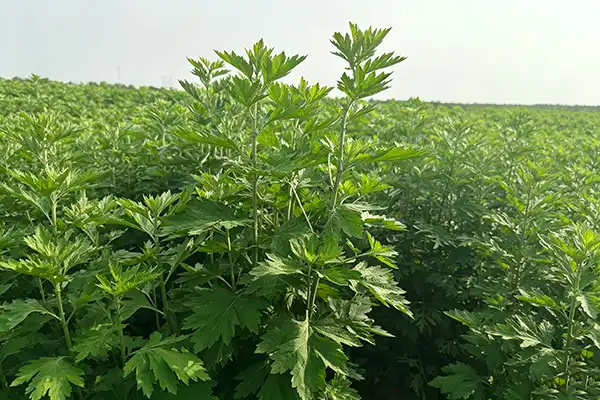
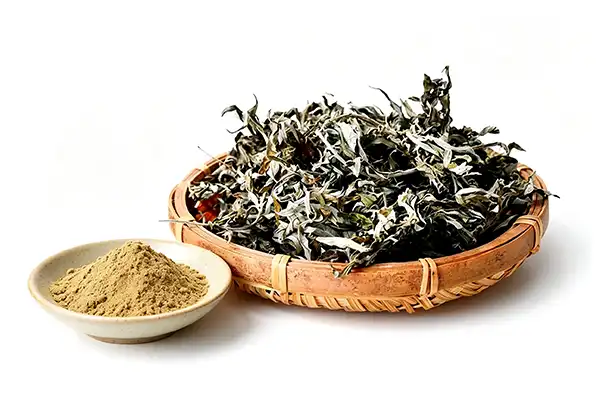
Artemisia Argyi Extract has emerged as a versatile botanical ingredient, redefining formulation strategies across dietary supplements, functional beverages, and personal care sectors. Derived from Artemisia argyi leaves through standardized extraction processes, this light brownish-yellow powder delivers concentrated bioactive compounds—particularly eupatilin and volatile oils—that address critical formulation challenges including inconsistent active ingredient levels, poor water dispersibility, and clean-label compliance demands. With specifications ranging from 4:1 ratio concentrates to clinical-grade eupatilin isolates up to 98% purity, the extract bridges traditional ethnobotanical applications with modern nutritional science, offering procurement professionals a reliable solution for gastric health, anti-inflammatory support, and metabolic wellness products.
Comparing Artemisia Argyi Extract with Other Herbal Extracts: Insights for Procurement
Artemisia Argyi vs. Artemisia Annua: Chemical and Functional Distinctions
People who work in procurement often get Artemisia Argyi Extract and Artemisia annua liquids mixed up. However, these two plants are used for very different things in health products. Artemisia annua, also known as "sweet wormwood," has artemisinin as its main bioactive ingredient. It is used to treat malaria and has shown promise in some cancer study settings. Instead of the flavonoid-volatile oil mix found in Artemisia Argyi, the chemical structure is based on sesquiterpene lactones. Because of this difference in composition, Artemisia annua is mostly used in pharmaceutical preparations and specialized therapeutic supplements, while Artemisia Argyi is used for a wider range of health issues, such as digestive health, metabolic support, and topical formulations. Regulatory issues are also very different between these species. Because Artemisia annua is used in medicine, it is subject to stricter controls in many places.
Organic vs. Conventional: Quality and Compliance Implications
Herbal extracts' organic certification has big effects on how they are positioned in the market and how easy it is to get them. For organic Artemisia Argyi to be grown, stricter rules for managing the land, controlling pests, and keeping records after harvesting must be followed than in regular farming. These rules make farming more expensive, but they make it easier to track crops and get rid of manmade pesticide leftovers that quality control teams would otherwise have to check for thoroughly. Consumer impression research regularly shows that organic-certified ingredients can be positioned as more expensive. This is especially true in North America and Europe, where clean-label trends are driving buying choices. Labeling rules affect more than just saying something is organic; using verified ingredients allows products to be recognized as USDA or EU organic, which lets them sell in certain stores and charge more.
Pure Extract vs. Blended Formulations: Strategic Selection Criteria
It's important to make sure that your product strategy and target market positioning are in line with your choice between pure single-herb extracts and pre-blended formulas. Pure ingredients give formulators the most freedom, so R&D teams can make their own mixes that set goods apart in crowded markets. This method works for brands that want to tell a unique story about their ingredients and for brands that need precise control over the amounts of each ingredient. With single-ingredient extracts, quality control is easier because testing methods focus on marker molecules from a single botanical instead of complex multi-herb matrices. Pure extracts also make it easier to keep up with regulatory requirements, which is especially helpful for international shipping, where authorities look at the safety profile of each ingredient separately.
Sourcing and Procurement Guide: How to Buy Artemisia Argyi Extract in Bulk
Supplier Evaluation: Certifications and Quality Assurance
Comprehensive certification checking is the first step in finding trusted sources. ISO9001 certification shows basic quality management systems, and FSSC22000 certification talks about food safety management in more detail. Both are necessary for ingredients that will be used in functional foods and dietary supplements. Certifications like KOSHER and HALAL make it easier for goods that are aimed at certain groups of people to reach new markets. This is especially important for brands that want to sell their products all over the world. HACCP approval shows that providers use preventative controls during production instead of just testing the finished product. FDA registration shows that the company knows what U.S. regulators want, but it doesn't mean they will follow the rules. In addition to certificates, procurement teams should ask for third-party audit reports, records of facility inspections, and proof of ongoing monitoring programs. When evaluating a provider, you should also look at how they get their raw materials.
Sample Testing Protocols and Commercial Order Transition
Before committing to big orders, a good procurement strategy always includes a careful evaluation of samples. Ask for samples that come from real production batches instead of carefully made reference materials. This will make sure that the test material is representative of the quality of manufacturing on a business scale. To do a full test, you should use HPLC to check the active ingredient content, make sure the heavy metal levels are safe, check the microbiological quality with a total plate count and pathogen screening, and check the physical properties like solubility, particle size, and moisture content. Testing for stability under fast conditions helps predict how well a product will keep for a long time. This is especially important for recipes that took a long time to develop. Because extract performance can be different between simple water-based solutions and complicated supplement formulations with many ingredients, you should have enough sample numbers to test different formulations in your real production matrices.
Logistics and Packaging Considerations for International Trade
When buying plant extracts from other countries, you need to plan your logistics carefully to make sure the products stay pure and you follow all the rules. Standard 25kg drum packaging strikes a good balance between ease of handling and protection needs for fine powders that are easily damaged by light and moisture. Food-grade inner liners and desiccant packets should be used in drums to control humidity while they're in transit, especially for ocean packages that go through more than one temperature zone. Deciding on a mode of transportation depends on how quickly it needs to be delivered and how much it will cost. Courier services can deliver samples within days, but they become too expensive for large orders. Air freight is faster for urgent restocking needs, but it takes longer to get to its destination. Temperature control needs should be made clear to suppliers, as some high-eupatilin specifications may benefit from cool chain logistics to keep them from breaking down while being shipped.
Market Trends and Future Prospects of Artemisia Argyi Extract in Health Products
Consumer Demand Drivers for Plant-Based Ingredients
Market research consistently shows that people are becoming more and more interested in natural, plant-based ingredients over synthetic ones in all health and wellness categories. This trend is caused by several things coming together, such as people becoming more aware of where their ingredients come from, wanting clean-label goods with ingredients that can be identified, and becoming less trusting of artificial additives. In the past few years, the market for botanical extracts has grown by more than 10% annually. The digestive health and immune support categories have seen the most demand. Artemisia Argyi Extract benefits from this larger trend and also offers cultural validity that appeals to people who want to know how traditional plant knowledge is supported by modern science.
Innovation Trends in Formulation Technologies
Advances in technology keep making it possible for plant oils to be used in more health products. Microencapsulation techniques keep sensitive compounds from breaking down and allow controlled-release profiles that make the drugs more bioavailable and last longer. Liposomal transport methods improve the absorption of lipophilic components, which gets around the problem that plant extracts aren't very bioavailable when taken by mouth. Nanoemulsion technologies make steady mixtures of plant-based actives that can be used in drinks. This solves the problems of cloudiness and settling that have traditionally made it hard to use herbal ingredients in clear liquids. When you mix prebiotic fibers and probiotic organisms, you get products that work better together to improve gut health than when you just use one ingredient. Transdermal patches and microencapsulated cosmetic actives are two new ways that traditional plants, which are taken internally, can be used in new ways. Because of these advances in technology, ingredient suppliers and product developers need to work together more than ever. Being able to provide technical support is now an important factor in choosing a supplier.
Regulatory Evolution and Compliance Considerations
Regulatory frameworks for plant ingredients are still changing in major markets, which makes making purchases both harder and easier. The United States has fairly lax rules about dietary supplements under DSHEA, but the FDA is taking more and more action against products that don't have good enough manufacturing controls or claims that aren't backed up. For new extracts or those concentrated beyond what is normally used, new dietary ingredient notifications may be needed. This can add to the costs of regulatory development and take longer to complete. Regulations in the European Union make a big difference between new foods, food supplements, and traditional plant drugs. How foods are classified has a big effect on how they can get into the market. The Traditional Herbal Medicinal Products Directive sets up ways for plants that have been used in the past to be registered. New rules for food, on the other hand, require long safety dossiers for items that haven't been used in food in Europe before 1997. Asian markets, like China, have tightened rules on plant products that are brought in from other countries.
Case Studies: Successful Incorporation of Artemisia Argyi Extract in Modern Health Products
Digestive Wellness Supplement Launch
A medium-sized supplement company that works with functional dyspepsia created a full stomach health mix with standardized Artemisia Argyi Extract as the main plant ingredient. The formulation team chose a 20% eupatilin specification to provide clinically relevant dosing in a two-capsule serving size. They then combined it with zinc carnosine, deglycyrrhized licorice, and digestive enzymes to help the stomach in more than one way. Getting eupatilin that was the same amount in all production batches was hard because early samples from different suppliers had marker compound levels that were 15–30% different. This problem with consistency was fixed by working with a supplier who could provide HPLC-validated specifications and certificates of analysis for each batch. After being tested for stability, the extract stayed effective for 24 months as long as it was made with the right moisture barriers and kept below 25°C.
Anti-Inflammatory Skincare Formulation
A company that makes cosmetics for sensitive skin put Artemisia Argyi Extract into a calming facial serum that is meant to reduce redness and repair skin barriers. When making the formula, the goal was to get the most anti-inflammatory flavonoids out of the extract while keeping the product's beauty and stability in a light serum base. The R&D team worked directly with their ingredient supplier to find the best extract concentration. They chose a level of 2% inclusion that was both effective and cost-effective. Because of how easily it dissolved, it could be added directly to the water phase without using solubilizers that could hurt skin that is already sensitive. When the product was being made, studies of how people felt about the plant ingredient showed that they had strong positive associations with it. This was especially true for people who knew about Asian beauty trends that used mugwort extracts. During the first tests, stability problems came up because the extract caused small changes in the color of some preservation systems.
Conclusion
Artemisia Argyi Extract is a useful item for health product companies that want to use natural, effective plants that have been used for a long time and now have new clinical evidence to back them up. The usual extraction methods provide uniform eupatilin concentrations ranging from 0.25% to 98%. This solves important manufacturing problems related to potency variation and clean label compliance. It can be used in gut health vitamins, functional drinks, nutraceutical foods, and sensitive skin products. It has been shown to have benefits like protecting the stomach, reducing inflammation, and protecting cells from damage. To be successful at procurement, you need to carefully evaluate suppliers, paying special attention to their certifications, analytical skills, and technical support systems that go beyond just providing basic ingredients. The market is moving toward plant-based products that can be tracked and have been proven to work by science. This extract is perfect for brands that want to appeal to customers who care about being honest. Strategic relationships with experienced suppliers make it possible to come up with new formulations and figure out how to follow regulations in a wide range of foreign markets.
FAQ
What distinguishes Artemisia Argyi Extract from Artemisia Annua Extract?
The chemicals in these plants and the ways they are used are very different. Artemisia annua's main bioactive ingredient is artemisinin, which is used to treat malaria and other conditions under tighter government oversight. Artemisia Argyi Extract contains flavonoids like eupatilin and volatile oils like eucalyptol. These oils have a wide range of health benefits and can be used in topical products for skin care and digestive health. They are also easier to get approved for use in food supplements and makeup.
How can I verify extract quality and purity in bulk shipments?
Ask for full batch documentation, such as HPLC analysis confirming the presence of marker compounds, heavy metal testing results showing compliance with USP limits, microbiological certificates showing acceptable total plate counts and the absence of pathogens, and screening for pesticide residues. A physical inspection should check the consistency of the powder's color, the uniformity of its particle size, and the integrity of its packaging. Third-party verification testing should be done on a regular basis by independent labs to make sure that certificates provided by suppliers are valid.
What are typical lead times and minimum order quantities?
For stocked items, sample orders usually ship within 3–5 business days. Commercial minimum order quantities usually start at 25 kg, and delivery times are two to three weeks for items that are in stock and four to six weeks for items that are made to order and need to be scheduled for production. Setting up a framework that deals with agreed-upon yearly amounts can help suppliers respond more quickly and could cut down on the time it takes to get replacement orders.
Partner with KH for Reliable Artemisia Argyi Extract Supply
To add plants to your product line that are of uniform quality and have been shown to work, you need a supplier partner who knows both the science behind the ingredients and how to run a business. KH is an expert in producing standard Artemisia Argyi Extract. We can track the whole process, from growing the plants in a way that meets Good Manufacturing Practices to packing them in our ISO9001, FSSC22000, and HACCP-approved facilities. Our technical team offers full application support, including advice on formulation, suggestions for stability testing, and regulatory paperwork that is specific to the markets you want to reach. Our MOQ structure is open enough to work for both small and large producers, whether you need sample amounts to help you come up with a new recipe or scalable business volumes with reliable delivery schedules. As a well-known company that sells Artemisia Argyi Extract, we keep a lot of it in stock so that we can ship it right away. We can also make special orders, ranging from 4:1 ratio extracts to 98% eupatilin isolates that have been tested and proven to work by HPLC. Email us at info@kingherbs.com to get samples, talk about your manufacturing needs, and find out how our knowledge of plant ingredients can help you make your product development more successful.
References
1. Chen, Y., & Liu, H. (2021). Phytochemical composition and biological activities of Artemisia argyi extracts: A comprehensive review. Journal of Ethnopharmacology, 268, 113625.
2. Kim, J.S., et al. (2020). Gastroprotective effects of eupatilin: Mechanisms and clinical applications in functional dyspepsia management. Evidence-Based Complementary and Alternative Medicine, 2020, 8875208.
3. Zhang, L., Wang, X., & Li, M. (2019). Comparative analysis of flavonoid profiles in Artemisia species: Implications for quality control and standardization. Phytochemical Analysis, 30(4), 412-423.
4. Park, S.H., & Cho, E.J. (2022). Anti-inflammatory and antioxidant activities of Artemisia argyi leaf extracts in dermatological applications. International Journal of Molecular Sciences, 23(6), 3214.
5. Thompson, R., & Mitchell, K. (2021). Botanical extract standardization: Best practices for procurement professionals in the nutraceutical industry. Journal of Dietary Supplements, 18(3), 287-305.
6. Wu, Q., et al. (2020). Safety assessment and regulatory considerations for Artemisia argyi extracts in food and cosmetic applications. Regulatory Toxicology and Pharmacology, 117, 104751.
Send Inquiry
Related Industry Knowledge
- Benefits of astaxanthin - nature's most powerful antioxidant
- Can White Willow Bark Extract Powder Support Natural Pain Relief?
- Can Bamboo Leaf Extract Support Cardiovascular Health Naturally?
- How is Pure Artemisinin Powder extracted and standardized for purity?
- What Is Angelica Officinalis Extract Used for in Supplements?
- Organic Couch Grass Rhizome Extract for Premium Supplements
- Can Onion Extract Improve Hair Growth Naturally?
- Can Olive Extract Powder Help Manage Blood Pressure Naturally?
- Mulberry Leaf Extract Powder: A Key Ingredient in Metabolic Health
- How Polygonum Cuspidatum Extract Supports Heart Health Naturally?