_1762508637542.webp)
Can White Willow Bark Extract Powder Support Natural Pain Relief?
Jun 26, 2026
Yes, the main ingredient in white willow bark extract powder is salicin, which the body breaks down into salicylic acid to help with pain relief. This plant-based ingredient gives sourcing workers a scientifically proven alternative to manmade painkillers. It's especially useful for companies making natural health goods. The extract has long-lasting pain-relieving effects and causes less stomach irritation than other options. This makes White Willow Bark Extract Powder an increasingly important ingredient for supplement companies and functional product developers looking for natural solutions that consumers trust in today's wellness market.
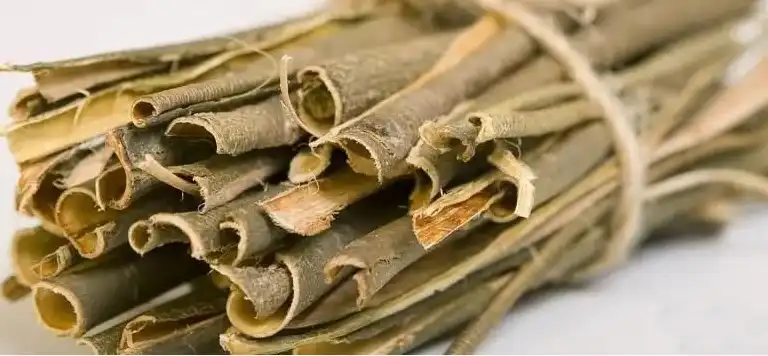
Understanding White Willow Bark Extract Powder and Its Benefits
Natural pain relief starts in the cells, and this plant product does that through a complex biochemical process. The powder comes from the inner bark of Salix alba trees. It was made using controlled extraction methods that keep the plant's natural structure while concentrating the good phytochemicals. Pure water or food-grade ethanol are usually used in the extraction process. This makes sure that the ingredient profiles are clean and that there are no chemicals left over that could affect safety or regulatory compliance.
The Science Behind Salicin's Analgesic Action
Salicin works as a prodrug, which means it needs to be changed by the body's metabolism before it can do its healing job. Salicin is slowly changed into salicylic acid in the liver and intestines after it is eaten. This is the same active ingredient found in manmade aspirin. This slow change causes a time-release effect, which means that it works for a longer time and relieves pain than immediate-release manufactured chemicals. Because the metabolic route is slower, peak plasma amounts are lower. This makes it easier for the body to handle, which is a big plus for long-term use in pain control products.
Comprehensive Phytochemical Profile
Besides salicin, the extract also has flavonoids (such as isoquercitrin and quercetin) and polyphenolic tannins that work together. When inflammation happens, these secondary molecules protect against oxidative stress by acting as antioxidants. The multi-compound grid causes side effects that make the whole thing work better than salicin alone could. This is good for brands that want to focus on the benefits of the whole plant.
Researchers have found that inflammatory factors like cyclooxygenase enzymes (COX-1 and COX-2) go down in a way that can be measured. This is similar to how non-steroidal anti-inflammatory drugs work, but the safety profile is very different. Clinical studies have shown that it can help with headaches, lower back pain, and osteoarthritis complaints. After a few days of constant use, the healing effects start to show. The anti-inflammatory qualities also work when applied topically, where the extract lowers redness and speeds up the healing process. This makes it useful in a wider range of products.
The antioxidant property helps protect cells from damage caused by free radicals, so the ingredient is more than just a pain reliever; it also helps with overall health. This multipurpose benefit profile lets product makers make complete recipes that address multiple consumer health goals within a single SKU. This makes the market more unique and improves how consumers see the value of a product.
Comparing White Willow Bark Extract Powder to Other Options
Procurement decisions require clear differentiation between available options. Understanding how this botanical extract compares to alternatives helps justify ingredient selection to stakeholders while ensuring optimal product performance.
Extract Potency Versus Crude Bark Powder
Salicin amounts in standardizedWhite Willow Bark Extract Powderare always the same, ranging from 15% to 98%. This is proven by HPLC testing methods that make sure the consistency of batches. Raw bark products only have 1% to 3% salicin, so much bigger doses are needed to get medicinal benefits. The condensed extract format makes capsules lighter, gives formulators more freedom, and ensures consistent effectiveness that meets customer needs. Particle size standardization is done on high-quality extracts so that all of them dissolve evenly and don't separate in mixed formulas. Usually, 95% of them pass through 80-mesh screens.
Safety Profile Compared to Synthetic Aspirin
Both have salicylic molecules, but the different metabolism pathways make them safe in different ways. Synthetic aspirin quickly raises plasma levels, which can hurt the lining of the stomach and lead to ulcers if used for a long time. The slow change of salicin into a different form causes lower peak amounts that are spread out over longer periods of time. This lowers the chance of stomach inflammation. Clinical data shows that sensitive groups have better tolerance, but people who are allergic to aspirin should still not take it. This safety benefit is especially important for long-term supplement plans where patients need to be able to stick to them with few side effects.
Organic Versus Conventional Sourcing
Organic approval affects both how a product is positioned in the market and how well it is made. Organic products must be grown according to strict rules that don't allow manmade fertilizers and pesticides. These rules are backed up by third-party proof. As per USP guidelines, testing procedures include checking for pesticide residues. Usually, organic materials show amounts that can't be found. To get conventional extracts, they have to go through a lot of tests for contaminants, because bark tissue can bioaccumulate natural toxins from polluted grounds. It's important to test for heavy metals because standards usually say that total heavy metals can't be more than 10 parts per million (ppm) and individual elements like lead can't be more than 2 ppm.
Because of these differences in quality, prices change over time. For example, organic approved extracts sell for 20–40% more than regular grades. Market studies show that people are willing to pay more for proof that something is organic. This is especially true in North American markets where organic claims play a big role in buying decisions. As part of brand marketing strategies, it's important to see if organic certification fits with the values and price sensitivity levels of the target customers.
Practical Uses and Dosage Guidelines for B2B Applications
Translating botanical knowledge into commercial applications requires understanding dosage parameters, formulation compatibility, and regulatory considerations across different product categories.
Nutraceutical Supplement Formulations
Joint health products usually have 120–240 mg of standardized extract (15–25%) per dose, which gives you 18–60 mg of salicin every day. This range of doses strikes a good mix between safety and effectiveness, as shown by clinical studies. This group is mostly made up of capsules and tablets. The powder's great compression properties allow for straight compression tableting without the need for a lot of extra ingredients. Because it absorbs water, it needs to be protected with desiccants so that it stays stable over its shelf life, which is usually 24 months if stored properly.
In pain treatment products, the extract is often mixed with other plants that work well together, like turmeric, boswellia, or ginger. This creates anti-inflammatory benefits that make the product seem more valuable to the customer. Because plant interactions can change solubility and stability, procurement teams should look for providers that give expert recipe support. When making mix goods, compatibility testing is necessary to make sure that the active ingredients stay stable during production and storage.
Cosmetic and Personal Care Applications
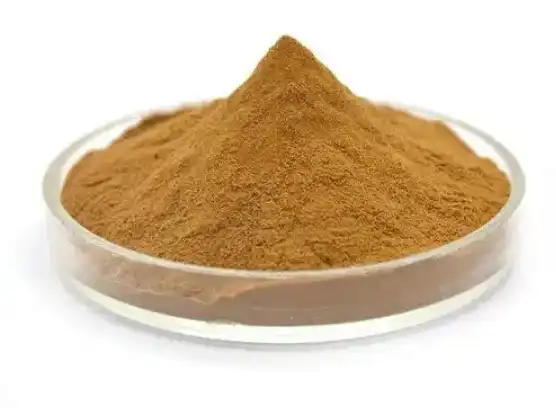
Topical uses ofWhite Willow Bark Extract Powderuse anti-inflammatory traits to make acne treatments, anti-aging serums, and skin healing items for after surgery work. In finished products, the salicylic acid molecule usually has amounts between 0.5% and 3%. It gently exfoliates and clears out pores. The powder's ability to dissolve in water makes it easier to add to emulsions that contain water. However, high-tannin types may need to be filtered for clear serum formulas. The pH stability runs from 4.0 to 6.5, which is the same pH range that skin has and the pH range that preservatives need.
Formulators like that the extract can both reduce inflammation and protect cells from damage, which means that it can help with a lot of skin problems at once. This ability to do more than one thing simplifies the list of ingredients, which supports the clean beauty stance that consumers like. Stability tests should make sure that the colour stays the same, since the brownish-yellow colouring can change in light or oxidative conditions. This could mean that antioxidant stabilizers or opaque packages are needed.
Functional Food and Beverage Integration
Solubility and flavour problems in beverage uses need to be solved technically. The powder mixes well with water, but its high tannin content can make it taste bitter, so you'll need to find ways to hide the flavour. When new drinks are released, they usually have the extract mixed with flavours that go well with it, like honey, ginger, lemon, or lemongrass. These flavours cover up the sharpness while supporting the natural setting. Microencapsulation technologies provide different ways to do things. They protect delicate chemicals from high temperatures during processing while also improving the way things feel in the mouth.
The ingredient is used in sports nutrition recovery drinks to help with inflammation caused by exercise, putting the goods in the growing post-workout health market. Different markets have different rules about how to classify functional drinks. Some treat them like regular foods, while others need to register them as supplements. Procurement teams need to make sure that providers give them legal support materials that are right for the markets they want to reach. These materials should include comments about the history of use of ingredients and advice on the highest level of use.
Procurement Insights: How to Source Quality White Willow Bark Extract Powder
Supplier selection directly impacts product quality, regulatory compliance, and long-term business continuity. Rigorous evaluation protocols protect brands from quality failures while establishing partnerships that support growth objectives.
Critical Quality Verification Steps
The study of the Certificate of Analysis (COA) forWhite Willow Bark Extract Powderis the basis for quality assurance. Each batch should have HPLC test results showing that the salicin level meets the requirements. These results should usually show real numbers instead of just "pass" or "fail" comments. USP guidelines must be met for total plate count, yeast and mould, and the lack of certain bacteria, such as E. Salmonella and E. coli. ICP-MS tests for heavy metals should measure arsenic, cadmium, lead, and mercury against known limits.
Smart buyers do extra checks for economic adulteration, which is becoming a bigger problem as market demand rises. Carbon-14 dating can find spikes of manufactured salicin, and HPTLC fingerprinting confirms the identity of the plant and rules out using a cheaper Populus species as a substitute. Third-party laboratory testing gives extra proof besides COAs made by the seller. This is especially important when evaluating a new supplier for the first time or switching material sources.
When ethanol is used for extraction, solvent residue testing is required, and gas chromatography is used to make sure that the amounts of residue meet ICH standards. This checking keeps you safe from the harmful methanol that can be found in cheaper extraction methods. Being open about extraction agents lets you make accurate safety data sheets and file them correctly with the government.
Supplier Capability Assessment
Audits of manufacturing sites show more than just reviewing paperwork. GMP-compliant facilities show that they have organized quality control by having written processes, trained staff, standardized equipment, and approved cleaning routines. Look for systems that can track finished batches back to specific lots of raw materials and production times, as well as programs that keep an eye on the environment and keep records on pest control.
The ability to provide technical help sets key partners apart from basic providers. Suppliers with application labs can help with creating new formulations, testing for safety, and fixing problems with manufacturing. This help is especially helpful when releasing new product forms or running into unexpected compatibility issues during scale-up. Ask for examples of past formulation support projects and client contacts who can attest to your timeliness and technical knowledge.
To make the supply line clear, products must be linked to the farms where they came from. Leading providers have direct relationships with farming partners and control quality at the field level by choosing the right varieties, figuring out the best times to gather, and following proper handling procedures after harvest. Upstream integration makes sure that active ingredient profiles are always the same and supports environmental claims, which are becoming more and more important to customers who care about the environment.
Commercial Terms and Logistics
For business sales, the minimum order quantity is usually 25 kg, but reliable providers can work with smaller sample amounts for testing purposes. Samples that can be sent within three to five business days show how deep the inventory is and how well the processes work, which are important things to look at when judging a supplier's trustworthiness when development deadlines are short. Quickly turning around samples shortens the time it takes to make a new product, which gives companies in fast-moving markets an edge.
When you buy in bulk, the price breaks are usually big at 100 kg, 500 kg, and 1,000 kg. This is because of economies of scale. Long-term supply deals can get you better prices and make sure that you can get materials when demand is high. Talk about quality hold rules that let a third party test before accepting a batch. This will protect against non-conforming material and encourage suppliers to do a good job with quality.
When you shipWhite Willow Bark Extract Powderinternationally, you need clear Incoterms that spell out who is responsible for delivery, insurance, transportation, and clearing customs. Buyers have to do more work with transportation when using FOB terms, but they are clear about the cost. DDP terms make it easier to receive goods, but there may be a secret markup. Experienced sellers provide all the export paperwork needed for customs clearance, such as commercial bills, packing lists, certificates of origin, and phytosanitary certificates. This makes it easier for buying teams to handle paperwork.
Why Choose KH's White Willow Bark Extract Powder?
Kingherbs Limited can help you find the ingredients you need because they have been extracting botanicals for almost 30 years. Since 1996, we've been improving our extraction methods so that we can regularly provide high-quality materials that meet the strict requirements of the world's top supplement brands, cosmetics formulators, and drug makers.
Our extract specs give you the most freedom possible. You can choose salicin amounts between 1% and 98%, as well as 4:1, 10:1, 15:1, and 25:1 ratio extracts to meet your exact recipe needs. Each batch goes through strict HPLC testing, which gives you specific component profiles that take the guessing out of quality control. Our long list of certifications, which includes ISO9001, FSSC22000, KOSHER, HALAL, HACCP, and FDA registration, shows that we have a solid quality management system that can stand up to the scrutiny of government audits and institutional procurement reviews.
What makes our business unique goes beyond certificates. We keep direct ties with controlled growing bases, which allows full tracking from choosing the seeds to packing them at the end. Upstream integration makes sure that the botanicals are real and that the active ingredient profiles are perfect, which is something that buying on the spot market at random can't do. Our water-ethanol extraction method only uses pharmaceutical-grade solvents, so the final product has clean ingredient profiles with low amounts of confirmed leftover solvents and fast-dissolving properties that formulators value.
Our application laboratory helps with creation, which turns us from providers into technical partners. Whether you need help with stability testing, information on how well excipients work together, or special combining solutions, our team can give you useful information that cuts down on the time it takes to make new products. We know how hard it is to formulate tablets, pills, drinks, and skin care products because we've done it many times for different clients.
Conclusion
Natural pain relief solutions built on white willow bark extract powder deliver compelling advantages for brands navigating the expanding wellness market. The ingredient's proven efficacy, favourable safety profile, and consumer appeal create strong product positioning opportunities across nutraceutical, cosmetic, and functional food categories. Procurement success requires rigorous supplier evaluation focused on quality verification, technical support capabilities, and transparent traceability systems that protect brand reputation while ensuring regulatory compliance. Strategic sourcing partnerships with established manufacturers provide access to consistent material quality, flexible specifications, and application expertise that accelerates product development and market entry.
FAQ
What shelf life can we expect from properly stored material?
High-quality extract maintains potency for 24 months when stored in cool, dry conditions away from direct sunlight. The hygroscopic nature requires sealed containers with desiccants to prevent moisture absorption that could degrade salicin content over time. Stability studies should verify active compound retention under your specific storage conditions, particularly for climate-controlled versus ambient warehousing scenarios.
Can this extract combine with other botanical ingredients?
Synergistic formulations commonly pair the extract with complementary anti-inflammatory botanicals including turmeric, boswellia, ginger, and omega-3 fatty acids. These combinations enhance overall efficacy while addressing inflammation through multiple pathways. Compatibility testing remains essential, as some botanical combinations may affect stability or bioavailability. Reputable suppliers provide formulation guidance based on documented successful combinations.
How do we evaluate purity differences between suppliers?
HPLC fingerprinting provides the most reliable purity assessment, revealing not just salicin content but also the presence of adulteration markers or unexpected compounds. Request representative chromatograms alongside COAs to verify clean peak profiles without contaminating substances. Third-party laboratory verification during supplier qualification eliminates reliance on supplier-generated data alone, particularly important for new source qualification or when quality issues arise.
Partner with a Trusted White Willow Bark Extract Powder Supplier
Kingherbs Limited invites procurement professionals to experience the quality difference that nearly three decades of botanical extraction expertise delivers. Our commitment to material excellence, technical support, and responsive service transforms routine ingredient sourcing into strategic partnerships that strengthen your competitive position. Request your sample, detailed COA documentation, or custom formulation consultation today by contacting our team at info@kingherbs.com. Discover how our White Willow Bark Extract Powder can elevate your natural pain relief product development while our comprehensive service model simplifies your procurement complexity. Let's build your next successful product together.
References
1. Schmid, B., Lüdtke, R., Selbmann, H.K., et al. "Efficacy and tolerability of a standardized willow bark extract in patients with osteoarthritis: randomized placebo-controlled, double blind clinical trial." Phytotherapy Research, vol. 15, no. 4, 2001, pp. 344-350.
2. Shara, M., and Stohs, S.J. "Efficacy and Safety of White Willow Bark (Salix alba) Extracts." Phytotherapy Research, vol. 29, no. 8, 2015, pp. 1112-1116.
3. Vlachojannis, J.E., Cameron, M., and Chrubasik, S. "A systematic review on the effectiveness of willow bark for musculoskeletal pain." Phytotherapy Research, vol. 23, no. 7, 2009, pp. 897-900.
4. Mahdi, J.G., Mahdi, A.J., Mahdi, A.J., and Bowen, I.D. "The historical analysis of aspirin discovery, its relation to the willow tree and antiproliferative and anticancer potential." Cell Proliferation, vol. 39, no. 2, 2006, pp. 147-155.
5. Nahrstedt, A., Schmidt, M., Jäggi, R., Metz, J., and Khayyal, M.T. "Willow bark extract: the contribution of polyphenols to the overall effect." Wiener Medizinische Wochenschrift, vol. 157, no. 13-14, 2007, pp. 348-351.
6. Bonaterra, G.A., Heinrich, E.U., Kelber, O., et al. "Anti-inflammatory effects of the willow bark extract STW 33-I (Salix spp.) in LPS-activated human monocytes and differentiated macrophages." Phytomedicine, vol. 17, no. 14, 2010, pp. 1106-1113.
Send Inquiry
Related Industry Knowledge
- How Does Bamboo Leaf Extract Support Skin Health and Vitality?
- Passionflower Extract Powder: A Natural Way to Help with Stress & Sleep Support
- Vine Tea Extract Benefits Explained: What Buyers Need to Know
- What Makes Maca Extract Powder So Popular Worldwide?
- How to Use Bacopa Monnieri Extract Powder Effectively?
- Why Choose Organic Sea Buckthorn Seed Oil for Skincare?
- How Purple Sweet Potato Extract Supports Metabolic Balance?
- Polygonum Cuspidatum Extract: Antioxidant Protection Explained
- Mulberry Leaf Extract Powder: A Key Ingredient in Metabolic Health
- Is White Paeony Extract Safe for Daily Use?