_1762508637542.webp)
Is Aloe Vera Gel Powder Safe for Skincare and Food Applications?
Sep 2, 2026
Aloe vera gel powder is safe for both skincare and food applications when sourced from reputable suppliers and used according to established regulatory guidelines. High-quality aloe vera gel powder derived from Aloe barbadensis Miller undergoes rigorous processing to remove harmful compounds like aloin, ensuring it meets safety standards for cosmetic and edible products. With proper certifications, batch documentation, and adherence to recommended concentration ranges, this concentrated botanical extract delivers therapeutic benefits without compromising consumer safety or regulatory compliance.
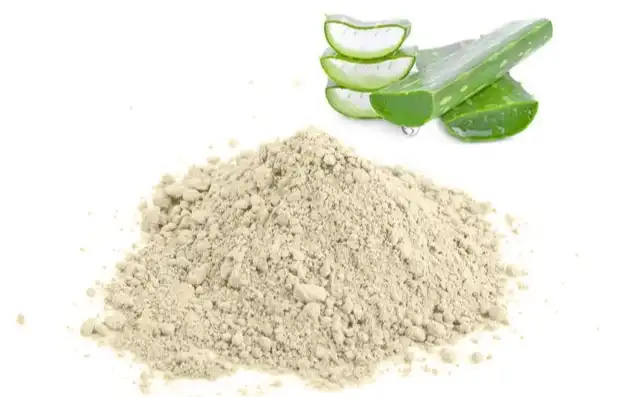
Understanding Aloe Vera Gel Powder: Composition and Nutritional Facts
What Makes Aloe Vera Gel Powder Different from Other Forms
There are clear differences between Aloe Vera Gel Powder, juice, and whole leaf extract in the botanical extract business. The concentrated, dried form of gel powder comes from the inner parenchymal tissue of Aloe barbadensis milleMilleres. Instead of liquid aloe juice, which is mostly water and needs to be kept cold, the powder is dried using spray-drying or freeze-drying methods with ratios between 50:1 and 200:1. This gets rid of the water while keeping the beneficial properties. This way of focusing solves important practical problems. Because enzymes and microbes break down fresh aloe gel quickly, it can only be kept for a few weeks, even in the fridge. On the other hand, powder that has been properly processed stays stable for three years when stored in a controlled environment. This lowers the cost of transportation by getting rid of water weight and reducing the need for preservatives. There are naturally higher amounts of anthraquinones in the outer rind and inner gel parts of whole leaf extracts. Before processing, premium gel powder suppliers carefully separate the clear inner gel from the rind using filleting tools. Activated carbon filtration is then used during the decolorization steps to make sure the aloin content stays below 1 ppm, which is well within international safety standards.
Core Bioactive Components and Their Functions
Aloe gel powder is useful for healing because it has a lot of different phytochemicals in it. Acemannan, a polysaccharide that has been acetylated and has a molecular weight of more than 1-2 million Daltons, is the main bioactive marker. This chemical has immunomodulatory properties because it activates macrophages, which help wounds heal faster and tissues grow back. According to quality standards, the amount of acemannan in the product must be between 10 and 20 percent by dry weight, which can be proven by HPLC analysis.55% to 65% of the powder is made up of polysaccharides. When applied to the skin, these hygroscopic molecules join water at the molecular level, making a barrier that keeps wetness out. This mechanism explains why the ingredient works so well in formulas that moisturize skin that is damaged or dry. Some other bioactive ingredients are:
- Glycoproteins: Deliver anti-inflammatory effects, reducing erythema and irritation in sensitive skin applications
- Vitamins A, C, and E: Provide antioxidant protection against free radical damage while supporting collagen synthesis
- Minerals (calcium, magnesium, zinc): Support enzymatic processes related to skin repair and cellular metabolism
- Amino acids: Supply building blocks for protein synthesis during tissue regeneration
As antioxidants, vitamins A, C, and E protect cells from damage caused by free radicals and help the body make collagen.
Storage and Shelf Life Considerations for Industrial Use
Amino acids are the building blocks for making proteins when tissue is healing. Formulators can choose the right concentration levels and guess how ingredients will behave in complex patterns when they understand these compositional elements. Things to Think About When Storing and Shelf Life for Industrial Use
Safety Profile of Aloe Vera Gel Powder for Skincare and Food Use
Clinically Validated Benefits Across Applications
The naturally acidic nature of the material is shown by pH ranges of 3.5 to 5.0 in reconstituted solutions. This trait affects the choice of preservatives and how well they work with the formulation in both food and cosmetics. During storage, regular batch testing makes sure that the moisture level stays below 5% and that the amounts of acemannan stay within the acceptable ranges. How Safe Is Aloe Vera Gel Powder for Use on Skin and in Food? Benefits proven by science in a variety of settings
Understanding Potential Adverse Reactions and Risk Mitigation
Anti-inflammatory properties are especially helpful for sensitive skin and skin care after surgery. Glycoprotein parts stop the activity of bradykinin and the production of thromboxane. This lowers the levels of inflammatory molecules that cause redness and pain. Aloe preparations are used in burn treatments because they are soothing, and controlled trials have shown that they shorten the time it takes to heal. When properly processed gel powder is eaten as a food item or nutrition supplement, it helps the digestive system feel better. The mucopolysaccharides cover the linings of the digestive tract, protecting them from acid irritation. These qualities are used in functional beverage formulations, and the usual dose is between 100 mg and 500 mg per serving, based on how the product is positioned and the rules that apply to it. Understanding Possible Adverse Reactions and Reducing Risk
- Mechanical separation: Filleting techniques isolate inner gel from anthraquinone-rich rind tissues
- Activated carbon filtration: Decolorization processes absorb residual anthraquinones, reducing levels to <1 ppm
- Batch verification: HPLC testing confirms each production lot meets safety specifications before release
The main safety concern is the amount of anthraquinones, especially aloin A and B compounds. Whole leaf preparations with high anthraquinone levels (>10 ppm) cause constipation and may be harmful to cells if they are exposed to them for a long time. Because of this scientific proof, governing agencies set strict limits on how it could be used in food and cosmetics.
Quality Assurance Standards and Certification Requirements
Filleting methods separate the inner gel from the anthraquinone-rich rind tissues mechanically. Activated carbon filtration: methods that remove color take in any remaining anthraquinones, lowering amounts to less than 1 ppmBappm. Batchification: Before a batch is released, HPLC testing makes sure that each production lot meets safety standards.
- Aloin content (must be <1 ppm for most applications)
- Acemannan percentage (typically 10-20%)
- Microbial limits (total plate count, yeast/mold, pathogens)
- Heavy metal screening (lead, arsenic, cadmium, mercury)
- Residual solvent analysis (if applicable to the processing method)
Standards for quality assurance and requirements for certification
Comparing Aloe Vera Gel Powder with Other Aloe Vera Forms for B2B Applications
Analytical Comparison: Powder, Juice, and Extract
Even though FDA registration doesn't mean a facility is approved, it does mean that it is regulated by U.S. laws and is inspected regularly. Procurement managers should ask for up-to-date certificates, audit reports, and batch-specific Certificates of Analysis (CoA) when they are reviewing providers. These should include: The amount of aloin must be less than 1 ppm for most uses. Usually between 10 and 20 percent of the number of microbes allowed (total plate count, yeast/mold, viruses)
Organic Versus Conventional: Sourcing and Certification Impact
Analysis of the residual liquid (if it applies to the processing method). This paperwork makes it possible to track where the raw materials come from all the way through to the delivery of the finished ingredients. This helps manufacturers follow the rules when making finished products. Looking at Aloe Vera Gel Powder vs. Other Types of Aloe Vera for Business Use: A Comparison of Powder, Juice, and Extract
Evaluation Criteria for Premium Suppliers
When it comes to dry formulations, aloe gel powder gives you the most options. Manufacturers of tablets and capsules gain from powders that are free-flowing and mix evenly with excipients. Formulation options are expanded by reconstitution ratios; for example, 100:1a powder only needs 1g to make 100ml of gel, which allows for accurate dosing in food supplements. Freight costs are much lower for concentrated formats because one 25 kg drum can hold 2,500 to 5,000 kg of liquid juice, based on the concentration ratio. Aloe juice is still popular in beverage applications where adding liquid makes processing easier. Juice dissolves right away without having to be reconstituted, but it needs to be kept cold and has a shorter shelf life (6–12 months chilled vs. 3 years for powder). Clean-label formulations are harder to make because of the preservative systems, and the high water content makes each ingredient cost more.
Whole leaf extract has chemicals from both the gel and the rind, such as higher amounts of anthraquinone. In traditional medicine, these chemicals were used to help people go to the bathroom, but today's cosmetic and food laws limit their use. When compared to purified gel powder, suppliers of whole leaf material must provide a lot of information about the anthraquinone content, which limits the uits.Organic vs. conventional: How to Source and How Certification Affects Organic products are becoming more popular in the market, but high-quality conventional options are just as safe as organic ones when they are processed correctly. The difference is more about how the crops are grown than about how safe or effective the final product is.
How to Safely Use Aloe Vera Gel Powder in Your Products
Recommended Concentrations for Skincare Formulations
The choice between organic and conventional is mostly based on how the brand is positioned and what the target consumer wants, not on how well the two products work. For both types to meet the safety standards needed for controlled uses, they need the same post-harvest processing, decolorization, and batch testing.
Things that are used to judge premium suppliers
To choose the best Aloe Vera Gel Powder, you need to carefully evaluate each supplier. Quality-focused procurement managers look at candidates in a number of different ways, including: Traceability of Raw Materials: Top sellers keep in touch with well-known growing bases and prefer plants that are at least two years old, when their bioactive content is at its highest. Geographic origin documentation allows for country-of-origin labeling compliance and genetic testing to confirm the identity of plants.
- Humectants (glycerin, propylene glycol, hyaluronic acid)
- Emulsifiers (cetearyl alcohol, polysorbates)
- Preservatives (phenoxyethanol, potassium sorbate)
- Botanical extracts (green tea, chamomile)
Analytical Skills: Reliable batch data is generated in in-house labs that are equipped with HPLC equipment. Suppliers who offer component profiles that show the distribution of polysaccharide molecular weight, the measurement of individual anthraquinones, and vitamin content show a high level of analytical skill that helps with recipe optimization.
Food Application Guidelines and Case Studies
How to Use Aloe Vera Gel Powder in Your Products Without Risk Concentrations that are suggested for skin care productsAloe gel powder is usually added to cosmetics at a weight of 0.5 to 5 percent of the finished product, based on the shape and placement of the product. Face serums that want to deeply moisturize benefit from having inclusion rates of 2 to 5 percent, which is enough carbohydrate content to create films that keep moisture in. When making after-sun products, they often use high concentrations to get the most soothing benefits. Leave-on goods like creams and moisturizers usually use 1% to 3% amounts, which balance how well they work with how they feel. As the polysaccharide films form during drying, higher concentrations may make the substance stickier. Rinse-off products like cleansers and masks can handle concentrations of 1% to 2%, which lets marketers make claims without too much of an impact on foam stability or viscosity.
Procurement Strategies for B2B Buyers
Stability across ingredient systems is proven by compatibility testing. It has been shown that aloe gel powder works well with:
- Concentration ratio (50:1, 100:1, 200:1)
- Acemannan content minimum
- Aloin maximum limit
- Physical properties (appearance, solubility, moisture)
- Microbial and contaminant limits
Tetrahydrocétyl alcohol and polysorbates are emulsifiers. Keeping things fresh (phenoxyethanol, potassium sorbate)Plant-based extracts (like chamomile and green tea)
Procurement Insights: Choosing the Right Aloe Vera Gel Powder Supplier
Certification Verification and Traceability Systems
Different countries have different rules about how aloe vera can be used in food. In the US, decolorized aloe vera juice is generally thought to be safe (GRAS) for use in drinks as long as the amount of aloin stays below 10 parts per million. Similar uses are allowed in Europe under Novel Food rules, but only if there is proof of safety through traditional use or chemical data.
- Current ISO 9001 certificates with scope statements covering botanical extracts
- FSSC 22000 or equivalent food safety certifications
- KOSHER/HALAL certificates if required for target markets
- Organic certifications matching destination country requirements
- FDA registration documentation (for U.S.-bound ingredients)
Dietary supplement forms usually contain 100 to 300 mg of aloe gel powder per capsule or tablet, which supports claims of digestive comfort that are backed up by evidence of long-term use. Combination formulas use aloe along with other plants that work well together, like slippery elm or marshmallow root, to focus on digestive health. A well-known brand of healthy drinks changed its recipe and now uses 200:1 freeze-dried powder instead of liquid aloe juice concentrate in its products. This change cut the cost of ingredients by 35%, increased the stability at room temperature from 6 to 18 months, and got rid of the need for preservatives. This supported the clean-label stance while keeping the clinical effectiveness shown in consumer studies. Strategies for B2B buyers to buy things
Supplier Reputation and Quality Audit Practices
Ratio of concentration (50:1, 100:1, 200:1) Minimum amount of acemannan Aloin's highest point Characteristics (look, ability to dissolve, and wetness)
Pricing Structures and Bulk Purchase Negotiation
Request for Quotation (RFQ) letters should ask for prices for a range of quantities, which will show economies of scale. Instead of just believing what the supplier says, sample evaluation protocols test how well the ingredients work in real formulation matrices. A lot of good suppliers offer 100–500g samples for a small fee so that you can check the quality before making a purchase. To negotiate payment terms and release dates, you need to know how production works. Established suppliers keep common specifications in stock, so standard orders can be filled in 3–5 business days. Custom requirements, such as specific acemannan percentages or concentration ratios, may take 15 to 30 days to plan production and test batches. Creating long-term relationships is worth more than the price of a single unit. Product development is sped up by technical support like formulation advice, stability data, and regulatory paperwork. Suppliers with application labs can test for suitability and give advice on how to use their products based on their years of experience formulating different types of products. How to Choose the Best Aloe Vera Gel Powder Supplier for Your Needs
OEM and Private Label Collaboration
Doing your research starts with carefully going over the certification. Ask for full packages of paperwork that include: Valid ISO 9001 certificates that include plant products in the scope statements, certifications for food safety like FSSC 22000 or something similar if specific areas need them, and KOSHER/HALAL certificates
Conclusion
Volume tiers encourage people to make bigger commitments. Sample orders (1–10 kg) and sample quantities (100–500 g) allow technical evaluation at prices 50–100% higher than commercial prices. Base prices are unlocked for standard business minimums of 25 kg (single drum), and discounts of 10–15% are allowed for agreements topping 500 kg per year, which are based on lower sales and logistics costs. For products such as Aloe Vera Gel Powder, these tiered purchasing structures help buyers evaluate quality before moving into larger-scale procurement. Multi-year supply deals are good for both parties. Buyers get stable prices that protect them from changes in the market prices of raw materials, and providers get stable production rates that let them plan their capacity more efficiently. These kinds of contracts should include rules about quality, yearly volume commitments with flexible shipment schedules, and ways for prices to change based on public indexes instead of just going up for no reason.
FAQ
Can aloe vera gel powder be used for all skin types?
Use the website of the granting body to make sure the certificate is real. In certification scope statements, Aloe Vera Gel Powder should be mentioned instead of general plant extracts. This will make sure that related processes are covered by the audit.
What concentration of aloe gel powder is safe for internal consumption?
Third-party audit reports give an unbiased look at a quality system. Some private business information may be hidden in audit summaries, but responses to corrective actions and efforts to keep getting better show that the quality management is mature. Concerns about operating openness are raised by people who don't want to share this kind of information.
How do I verify that my supplier provides legitimate certifications?
Established providers show their track records by giving client references and being in the business for a long time. Companies that have been around for 20 years or more usually have complex quality systems that they've built up over time by serving controlled markets. Ask for references from clients who have used similar applications and ask specific questions about batch consistency, how quickly technical support responds, and how well problems are solved.
Partner with KH for Premium Aloe Vera Gel Powder Supply
When possible, physical building checks give a lot of information. Buyer quality teams do second-party exams that check for GMP compliance, as well as repair programs for equipment, pest control programs, and records of employee training. When traveling is not an option, virtual audits through video tours can be used as a partial replacement. Formal due diligence is paired with online image study. Professional review sites, industry groups, and articles in trade publications can show trends of customers who are happy or who have problems that keep coming up. Multiple complaints about consistency or communication should lead to a careful review, no matter what certifications are held. For further supplier verification and business communication, buyers can also contact info@kingherbs.com to request additional details or discuss cooperation. Pricing structures and negotiating for bulk purchases
References
1. Hamman JH. Composition and Applications of Aloe vera Leaf Gel. Molecules. 2008;13(8):1599-1616.
2. Surjushe A, Vasani R, Saple DG. Aloe Vera: A Short Review. Indian Journal of Dermatology. 2008;53(4):163-166.
3. Reynolds T, Dweck AC. Aloe vera leaf gel: a review update. Journal of Ethnopharmacology. 1999;68(1-3):3-37.
4. Boudreau MD, Beland FA. An Evaluation of the Biological and Toxicological Properties of Aloe Barbadensis (Miller), Aloe Vera. Journal of Environmental Science and Health Part C. 2006;24(1):103-154.
5. International Aloe Science Council. IASC Certification Program Standards and Procedures. Revised Edition. 2019.
6. Cosmetic Ingredient Review Expert Panel. Final Report on the Safety Assessment of Aloe Andongensis Extract, Aloe Andongensis Leaf Juice, Aloe Arborescens Leaf Extract. International Journal of Toxicology. 2007;26(Supplement 2):1-50.
Send Inquiry
_1779935733082.webp "Lespedeza Capitata Extract")
Related Industry Knowledge
- Cocoa Seed Extract Benefits for Functional Food Formulas
- Can Rosehip Extract Powder Boost Immune Health?
- How Fast Can Tongkat Ali Extract Powder Boost Your Energy Levels?
- Is Tongkat Ali Extract Powder Safe for Daily Supplementation?
- How Bitter Melon Extract Powder Supports Metabolic Health?
- The Science Behind Couch Grass Rhizome Extract Benefits
- What Is Couch Grass Rhizome Extract Used for in Herbal Health?
- How Mulberry Leaf Extract Powder Supports Glycemic Response?
- Can Polygonum Cuspidatum Extract Help Reduce Inflammation?
- Best China Macleaya Cordata Extract for Animal Nutrition Companies