_1762508637542.webp)
Cocoa Seed Extract Benefits for Functional Food Formulas
Aug 11, 2026
Cocoa seed extract derived from Theobroma cacao seeds represents a powerful functional ingredient that addresses multiple formulation challenges. Rich in polyphenols, flavonoids, and theobromine, this bioactive powder delivers antioxidant strength comparable to green tea while offering cardiovascular, cognitive, and metabolic support. For R&D directors and procurement managers evaluating ingredient differentiation, cocoa extract provides scientifically validated health claims backed by standardized testing methods (UV/HPLC), making it an essential component in next-generation functional food development.
Understanding Cocoa Seed Extract and Its Nutritional Profile
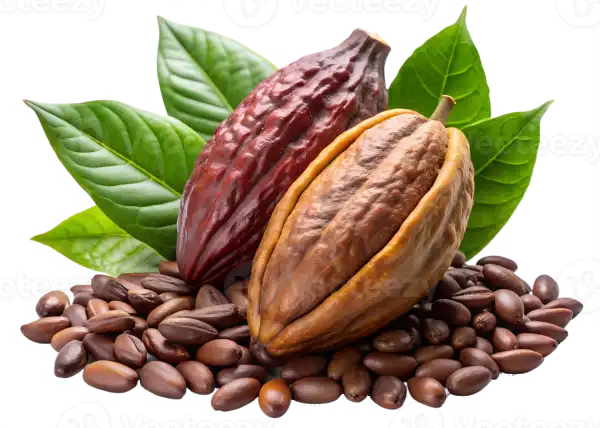
Theobroma cacao trees are where Cocoa Seed Extract comes from. The seeds are extracted in a special way to increase the health benefits. Unlike regular cocoa powder, which is mostly used for flavour, this extract uses modern hydro-ethanol techniques that keep the polyphenolic structure while getting rid of harmful solvents that are left over. For formulation chemists, this difference is very important: cocoa powder gives things their flavour and colour, while extract concentrates provide measurable bioactive potency with standard ranges of 10–40% polyphenols and 4–98% theobromine content.
Extraction Methods and Purity Standards
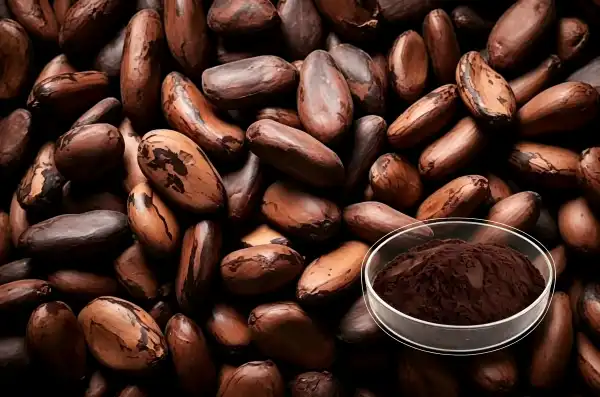
Modern extraction methods strike a mix between speed and keeping sensitive substances safe. The hydro-ethanol extraction process catches epicatechin, catechin, and procyanidins, which are the main flavonoid molecules that provide antioxidant activity while keeping the water solubility that is needed for use in drinks and supplements. Suppliers of good quality use strict cleaning methods to get fine brown powder (80 mesh) with a cocoa smell that doesn't contain any manmade solvents that could compromise safety standards.
Batch-level HPLC paperwork that checks the amount of active ingredients is helpful for manufacturers who need to be able to track their products. Protocols for testing prove flavonoid levels between 1% and 20% and polyphenol levels that match what the label says, meeting the needs of FDA-registered sites for regulatory compliance. This level of analytical rigour tells the difference between professional-grade Cocoa Seed Extracts and regular cocoa products that don't have standardised potency.
Nutritional Density and Bioactive Compounds
Cocoa Seed Extract has a lot of different phytochemicals, not just antioxidants. Methylxanthines, which include theobromine (10–20% of functional formulas), give mild stimulant benefits without caffeine's intensity. This makes them good for drinks that help you relax and vitamins you take at night. Proteins, dietary fibres, and fatty acids are some of the minor ingredients that add nutritional value. However, polyphenolic compounds that fight free radicals like DPPH and nitric oxide are what really make the formulation work.
The most common catechin in cocoa is epicatechin, which widens blood vessels by activating the nitric oxide pathway. According to clinical studies, eating 200 mg of epicatechin every day helps the function of endothelial cells. This level of concentration can be reached with concentrated extracts in single-serve functional foods. When making products with promises about heart health, the people who make them need to make sure that the extract specifications match the effective dosing requirements backed by regulatory groups like the EFSA.
Core Health Benefits of Cocoa Seed Extract for Functional Foods
Strong clinical evidence from a number of different health areas supports the use of Cocoa Seed Extract in functional formulations for therapeutic purposes. When purchasing managers look at the return on investment (ROI) of ingredients, they should know that these benefits can be directly linked to claims made by customers that set products apart in a crowded market.
Antioxidant Capacity and Cellular Protection
Oxygen Radical Absorbance Capacity (ORAC) values of polyphenol-rich Cocoa Seed Extracts are on par with those of açai and blueberry concentrates. This level of antioxidant power saves DNA in cells from reactive damage that can lead to early ageing and long-term illnesses. Scientists work on formulas like how the antioxidants in Cocoa Seed Extract and vitamins C and E work together to make complexes that neutralise free radicals more effectively.
Comparative studies show that cocoa flavanols are more stable in acidic beverage systems than green tea catechins, which break down quickly below pH 5. Because they are more stable, ready-to-drink functional drinks can keep their antioxidant strength for up to 18 months, which saves money on reformulating costs that come with breakdown problems.
Cardiovascular Support and Metabolic Function
Multiple ways that cocoa powder affects heart health have been proven to work in human studies. Blocking ACE enzymes helps keep blood pressure in a safe range, and making nitric oxide more bioavailable improves circulation and capillary flexibility. These ways put cocoa-based functional foods in the growing heart-health area, which is expected to be worth $89 billion around the world by 2027.
Some metabolic perks are better insulin sensitivity and help with glucose absorption. Researchers have found that cocoa polyphenols can change inflammatory signalling pathways that are involved in metabolic syndrome. This could give people who make weight loss products a natural way to do things. Doses between 500 mg and 1000 mg of extract per day (standardised to 30% polyphenols) have been shown to work in clinical settings. This makes it clear what recipe goals should be set for sports nutrition and meal replacements.
Cognitive Enhancement and Mood Regulation
New research in neuroscience shows that cocoa powder can protect neurones by increasing blood flow to the brain and helping neurones grow. Flavanols get into the brain through the blood-brain barrier and concentrate in parts of the hippocampus that are linked to remembering things. Functional food makers who want to sell foods that improve brain ability can use these results to back up claims that their foods can help with mental clarity and focus.
Mood regulation is another area of application. There are small amounts of phenylethylamine and anandamide precursors in cocoa. These work with nerve systems that control how we react to stress and keep our emotions in check. Even though the amounts aren't very high, formulation synergies with adaptogens like L-theanine or ashwagandha make stress-management goods that are in line with health trends.
Cocoa Seed Extract in Functional Food Formulas: Formulation Insights
To turn health benefits into market goods, you need to know about the physical qualities, processing behaviours, and compatibility of Cocoa Seed Extract in complex formulation matrices. To make stable, useful goods, technical experts have to figure out how to choose the right format, how ingredients interact with each other, and how to follow the rules set by regulators.
Powder Versus Liquid Extract Considerations
Cocoa Seed Extract powder comes in 4:1 or 10:1 ratio formats, which make it easy to handle and give you more options for how to use it. The fine brown powder mixes easily in water when it is fully wet, but particles can stick together in places with a lot of humidity. Specifications for moisture content below 5% make sure that the product can run during encapsulating or tableting, which keeps equipment from getting clogged up and slowing down production.
Solubility factors affect which applications are best. Powders that dissolve quickly in water work great in protein shakes, functional coffees, and nutritional bars where quick dissolution is needed. When microencapsulation or lipid complexation are used to make oil-soluble variants, they work well in softgel delivery systems and chocolate candies where fat-soluble matrices are common. By knowing these differences in style, you can avoid delays in reformulating while a product is being developed.
Ingredient Compatibility and Stability Management
Cocoa Seed Extract works well with most functional ingredients, but there are some interactions that need extra attention. Mineral chelates, like magnesium and zinc, can combine with tannins to make less bioavailable metal complexes. This is why combination products need buffer systems or time-delayed release technologies. Cocoa's natural acidity (pH 5.5–6.5 in solution) can stress sensitive bacterial strains, so it's important to keep an eye on the pH of probiotic mixtures.
When making baked goods or extruding things, thermal stability is very important. Flavonoids in cocoa can withstand short periods of heat up to 120°C, which means they can be used in energy bars and granolas. But long-term heat exposure (>90 minutes at high temperatures) lowers the amount of epicatechin by 20–30%, so late-stage addition methods that keep the bioactive potency are needed.
Specifics of the packaging have a direct effect on how stable the shelf life is. Light-sensitive polyphenols need containers that are opaque or made of amber glass to keep them from breaking down. Oxidation happens faster when there is oxygen around, so nitrogen-flushed packaging or oxygen-absorbing sachets are needed to keep the antioxidant capacity high during business distribution cycles.
Regulatory Navigation and Clean Label Compliance
These days, customers want to know everything, which leads to "clean label" products that don't contain any artificial ingredients. If the cocoa beans come from certified fields, the Cocoa Seed Extract made through natural hydro-ethanol processes meets these standards and can be labelled as organic. Certifications like KOSHER, HALAL, and vegan make the market bigger, especially for health supplement outlets with a wide range of customers.
Concerns about allergens are still simple: according to FDA rules, Cocoa Seed Extract does not contain any major allergens. However, facilities that process tree nuts or soy must have cross-contamination controls in place. Heavy metal testing, especially tracking for cadmium, is an important quality step. Reliable sellers get their beans from areas with low volcanic soil and give batch certificates that show they meet California Prop 65 limits (0.049 µg cadmium per daily dose).
Sourcing and Procurement Guide for Cocoa Seed Extract
To set up reliable supply chains for Cocoa Seed Extract, you need to look at more than just price comparisons when comparing suppliers. To lower the risks that come with getting botanical ingredients, quality assurance directors need to look at certifications, the accuracy of the analysis, and the flexibility of the logistics.
Critical Certifications and Quality Benchmarks
Premium Cocoa Seed Extract sellers hold several certificates that demonstrate they are good at producing the product. ISO9001 certifies quality management systems, and FSSC22000 shows how food safety is built into all parts of the production process. HACCP methods find key control points that stop contamination, and GMP compliance makes sure that production standards are met for pharmaceutical-grade products. All of these certifications make it easier for buyers who are subject to strict regulatory oversight to pass audits.
U.S. importers can be sure they are following the rules when they register with the FDA. This makes it easier to clear customs and file regulatory paperwork. Suppliers who have both KOSHER and HALAL certifications can reach niche markets with religious dietary needs, which can help businesses grow without having to change their recipes.
MOQ Flexibility and Sample Programs
During product creation, reducing risk depends on how willing the seller is to allow small-batch trials. Progressive sellers offer sample sizes (100–500g) at fair prices, which lets you test the formulation before committing to business minimums of 25 kg. This versatility is very helpful when looking at different types of extracts, like 20% polyphenol vs. 40% polyphenol grades or theobromine-enriched versions vs. standard ratio extracts.
Different pricing systems are used for different types of specifications and orders. Standard extracts with a 10:1 ratio cost $35 to $55 per kilogram when ordered in quantities of 500 kg, while high-potency grades with 40% polyphenols cost $70 to $95 per kilogram. Because of the special steps needed to clean them, theobromine-isolated extracts (95%+ purity) are very expensive. During procurement talks, open discussions about prices keep costs from going over budget and build the basis for a long-term relationship.
Logistics and Packaging Integrity
When sending something internationally, it needs to be protected in a way that keeps the extract stable even when the temperature changes and the package is handled roughly. Professional suppliers put double-sealed polyethylene bags inside fibre drums, and desiccant packets control the amount of moisture inside. Standard 25kg drum packaging makes the most of freight economy and keeps goods safe from damage and light.
For urgent samples, you can use courier services. For moderate amounts that need to be delivered quickly (7–10 days), you can use air freight. For bulk orders that need to be delivered cheaply (30–45 days), you can use ocean shipping. Suppliers who keep ready-to-ship supplies can keep their promises to ship quickly, cutting down on lead times that could otherwise delay product starts or cause production gaps.
Making The Right Decision: Comparing Cocoa Seed Extract With Alternatives
Choosing the right ingredients affects both how well the formulation works and where it stands in the market. Knowing how Cocoa Seed Extract stacks up against similar substances and other antioxidant sources helps you make the best choices that will help your product reach its goals.
Cocoa Derivatives: Extract Versus Powder and Nibs
Even though both cocoa and coffee come from plants, cocoa powder is mostly used for flavouring and colouring and doesn't have many standardised bioactives. Concentrated extracts have 10–40% polyphenols, while regular cocoa powders only have 3-8%. This is a four- to tenfold difference in potency that has a huge impact on dosing requirements and label claims. When Dutch-processed powders are alkalised to make them less acidic and darker, 60–90% of the flavonols are destroyed. This takes away the healing value but keeps the sensory qualities.
Cacao nibs look like whole foods, but they are hard to make because the particles aren't all the same size; they have a lot of fat (50% or more of cocoa butter), and they can't be used in low-fat products because the polyphenol levels can't be controlled. Extracts get around these problems by giving you exact control over structure and a wide range of format choices.
Antioxidant Extract Comparisons
Green tea extract is still the most important antioxidant, but Cocoa Seed Extract has its own benefits. Because cocoa is more stable at high temperatures, it can be used in baked goods where green tea catechins break down. There are big differences in the flavours. Cocoa's rich chocolate notes go well with indulgent functional foods like protein bars, brownies, and coffee blends, but green tea's bitter vegetal notes need to be strongly hidden in the same foods.
Another difference is polyphenolic diversity. Green tea's monomeric catechins don't have the same effects on the heart as cocoa's procyanidin oligomers, which allows for more targeted health claims. Brands that are especially trying to improve heart health may find that Cocoa Seed Extract's clinical evidence base makes it more useful than other antioxidant sources.
Application-Specific Recommendations
Extracts with a 10:1 ratio are good for making energy bars because they have a reasonable polyphenol content (15–25%) without being too bitter or costing too much. During dry mixing, the powder format mixes in and spreads evenly throughout the matrix, not leaving any textural flaws or separation issues during storage on a shelf.
People who are making functional drinks should look into high-polyphenol liquid extracts (30–40% standardisation) that dissolve right away in cold water systems. These concentrated forms allow for effective dosing in single-serve formats (250–350ml) while keeping flavour effects to a minimum by letting you precisely control the volume.
Supplement capsules give you the most options because they can hold theobromine-rich extracts (50%+ purity) that are meant to improve your brainpower or reduce your hunger. The encapsulation format hides any bitterness that may still be there and lets formulators combine Cocoa Seed Extract with plants that work well together, like rhodiola or ginseng.
Conclusion
The standardised polyphenol and theobromine content of Cocoa Seed Extract makes it a valuable ingredient for functional food innovation because of its scientifically proven health benefits. Multiple extract formats and specifications give product developers more options for how to make their products, and established quality certifications and flexible MOQ structures help procurement teams. The cardiovascular, cognitive, and antioxidant properties of the extract are in line with current wellness trends. These qualities are backed up by clinical proof that makes regulatory claims more credible. For execution to go well, compatibility factors, stability management, and source selection criteria that make sure the quality of the raw materials stays the same during business production processes must all be taken into account.
FAQ
1. Does cocoa seed extract present any safety concerns or side effects?
At functional food doses (500 to 1500 mg per day), Cocoa Seed Extract has great safety ratings. Theobromine in coffee has mild stimulant effects without being as strong as caffeine. However, people who are sensitive to methylxanthines should start with lower doses. Full toxicology tests show that it doesn't have any bad effects at levels much higher than the normal formulation amounts. This means that it's safe for most people to use according to the label instructions.
2. Can cocoa extract qualify for vegan and plant-based certifications?
Of course. Cocoa Seed Extract comes only from plant-based sources and doesn't use any animal-based ingredients or processing aids, so it meets the standards for vegan approval. Suppliers with KOSHER and HALAL certifications give you even more proof that the plant-based food is pure. Clean extraction using water-ethanol systems (no animal leftovers) makes sure that the product fits with the plant-based positioning that is driving big market growth.
3. What certifications should procurement teams prioritize when evaluating suppliers?
The ISO9001 and FSSC22000 certifications set up basic systems for managing quality and food safety. GMP compliance is very important for dietary supplement uses that need pharmaceutical-level controls. If you want to sell high-end natural goods, getting an organic certification is important. Getting a KOSHER or Halal certification opens up more marketing options. To make sure the analytical rigour is higher than just looking at certification documents, you should ask for batch-specific certificates of analysis that confirm polyphenol content, heavy metal testing, and microbial specifications.
Partner With a Trusted Cocoa Seed Extract Supplier for Your Formulation Success
Kingherbs Limited sells Cocoa Seed Extract that is safe for use in medicines. Their products are certified by many organisations, including ISO9001, FSSC22000, KOSHER, HALAL, and FDA, and they put them through strict HPLC testing protocols. Our hydro-ethanol extraction process keeps the bioactive integrity while getting rid of any liquid leftovers. This makes a fine brown powder that is more stable in terms of its solubility and strength. We keep ready-to-ship goods so that samples and standard specs can be sent out within three to five business days. This helps meet short deadlines for product development. KH is your technical partner as you integrate ingredients because they have open minimum order quantities that allow for trial orders and custom ratio formulas. They also have application laboratories that can help with beverage, gummy, and tablet systems. Email our team at info@kingherbs.com for detailed specs, batch analysis results, or sample amounts that will help you come up with new healthy foods faster.
References
1. Cooper, K.A., Donovan, J.L., Waterhouse, A.L., and Williamson, G. (2008). "Cocoa and chocolate flavonoids: implications for cardiovascular health." British Journal of Nutrition, 99(1), 1-11.
2. Martín, M.Á., Goya, L., and Ramos, S. (2013). "Potential for preventive effects of cocoa and cocoa polyphenols in cancer." Food and Chemical Toxicology, 56, 336-351.
3. Nehlig, A. (2013). "The neuroprotective effects of cocoa flavanol and its influence on cognitive performance." British Journal of Clinical Pharmacology, 75(3), 716-727.
4. Rusconi, M. and Conti, A. (2010). "Theobroma cacao L., the Food of the Gods: A scientific approach beyond myths and claims." Pharmacological Research, 61(1), 5-13.
5. Schramm, D.D., Wang, J.F., Holt, R.R., Ensunsa, J.L., Gonsalves, J.L., Lazarus, S.A., Schmitz, H.H., German, J.B., and Keen, C.L. (2001). "Chocolate procyanidins decrease the leukotriene-prostacyclin ratio in humans and human aortic endothelial cells." American Journal of Clinical Nutrition, 73(1), 36-40.
6. Taubert, D., Roesen, R., Lehmann, C., Jung, N., and Schömig, E. (2007). "Effects of low habitual cocoa intake on blood pressure and bioactive nitric oxide: a randomized controlled trial." Journal of the American Medical Association, 298(1), 49-60.
Send Inquiry

Related Industry Knowledge
- How to Source Reliable Lotus Leaf Extract from China?
- How to Import Angelica Officinalis Extract from Trusted Suppliers?
- Bitter Melon Extract Powder Manufacturing Process and Quality Guide
- What Are the Main Applications of Rose Hip Extract Powder?
- How to Import Blueberry Extract Powder from Trusted Suppliers?
- Passionflower Extract Powder: A Natural Way to Help with Stress & Sleep Support
- Can Macleaya Cordata Extract Improve Feed Efficiency?
- Can Onion Extract Improve Hair Growth Naturally?
- Lespedeza Capitata Extract for Plant-Based Kidney Care
- Can Olive Extract Powder Support Healthy Blood Sugar?