_1762508637542.webp)
How to Source Reliable Lotus Leaf Extract from China?
Jul 31, 2026
Sourcing high-quality Lotus Leaf Extract from China requires a strategic approach that balances cost efficiency with stringent quality standards. This botanical ingredient, derived from Nelumbo nucifera Gaertn., has become increasingly valuable for dietary supplement brands, nutraceutical companies, and cosmetic formulators. The key to successful procurement lies in identifying suppliers who offer consistent standardized nuciferine content, provide comprehensive batch documentation, and maintain internationally recognized certifications. Understanding the extraction methods, specification ranges, and verification protocols ensures you secure a reliable ingredient that meets both regulatory requirements and formulation objectives. We'll explore practical frameworks that address common procurement pain points, from initial supplier screening to establishing long-term partnerships.
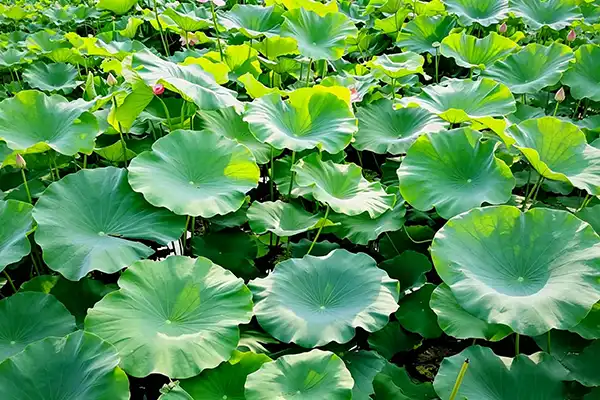
Understanding Lotus Leaf Extract and Its Market Demand
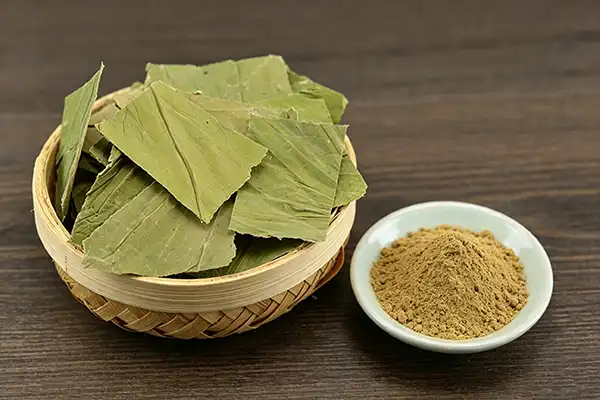
The market for plant extracts has grown a lot, and ingredients that are high in nuciferine are getting a lot of attention from people who buy things and work on making new products. This fine brown powder is high in bioactive alkaloids and flavonoids that help with weight loss, metabolic health, and protecting cells from damage. The extract works in several fields at the same time, which makes it a useful addition to product lines.
Why Lotus Leaf Extract Dominates Natural Ingredient Portfolios
Standardized herbal extracts are becoming more popular because people want health answers that come from plants. Nuciferine naturally stops pancreatic lipase and amylase activity, unlike synthetic alternatives. This makes it a clean-label option for metabolic support products. The substance solves current health problems without the heart problems that come with man-made appetite suppressants.
There are a lot of different ways that this plant product can be used. Dietary supplement brands put standardized nuciferine concentrations (1% to 98%) or ratio extracts (4:1, 10:1) into capsules and tablets that are meant to help people lose weight. Its water-soluble grades are used by functional beverage developers to make drinks that speed up metabolism and wellness teas. Cosmetic formulators like that it has a lot of antioxidants that can help fight ageing.
Market Growth Drivers and Procurement Implications
According to research, the plant extract market grows steadily every year, especially for ingredients that have been shown to improve digestive health. China's well-established infrastructure for growing Nelumbo nucifera makes the country a top choice for supply lines that are both cost-effective and scalable. Procurement teams know that dealing directly with Chinese makers often leads to better prices than going through middlemen, especially for large orders of more than 500 kg per year.
All types of buyers have higher hopes for quality. Now, R&D leaders need thorough HPLC chromatograms that show alkaloid profiles instead of just the percentages of total nuciferine. Quality assurance managers want heavy metal testing results that show arsenic levels are less than 1 ppm and lead levels are less than 2 ppm, which shows that the raw materials came from water. Because of this extra attention, choosing a provider is more important than ever.
Common Challenges When Sourcing Lotus Leaf Extract from China
When trying to find botanical ingredients from Chinese suppliers, procurement professionals run into a number of problems with Lotus Leaf Extract. By being aware of these problems, you can take proactive steps to lower your risks and protect both the quality of your products and the continuity of your supply chain.
Quality Consistency and Standardization Variability
There are big changes in how pure an extract is from one maker to the next because of how they get their raw materials, how they extract them, and how they check for quality. Some sellers collect lotus leaves from plants that grow wild in situations that aren't always good for them, so the amounts of alkaloids aren't always the same. Others don't have advanced chromatography equipment, so they make extracts whose active ingredient content can't be confirmed. Concerns about adulteration still exist, as cheaper fillers are sometimes mixed into finished powders to make more money.
This variation has a direct effect on how well the formulation works. When customers complain about a supplement brand's uneven effectiveness, it's often because the nuciferine amounts change from batch to batch. Without consistent standardization, R&D teams can't make formulations that work again and again or meet the requirements for label claims.
Supply Chain Transparency and Documentation Gaps
A lot of medium-sized Chinese sources have trouble with full tracking systems. Often, procurement managers get documentation packages that are missing important pieces of information, like where the plants came from, when they were harvested, the specifics of the solvent used for extraction, or pesticide residue test reports. This lack of paperwork makes following the rules harder, especially for brands that sell in places with strict rules about plant ingredients.
Another problem is the minimum order quantity, which can be hard for small to medium-sized businesses that are trying out new recipes. Established brands can commit to orders of up to 500 kg, but new businesses and those that do a lot of research and development need sample quantities or trial batches that weigh less than 25 kg. Not all manufacturers can handle these smaller orders, which forces buyers to commit to large orders before they can be sure the product will work.
Communication and Cultural Considerations
Time zone differences make it harder for Chinese providers and buying teams to work together in real time. Responding to emails often takes 24 hours, which slows down negotiations and expert talks. It can be hard to talk about specific extraction ratios, liquid waste limits, or pharmacopoeia standards when you have to use technical language. When people don't understand what the specifications say, it can cause deliveries of the wrong product and delays that cost a lot of money.
Building trust between people from different cultures takes time and clear rules for how to talk to each other. In Chinese business culture, building relationships comes before talking about transactions. However, procurement managers may put more importance on instant technical specs and price. Getting past this societal gap makes partnerships last longer and be more successful.
Step-by-Step Guide to Sourcing Reliable Lotus Leaf Extract from China
A systematic framework for purchasing cuts down on risk while improving quality and lowering costs. The next method gives you steps you can take to find and qualify sources who can meet your strict requirements for plant ingredients.
Define Your Exact Specification Requirements
Before reaching out to suppliers, start by writing down exact product details. Clear specifications keep expectations from not matching up and make it easier to compare suppliers accurately. Take a look at these important factors:
Standardization Level: Figure out if your Lotus Leaf Extract formula needs ratio extracts (4:1 or 10:1) or standardized nuciferine content, which is usually between 2% and 98%. Ratio extracts are cheaper than traditional plant recipes, and standardized alkaloid concentrations make it possible to figure out exact doses for medical use.
Form and Solubility: Figure out if you need standard powder, extracts that dissolve in water for use in drinks, or tinctures that dissolve in ethanol. Different processing technologies are needed for each form, which affects the choice of supplier.
Testing and Certification Needs: List the tests that need to be done (HPLC vs. UV spectrophotometry), the limits for heavy metals and microbes that need to be checked, and the certifications that need to be obtained (ISO 9001, FSSC 22000, KOSHER, HALAL, or organic certificates). Because of these requirements, your supplier pool is much smaller and only includes qualified manufacturers.
Volume Projections: Figure out how many samples you need for the first batch, how many you need for the pilot batch, and how much you think you will use in a year. With this knowledge, suppliers can come up with better shipping options and price plans.
Implement Multi-Criteria Supplier Screening
There are more than just price factors that need to be taken into account when evaluating possible partners. When making their choice of suppliers, quality assurance managers should put these steps of proof at the top of the list.
The ability to make things should be carefully looked at. Ask for pictures of the facility that show the extraction equipment, especially chromatography systems for standardization and spray-drying towers for making powder. Suppliers who have their own HPLC testing equipment are better able to control quality than those who outsource analytical work. Find out how the raw materials are sourced. Suppliers that manage their own cultivation bases tend to provide more uniform quality than those that buy leaves from various farms.
Portfolios of certifications show how mature a business is. FSSC 22000 certification shows a commitment to food safety, while ISO 9001 certification shows that quality control methods are in place. FDA approval (to get into the U.S. market) and GMP compliance show that you know about the rules. Suppliers with more than one appropriate license usually have more advanced quality control programs.
The way you document things is a sign of quality. Ask for examples of Certificates of Analysis (COA) from the most recent production runs. Assay results for active markers, heavy metal screening, pesticide residue screening, microbiological analysis, and physical characteristics are all part of a full COA. Incomplete or general COAs show that the testing procedures aren't good enough.
Request and Evaluate Product Samples
Before committing to commercial orders, sample evaluation is very important for making sure everything is correct. Structured sample testing procedures are part of professional buying processes.
Ask for samples that meet your exact needs, along with COAs and MSDS papers that are specific to the lot. Check how it looks. Good nuciferine extract is a fine brown powder that smells like herbs and doesn't become cloudy or clump together in strange ways. Send samples to independent third-party labs for testing, and then compare the results of their analysis with the data provided by the supplier. When independent lab results and seller COAs don't match, it's a red flag that the provider isn't being honest or controlling quality.
Test for suitability by adding samples to the mixture you want to use. Check how fast it dissolves, how stable it is under processing conditions, and how it reacts with other ingredients. This real-world testing often shows problems that aren't clear from just looking at the specs.
Negotiate Terms with Quality Protection Mechanisms
When negotiating a contract, business concerns and quality assurance should be balanced. Procurement managers with a lot of experience add a lot of safety features to agreements with suppliers.
Set clear accepted standards for the specifications that spell out pass/fail levels for physical characteristics, microbiological limits, active ingredient content, and heavy metals. Include testing guidelines that spell out the exact test methods that make up the reference standard. Define how to settle disagreements if there is a disagreement between the laboratories of the seller and the buyer. Usually, a third-party lab that both parties agree on should be the final arbiter.
Make sure deliveries are reliable by promising arrival times and charging extra for late shipments. Talk about how your suppliers keep their inventory. Suppliers who keep ready stock usually ship within 3–5 business days, while those who make to order may need 2–3 weeks. Make the package requirements clearer, especially the requirements for desiccants and seal integrity for plant powders that are sensitive to moisture.
Pricing structures for Lotus Leaf Extract should be talked about in detail. Ask for volume-tiered pricing that breaks down costs based on order sizes (100 kg, 500 kg, and 1000 kg). Find out how to pay, and keep in mind that letter of credit arrangements offer the most security for large initial orders. Talk to the seller about their sample policies. Reliable suppliers will usually give you small samples (50–100g) for free or at a small cost. You can also place trial orders (5–25 kg) before they require full business minimums.
Comparing Lotus Leaf Extract to Similar Products in the Market
When procurement teams know about competing botanical ingredients, they can make smart portfolio decisions that are in line with formulation goals and market positioning strategies.
Nuciferine Versus Alternative Metabolic Support Compounds
Standardized for EGCG level, green tea extract is the most well-known plant-based weight loss aid. Green tea extract is a strong antioxidant that has been supported by a lot of clinical research. Nuciferine-rich extract, on the other hand, stands out because it has a unique way of stopping lipase from working. Formulation experts are combining these two ingredients more and more to help the metabolism in a way that works better together, using different pathways in weight control products as a whole.
Citrate lyase reduction, which is what garcinia cambogia is known for, affects different biochemical processes. Nuciferine focuses on absorbing fat from food, but this compound mainly changes how carbohydrates are used and how fat is made. Prices are also different. For example, garcinia usually costs 15–30% less than high-potency nuciferine extracts, which makes it a good choice for value-oriented product lines.
Format Selection: Powder Versus Finished Dosage Forms
Most Chinese suppliers sell botanical extracts as a raw powder instead of capsules or tablets that are already made. This bulk powder format gives brands the most recipe freedom, so they can make their own mixes and keep an eye on the quality of the encapsulation. The usual 25 kg drum package is a good compromise between low cost per kilogram and ease of handling.
Some providers offer soft gel encapsulation services to brands that want complete solutions, but this is only a small part of the market. The people in charge of buying things need to think about whether vertical integration into finished dosage forms fits with their business model or whether buying raw extract and handling encapsulation in-house is a better way to keep an eye on quality.
Natural Extraction Methods and Purity Considerations
The choice of extraction liquid has a big effect on the safety and marketability of the end product. Water extraction and food-grade ethanol extraction are the best ways to produce natural products because they don't use petroleum-based solvents, which health-conscious customers are worried about. Using these natural methods to extract substances makes extracts that are very safe and can be used as dietary supplements.
Some companies offer supercritical CO2 extraction, which makes very pure extracts that cost a lot. This technology completely gets rid of worries about solvent residue, but the higher cost makes it better for high-end names than for mass-market uses. Professionals in procurement should choose an extraction method that fits the needs and budgets of the target market.
Ensuring Long-Term Success with Your Chinese Supplier
Setting up initial ties with suppliers is only the start of excellent procurement. For long-term success, you need to keep managing quality, building relationships, and making strategic partnerships.
Implement Continuous Quality Verification Protocols
Quality assurance can't just rely on paperwork from the supplier. Proactive buying teams set up regular independent testing plans that look at samples that are kept from each package that comes in. This method finds quality drift before it affects how well the end product works. Third-party inspection services do extra checks at the supplier's location before the goods are shipped, which is an extra layer of security.
Tracking specification compliance over multiple batches shows trends of supplier stability. Keep careful records that show how COA numbers have changed over time when compared to results from other tests. People trust suppliers more when they show tight standard control (nuciferine content changes by less than 2% between batches) than when it changes by 5–10% between shipments.
Accountability is improved by audit programs. In addition to in-person site visits, virtual audits via video chat are now also done. This way, processes can be checked regularly without having to pay for travel. During audits, look at how the raw materials are stored, records of equipment maintenance, calibration schedules for analytical instruments, and records of staff training. These operational details are a better indicator of long-term quality reliability than any single test result.
Cultivate Strategic Communication Practices
Effective cross-cultural communication that works well is what sets successful partnerships apart from transactional relationships. Set up regular video conferences for more than just talking about orders. Use these meetings to learn about your suppliers' skills, how to plan your production, and how the industry is changing. Share your product development path with your sellers so they can plan for how your needs will change and come up with good solutions.
The availability of technical help is what sets good providers apart from average ones. Partners who offer formulation advice, ideas for stability tests, and suggestions for compatibility add value above and beyond the supply of basic ingredients. Brands that are focused on research and development (R&D) and are coming up with new ways to offer products or mix ingredients will gain the most from this consultative approach.
Documentation systems should get better than just COAs. Ask for full batch records that include extraction parameters, data from intermediate tests, and information about the packaging environment. This openness lets you find the root cause of any quality problems, so you can fix them quickly instead of pointing the finger.
Leverage Certifications for Brand Differentiation
Certifications for suppliers directly lead to marketing benefits and trust from regulators. Products made with the ISO 9001 and FSSC 22000 methods give you proof that your quality claims are true. KOSHER and HALAL approvals let you enter certain market areas with little extra work. Organic approval brings higher prices and appeals to people who care about the environment, but certified organic extract usually costs 20–40% more than regular material.
You might want to ask your suppliers to take part in programs that are specific to your business, like the NSF International approval or USP verification programs. Even though these cost more, they show a stunning dedication to quality that can support a premium product placement. Brands that sell therapeutic goods in controlled markets benefit a lot from working with sellers who have GMP certifications that are in line with pharmaceutical standards.
Conclusion
Finding low-cost sources isn't enough to successfully get plant extracts from China. For procurement to be at its best, manufacturing skills must be carefully evaluated, quality must be checked, specifications must be written down clearly, and relationships must be managed on an ongoing basis. The nuciferine-rich powder from Nelumbo nucifera has a lot of uses in many different industries, but you need to be very careful when choosing a supplier because quality can vary a lot. Procurement teams make sure that products have reliable ingredients that support their effectiveness and the image of the brand by using organised screening criteria, protecting contract terms, independent verification testing, and building strategic partnerships. Spending time and money to carefully choose suppliers pays off in the long run through stable quality, following the rules, and an edge in natural goods markets that are becoming more complex.
FAQ
1. Is Lotus Leaf Extract Safe for Dietary Supplement Applications?
Clinical research and traditional use history show that nuciferine-rich extracts that are made correctly are safe to use in the amounts that are recommended. Researchers usually use 300 to 800 mg per day to help the metabolism without any major side effects. The extract has good safety scores according to toxicology tests, but people should talk to their doctors before starting any new supplement routine. Quality is very important. Extracts from reputable companies that have been tested for heavy metals and microbes are the safest way to make sure that consumer products are safe.
2. How Can I Verify Extract Authenticity When Working with Chinese Suppliers?
Authentication needs more than one way to check that something is real. Ask for microscopic analysis or DNA barcoding to prove the identity of the plants, especially for the first time you're qualifying a seller. Instead of just number claims, you should ask for HPLC chromatograms that show typical alkaloid patterns. Third-party testing should be done by independent labs that compare the amount of active markers to what the supplier says they should be. Physical traits are used for basic screening. Real high-potency extracts always look like fine brown powder and have a certain smell. Stay alert throughout the relationship, because quality can change over time, even with suppliers who seemed good at first.
3. What Minimum Order Quantities Should I Expect?
Manufacturers have very different order minimums based on how they run their businesses and the types of customers they want to sell to. Many providers offer small sample sizes (50–100 grams) for the first review, followed by trial sales of 5–25 kg for formulating and testing stability. Standard shipping for plant powders is 25 kg, which is the minimum order size for commercial production. When buyers make annual commitments of 500 kg or more, they often get better prices and first dibs on production schedules. Small and medium-sized businesses should look for suppliers that are willing to do smaller test runs before they ask for large-scale agreements.
Partner with KH for Dependable Lotus Leaf Extract Supply
To build solid supply chains for botanical ingredients, you need people who know both what quality means and how business works. The company KH (Kingherbs Limited) has been making plant extracts for almost 30 years and uses advanced extraction technology and strict quality control methods. Our standard extract of nuciferine goes through a thorough HPLC analysis. Each batch comes with detailed chromatograms and a full heavy metal screening. We keep standard specs in stock so that we can deliver quickly (3–5 days), and we also offer custom ratio development for brands that want to make their formulations stand out.
As an established Lotus Leaf Extract manufacturer, we know that sourcing teams need more than just common ingredients. They need technology partnerships as well. Our application laboratory helps with formulation optimisation for drinks, pills, capsules, and skin applications. We can provide samples and take on small trial orders, so you don't have to worry about making big commitments before you know how well the product works in your specific application. Our quality systems support your legal compliance needs in global markets with certifications like ISO 9001, FSSC 22000, KOSHER, HALAL, and FDA registration.
Email our scientific team at info@kingherbs.com to talk about your unique needs for nuciferine extract. We'll give you free examples, thorough specification sheets, and advice to help you solve your formulation problems. Let us show you how vertically integrated sourcing from controlled cultivation bases can give your brand the consistency it needs.
References
1. Chen, Y., & Zhang, H. (2019). Quality Assessment of Nelumbo nucifera Leaf Extracts: Alkaloid Profiling and Standardization Methods. Journal of Pharmaceutical and Biomedical Analysis, 168, 245-253.
2. Liu, S., Li, D., Huang, B., Chen, Y., Lu, X., & Wang, Y. (2020). Inhibition of Pancreatic Lipase, α-Glucosidase, α-Amylase, and Hypolipidemic Effects of the Total Flavonoids from Nelumbo nucifera Leaves. Journal of Ethnopharmacology, 257, 112-134.
3. Zhang, X., Liu, Z., Xu, B., Sun, Z., Gong, Y., & Shao, C. (2018). Nuciferine and Its Metabolites: A Comprehensive Review on Pharmacological Effects, Mechanisms and Pharmacokinetics. Evidence-Based Complementary and Alternative Medicine, 2018, Article ID 9652468.
4. Wang, H., Chen, L., & Xu, Y. (2021). Supply Chain Management and Quality Control in Chinese Botanical Extract Manufacturing: Current Practices and Future Directions. Industrial Crops and Products, 165, 113-127.
5. Kim, M. J., Shin, H. S., & Kwon, Y. I. (2017). Anti-obesity and Anti-diabetic Effects of Lotus Leaf and Seed Ethanol Extract in High-Fat Diet-Induced Obese Mice. Food Science and Biotechnology, 26(3), 687-693.
6. European Pharmacopoeia Commission. (2020). Quality Standards for Botanical Raw Materials: Heavy Metal Limits and Analytical Methods for Aquatic Plant Derivatives. European Pharmacopoeia Monographs, 10th Edition, pp. 1847-1852.
Send Inquiry
Related Industry Knowledge
- Can Ivy Extract Powder Relieve Respiratory Congestion Fast?
- Tongkat Ali Extract Powder: Effective for Low Testosterone or More BS?
- How Can Artemisinin Powder Strengthen Herbal Product Lines?
- Blueberry Extract Powder: Unlock the Power of Wild Blueberries
- How does Rosehip Extract Powder compare to other herbal extracts?
- Olive Extract Powder vs Olive Oil: What’s the Difference?
- Wild Yam Extract Powder: Top Uses in Nutritional Products
- Onion Extract: Nature’s Solution for Thinning Hair?
- Wild Yam Extract Powder: Natural Support for Vitality
- White Paeony Extract for Sensitive & Irritated Skin