
Centella Asiatica Extract Powder vs. Extract: Which Is Better?
Oct 19, 2026
The option regarding the format is more important than the majority of buyers originally anticipate when it comes to acquiring Gotu Kola actives for a cosmetics line, a nutraceutical formulation, or a pharmaceutical application. In addition to having a longer shelf life, simpler dosing, and more stable logistics, the powdered extract of centella asiatica extract powder has a standardised triterpene content that has been validated by high-performance liquid chromatography (HPLC) at Madecassoside + Asiaticoside levels ranging from 10% to 95%. Liquid extracts, although they are more convenient in certain topical systems, carry lower active concentrations and create difficulties in terms of storage. The powder form provides a clear formulation advantage across the majority of product categories, which is essential for business-to-business procurement teams that place a high priority on uniformity, traceability, and regulatory compliance.
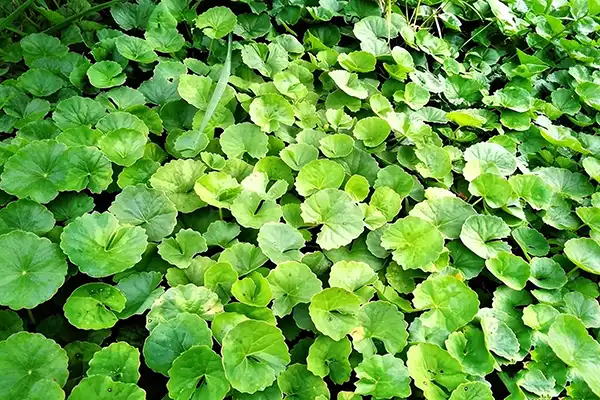
Understanding Centella Asiatica Extract: Powder vs. Liquid Extract
Both types are made from the whole Centella asiatica L. plant, but they differ in concentration, handling, and market value.
Production Methods and Active Compound Concentration
To begin the process of making centella asiatica extract powder, the plant material is first extracted using water or ethanol that is specifically designed for use in food, and then it is dried with a spray gun. During this procedure, the four primary bioactive components—asiaticoside, madecassoside, asiatic acid, and madecassic acid—are combined to produce a powder that is stable and white in colour. HPLC studies show that the triterpene content can range from 10% to 95%. Consequently, formulators have complete control over the dosage of the medication. However, liquid extracts often contain only 1% to 5% of the active chemicals, although they contain more of them. They also require additional preservatives to prevent bacterial growth during transport and storage.
Formulation Advantages by Application
There is no difficulty in combining powder with capsules, tablets, or edible forms of the substance. The consistency of the dry form of dietary vitamins remains unchanged when combined with other powders in large batch runs. In essence, type serums and toners, liquid extracts do spread out more swiftly than other types of extracts. On the other hand, free genins such as asiatic acid are lipophilic, which implies that they do not combine well with water. This indicates that they are not effective in systems that make use of water and do not contain any solubilisers. The use of standardised powder grades, particularly those that include a high concentration of glycosides, is an effective method for resolving this issue.
Shelf Life, Logistics, and Cost Comparison
Express shipping, air freight, or ocean freight are all viable options for transporting powdered Centella asiatica extract that is stored in barrels with a capacity of 25 kilograms. If you store it properly, it will remain usable for twenty-four months. In addition to increasing the expense of shipping liquid extracts, the fact that they must be stored at a cool temperature or that additional stabilisers must be added makes it more likely that they will go bad. When compared to tablets or capsules, powder contains a significantly higher amount of bioactive material per kilogram than either of those other forms. In light of this, contract manufacturers and supplement companies have the opportunity to save money by purchasing in bulk.
Key Factors to Consider When Choosing Between Powder and Liquid Extract
Which method you use will depend on the recipe, the type of product you're making, and the rules that apply. The following things help procurement managers make a sensible choice about what to buy.
Purity, Potency, and Standardisation
Standardisation must pass HPLC testing for use in medicine and cosmetics. There is proof on the back of each batch of Centella asiatica extract powder that it contains the right amounts of madecassoside and asiaticoside. This makes sure that what's written on the label is true and lowers the risk for officials. Because they don't always come with the same paperwork, liquid extracts are harder to explain during quality checks.
Formulation-Specific Compatibility
Powdered Centella asiatica extract can be utilised in a variety of applications, including but not limited to the production of pressed tablets, capsules, topical lotions, water-dispersible serums, and functional meals. For the purpose of claiming that it can lessen the appearance of scars, you can utilise a high-purity extract that is 95%. The range of 0.05% to 0.5% is effective for general calming applications. If you are aware of these constraints before selecting a format, you will not need to rewrite anything later on.
Safety, Regulatory Compliance, and Dosage
It's becoming more and more important for things sold in the US to follow FDA rules and have clean labels. Pure water or edible ethanol, which doesn't contain any dangerous solvents, can be used for extraction, which backs up both safety claims and store standards. Quality control is done in a planned way when it has certifications like ISO 9001, FSSC 22000, KOSHER, HALAL, and HACCP. People who own brands and import goods are less likely to break the law when sellers have these qualifications.
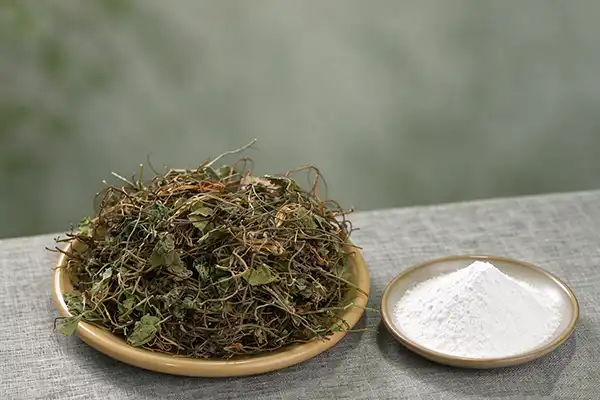
Comparing Market Options: Quality, Pricing, and Supplier Reliability
There are a lot more places to get Cica products now than there used to be. A study from 2023 found that Gotu Kola products had one of the twenty highest amounts of plant-based ingredients in new supplements in North America. When you choose suppliers, it’s better to look at more than just price.
Certifications and Quality Assurance Standards
If a supplier of centella asiatica extract powder is trustworthy, there are a few well-known qualifications that can help you determine whether or not they are trustworthy. Systems that maintain quality are certified by ISO 9001, systems that maintain food safety are certified by FSSC 22000, and HACCP ensures that risks are handled throughout the entire production process. Both the United States Pharmacopoeia (USP) and the European Union (EP) mandate that a product be tested at the batch level for microbiological limits, heavy metals, and pesticide residues. In the entire world, these are the most stringent standards.
OEM Capability and Private Label Flexibility
If a brand needs a certain Madecassoside-to-Asiaticoside split or another triterpene ratio, they need a maker that can make more than just normal grades. Suppliers with their own application labs can help with creating, making sure the products are stable, and checking to see if medicines, sweets, tablets, and skin care products can all be mixed and matched. When R&D teams work together on this technical project, they can shorten the time and costs of research and development (R&D).
Pricing Benchmarks and Minimum Order Requirements
This powder from Centella asiatica that has been concentrated changes price based on how much active ingredient it has. As a general rule, 10% is good for cheap vitamins, while 95% high-purity grades are good for makeup that is made for doctors. Usually, 25 kg per drum is the minimum order quantity (MOQ) for business sales. A sample or small batch can be bought before you decide to buy more. This is a great way for R&D teams to try out a new source of ingredients.
How to Maximise the Benefits of Centella Asiatica Extract Powder in Your Products?
To get the best results with Gotu Kola extract, it's important to follow the directions for concentration, ingredient matching, and storage.
Optimal Concentrations and Ingredient Synergies
For those who work with centella asiatica extract powder, these are the main rules they should follow:
- Soothing and anti-redness formulas: Use 0.05%–0.5% in emulsions or essence serums to reduce irritation and discomfort in sensitive skin types, supported by the anti-inflammatory activity of madecassoside.
- Collagen-stimulating topicals: At 0.1%–1.0%, the powder activates fibroblast pathways that support Type I collagen synthesis and improve skin firmness—relevant to anti-ageing claims supported by clinical data.
- Wound-healing and scar-management products: Asiaticoside accelerates tissue repair and modulates scar formation; pairing with panthenol or allantoin reinforces barrier recovery.
- Antioxidant-focused nutraceuticals: Combining the extract with Vitamin C is generally compatible, though pH should remain above 3.5 to prevent glycoside hydrolysis.
When making antioxidant-focused supplements, it's usually fine to mix the extract and vitamin C. Just make sure the pH stays above 3.5 so the glycosides don't break down.
Bulk Storage and Supply Chain Integrity
When brands use these methods and ensure their ingredient lists are correct, they can make claims about their goods that are backed by proof.
Conclusion
When it comes to the things that matter most to B2B buyers, like consistent active content, regulatory paperwork, shelf life, and the lowest cost per gram of active, centella asiatica extract powder usually comes out on top. These people who work with vitamins, cosmetics, drugs, or brands will find that the powder form is more stable and easy to scale up. You can better explain your choice if you buy from a company that gives you HPLC batch results, solvent-safe extraction, and expert application support. This also lowers the chance of having to change the recipe over time.
FAQ
Is centella asiatica extract powder suitable for water-based serums?
The glycoside fractions—madecassoside and asiaticoside—are water-dispersible and integrate well into aqueous systems. However, free genins such as asiatic acid are lipophilic and may require solubilisers like propanediol in clear serum formats. Selecting a grade with a higher glycoside ratio resolves most solubility challenges.
What is the recommended use level for scar reduction claims?
Clinical data supports 0.1%–1.0% of a 95% purity extract for scar management applications. For general calming or redness-reduction claims, 0.05%–0.5% is sufficient and aligns with published cosmetic safety assessments.
Is the extraction process free from harmful solvents?
Yes. Centella asiatica extract powder produced using pure water or food-grade ethanol extraction contains no residual harmful solvents. This supports clean-label compliance and aligns with EU and US cosmetic ingredient safety guidelines.
How do I verify batch quality before placing a large order?
Request the HPLC analysis report for each batch. This document confirms the exact percentages of madecassoside, asiaticoside, asiatic acid, and madecassic acid, along with heavy metal and microbial test results. Certifications such as ISO 9001 and HACCP further confirm systemic quality controls.
Partner With KH for Premium Centella Asiatica Extract Powder Supply
It has been KH's business since 1996 to sell plant-based products. This powder made from Centella asiatica has been approved by the FDA, ISO 9001, FSSC 22000, KOSHER, HALAL, HACCP, and more. It is in stock and ready to ship right away. We are a direct manufacturer of centella asiatica extract powder, and we offer sample orders, HPLC-verified batches, and help with technical formulation. Email us at info@kingherbs.com to get a sample or find out how much it costs in bulk.
References
1. Brinkhaus, B., Lindner, M., Schuppan, D., & Hahn, E. G. (2000). Chemical, pharmacological and clinical profile of the East Asianmedicinall plant Centella asiatica. Phytomedicine, 7(5), 427–448.
2. Gohil, K. J., Patel, J. A., & Gajjar, A. K. (2010). Pharmacological review on Centella asiatica: A potential herbal cure-all. Indian Journal of Pharmaceutical Sciences, 72(5), 546–556.
3. James, J. T., & Dubery, I. A. (2009). Pentacyclic triterpenoids from the medicinal herb Centella asiatica. Molecules, 14(10), 3922–3941.
4. Bylka, W., Znajdek-Awiżeń, P., Studzińska-Sroka, E., & Brzezińska, M. (2013). Centella asiatica in cosmetology. Postepy Dermatologii i Alergologii, 30(1), 46–49.
5. Ratz-Łyko, A., Arct, J., & Pytkowska, K. (2016). Moisturising and anti-inflammatory properties of cosmetic formulations containing Centella asiatica extract. Indian Journal of Pharmaceutical Sciences, 78(1), 27–33.
6. Lu, L., Liu, M., Su, W., Wang, X., & Wan, J. (2012). Centella asiatica and its constituents in pharmacology. Evidence-Based Complementary and Alternative Medicine, 2012, Article ID 946395.
Send Inquiry
Related Industry Knowledge
- Top Yucca Extract Uses in Animal Feed and Pet Nutrition
- Yucca Extract vs. Saponin Powder: Which Is Best for Feed?
- Why Use Tilia Extract in Natural Skincare Products?
- Is Blueberry Extract Powder Suitable for Daily Supplement Use?
- How Does Rhizoma Coptidis Powder Improve Gut Health?
- What Makes Cortex Phellodendri Powder a Premium Ingredient?
- Is Macleaya Cordata Extract Effective for Swine Production?
- What Makes Valerian Root Extract Powder So Effective?
- How Valerian Root Extract Powder Enhances Deep Restful Sleep?
- Mulberry Leaf Extract Powder for Advanced Blood Sugar Support