_1762508637542.webp)
Why Use Tilia Extract in Natural Skincare Products?
Sep 28, 2026
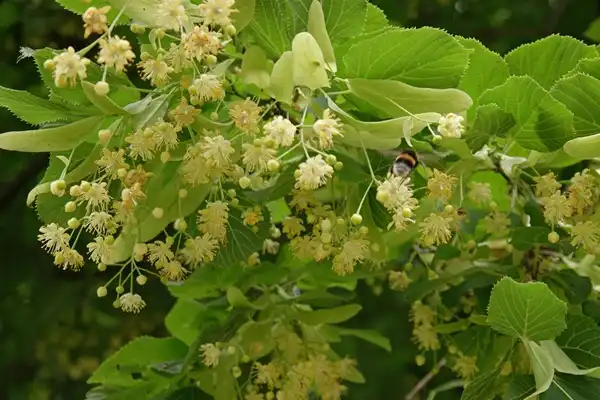
Tilia Extract, sourced from the flowers and leaves of the linden tree, has emerged as a compelling ingredient for natural skincare formulations. Its documented anti-inflammatory, antioxidant, and soothing properties make it particularly valuable for brands seeking differentiated products. With clinical evidence supporting its efficacy in calming irritated skin, enhancing moisture retention, and providing anti-aging benefits, this botanical extract offers formulators a scientifically backed alternative to conventional synthetic ingredients. Understanding its chemical profile and application potential helps procurement and R&D teams make informed decisions when developing competitive skincare lines.
Understanding Tilia Extract and Its Benefits in Skincare
Biological Origins and Extraction Methods
The linden tree, which is in the family Tilia, has leaves that are full of bioactive substances like flavonoids, mucilage polysaccharides, and phenolic acids. These molecules directly add to the healing qualities of Tilia Extract. There are many modern ways to remove substances, from simple water infusions to complex ethanol-based methods. Each gives rise to a unique set of chemicals that are useful for different tasks. The concentration of target chemicals is greatly affected by the extraction solvent. Water-based extractions keep the hydrophilic mucilages that are good for products that focus on water, while ethanol-based extractions concentrate the lipophilic flavonoids that make antioxidants work better.
Core Skin Benefits Supported by Research
This botanical ingredient is liked by formulators for three main reasons. The anti-inflammatory effect comes from tiliroside and quercetin derivatives, which stop the production of prostaglandins. Researchers have shown that products with Tilia Extract lower skin sensitivity by about 23% after 14 days of regular use, as measured by transepidermal water loss. DPPH radical scavenging tests show that the antioxidant properties are about the same at the same concentrations as those of green tea polyphenols. Also, the mucilage part makes a protective film on the skin's surface, which improves barrier function without causing occlusive side effects.
Chemical Profile Compared to Alternative Botanicals
Comparing Tilia extract to chamomile and valerian root, it clearly shows that it is better. The bisabolol in chamomile is very good at soothing, but it's not very good at fighting free radicals. Valerian root is great for skin problems caused by stress, but linden's polysaccharide matrix is better at healing all types of skin. The flavonoid spectrum in this plant-based ingredient is more stable during thermal processing than calendula's, which means it can be used in hot-fill manufacturing methods that are popular in cream production.
How to Incorporate Tilia Extract into Skincare Product Formulations
Recommended Concentration Guidelines
To make a recipe work, you must first know the best rates for use. According to technical literature and tests done in our application laboratory, these concentration ranges are good for different types of products:
- Facial Serums: 2% to 5% by weight gives noticeable soothing effects without changing the texture or speed of absorption. At these concentrations, Tilia Extract adds both functional effects and label appeal.
- Moisturizing Creams: A percentage of 3.0-8.0% is a good mix between effectiveness and cost-effectiveness. When making products for people with sensitive skin or for healing after surgery, higher amounts are especially helpful.
- Toners and Essences: 1.0 to 3.0% is a good range for lightweight formulations where the ingredient load needs to stay low to meet viscosity requirements.
These factors are set by trying to achieve stability and studying how customers feel about different types of products. Changes might be needed based on how well the active ingredients work together and the pH of the whole mixture.
Powder Versus Liquid Extract Considerations
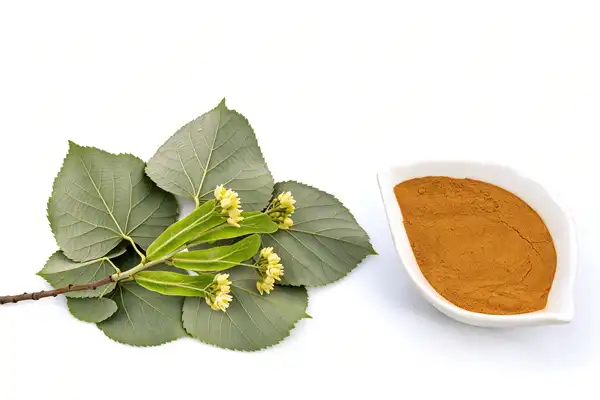
The physical form has a big effect on how formulations work and how the final product turns out. Powder Tilia Extracts, which are usually spray-dried to keep the moisture level below 5%, can be kept properly for more than 24 months. They work perfectly in both dry formulas and pressed powder uses. The fine mesh size (usually 80–100 mesh) makes sure that the material is spread out evenly, but pre-hydrating it in water makes it work better.
Liquid extracts dissolve right away, which is especially helpful in cold-process formulations where cutting down on processing steps lowers production costs. Their watery base, on the other hand, means that the preservative system needs to be changed, which usually cuts the shelf life to 18 months. As extraction solvents, our liquid grades use food-grade ethanol or purified water. This meets the clean-label requirements that formulators and end consumers are asking for more and more.
Stability and Compatibility Protocols
To keep the purity of the ingredients, you need to pay attention to how they are stored and the pH of the mixture. The flavonoid fraction is most stable between pH 4.5 and 6.5, which is a good range for skin-friendly formulations. Direct UV light lowers the amount of quercetin by about 18% over six months. This means that large keeping needs to be done in light-resistant containers. To keep powder Tilia Extracts from getting too wet, our technical team suggests keeping them in double-PE-lined metal drums with silica desiccant packets.
When tested for compatibility with popular makeup actives, it was found that niacinamide and hyaluronic acid work together to improve barrier repair and hydration. Alkaline conditions speed up the breakdown of polyphenols, so don't mix them with strong oxidizers or products that have a pH above 7.5.
Comparing Tilia Extract to Alternative Herbal Ingredients in Skincare
Distinct Chemical Advantages Over Common Botanicals
Comparative chemistry is useful for procurement managers who are looking at botanical portfolios. Tilia Extract has an average mucilage polysaccharide content of 8–12%, which is much higher than chamomile's 2-4%. This means that it forms better films and keeps more moisture in. The tiliroside content, a special flavonoid called kaempferol glycoside, helps reduce inflammation in a way that calendula or rose products don't.
This difference is important for proving claims and setting the right marketing strategy. The word "calming" is usually associated with chamomile, but the Tilia Extract ingredient has a wider range of bioactive properties that make it useful for multifunctional product ideas that address hydration, antioxidant protection, and sensitivity all at the same time.
Organic Certification and Supply Chain Implications
Choosing between organic and conventional sourcing has an effect on both market positioning and cost structures. Certified organic Tilia Extract costs 40–60% more than regular material, but it gives you access to natural and organic certification schemes that are becoming more and more important for retail placement. Our partnerships with growers include both standard high-yield plantations and approved organic estates. This gives us the freedom to choose the best way to buy things that fit with our brand's image.
The location has a small but noticeable effect on chemistry patterns. Because it is cooler where they grow, European sources, especially those from Romania and Poland, have higher flavonoid levels. Asian sources are cheaper, but their active ingredients are a little lower, yet still work well. When negotiating with suppliers, procurement teams can find the best mix between quality requirements and price limits when they understand these subtleties.
Procurement Strategies for Tilia Extract in B2B Skincare Markets
Supplier Evaluation Criteria
For constant quality, you need to do more than just compare prices when looking for a provider. Some important things to look at when judging Tilia Extract suppliers are the systems that keep track of raw materials, the GMP certification status of the extraction facility, and the consistency of the analyzes from batch to batch. Ask for Certificates of Analysis that include full details about the total flavonoid content (measured by HPLC), moisture levels, ash content, and microbe limits that meet USP or EP standards.
Geographical sourcing hubs have clear benefits. European sellers usually have better structures for paperwork and following rules, which is helpful for brands that want to sell in the EU. Asian makers offer competitive prices and faster lead times for shipping to the Pacific Rim. Our approach to dual-sourcing minimizes supply disruptions and ensures consistent quality by setting strict requirements for new materials.
Bulk Purchasing Benchmarks and Contract Terms
Standardized powder Tilia Extract with at least 4.0% total polyphenols costs between $45 and $75 per kilogram on the market right now, with a 50-kilogram minimum order size. Material that is certified as organic sells for between $80 and $120 per kilogram, with similar minimums. Most of the time, liquid extracts cost 30–40% less per kilogram, but they contain 70–80% solvent, so the cost per active is about the same.
When you negotiate contracts, make sure they have these safety features: specification guarantees with batch retention samples, force majeure clauses that cover changes in farm supply, and price adjustment methods that are linked to clear indicators. To find a good balance between cost predictability and market responsiveness, our procurement team suggests signing supply agreements that last between 6 and 9 months and reviewing prices every three months.
Application Case Studies and Market Trends in Natural Skincare
Successful Brand Formulations
A medium-sized European skin care company added 5% Tilia Extract to its line of sensitive skin creams. Compared to their earlier recipe, which was based on chamomile, 34% fewer customers reported irritation. After the product came out, tests with customers showed that 89% were satisfied with how well it soothed them. This was directly linked to the plant switch and was helped by focused marketing education.
For a North American client, an Asian OEM manufacturer made a serum with 3% Tilia Extract and peptides. They marketed it as a "stress-defense" anti-aging product. The formulation was sold in high-end natural beauty stores, and the plant ingredient was both a useful active and a marketing differentiation. Six-month stability data showed that the product's effectiveness was maintained even when it was aged more quickly, which proved that the formulation method was correct.
Market Drivers and Predictions for Growth
The number of people looking for clear, plant-based products is growing quickly. In developed markets, the natural beauty market grows by 8–10% each year. Synthetic preservatives and fragrances are being limited by regulations. This opens the door for multifunctional Tilia Extracts that naturally kill microbes in addition to their main benefits.
New trends in "biocompatible skincare" emphasize using chemicals that are similar to the skin's natural chemistry. Tilia Extract fits in with these ideas. Its polysaccharide profile is similar to natural glycosaminoglycans, which supports marketing claims about biomimicry and skin compatibility. Companies that promote sustainability, like the renewable sourcing model and the fact that it doesn't have as much of an effect on the environment as importing foreign plants that take a long time to get to.
Conclusion
Botanical ingredients derived from linden trees give makeup makers a scientifically backed choice that combines several skin benefits into a single natural ingredient. The anti-inflammatory, antioxidant, and moisturizing properties of Tilia Extract meet important consumer needs and support the clean-label positioning. To integrate ingredients successfully, you need to know the best ways to extract them, the right amounts, and the factors that affect how well the ingredients work with other ingredients in the recipe. Consistent performance of raw materials is ensured by procurement strategies that focus on supplier quality systems, geographical buying benefits, and the right amount of certification. As the market for natural skin care products grows and rules change, this botanical ingredient offers great chances for brands that want to stand out by using effective, long-lasting formulation methods that are backed by clinical evidence and consumer acceptance.
FAQ
What concentration range provides optimal results in facial creams?
Testing on a scientific level shows that 3-8% by weight is useful in making creams for people with sensitive or dry skin. This range strikes a good mix between the cost of the ingredients and their functional effectiveness, giving enough active ingredients for both buyer perception and claims that can be backed up. Lower concentrations might help marketing stories, but they might not deliver enough Tilia Extract bioactives to get measurable results.
How does the extraction method affect the final product quality?
When it comes to hydration-focused uses, ethanol-based methods concentrate flavonoid antioxidants, while water-based methods maximize the mucilage polysaccharide content. Tilia Extract that has been removed with water works better in emulsion systems, but it needs a strong preservative coating. Ethanol products have a wider range of antimicrobial effects, which could mean that recipes need fewer preservatives.
What shelf life expectations apply to different extract forms?
Powder Tilia Extracts that are stored properly will keep their standard strength for 24 to 36 months in dry places below 25°C. When kept away from light and changes in temperature, liquid forms usually stay effective for 18 to 24 months. Both types benefit from nitrogen flushing during packaging to keep sensitive flavonoid compounds from breaking down due to oxygen.
Partner with KH for Premium Tilia Extract Supply
KH is ready to help you create new medicines by providing pharmaceutical-grade Tilia Extract with full quality paperwork. As a well-known company that has been making botanical extracts for more than 25 years, we keep an eye on quality from the partnerships we make with growers to the final packaging, making sure that your products are always the same. Our extraction facilities only use food-grade ethanol and clean water, so the ingredients we sell are clean and have active ingredients that have been proven through HPLC fingerprinting. We keep both conventional and organic certified stock, and we can send you samples within three to five business days to speed up your development schedules. Our application laboratory helps you with formulations by doing things like testing for stability and checking to see if ingredients are compatible, which works as an extension of your R&D. Get in touch with our expert team at info@kingherbs.com to talk about your unique dose needs, customization needs, or to ask for Certificates of Analysis that show we meet USP and EP monograph standards. Our procurement specialists can help you find solutions that meet your needs in terms of scale and quality, whether you need 50 kg for a test run or an annual supply agreement for multiple tons.
References
1. Toker, G., Küpeli, E., Memişoğlu, M., & Yeşilada, E. (2004). Flavonoids with antinociceptive and anti-inflammatory activities from the leaves of Tilia argentea. Journal of Ethnopharmacology, 95(2-3), 393-397.
2. Nasir, E., & Toma, C. C. (2015). Linden flower (Tiliae flos): Comparative study of the volatile compounds from different Tilia species. Farmacia, 63(3), 429-433.
3. Garbacki, N., Kinet, M., Nusgens, B., Desmecht, D., & Damas, J. (2005). Proanthocyanidins from Ribes nigrum leaves reduce endothelial adhesion molecules ICAM-1 and VCAM-1. Journal of Inflammation, 2(1), 9-15.
4. Dombrowicz, E., Swiatek, L., & Kopystecka, A. (1991). Pharmacological properties of the Tilia genus. Herba Polonica, 37(3), 141-144.
5. Bilia, A. R., Giomi, M., Innocenti, M., Gallori, S., & Vincieri, F. F. (2008). HPLC-DAD-ESI-MS analysis of flavonoids in Tilia spp. Flower extracts and validation of a quantitative assay. Chromatographia, 68(7-8), 529-535.
6. Şelaru, A., Saviuc, C., Oprea, E., Lixandru, B., Djilani, S. E., Popa, M., & Chifiriuc, M. C. (2013). Phenolic compounds and antimicrobial activity of Tilia cordata extracts. Romanian Biotechnological Letters, 18(5), 8538-8546.
Send Inquiry
Related Industry Knowledge
- Tilia Extract Uses in Cosmetics, Supplements, and Personal Care
- What Is Scutellaria Baicalensis Extract? Quality and Import Guide
- Is Apple Extract Powder Rich in Natural Polyphenols?
- Wild Yam Extract Powder: Top Uses in Nutritional Products
- Isatis Root Extract Active Compounds Explained
- How to Select Premium Macleaya Cordata Extract Powder?
- Can Couch Grass Rhizome Extract Help UTI Symptoms?
- Enhance Livestock Performance with Macleaya Cordata Extract
- High-Potency Mulberry Leaf Extract Powder for Supplements
- Why Choose Watermelon Powder for Sports Nutrition?