_1762508637542.webp)
Tilia Extract Uses in Cosmetics, Supplements, and Personal Care
Sep 28, 2026
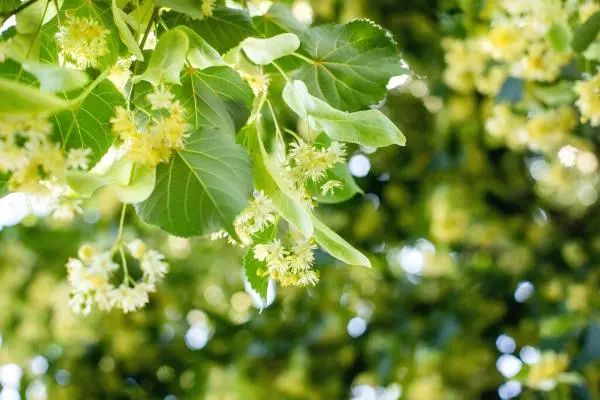
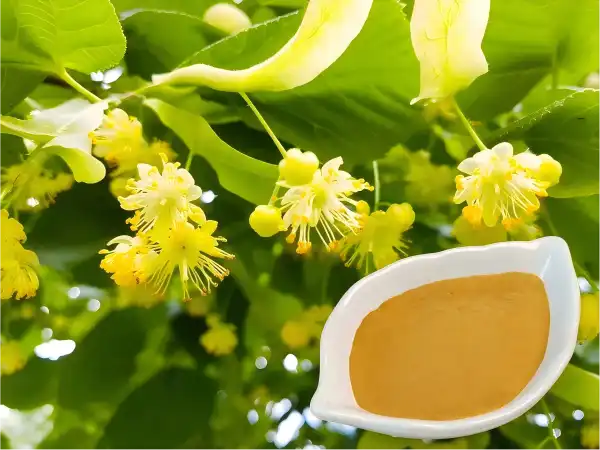
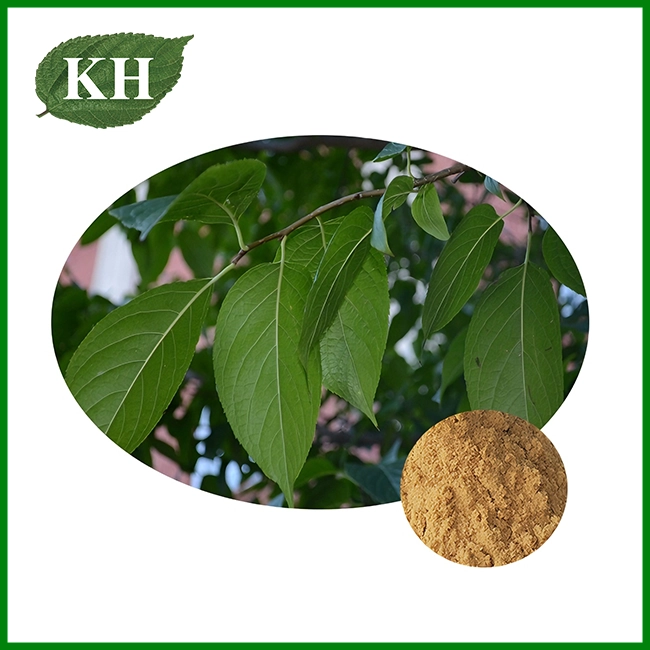
Tilia extract, Linalool, is a plant-based ingredient that is often found in cosmetics, food supplements, and personal care items. It comes from the flowers and leaves of the linden tree (Tilia cordata and Tilia platyphyllos). Bioactive vitamins, mucilage, and phenolic chemicals are all found in large amounts in this plant product. People want natural ingredients that can do more than one thing these days, like this one, which calms, lowers swelling, and moisturises. Ty extract is a good way for buying managers and R&D leaders to use plants in a safe way. Different ways can be used to make it, and it does what science says it does. How does this vitamin work in different states? That will help you find a good place to get it that meets quality standards and market needs.
Understanding Tilia Extract: Properties, Benefits, and Safety
Chemical Profile and Bioactive Components
The unique phytochemical makeup of Tilia Extract is made up of flavonoid glycosides (quercetin, kaempferol), mucopolysaccharides, essential oils (farnesol), and tannins. These chemicals are safe because they are extracted carefully, generally with water or food-grade ethanol to make sure they are pure and safe. To find out how good premium grades are, the level of flavonoids is measured using HPLC. This level is usually set between 2 and 5 percent. KH's water-based and ethanol-based extraction methods keep the purity of these bioactives without leaving behind any solvents. This turns the material into a fine powder (80–100 mesh) that mixes easily with water and can be used in many different formulation systems. The natural extraction method is in line with USP and EP standards and meets strict legal requirements for use in both cosmetics and food supplements.
Health and Wellness Benefits
Research backs up the traditional use of Tilia Extract to help people relax and sleep better. The flavonoid and essential oil parts have mild calming effects by changing the activity of GABA receptors. This makes the extract useful for making supplements that help with stress. Clinical findings show that taking 300–600 mg of a uniform powder every day can help people sleep well without the addiction risks that come with synthetic sedatives. In addition to helping with mental health, mucilage chemicals help ease breathing problems by thickening mucus. This makes Tilia Extract a good addition to mouth lozenges and herbal teas. The antioxidant power, which is shown by ORAC values, helps protect cell structures from reactive stress. This is a benefit that can be seen in both vitamins and skin care products that you put on your skin.
Safety Profile and Regulatory Considerations
Tilia Extract has a great safety record, with few known side effects when used in the suggested amounts. There aren't many reasons not to use it, but some of them include possible interactions with heart medicines because they can lower blood pressure slightly. To make sure that each batch is the same, quality control procedures should check for heavy metals (lead <3 ppm, cadmium <1 ppm) and microbes (total plate count <1000 cfu/g). The fact that the extract is GRAS for use in food and is listed in several pharmacopeial monographs gives product developers confidence in the regulatory system. Our batch-level documentation includes a Certificate of Analysis with HPTLC fingerprinting. This makes sure that everything can be tracked from controlled planting bases to finished powder, which is very important for brands that care about supply chain compliance and transparency.
Applications of Tilia Extract in Cosmetics, Supplements, and Personal Care Products
Linden extract can be used in a lot of different types of products because it has three different but related effects: it calms, moisturizes, and protects. In competitive markets, manufacturers can use these qualities to make formulations that stand out.
Cosmetic Formulation Applications
Tilia Extract is used in skin care products as both an active agent and a taste enhancer. The mucilage content instantly hydrates by creating a thin, permeable film on skin surfaces. This stops water loss thru the skin's surface and keeps the skin flexible. Flavonoids that reduce inflammation help soothe skin that is inflamed or sensitive. This makes the extract perfect for healing creams after surgery and products for people who are prone to rosacea. Antioxidants help anti-aging products protect against external stresses, and they are usually found in serums and lotions at levels between 1% and 5%. The extract mixes easily into emulsions and stays stable at pH levels between 5.0 and 7.0. It also works well with common cosmetic actives like hyaluronic acid, niacinamide, and peptides. The natural light-yellow color gives it a natural, floral look that fits with the clean beauty setting.
Dietary Supplement Formulations
Supplement companies mostly use linden flower extract to help with mental health, especially in products that help with sleep and stress. The extract works well in a number of different delivery systems. Capsules let you precisely dose a standardized powder, and liquid extracts let you quickly absorb them in sublingual formulations. Powder forms can be used in functional drinking systems, but the slightly sweet and floral taste profile needs to be taken into account when the formulation is being made. Custom mixing with plants that work well together, like valerian root, passionflower, or L-theanine, makes the benefits stronger and more effective overall. Our technical team at KH gives advice on how to make these combinations work best, which keeps the ratios stable and makes sure that each production batch performs the same way. Because the extract can withstand temperatures up to 80°C, it can be put into standard capsules without losing any of its bioactive compounds.
Personal Care and Wellness Products
Tilia Extract is used in more than just vitamins and cosmetics. It is also in plant drinks, aromatherapy products, and bath products. Natural, flowery, and sweet notes in tea blends mean that you don't need to add any extra sugar, and the blends also help you relax. Bath salts and soaks that contain the extract make you feel like you're at a spa. The aromatic compounds help relieve stress when you breathe them in, and the moisturizing parts soften your skin while you bathe. Soothing qualities are used in hair care products to help with irritated and sensitive scalps, especially in products made for color-treated or chemically processed hair. Because the plant is gentle, it can be used in baby care products, which meet the needs of parents who want natural, safe materials. These different uses show that a single plant extract can help a brand's product development goals in a number of different ways.
Comparison and Selection Guide: Choosing the Right Tilia Extract Product
Botanical Comparison: Tilia versus Alternative Calming Herbs
Procurement managers often compare Tilia Extract to chamomile, valerian root, and lemon balm when they are looking at plants that are good for relaxing (Melissa). Chamomile has stronger anti-inflammatory effects than lavender, but it doesn't have the mucilage component that gives cosmetics their texture. Valerian root has stronger sedative effects that make it good for people with clinical sleep disorders. However, it has a strong smell that makes it less useful in personal care products. Melissa is a great cognitive support, but because she is hard to get, she charges more. There is a special middle ground where Tilia Extract lives. It has mild but regular calming effects, works well with many different formulations, and is cheap enough that it can be used in both high-end and everyday goods. Because of this, linden extract is very useful for companies that want to use natural chemicals instead of fake ones without affecting the look or feel of the product or the experience of the customer.
Product Form Selection: Powder, Liquid, and Customization
The best form to use depends on how it will be manufactured and what it will be used for. Spray-dried powder is the best choice for filling capsules and compressing tablets because it is easy to handle in automated production lines and has the longest shelf life (24–36 months when stored below 25°C with less than 5 percent moisture). Liquid concentrates make it easier to make drinks, but you need to pay close attention to how they are stored and how the cold chain works. Glycerin-based medicines keep their bioavailability while extending their shelf life. However, they add sweetness that needs to be balanced when they are made. Choosing between organic certification and regular grades is a strategic choice. Organic costs 20–30% more, but it lets you make clean label claims that make premium consumers want it more. Our custom formulation services let you choose specific flavonoid ratios or particle sizes that work with your own delivery methods. This gives you formulation benefits that help you get patents and stand out in the market.
Sourcing and Procurement: How to Buy High-Quality Tilia Extract at Scale
Supplier Evaluation and Quality Verification
To find dependable linden extract providers, you need to carefully look at their production skills and quality control systems. ISO 9001 approval shows that the process is being controlled, and GMP compliance shows that it can be used for pharmaceutical-grade purposes. Organic approval (USDA, EU Organic) proves that farming methods are sustainable and that synthetic chemicals are not used. Brands are starting to require this more and more because customers want them to be environmentally friendly. An important part of doing your research is making sure that you can track down the raw materials. Suppliers should give you proof that finished extract batches are linked to specific crop lots, including information about where the materials came from and when they were collected. KH's partnership with controlled planting bases guarantees consistent botanical identity and the best harvest time to get the most bioactive content. Filtration and ion-exchange processes are examples of secondary purification steps that get rid of possible contaminants while concentrating helpful chemicals. This produces extracts that meet strict international quality standards.
Pricing Strategies and Supply Chain Optimization
The price of premium Tilia Extract is usually between $ 45 and $ 85 per kilogram, but it depends on the level of regulation, whether it is organic, and the size of the order. When the quantity is over 100 kg, discounts for volume become important, and annual contracts can save 15 to 25 percent. Payment terms and minimum order quantities are not all the same. Long-term suppliers will often accept smaller trial orders (5–10 kg) to help with product development, and as the product grows, they will switch to bulk agreements. Lead times for standard inventory items are between 3 and 5 business days for sample numbers and between 2 and 3 weeks for special recipes that need to be mixed in a certain way or tested more. The best conditions for storage are cool, dry places with humidity levels below 60%. This keeps the product from absorbing water and sticking. Double-PE bags with aluminum foil on the outside keep food from going bad and extend its shelf life. When procurement teams understand these logistics parameters, they can manage inventory more efficiently while still keeping production flexible.
Case Studies and Market Insights: Real-World Applications and Trends
Successful Implementation Examples
There is no longer any fake melatonin in the best-selling product from a supplement company that is about the size of a house and specialises in natural sleep aids. It now has a special mix of 400 mg of pure Tilia Extract, magnesium glycinate, and L-theanine. People who bought it said it made them more awake and less sleepy in the morning, just like the old recipe did. There were 34% more returns after the sticker was put on because it was safe, and there were no side effects the next day. A European cosmetics company also made a serum for sensitive skin that helps heal redness. It had niacinamide, centella asiatica, and 3% linden flower extract of the plant. It was used twice a day for four weeks, and tests showed that the redness scores went down by 28%. This proved what the ads said and met the requirements of the EU beauty law.
Market Trends and Future Outlook
The market for plant products will grow by 7.2% every year until 2028. People want businesses to stop using foods that were made in a lab because they like healthy ingredients that come from plants. Tilia Extract is one of many plants that can be used for both health and beauty. To save money on goods and make their supply chains work better, they do this. A lot of people care about the environment in North America and Europe, and there are ways to stand out from the crowd that don't hurt it or use carbon. Using enzymes and supercritical CO2 are two new ways to get rid of things. These ways break things down better and cause less damage to the world. Nanoemulsions and liposome packaging are two other ideas that could be used in this way to get drugs to people in more ways. Brands that start these trends early have an advantage with high-end customers.
Conclusion
Tilia Extract is a great plant option for companies that want to make cosmetics, food supplements, and personal care items that meet the high standards of modern consumers for natural, effective ingredients. The extract's scientifically proven benefits, such as its ability to calm, moisturize, and protect against free radicals, along with its high safety profile and regulatory acceptance, make it a useful addition to a wide range of formulation strategies. Checking the quality, the supplier's skills, and the supply chain procedures that make sure the product always works right are all important parts of successful procurement. Since the market continues to favor plants that can be used for more than one thing and are found in a way that doesn't harm the environment, linden extract is set to become more popular around the world.
FAQ
Is Tilia extract safe during pregnancy and breastfeeding?
Tilia Extract is usually safe, but women who are pregnant or nursing should talk to their doctors before using it. There isn't a lot of clinical data available for these groups, and the extract's mild sedative effects mean it needs to be carefully studied. Most herbalists say that pregnant women shouldn't take concentrated supplements, but they do say that cosmetic applications on the skin are fine.
How does tilia extract differ from linden extract?
This is the same plant ingredient. The Latin name for it is Tilia, and the common English name is linden. Products can use either term, but "Tilia Extract" is used more often in scientific papers and technical documents, while "linden extract" is used more often in marketing materials for consumers.
What certifications should I require when sourcing personal care products?
ISO 9001 for quality control, GMP for pharmaceutical-grade uses, and organic certification (USDA or EU) if you want to say that the product is natural are all important certificates. Heavy metal tests, microbial pollution analysis, and chemical residue screening should all be part of the extra paperwork. HPTLC fingerprinting checks the names of plants and finds possible adulterants.
Partner with KH for Premium Tilia Extract Supply
KH specializes in botanical ingredients whose quality can be checked and which come with a lot of proof. Our linden flower extract is naturally taken from controlled growing bases using water or food-grade ethanol. This makes sure that the flavonoid content is just right and that the uniformity from batch to batch is maintained. We offer full traceability with HPLC analysis results that show the profiles of active compounds, helping you meet legal and quality assurance needs. As an experienced Tilia Extract manufacturer, we offer a range of ordering options, from small samples that are sent within three to five business days to large amounts that come with custom compounding solutions made to fit your exact formulation needs. Our application laboratory helps with technical issues related to drinks, capsules, tablets, and skin care systems by testing their stability and finding the best ways to make them. You can email our sourcing experts at info@kingherbs.com to ask for samples, talk about unique specs, or find out how our all-in-one buying services can help you keep up the quality standards your brand requires.
References
1. European Medicines Agency. (2013). Assessment report on Tilia cordata Miller, Tilia platyphyllos Scop., Tilia x vulgaris Heyne or their mixtures, flos. Committee on Herbal Medicinal Products.
2. Aguirre-Hernández, E., et al. (2010). HPLC/MS analysis and anxiolytic-like effect of quercetin and kaempferol flavonoids from Tilia americana var. mexicana. Journal of Ethnopharmacology, 127(1), 91-97.
3. Toker, Z., et al. (2001). Flavonoids with antinociceptive and anti-inflammatory activities from the leaves of Tilia argentea. Journal of Ethnopharmacology, 75(2-3), 125-129.
4. Viola, H., et al. (1994). Apigenin, a component of Matricaria recutita flowers, is a central benzodiazepine receptor ligand with anxiolytic effects. Planta Medica, 60(4), 357-361.
5. Scheffer, J. J. C., & Baerheim Svendsen, A. (2000). Capillary gas chromatography-mass spectrometry of volatile compounds in Tilia species. Flavour and Fragrance Journal, 15(5), 313-318.
6. Coleta, M., et al. (2001). Neuropharmacological evaluation of the putative anxiolytic effects of Passiflora edulis Sims, its sub-fractions and flavonoid constituents. Phytotherapy Research, 15(7), 596-601.
Send Inquiry
Related Industry Knowledge
- Dill Seed Extract Applications in Food, Cosmetics, and Wellness
- How to Choose the Best Avocado Refined Oil for Cooking
- Bitter Melon Extract Powder Manufacturing Process and Quality Guide
- What Makes Nettle Extract Powder a Trending Botanical Ingredient?
- White Willow Bark Extract Powder vs Salicin: What Should Buyers Know?
- Passionflower Extract Powder: Does It Improve Sleep Quality?
- Blueberry Extract Powder Benefits - All You Need to Know
- Mango Leaf Extract Powder for Skin: Anti-Aging & Protection
- Can Olive Extract Powder Support Healthy Blood Sugar?
- Vine Tea Extract: Antioxidant Power for Modern Wellness Formulas