_1762508637542.webp)
Yucca Extract vs. Saponin Powder: Which Is Best for Feed?
Sep 29, 2026
Your individual production objectives will determine whether yucca extract or saponin powder is more effective in feed compositions, a common question among purchasers. The aerial parts of the Yucca schidigera plant are used to make standardised yucca extract. This extract has polyphenolic chemicals and steroidal saponins, which can lower ammonia emissions by as much as 50% and increase feed conversion ratios (FCR) by 3-8%. This dual-action profile is absent from generic saponin powder, which is derived from different plants and provides surfactant activity. In restricted livestock operations, yucca extract clearly outperforms other methods for ammonia management and nitrogen efficiency.
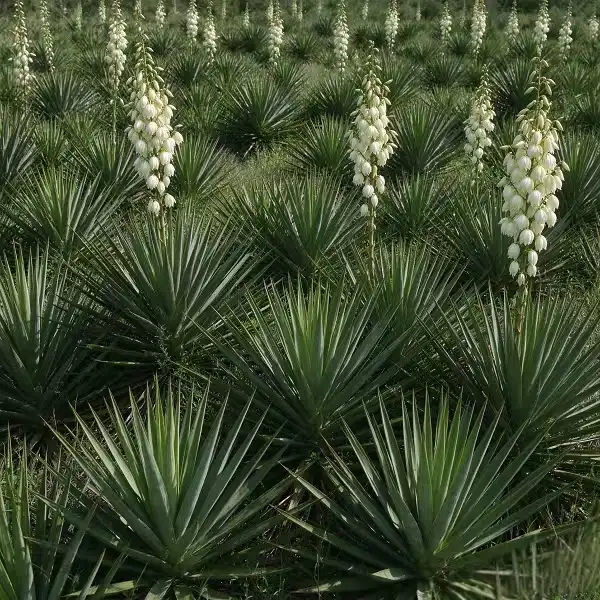
Understanding Yucca Extract and Saponin Powder
It's helpful to know what each ingredient actually is and where it comes from before comparing how well they work.
What Is Yucca Extract?
The desert plant Yucca schidigera grows wild in the southwestern United States and Mexico. Its roots and leaves are used to make yucca extract, a plant-based feed product. Sarsaponin and smilagenin are steroidal saponins, whereas resveratrol and the Yuccaols are polyphenolics. They inhibit urease enzyme activity in addition to binding directly to ammonia, which is how they function. In the animal's digestive tract and housing, this prevents urea from converting into the toxic NH₃ gas.
What Is Saponin Powder?
Saponin powder is made from a combination of plant glycosides, such as quillaja bark, tea seeds, fenugreek, and tribulus. Although saponins from different plants have different bioactive profiles, they all contain surfactant characteristics that aid nutrient absorption. Tea saponin lacks the urease-inhibiting polyphenols found in Yucca schidigera saponin, and the two saponins are chemically distinct. Important for teams that purchase in bulk, this variance in the source plant directly impacts batch consistency.
Key Biochemical Differences
The key that unlocks the most significance is compound precision. You can find yuccaols A, B, and C in yucca extract, along with steroidal saponins. Because of this, it has a multi-target process that is unmatched by generic saponin powder. When your application has to lower ammonia levels in a CAFO, source specificity is key. The presence of urease-inhibiting chemicals is essential for a saponin powder to pass laboratory tests, but a powder that is just evaluated for total saponin content by UV may not have what is needed for real-world results in the barn.
Performance and Benefits in Animal Feed Applications
Both additives improve the nutrition of animals in measurable ways, but their effects are different for different species and farming systems.
This section is where each ingredient really shines in terms of performance:
- Ammonia and gas reduction: Yucca extract binds NH₃ and H₂S in the digestive tract and indoor air, lowering the amount of ammonia in the air by up to 50%. This directly reduces the number of chickens and pigs that get chronic respiratory disease (CRD). Generic saponin powders don't have the polyphenolic chemicals that stop urease from working at this level.
- Feed conversion efficiency: To improve FCR by 3–8%, yucca extract keeps nitrogen for protein synthesis instead of losing it as gas. If the FCR increases by 5% across a group of 10,000 birds, the cost savings per kilogram of live weight will be visible. The main way that saponin powders from quillaja or tribulus help FCR is by making it easier for lipids to mix, which works for a variety of species.
- Gut microbiota and immune function: Steroidal saponins change the types of protozoa that live in the gut, which lowers the risk of gut dysbiosis and diarrhoea in young pigs and calves. This benefit is seen in both yucca and quillaja saponins, which means that saponin powder is a particularly effective choice when gut health, not ammonia control, is the main goal.
As a general rule, yucca extract works best in high-density, ammonia-heavy livestock systems, while saponin powders work best when the goal is to help with lipid digestion or boost the immune system.
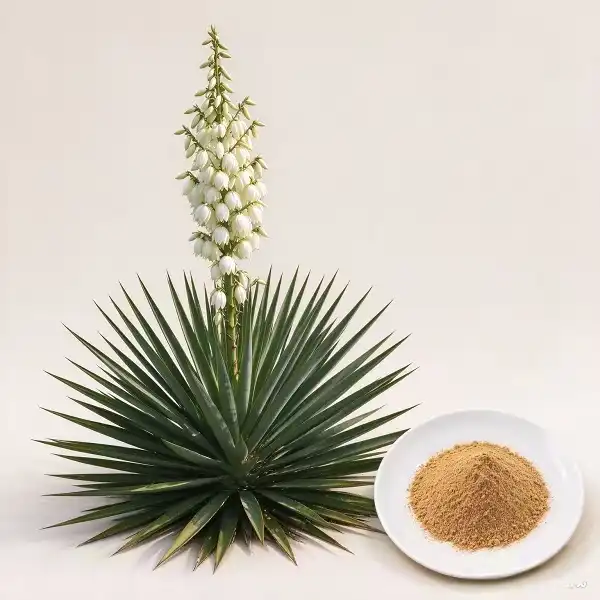
Procurement Considerations for B2B Buyers
It's not enough to just choose the right element. A steady supply that can be tracked is where procurement teams can significantly affect production costs and their standing with regulators.
Certifications and Compliance
It is your right to verify the approval status of any feed-grade phytogenic supplement sold in the United States. Check if they are HACCP, ISO9001, FSSC22000, and FDA-registered, at the very least. Certification like KOSHER or HALAL is vital for export markets. Kingherbs Limited's yucca extract has all six of these certifications, and if you need batch-level proof, it's accessible upon request.
Supply Chain Transparency and Testing
Being able to trace the raw material back to its source is important for ensuring batch-to-batch consistency. Kingherbs manages the whole supply chain, from choosing the planting base to deciding when to collect. This keeps the active saponin content stable across production runs, ranging from 10% to 80% (UV-tested). There is a full HPLC research report for each batch that confirms the sarsaponin and smilagenin profiles. For saponin powder that comes from different plants, you should ask for TLC or HPLC profiles to make sure there are no tea saponin additives.
Pricing, MOQ, and Lead Time
Ordering a small quantity or a sample from Kingherbs is a great way to test out new recipes. Businesses are required to place orders with a minimum of 25 kg per 25 kg drum. Shipping via express, air freight, or ocean freight becomes a piece of cake when you have inventory on hand. Businesses of all sizes can benefit from this, from startups considering a new addition to established corporations establishing reliable delivery schedules.
How to Use Yucca Extract and Saponin Powder in Feed Formulations?
The right dose stops both underperformance and over-supplementation. The following rules are based on what is currently being done in the business.
Dosage by Livestock Category
As a general rule, 100–125 g per metric tonne of feed is enough to keep chickens from getting ammonia. Dosage may go up to 200–250 g/MT in high-density broiler houses with NH₃ levels above 25 ppm. In general, the range for pigs is 150–200 g/MT. In aquaculture, adding yucca extract to pond water binds dissolved ammonia and lowers the stress that shrimp and fish feel from nitrite. It is common to use 50–150 g/MT of quillaja saponin powder as an immune adjuvant or to make things smoother.
Integration with Other Feed Additives
Probiotics, enzymes, and organic acids can all be used with yucca extract without any issues. By making the gut less poisonous for ammonia, it makes it easier for Lactobacillus to colonize, which means it works well with direct-fed microbes. It doesn't have broad-spectrum antibiotic properties that would stop good bacteria from growing. Yucca and saponin powders are both stable at high temperatures; yucca saponins keep more than 95% of their activity at 120°C. This means they can handle normal pelleting and extrusion temperatures.
Safety and Regulatory Compliance
For use in animal feed in the United States, yucca extract from Yucca schidigera is Generally Recognized As Safe (GRAS). Natural and organic growing standards are met, and it breaks down naturally. It also doesn't leave any chemicals in meat or eggs. Before buying saponin powder, make sure you know where the plants came from and what the regulations are for those plants. This is because some plants that are high in saponin have different approval profiles in different markets.
Future Trends in Feed Additives
As regulations on synthetic growth promoters get stricter in many major markets, the need for natural feed additives that don't contain antibiotics keeps growing. The phytogenic feed supplement market was worth about USD 1.1 billion in 2023, and it's expected to keep growing at a rate of over 7% per year until 2030. This growth rate perfectly suits yucca extract and uniform saponin powders.
Sustainability and Clean-Label Sourcing
Buyers are giving more weight to suppliers who use solvent-free extraction. Kingherbs only uses pure water or food-grade ethanol and no synthetic solvents. This makes a powder that dissolves quickly and leaves no residue, meeting clean-label requirements for use in both feed and pet supplements.
Expanding Applications
Ingredients based on saponins are becoming more popular in farming, pet food, and even natural skin care products. Polyphenols from yucca extract, like resveratrol, are showing up in joint health goods for pets. These polyphenols lower oxidative stress and cut feces smell by 26–40%. R&D-driven brands that want to stand out should know that Kingherbs can help with compounding, recipe testing, and stability studies for these new uses.
Technology and Traceability
Improvements in HPLC profiling are making the quality standard higher for all saponin ingredients. If buyers ask for HPLC-confirmed saponin profiles instead of UV-only assays, they will get more consistent performance data, lower the risk of having to redo the formula, and better satisfy quality auditors.
Conclusion
There is a place for both yucca extract and saponin powder in modern feed, but they are used for different things. When lowering ammonia, preventing urease, and increasing FCR are the main goals, yucca extract from Yucca schidigera is the better option. Other natural sources of saponin powder can be used for emulsifying lipids or changing the immune system. When purchasing on a large scale, the botanical identity, extraction method, and batch-level documents are more important than the saponin content alone. Pick the right supplier for you.
FAQ
Does yucca extract survive pelleting temperatures?
Yes, the steroidal saponins in yucca extract keep more than 95% of their bioactivity at temperatures up to 120°C and standard pelleting residence times. This means that the ingredient can be used in most commercial feed manufacturing processes.
How do I verify yucca extract purity?
Do not trust shake-foam tests. Ask for HPLC analysis to make sure that yuccaols A, B, and C are present and to rule out tea saponin adulterants, which have a different structure and are very bitter.
Is yucca extract compatible with probiotics?
Yes. It helps probiotics grow and is often mixed with Lactobacillus-based direct-fed microbes because it lowers the harmful effects of ammonia in the gut instead of going after bacteria directly.
What is the shelf life?
Yucca extract can keep its saponin activity for 24 months if it is stored in a sealed, dry, and cool place. The powder absorbs water, so it needs to be packed in a way that keeps out moisture.
Can saponin powder replace yucca extract?
Only if stopping ammonia isn't the main goal. Generic saponin powders don't have the polyphenolic compounds that yucca extract does to stop urease and lower NH₃ levels in cramped animal quarters.
Request a Sample from KH — Trusted Yucca Extract Supplier
Since 1996, Kingherbs Limited has sold approved botanical products. We follow strict rules like ISO9001, FSSC22000, KOSHER, HALAL, HACCP, and FDA when making our yucca extract, and we fully document each batch using HPLC. Trial sales and sample amounts can be sent out within 3–5 business days. Get in touch with our expert team to discuss your product goals, get a Certificate of Analysis, or place a business order. Please email us at info@kingherbs.com or go to www.kingherbs.com, of course.
References
1. Cheeke, P. R. (2000). Actual and potential applications of Yucca schidigera and Quillaja saponaria saponins in human and animal nutrition. Journal of Animal Science, 77(Suppl.), 1–10.
2. Piva, G., & Morlacchini, M. (2005). Performance responses and nitrogen metabolism in finishing pigs fed yucca-supplemented diets. Italian Journal of Animal Science, 4(Suppl 3), 250–252.
3. Wina, E., Muetzel, S., & Becker, K. (2005). The impact of saponins, or saponin-containing plant materials, on ruminant production and rumen fermentation. Journal of Agricultural and Food Chemistry, 53(21), 8093–8105.
4. Wallace, R. J., McEwan, N. R., McIntosh, F. M., Teferedegne, B., & Newbold, C. J. (2002). Natural products as manipulators of rumen fermentation. Asian-Australasian Journal of Animal Sciences, 15(10), 1458–1468.
5. Pen, B., Sar, C., Mwenya, B., Kuwaki, K., Morikawa, R., & Takahashi, J. (2006). Effects of Yucca schidigera and Quillaja saponaria extracts on in vitro ruminal fermentation and methane emission. Animal Feed Science and Technology, 129(3–4), 175–186.
6. Global Phytogenic Feed Additives Market Report. (2023). Grand View Research, San Francisco, CA.
Send Inquiry
Related Industry Knowledge
- What Are the Best Yucca Extract Applications in Agriculture?
- Is Apple Extract Powder Rich in Natural Polyphenols?
- What Makes Bitter Melon Extract Powder a Valuable Botanical Ingredient?
- Why Is Angelica Officinalis Extract a Premium Herbal Ingredient?
- Artemisinin concentration and antioxidant capacity of Artemisia annua distillation by product
- What Makes Cortex Phellodendri Powder a Premium Ingredient?
- Can Cortex Phellodendri Powder Improve Digestive Health?
- Can Mango Leaf Extract Powder Reduce Inflammation Naturally?
- What Are the Key Actives in Lespedeza Capitata Extract?
- Is White Paeony Extract Safe for Daily Use?