_1762508637542.webp)
Top Yucca Extract Uses in Animal Feed and Pet Nutrition
Oct 14, 2026
Yucca extract, which is obtained from Yucca schidigera, is one of the phytogenic additions that is quite versatile in terms of its functional applications in contemporary animal nutrition. Its two principal bioactive categories, steroidal saponins (sarsaponin and smilagenin) and polyphenolic compounds (yuccaols and resveratrol), collaborate to lessen the amount of ammonia emissions, enhance the conversion of feed, and maintain the integrity of the gut. Results that are measurable and supported by science can be achieved with yucca extract, which can be used in high-density poultry farms as well as premium pet supplement lines. Having a solid grasp of how yucca extract functions at the biochemical level is essential for business-to-business procurement teams that are buying ingredients for livestock feed, aquaculture, or companion animal goods. This understanding is the foundation for making confident purchasing decisions.
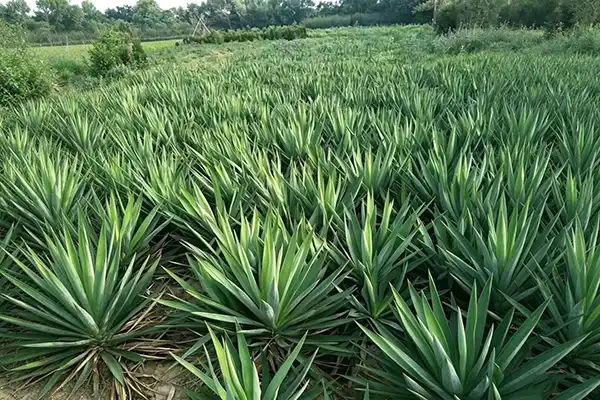
Understanding Yucca Extract: Composition and Mechanism in Animal Nutrition
So that they can choose the right phytogenic addition, buying managers need to know what's in the product and how it works. Yucca extract consists of several different substances. It's a mix of bioactives, and each one does something different.
Steroidal Saponins: The Ammonia Inhibitors
Sarsaponin and smilagenin are the two main steroidal saponins that can be found in yucca juice. They stick straight to ammonia molecules in the gut and in waste, creating solid nitrogen complexes that stop the molecules from escaping. A study in the journal Poultry Science (Colina et al., 2001) showed that adding yucca extract to chicken feed cut down on aerial ammonia by up to 50% in broiler homes. This directly saves the lungs of workers and birds.
Polyphenols: The Anti-Inflammatory and Antioxidant Fraction
The polyphenolic part of yucca extract is made up of yuccaols A, B, and C, as well as resveratrol. These chemicals lower oxidative stress in animal tissues, help older pets' joints move more easily, and change the way inflammation works. This part of pet supplements is especially important for those that aim to treat arthritis, improve skin health, and get rid of bad odours from faeces—reductions of 26% to 40% have been shown.
Urease Enzyme Inhibition: The Metabolic Efficiency Mechanism
One of the most important ways that yucca extract makes money is by stopping urease enzymes from working in the digestive system. The extract stops urea from turning into free ammonia by inhibiting urease. This keeps nitrogen from being lost as waste gas and makes it available for protein production. Because of this, the Feed Conversion Ratio (FCR) goes up by 3–8%, which lowers the cost per kilogram of live weight gain.
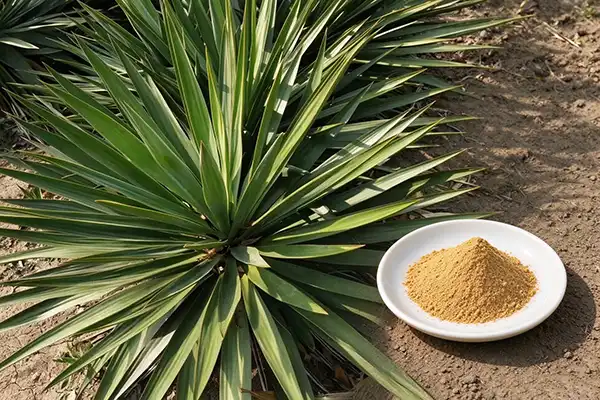
Top 5 Benefits of Yucca Extract in Animal Feed and Pet Supplements
Once you understand the mechanism, it's easy to see how it helps with operations. Here are five main reasons why yucca extract is a popular addition in pet food and feed:
- Ammonia and Hydrogen Sulphide Reduction: Yucca extract binds NH₃ and H₂S in confined animal feeding operations (CAFOs), cutting aerial ammonia concentrations by up to 50%. This reduces chronic respiratory disease incidence in poultry and swine, lowers veterinary costs, and improves compliance with air quality standards in intensive farming facilities.
- Improved Feed Conversion Ratio: By inhibiting urease enzyme activity, yucca extract retains nitrogen in the digestive system for protein anabolism. Livestock producers consistently report FCR improvements of 3–8%, meaning animals reach target weights faster and at lower feed cost—a figure that translates directly to production margin.
- Gut Microbiota Modulation: The saponin fraction of yucca extract modulates intestinal protozoa populations and supports the colonisation of beneficial bacteria. This reduces loose stool rates, improves nutrient absorption at the villous level, and supports immune competency in weaned piglets and young broilers.
- Joint and Coat Health in Companion Animals: In pet nutrition applications, the polyphenolic fraction—particularly resveratrol and yuccaols—reduces oxidative load in joint tissues. Senior dogs and cats show improved mobility scores in feeding trials. The same compounds reduce faecal malodour by 26–40%, a selling point that resonates strongly with indoor pet owners and premium pet food brands.
- Clean Label and Residue-Free Profile: Yucca extract leaves no chemical residue in meat, eggs, or milk. It is fully biodegradable, compatible with organic farming standards, and free from synthetic solvent extraction. This makes it a straightforward fit for clean-label feed and supplement formulations.
When the polyphenolic fraction, particularly resveratrol and yuccaols, is included in pet food, it reduces the reactive load in joint tissues, which is beneficial to the health of both the joints and the coats of pets. When it comes to their mobility scores, older dogs and cats consistently perform better in feeding trials. These same chemicals reduce the unpleasant odours from excrement by between 26 and 40 percent, which is a significant benefit for individuals who keep their pets indoors, as well as for high-end brands of pet food.
How to Select and Use Yucca Extract in Your Animal Nutrition Products?
The variety and quality of yucca extract that you select will be determined by the method by which you create the product as well as the species that you intend to apply it to. When it comes to pelleted feed, premixes, and dry supplement blends, powders, such as the fine, light yellow powder that KH supplies, are simple to incorporate without any difficulty. The use of liquid concentrates in conjunction with water-line delivery systems is an effective method for poultry and swine operations that require prompt execution.
Dosage Guidelines by Application
100–125 g per metric tonne of feed is the standard preventative dose for ammonia control in chickens. Doses of 200 to 250 g/MT are right for high-risk areas where barn ammonia levels are higher than 25 ppm. For pet supplements, it's best to get species-specific advice from your technical supplier, since lower inclusion rates are needed for pet food than for livestock feed.
Saponin Specification Selection
Commercially available yucca extract is available in concentrations of saponin that range from ten per cent to eighty per cent. When it comes to concentrated premix applications with low inclusion rates, higher quantities of saponin (60–80%) are the most effective ingredients. Standard grades, which range from 10 to 30 per cent, are more cost-effective for straight feed when they are added at greater rates. Constantly requesting UV analysis results at the batch level and HPLC profiles is the best method to ensure that you have a complete understanding of the steroidal saponin marker profile.
Thermal Stability Consideration
When processed at temperatures up to 120°C during standard feed pelleting or extrusion, Yucca extract saponins maintain more than 95% of their bioactivity, as long as the residence time stays within normal limits. This means that it can be used in most industrial feed production lines without the need for application after pelleting.
Evaluating Yucca Extract Suppliers for B2B Procurement
When buying yucca extract on a large scale, procurement managers need more than just a price sheet. The long-term consistency of the product is affected by the supplier's tracking infrastructure, certification portfolio, and expert support capacity.
Certifications That Matter
Find providers that are registered with FDA, ISO9001, FSSC22000, HACCP, KOSHER, and HALAL. These certificates show that the product can be sold in controlled markets like the U.S., EU, and Japan, and that the quality management systems have been checked for allergens and contamination.
Traceability and Batch Documentation
If you want to buy yucca extract from a reputable company, you should be able to track it all the way from the planting base to the extraction batch. A Certificate of Analysis (COA) should be included with every business lot that lists the amount of active saponin, wetness, heavy metals, and microbes that are present. Batch-level HPLC reports confirm that the sarsaponin and smilagenin profiles of the real product are different from those of tea saponin imposters, which have the same foamy properties but no steroidal marker compounds.
Minimum Order Quantities and Lead Times
Suppliers who give samples and small-batch trial orders lower financial risk for brands that are still in the trial or early marketing stages. For large-scale production, a yucca extract maker with ready-to-ship 25-kg drums provides supply continuity without the need for extra storage space.
Case Studies and Practical Applications of Yucca Extract in Feed and Pet Nutrition
Poultry and Swine Feed Operations
In studies with chickens, adding 125 g/MT of yucca extract to their food cut ammonia levels in the barn by 40–50% within two weeks. The quality of the litter and the number of cases of footpad dermatitis in broiler farms both improved at the same time. These are two welfare and productivity indicators that affect the results of audits in integrated poultry systems.
Aquaculture Applications
Dissolved ammonia levels above 0.5 mg/L stress shrimp and fish farms and weaken their immune systems. Free ammonia is bound by yucca extract, which also lowers nitrogen buildup in pond water. Its natural detergent action also improves the taste of pelleted aquafeed and helps aquatic species absorb it more easily.
Pet Supplement Product Development
OEM brands that make joint health chews and digestive supplements for dogs have added yucca extract at a concentration of 0.1% to 0.5% to claim that it helps with reducing faeces smell and reducing inflammation. The polyphenolic fraction backs up these claims without needing to be classified as a drug, which keeps the products in the dietary supplement channel.
Conclusion
Yucca extract from Yucca schidigera is a well-known ingredient that can be used for both feeding animals and giving them supplements. It stands out in the market for phytogenic additives because it can lower ammonia, raise FCR, change gut flora, and help joint health. When making choices about where to get saponin, you should put standardisation, extraction purity, batch-level paperwork, and supplier certification at the top of your list. When these things come together, yucca extract works consistently in a wide range of animal feeding uses.
FAQ
Does yucca extract survive feed pelleting temperatures?
Yes. It is known that steroidal saponins in yucca extract retain more than 95% of their bioactivity at temperatures up to 120°C when pelleting dwell times are followed. For most industrial devices, there is no need for a post-pelleting application.
What saponin concentration should I specify for poultry feed?
A 10–30% saponin grade works well for direct feed addition at normal ammonia-control doses (125–250 g/MT). Choose a saponin content of 60 to 80% for applications that need a concentrated premix and low inclusion rates.
Is yucca extract compatible with probiotics and enzymes in feed?
Yucca extract does not have broad-spectrum antibacterial properties. It often improves the intestinal environment for beneficial bacteria like Lactobacillus by lowering gut ammonia toxicity.
How do I verify authenticity and avoid adulteration?
Ask for HPLC profiling to make sure that sarsaponin and smilagenin marker compounds are present. People who add things to tea saponin will not show this steroidal profile. Foam tests by themselves are not enough to prove identity.
What is the standard shelf life of yucca extract powder?
Yucca extract powder keeps its saponin activity for 24 months when stored in a cool, dry place that is locked and protected from moisture. The powder absorbs water, so the container needs to be closed again right away after each use.
Source Yucca Extract in Bulk from KH — Certified, Traceable, and Ready to Ship
Kingherbs Limited (KH) sells industrial-grade yucca extract that is standardized from the aerial parts of the yucca plant. The powder is fine and light yellow, and the amount of saponin in it ranges from 10% to 80% (UV-tested). We don't use any manufactured liquids in our extraction process; only pure water or food-grade ethanol. Each 25 kg drum ships from stock and comes with a full COA and HPLC batch documentation. Before making a big investment, we'll take sample orders and small-batch tryouts. We are a reliable yucca extract seller with ISO9001, FSSC22000, KOSHER, HALAL, HACCP, and FDA certifications. We can help you with your recipe, from choosing the ingredients to making it bigger. To get a sample or price quote, email us at info@kingherbs.com or go to www.kingherbs.com.
References
1. Colina, J.J. et al. — Poultry Science, 2001
2. Cheeke, P.R. — Animal Feed Science and Technology, 2000
3. Katsunuma, Y. et al. — Journal of Animal Science, 1999
4. Piacente, S. et al. — Journal of Natural Products, 2004
5. Wallace, R.J. et al.—British Journal of Nutrition, 2010
6. Shi, Y. et al. — Livestock Science, 2016
Send Inquiry
Related Industry Knowledge
- Best Tart Cherry Extract: A Buyer’s Guide to Quality and Specs
- Can Freeze Dried Sweet Potato Powder Improve Product Appeal?
- How to Choose a Top Aloe Vera Gel Powder Factory?
- About Astaxanthin for Skin Health and Revitalization
- What Industries Commonly Use Artemisinin Powder Today?
- Can White Willow Bark Extract Powder Promote Joint Health?
- Angelica Officinalis Extract vs Angelica Sinensis Extract
- Lespedeza Capitata Extract for Natural Diuretic Applications
- How Lespedeza Capitata Extract Supports Renal Filtration?
- What Are the Key Actives in Lespedeza Capitata Extract?