_1762508637542.webp)
How to Choose a Top Aloe Vera Gel Powder Factory?
Oct 5, 2026
If you know precisely what you need, you may begin to choose the best aloe vera gel powder manufacturer. Not all vendors can meet large-scale demands for consistent potency, verified paperwork, and regulatory compliance. A reputable manufacturer will get their Aloe barbadensis miller leaves from plants that are at least two years old, dry them using spray drying or freeze drying, and then analyse them with HPLC to make sure they include no bioactive substances, including acemannan polysaccharides. This book will bring you through every decision point, from certifications to MOQ flexibility, so that your next purchase action is based on evidence, not guesswork.
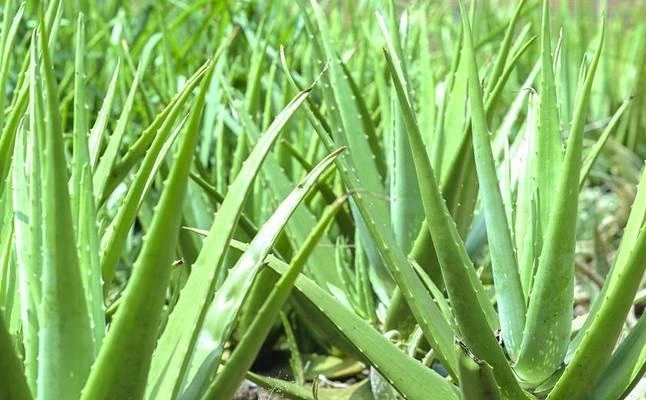
Understand Your Procurement Needs and Market Requirements
Before you call any aloe vera gel powder suppliers, you need to know exactly what you want to use the powder for, how much you need, and any legal requirements that apply. If you skip this step, you may misalign your specs and waste sample cycles.
Define Your Application Area
As a result, different finished goods need different types of ingredients. For moisture retention, cosmetic formulators usually need a lot of O-acetyl polysaccharides (4% to 8%). Nutraceutical brands often require standardised levels of acemannan for immune support claims. Depending on the intended use, drug makers may list aloin A concentrations ranging from 2.5% to 90%. When you know what you're looking for, you greatly reduce the number of suppliers you can choose from.
Estimate Your Volume and Sourcing Frequency
Are you making a test order or setting up a long-term supply chain? A trustworthy company that makes aloe vera gel powder should be able to handle both small-batch samples and large orders starting at 25 kg per drum. If you know how much you need every month or three months, you can negotiate better prices and lock in wait times before your stock runs out.
Align With Market-Specific Certifications
On the U.S. market, FDA compliance is a must. You might also need KOSHER, HALAL, ISO9001, FSSC22000, or HACCP paperwork, depending on how you plan to sell your goods. Before asking for a sample, buyers who want to sell their products in natural and organic stores should make sure that the plant has USDA Organic or a similar certification.
Key Quality Factors to Assess in Aloe Vera Gel Powder Factories
There is no way to tell if aloe vera gel powder is good or bad with the naked eye. It lies in the ways that raw materials are extracted, tested, and tracked—details that show which suppliers can be trusted and which ones can't.
Raw Material Sourcing and Leaf Quality
The quality of the fresh inner leaf gel directly determines the nutritional profile of the finished powder. Companies that get their Aloe barbadensis miller from mature plants, preferably those that are more than two years old, make extract with a higher polysaccharide density. Ask your sellers where they base their planting sites and whether they control the timing of the crop harvests. If the raw materials aren't regular, the batches will vary, which can mess up your formulation.
Extraction Method: Spray Drying vs. Freeze Drying
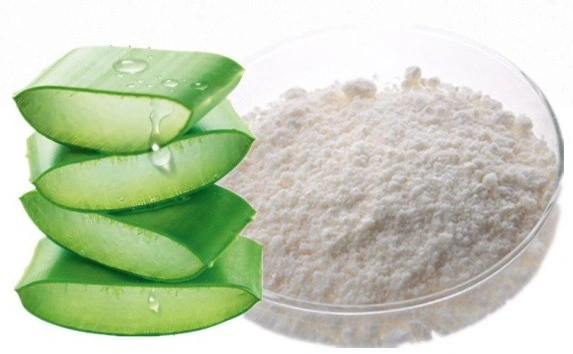
Spray drying makes economical concentrations (100:1, 200:1) that can be used in cosmetics and functional foods. Freeze drying keeps more heat-sensitive bioactives intact and comes in 50:1, 100:1, and 200:1 ratios, which is why it is preferred for pharmaceutical and high-end nutraceutical use. Either method should yield a fine, white to light yellow powder that dissolves easily in water. Always ask for a Certificate of Analysis (CoA) that includes HPLC test results that prove the presence of the active ingredient.
Certifications and Testing Protocols
There is a real risk of certification fraud when getting botanical ingredients. A reliable aloe vera gel powder plant should have certificates that can be checked, like ISO9001, FSSC22000, HACCP, FDA registration, KOSHER, and HALAL. There should be batch-level HPLC data for each batch that confirms the amount of aloin A and carbohydrate. It should also be normal, not extra, to do microbiological safety testing that includes yeast, mould, and total plate count.
Evaluating Factory Reputation and Brand Trustworthiness
Credentials are important, but success is what builds long-term business ties. Here's how to figure out how trustworthy a factory is before you place a large order with them.
Review Client References and Case Studies
Ask possible aloe vera gel powder makers for client references from companies that work in your field, such as cosmetics, supplements, or medicines. You should give more weight to verified case studies that show batch consistency across multiple production runs than to product brochures. It's a good sign that the factory meets commercial-grade standards all the time, not just during the sampling stage, if well-known brands recommend it.
Assess OEM and Private Label Capabilities
Make sure the factory can handle custom ratios, useful blends, or co-packaged forms if your brand needs them. A good provider does more than just provide ingredients. They also offer compounding help, stability testing, and application lab support for your product system, whether it's a skincare recipe, gummy bear, drink, or tablet. This professional relationship cuts down on the time it takes to do R&D by a lot.
Check Track Record and Operational History
A factory that has been making plant products since the mid-1990s has a lot more process knowledge than a factory that just opened. Look for proof that the business has been around for a while, a quality management system that can be proven, and a product line that includes things other than aloe vera. This shows that the business is really into making things, not just selling one thing.
Procurement Process: From Inquiry to Long-Term Partnership
We protect quality at every step of the buying process, from the first touch to the ongoing restocking. Here are some steps that will help you quickly go from asking a question to signing a contract.
Ask the Right Questions Early
If you have technical questions, you should contact the company that sells aloe vera gel powder: What kinds of concentrations do you have? Do you have stock ready to go? How long do your lead times usually take? When a factory has ready-to-ship inventory and can send samples out within 3–5 business days, that means it is operationally ready. Clear prices and tiered MOQ structures (accepting small test orders before 25 kg business minimums) show real B2B flexibility.
Request Samples Before Committing to Bulk Orders
Always test before you buy a lot of something. To get a full sample, you should ask for a copy of the COA, the HPLC report, the safety data sheet, and any related certifications. Check the stability, color consistency (from white to light yellow), smell, and how the substance reacts to being reconstituted. Before you place a business order, make sure the results match the listed requirements, especially the O-acetyl polysaccharide content at 4% to 8% and the moisture level below 5%.
Plan for Logistics and After-Sales Support
Aloe vera gel powder can hold water. Bioactive stuff breaks down when it's packaged wrong or shipped for a long time. Make sure the factory packs in sealed 25-kilogram drums and can ship by courier, air, or ocean freight, depending on your needs and budget. Support after delivery, such as technology problems, formulation questions, and reorder paperwork, shows that the seller cares about the relationship, not just the transaction.
How to Overcome Common Challenges in Aloe Vera Gel Powder Procurement?
Troubles can happen to even the most experienced procurement managers. When you know the most common places where things go wrong, you can build safety features into your sourcing process before they cost you time and money.
Spot Misleading Quality Claims
Some suppliers use the words "natural" or "organic" in their marketing materials without showing proof. Aloe vera gel powder that falsely claims to contain polysaccharides but lacks HPLC data should raise immediate concerns. It’s important to verify the product specifications with the results from a third-party lab. Regulated industries should only work with factories that share batch-level documentation.
Mitigate Supply Disruption Risks
Dependence on a single source makes things weak. Choose at least one backup supplier and keep extra stock on hand, especially during times of high demand. Check to see if your main factory keeps ready-to-ship items or only makes things when they are ordered. If they only make things when ordered, this may raise doubts about wait times and slow your manufacturing schedule.
Prioritise Sustainable and Ethical Sourcing
The U.S. market values ingredient tracking and ethical sourcing more and more. Ask the company that makes your aloe vera gel powder about how they farm, how much water they use, and how they make sure they follow social safety standards. Factories that keep environmental licences and record where their planting bases come from lower your brand's legal risk and meet consumer standards for openness.
Conclusion
It takes more than just comparing prices to find the right aloe vera gel powder factory. You need to use a structured evaluation process. Each step keeps the security of your final product safe, from ensuring that raw materials can be tracked and the right methods are used for extraction to checking certifications and testing procedures. If a supplier has HPLC-backed paperwork, ready stock, flexible MOQs, and real technical support, you can be sure that your purchases will be safe when regulators look closely at them. Take the time to do a lot of research, ask for samples, and build relationships with manufacturers who put quality first.
FAQ
What is the difference between aloe vera gel powder and aloe vera juice concentrate?
Aloe vera gel powder is a dried extract made at a concentration ratio of 100:1 or 200:1, meaning that 100 or 200 kg of fresh gel makes 1 kg of powder. This form has a longer shelf life than liquid juice concentrate, doesn't let microbes spoil the product while it's being shipped, and lets pills, tablets, and powdered drink mixes be dosed accurately. Concentrated juice holds more water and works well for ready-to-drink drinks, but it needs to be kept cold and requires more careful control of preservatives.
How do I verify that a supplier's organic certification is legitimate?
Ask for the original certificate that has the name of the certifying body, the certificate number, and the date it expires. You can check this information against the public database of the certifying body. On the U.S. market, anyone can check USDA National Organic Program (NOP) certificates. Also, please request lab results from a third party that confirm there are no synthetic pesticide residues. This will support the organic claim even if the certificate isn't there.
What are standard MOQ expectations from aloe vera gel powder manufacturers?
Most companies that make goods for business use have a minimum order size of 25 kg per batch. However, trustworthy suppliers are happy to fill sample requests and small-batch test orders before they need full commercial volumes. Bulk pricing levels usually start at 100 kg, 500 kg, and metric tonnes, and prices go down significantly as the number goes up.
Partner With KH for Verified Aloe Vera Gel Powder Supply
Since 1996, KH (Kingherbs Limited) has been making plant-based products. Our aloe vera gel powder has ISO9001, FSSC22000, HACCP, FDA, KOSHER, and HALAL certifications. We offer spray-drying and freeze-drying forms, HPLC results for each batch, ready stock with sample delivery in 3–5 business days, and help with technical formulation. Get in touch with our team right away by emailing info@kingherbs.com or going to www.kingherbs.com to ask for a sample. We are a reliable company that makes aloe vera gel powder.
References
1. International Aloe Science Council (IASC). Aloe Vera Raw Material Standards and Quality Assurance Guidelines. IASC, 2021.
2. United States Pharmacopoeia (USP). USP–NF Monograph: Aloe Vera Gel. USP, 2022.
3. Hamman, J.H. "Composition and Applications of Aloe vera Leaf Gel." Molecules, 2008.
4. U.S. Food and Drug Administration (FDA). Botanical Drug Development: Guidance for Industry. FDA, 2016.
5. Natural Products Association (NPA). Good Manufacturing Practices for Dietary Supplements. NPA, 2020.
6. European Medicines Agency (EMA). Assessment Report on Aloe barbadensis Mill. and Aloe (Various Species). and Aloe (Various Species). EMA, 2018.
Send Inquiry
Related Industry Knowledge
- What Makes a Trusted Jerusalem Artichoke Extract Factory?
- Best Blueberry Extract Powder 2026: Pure, Science-Backed Guide
- What does Rose Hip Extract Powder do for Your Skin?
- Why Is Angelica Officinalis Extract a Premium Herbal Ingredient?
- How Does Passionflower Extract Powder Affect Sleep Quality?
- Does Macleaya Cordata Extract Help With Digestive Balance?
- What Makes Maca Extract Powder So Popular Worldwide?
- Watermelon Powder: Natural Sweet Flavor Enhancer
- Why Choose Watermelon Powder for Sports Nutrition?
- Mulberry Leaf Extract Powder: A Key Ingredient in Metabolic Health