_1762508637542.webp)
What Makes a Trusted Jerusalem Artichoke Extract Factory?
Jul 31, 2026
When sourcing botanical ingredients, partnering with a trusted Jerusalem Artichoke Extract factory is foundational to your product's success. A reliable manufacturer distinguishes itself through transparent operations, rigorous quality assurance, and comprehensive certifications including ISO9001, FSSC22000, KOSHER, HALAL, and HACCP. These factories demonstrate batch-level traceability, consistent inulin content standardization (typically 90-95%), and responsiveness to custom formulation requests. Beyond basic supply capabilities, they offer technical partnership through detailed HPLC analysis reports, application laboratory support, and collaborative innovation aligned with your R&D objectives. This commitment creates the stability your procurement team needs for long-term success.

Understanding the Core Qualities of a Trusted Jerusalem Artichoke Extract Factory
Being honest is the most important thing in any business interaction. When looking at possible partners, find out if they are willing to share detailed information about where their materials come from, how they are extracted, and how they make sure the quality of their products. A reliable factory keeps detailed records on each batch and is open about their farming partnerships. This shows that they are responsible at every stage of production.
Verified Certifications and Regulatory Compliance
Certifications aren't just pretty stamps; they prove that a business is doing a good job. Reliable manufacturers have several credentials that meet the needs of different markets. Systematic quality management is confirmed by ISO9001, and food safety measures are especially confirmed by FSSC22000. Certifications like KOSHER and HALAL let you sell to niche markets with specific nutritional needs. HACCP approval shows that risks are being looked at proactively throughout production. Registration with the FDA shows a dedication to following strict American rules. With all of these qualifications, procurement managers can be sure that the seller meets foreign standards without needing to be supervised all the time.
Batch Traceability and Third-Party Testing
There should be full paperwork for every batch of high-quality inulin powder that shows how the product got from the soil to the ship. Modern factories keep careful records of when the crops were harvested, how they were extracted, and how they were stored. Active ingredient content is confirmed by tests in a third-party lab, and HPLC technology gives accurate measurements of inulin amounts. This check takes away the need to guess and gives quality assurance teams the documentation they need. When a company freely gives certificates of analysis from outside labs, it shows that they are sure their products are consistent and are committed to being open, which builds trust over time.
Supply Chain Reliability and Logistics Excellence
How reliable your deliveries are has a direct effect on your production schedules and how you manage your inventory. Manufacturers you can trust keep standard specs in stock, so samples and normal goods can be shipped quickly—within 3–5 business days. They offer a variety of shipping choices, such as courier for small amounts, air freight for pressing orders, and ocean shipping for buying in bulk at a lower cost. It's easier for procurement managers to make plans when everyone knows that the minimum order quantity is 25 kg for commercial orders and that sample sizes can be used for testing. Strong tracking systems and help with clearing customs make foreign planning easier, cutting down on delays that could stop your operations.
Key Production and Quality Control Dimensions That Differentiate Top Factories
Excellence in manufacturing is what sets industry stars apart from basic providers. The best makers spend a lot of money on advanced extraction technologies, ethical sources, and quality improvement programs that keep going until the products are better than expected.
Responsible Raw Material Sourcing from Helianthus tuberosus
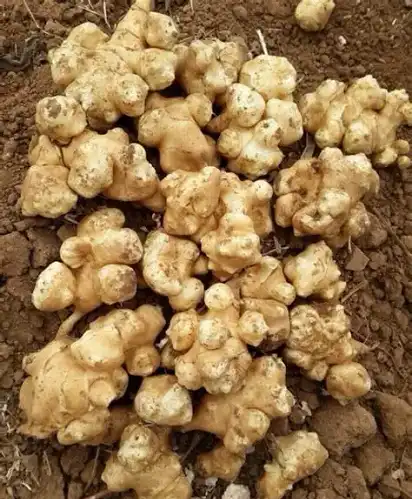
The tubers of Helianthus tuberosus Linn are where the quality of Jerusalem Artichoke Extract starts in the field. Leading makers work with specialised planting sites where they can control things like the type of dirt used, when it rains, and when the crops are harvested. This check in agriculture makes sure that the right amount of inulin is gathered before it is processed. Tuber selection favours varieties that naturally have a lot of fructan, which stops the quality changes that happen when you buy commodities. To meet the growing demand for clean-label ingredients, some factories focus on making organic tubers. This control upstream makes sure that the raw materials are always the same, which means that the specifications of the finished product can be predicted from batch to batch.
Advanced Extraction Methods Preserving Bioactive Compounds
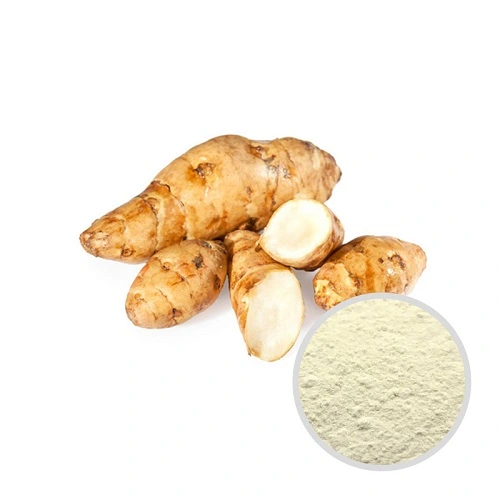
How the product is extracted has a big effect on how pure and useful it is in the end. Natural extraction with pure water or food-grade ethanol is used by high-end manufacturers instead of harsh solvents that leave behind residues or lower safety profiles. These gentle methods protect the helpful chemicals besides inulin, like minerals, vitamins, and polyphenol antioxidants, that add to the extract's overall health benefits. For common uses, modern facilities can make standardised ratio extracts (4:1, 10:1), and for specialised formulas, they can make high-purity inulin amounts (90–95%). The fine white to yellowish powder that is made dissolves easily (more than 95%) at 60°C, making it easy to add to a wide range of products, from drinks to pills.
Research and Development Capabilities for Custom Formulations
Instead of being passive providers, innovative companies work with customers to solve technology problems. They keep application labs that are set up for testing new formulations, making formulations better, and checking for stability in a range of delivery systems, such as skincare products, soft capsules, gummies, and tablets. With this infrastructure, they can make unique mixes with specific ratios or useful synergies that fit your strategy for making your product stand out. A maker with research and development (R&D) skills can help you solve problems and speed up the product development process, whether you're making a synbiotic formulation with prebiotics and probiotics or a low-glycemic bread ingredient that keeps its moisture and texture. Because they know how to keep formulations stable across a range of temperatures and shelf life conditions, you don't have to go through expensive reformulation cycles.
Rigorous Health and Safety Protocols
Controlling allergens, making sure dosages are correct, and avoiding contamination are all quality factors that can't be changed. The best facilities use thorough testing methods that look for heavy metals, microbial contamination, pesticide residues, and added substances. To keep hygroscopic powder from breaking down, they keep cleanrooms with controlled temperatures and humidity. There are thorough specifications in the documentation that prove the degree of polymerisation (usually DP 2–60), which affects how quickly the fermentation process happens and how well the digestive system can handle it. This level of technical accuracy makes sure that your finished goods give customers regular experiences that don't have any bad effects. This protects your brand's image and meets regulatory requirements.
How to Evaluate Supplier Reliability and Support in the Procurement Process
Quality of the product is not enough to make a buying relationship work. If you look at a Jerusalem Artichoke Extract supplier's working skills, communication standards, and support infrastructure, you can see if they can really meet your business's needs in a variety of situations.
Communication Efficiency and Transparency
Professional suppliers are different from transactional vendors because they have direct, responsive communication channels. Reliable partners give you your own account manager who will understand your needs, answer your technical questions quickly, and keep you up to date on when things will be made. They make it clear what the minimum order quantity is right away, and you can try out sample and small kilogram orders before committing to the 25kg business minimum. Lead times are given correctly, and plans for what to do if there are problems with the supply chain are talked over. Because of this, your procurement team can handle your goods carefully, without having to make last-minute reorders that drive up costs.
Technical Support Beyond Basic Supply
Technical help adds to the value offering beyond just delivering ingredients. When manufacturers give your formulation team thorough HPLC analysis results for each batch, they have the information they need to make accurate product development. Advice on compounding helps improve dosage forms, and help with stability testing lowers the risk of releasing a new product. When problems happen, like when colours change in ways that were not expected or when a grid dissolves, an application-savvy partner can effectively fix the issue. This way of working together changes the provider relationship from a transactional one to a strategic one. This speeds up the innovation process and raises the success rate of formulations.
Flexible Terms for OEM and Private Label Projects
Flexible contracts work for a wide range of business models. Whether you're a well-known brand looking for private label production or a contract manufacturer looking for OEM arrangements, flexible suppliers can make deals that work for you. They can handle different order frequencies, protect the privacy of formulations, and change the packaging specifications to meet your brand's needs. This business flexibility, along with competitive prices that reflect real value rather than just low cost, makes for long-lasting partnerships that grow as your business does.
Comparing Jerusalem Artichoke Extract Factories: What Sets the Leaders Apart?
Not every manufacturer is as specialised and focused on the market as another. Knowing these differences helps buying teams find partners who are best for their needs and place in the market.
Specialization Versus Multi-Extract Portfolio Management
When factories only make goods from Helianthus tuberosus, they usually get better at optimising extraction parameters, figuring out how quality changes with the seasons, and keeping in touch with specialised farmers. Because of this focus, the products are more consistent, and scientists know more about how inulin works in different situations. On the other hand, suppliers that handle hundreds of botanical extracts may make it easier to buy everything in one place, but they might not pay as much attention to any one ingredient. Which option you choose will depend on whether specialised knowledge or combining purchases is better for your practical goals.
Organic Certification and Premium Market Positioning
Organic production targets the high-end natural goods market, where customers actively seek verified clean-label qualifications. Manufacturers with organic certifications put money into separate production lines, clear partnerships with organic farmers, and strict rules for avoiding contamination. These things cost more but set them apart in the market. When making products for health-conscious people or to meet store standards for organic approval on finished goods, these certifications become very useful. When choosing between organic and conventional materials, you should think about what your target market values and how willing they are to pay more for them.
Evidence from B2B Client Relationships
Established makers show that they can be trusted by having long-term ties with clients and case studies that are written down. When looking at possible partners, get recommendations from clients who work in related fields, like companies that make functional foods, cosmetics, or dietary supplement brands. Ask about consistency in delivery, uniformity from batch to batch, responsiveness to quality concerns, and working together to solve problems during formulation challenges. Testimonials from procurement managers and R&D directors show more than just what the company says on its marketing materials. They show how well the seller works under real-world operational stresses and whether they are really key partners.
Best Practices for Long-Term Collaboration with a Jerusalem Artichoke Extract Factory
For partnerships in the procurement of Jerusalem Artichoke Extract to last, the relationship needs to be managed on purpose after the contract is signed. Setting up organised collaboration models makes sure that everyone is responsible for their actions and that improvements are always being made in line with how the market is changing.
Establishing Quality Benchmarks and Performance Metrics
To start a relationship, you should set clear quality standards that can be measured. Write down the acceptable ranges for the amount of inulin, the amount of moisture, the number of microbes, and the amount of heavy metals. Set up key performance markers that cover things like on-time delivery, correct paperwork, and answering questions. Set up regular audits, like online document reviews or in-person building visits, to make sure that ongoing compliance is being met. These organised checkpoints hold people accountable and let you know early on if quality is starting to slip before it affects production. Reviewing the supplier's compliance regularly also makes sure that they keep their certifications up to date and can adapt to changing regulatory requirements in your target markets.
Collaborative Innovation and Market Adaptation
Market trends change quickly, especially when it comes to expectations for sustainability, new ways of delivering products, and new research on the benefits of prebiotics. Leading suppliers work with clients to change formulations based on new research, consumer tastes, and changes in the competition. They talk about how new tools in agriculture have improved the quality of tubers, how extraction methods have made them more pure, and how application methods have made them more bioavailable. This sharing of information gives both of you a competitive edge—the seller makes goods that are more relevant to the market, and you get new formulation ideas that set your brand apart. Strategic alignment is kept up through regular scientific talks about new possibilities in areas like managing blood sugar, supporting the gut bacteria, or making fat replacements that don't contain any added chemicals.
Transparency in Supply Chain Ethics and Sustainability
When making purchases today, people think about ethics more and more, along with price and quality. Manufacturers who are open about their sustainability practices, such as efforts to save water during extraction, make energy use more efficient, and form partnerships with farmers to help farming communities, are called "transparent." Not only do they keep track of traceability to meet legal requirements, but they also do it to show responsible sourcing that fits with your company's values. This openness is especially helpful when talking to customers who want the supply chain to be accountable. When people work together based on the same morals, they protect each other's reputations and help the botanical ingredients industry stay alive in the long term.
Conclusion
To find a reliable Jerusalem Artichoke Extract maker, you need to look at more than just the product specs. Real partners can be told apart from transactional sellers by their thorough certifications, open and honest business practices, cutting-edge extraction technologies, and team-based technical support. The best supplier keeps an eye on agriculture, keeps an inventory on hand for quick delivery, offers flexible terms that work for a variety of business models, and has application expertise that speeds up the development of your product. By putting these traits at the top of the list and using organised teamwork methods, your procurement team can make sure they have a steady supply of ingredients and gain strategic benefits by coming up with new formulations and responding quickly to market changes.
FAQ
1. How do I verify the inulin content claimed by a supplier?
Instead of depending only on the maker's own testing, get full HPLC analysis results from labs that are not connected to the producer. Reliable sellers give exact inulin percentage certificates for each batch, which are usually between 90 and 95% for high-purity grades. The paperwork should also say how much polymerisation there is, since that affects how well the extract works as a prebiotic and how well it works with the digestive system. You might want to use your own quality assurance procedures to do regular verification testing. This is especially important when you are working with new suppliers or checking out important production batches.
2. What minimum order quantity should I expect for trial evaluation?
Professional manufacturers can meet the needs of both review and business buying. Samples and small trial orders of up to a kilogram are usually available with few restrictions. This lets your R&D team test formulations and stability before committing to larger volumes. For commercial production sales, a 25 kg minimum is usually needed, which fits perfectly with standard drum packing. This system lets you thoroughly test the product without having to spend a lot of money up front, and it also keeps the economies of scale for ongoing supply.
3. Can manufacturers customize extraction ratios for specific applications?
Modern facilities give formulators more freedom than what is required by standard specs. For uses that need a wider range of phytochemicals, they can make standard ratio extracts like 4:1 or 10:1, or they can focus on high-purity inulin parts that are close to 95% for specific prebiotic functions. Some companies make custom blends that combine the extract with ingredients that work well together to get better results. Talk about your application needs, like for health supplements, functional drinks, or low-glycemic baked goods, to see if the ability to customise fits with your formulation goals.
Partner with KH for Premium Jerusalem Artichoke Extract Supply
Since 1996, KH has been making botanical ingredients and has become a trusted Jerusalem Artichoke Extract supplier to dietary supplement brands, nutraceutical companies, and functional food manufacturers all over the United States. Our system keeps track of quality from partnered planting bases to natural extraction using pure water or food-grade ethanol. This makes sure that the fine white to yellowish powder you receive always has 90–95% inulin content, which has been confirmed by HPLC testing. We keep a lot of certificates, like ISO9001, FSSC22000, KOSHER, HALAL, HACCP, and FDA registration, so we can meet the needs of a wide range of markets.
Samples and standard products can be sent out within three to five business days from our ready-to-ship inventory, and they can be sent by courier, air freight, or ocean freight. We do more than just offer ingredients; we also act as your technical partner, giving you full component spectra, application laboratory support, and help with making custom formulations for drinks, soft capsules, tablets, and other things. Our one-stop buying service makes it easier to find what you need, whether you need small amounts for testing purposes or a business supply that can be scaled up from 25 kg on up. Get in touch with our team at info@kingherbs.com to talk about how our Jerusalem Artichoke Extract can improve your product formulations with its proven quality, quick delivery, and shared technical expertise.
References
1. Roberfroid, M. (2007). "Prebiotics: The Concept Revisited." Journal of Nutrition, 137(3), 830S-837S.
2. Kalyani Nair, K., Kharb, S., & Thompkinson, D.K. (2010). "Inulin Dietary Fiber with Functional and Health Attributes—A Review." Food Reviews International, 26(2), 189-203.
3. Mensink, M.A., Frijlink, H.W., van der Voort Maarschalk, K., & Hinrichs, W.L. (2015). "Inulin, a Flexible Oligosaccharide: Review of Its Physicochemical Characteristics." Carbohydrate Polymers, 130, 405-419.
4. Shoaib, M., Shehzad, A., Omar, M., Rakha, A., Raza, H., Sharif, H.R., Shakeel, A., Ansari, A., & Niazi, S. (2016). "Inulin: Properties, Health Benefits and Food Applications." Carbohydrate Polymers, 147, 444-454.
5. Patel, S. & Goyal, A. (2012). "Recent Developments in Mushrooms as Anti-Cancer Therapeutics: A Review." 3 Biotech, 2(1), 1-15.
6. Gibson, G.R., Hutkins, R., Sanders, M.E., Prescott, S.L., Reimer, R.A., Salminen, S.J., Scott, K., Stanton, C., Swanson, K.S., Cani, P.D., Verbeke, K., & Reid, G. (2017). "Expert Consensus Document: The International Scientific Association for Probiotics and Prebiotics (ISAPP) Consensus Statement on the Definition and Scope of Prebiotics." Nature Reviews Gastroenterology & Hepatology, 14(8), 491-502.
Send Inquiry
Related Industry Knowledge
- Passionflower Extract Powder: Does It Improve Sleep Quality?
- Bamboo Leaf Extract Benefits: Everything You Need to Know
- Can Blueberry Extract Powder Promote Cardiovascular Wellness?
- Why Is Rose Hip Extract Powder Popular in Beauty Supplements?
- Passionflower Extract Powder For Sleep & Stress Reduction
- Can Dill Seed Extract Support Metabolism and Wellness?
- Valerian Root Extract Powder Benefits: A Science-Backed Guide
- What Are the Active Compounds in White Paeony Extract?
- Can Polygonum Cuspidatum Extract Help Reduce Inflammation?
- Best China Macleaya Cordata Extract for Animal Nutrition Companies