_1762508637542.webp)
Why Use Ginger Extract Powder in Functional Food Products?
Sep 10, 2026
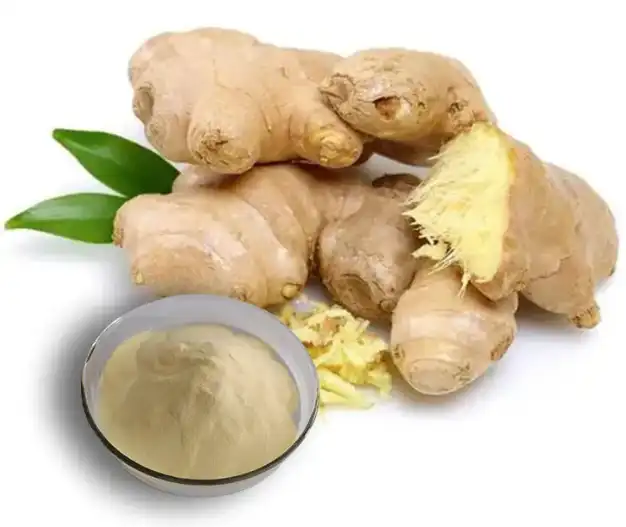
Functional food producers integrate ginger extract powder into formulations because it delivers concentrated bioactive gingerols ranging from 5% to 35%, ensuring consistent potency that raw ginger cannot provide. The rhizomes of Zingiber officinale plant give this ingredient. It can be taken out of the plant using water or food-grade ethanol. A lot of problems in production can be fixed with this. You no longer have to worry about things like the raw materials' quality, chemicals that easily catch fire during processing, or ingredients that don't mix well with liquids. It can be used up to 120°C, and an 80-mesh screen lets 98% of particles pass thru. It's great for making drinks, vitamins, and nutraceuticals because of this. It also works for people who want clean marks.
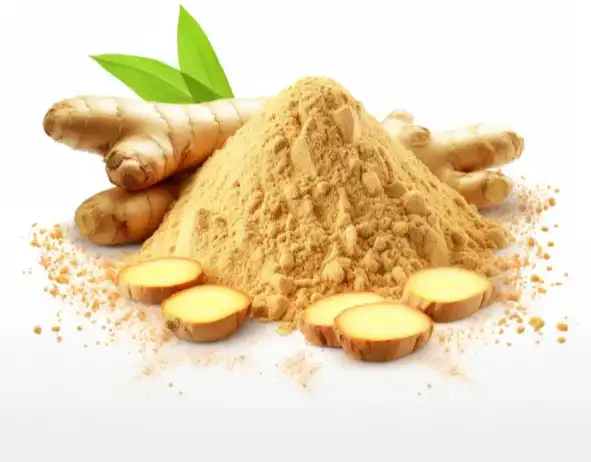
Why Functional Food Producers Choose Ginger Extract Powder
This ingredient is highly valued by companies that make dietary supplements, functional beverages, and nutraceuticals because it has measurable technical benefits that improve product performance and supply chain efficiency.
Concentrated Bioactive Content Drives Product Efficacy
Because it is 10–20 times stronger than raw ginger, formulators can use smaller serving sizes to give therapeutic doses. Ginger Extract Powder with a 5% concentration only needs 200 mg to have the same bioactive content as 2–4 grams of raw ginger. This is important for single-serve shots or capsules that you take once a day for supplements. Because of this concentration, brand owners can make health claims that are backed up by clinical dosing studies. This helps their products stand out in crowded markets.
Standardization gets rid of the batch-to-batch differences that are common in whole herb formulations. When purchasing managers find materials that have been tested and shown to contain 10% gingerol using HPLC, R&D teams can safely move from pilot runs to commercial production without having to change the recipe.
Stability and Extended Shelf Life Reduce Supply Chain Risk
Material steadiness changes how stocks and profits are handled in a direct way. Gingerol powder stays whole for at least 24 months if it is kept below 5% moisture. It breaks down quickly in fresh ginger root. Medium-sized producers can buy in bulk when prices are low without lowering quality because the market is stable over the long term. This helps them keep track of their cash flow.
No many of the active compounds in this ingredient are lost when it is heated, sprayed dry, or pressed into tablets. It can also handle small steps of processing at temperatures of up to 120°C. Contractors who make things can add it to their regular work without having to buy expensive low-temperature tools.
Versatile Applications Across Product Categories
The ingredient can be used in a variety of finished products because it can be mixed in different ways. Water-dispersible grades that stay suspended without settling are good for ready-to-drink functional drinks because they keep their good looks over time. For easy health solutions on the go, instant mix powders that can be used for hot or cold drinks contain the extract.
The powder's neutral color—a light yellow that mixes well—and its ability to hide in complicated flavor systems while still providing bioactivity are used in snack bars and functional foods. Standard and high-potency types are both used in dietary supplements for specific dosing plans, ranging from gentle daily support for digestive health to intensive joint health routines.
Personal care product makers use the ingredient in warming massage oils and treatments for the head to improve blood flow. This means that it can be used for more than just eating.
Clean Label Alignment with Consumer Preferences
The fastest-growing market segment can be reached thru natural and organic certification. Only using food-grade ethanol or purified water for extraction—with solvent residues checked to be below 5000ppm and in line with ICH Q3C—meets clean label requirements without any chemical processing issues. This openness is appealing to people who read ingredient lists carefully, and it fits with the brand's values of focusing on whole foods.
Zingiber officinale is a botanical source that is well known and liked by people all over the world, unlike synthetic ingredients that need a lot of education. Certifications like KOSHER, HALAL, and organic options make markets more accessible to people of all dietary and cultural backgrounds. This is especially helpful for manufacturers who want to sell their goods abroad.
How to Select Quality Ginger Extract Powder for Functional Food Products
Before making a purchase decision, technical specifications, the supplier's abilities, and quality documentation must all be carefully looked over to make sure that the performance of the raw materials meets the needs of the formulation and all regulatory requirements.
Assessing Purity, Potency, and Testing Protocols
The first thing that is checked is an HPLC proof of analysis that shows the amounts of gingerol. Reliable suppliers give batch-specific paperwork that shows not only the total amount of gingerol but also how it is broken down into 6-gingerol, 8-gingerol, and 10-gingerol. With this fine-grained data, R&D teams can connect bioactivity patterns to clinical research.
Testing for solvent remains shows that safety limits were met. When materials are extracted with ethanol, the residual amounts should be well below the 5000ppm level. When materials are removed with water, there is no need to worry about this at all. Lead, arsenic, cadmium, and mercury heavy metals testing must meet FDA standards for daily intake categories, especially for goods aimed at vulnerable groups.
Critical Certifications and Regulatory Compliance
Certifications for manufacturing facilities give the supply line peace of mind. ISO9001 shows that there are quality management systems in place, and FSSC22000 shows that there are food safety protocols that meet international standards. Even tho the FDA hasn't approved the product yet, registering the production facility shows that the company is aware of the rules and is ready for inspections.
If a farm is certified organic by the USDA or an equivalent organization, it must meet certain requirements for where the Ginger Extract Powder grows comes from. Traceability includes checking the soil, keeping records on how pests were managed, and keeping records on the crop. This is very important for brands that want to market high-end natural goods.
Evaluating Supplier Categories and Capabilities
Bulk manufacturers who run their own extraction plants can save big users money and give them technical advice on how to set the right processing parameters. These suppliers can usually meet custom ratio requests and change the extraction parameters to fit different uses, which is helpful for brands that are focused on research and development and want to stand out.
Wholesalers and distributors offer a wider range of ingredients and lower minimum orders, but they might not know a lot about the specifics of processing. This works well for well-known formulations with clear specifications, where procurement managers value fast delivery over customization.
Strategic Price-Quality Considerations
The cheapest material is usually of lower quality because it has been diluted with maltodextrin carriers or comes from lower-quality plants. The price of something should be based on how much of an active ingredient it has. For example, a 5% gingerol extract that costs half as much as a 10% material costs more per unit of bioactivity.
Misrepresenting specifications can be avoided by testing samples before making a business commitment. Suppliers you can trust will give you 100–500g samples with full analytical paperwork, which lets you do your own tests and practice batches. This lowers the risk of scaling up and keeps you from having to do expensive re-mixing when going from tests to production amounts.
Addressing Common Concerns and Safe Usage Guidelines
Manufacturers and end users are both protected by safety protocols and regulatory compliance frameworks. These also make it possible for products to be sold all over the world by showing that they follow established standards.
Recommended Dosage Ranges by Product Format
Dietary supplement pills usually contain 250 to 500 mg of standardized Ginger Extract Powder (5 to 10 percent gingerols), which is the same amount of fresh ginger root as 2.5 to 5 grams. This range of doses works well for gut health without going over the safe intake levels. For higher potency extracts (20–35%), serving sizes need to be proportionally smaller to keep bioactive delivery at the same level.
Potential Side Effects and Contraindications
About 5 percent of people who take more than 1000 mg per day report mild stomach problems like heartburn or stomach upset. These effects usually go away when the dose is lowered or when the drug is taken with food. To keep this from happening, product labels should include clear directions on how to use the product.
People who are taking blood-thinning medicines should be careful because gingerols may make the effects stronger. Even tho the clinical significance is still being discussed, responsible labeling tells people who are taking warfarin or similar medicines to talk to their doctors first.
Global Food Safety Standards and Documentation Requirements
When used in line with good manufacturing practices, ginger extract is considered Generally Recognized as Safe (GRAS) by the FDA. Manufacturers need to keep records that show the identity, purity, and makeup of their ingredients. These records can be made up of certificates of analysis, factory records, and data from stability tests.
To get into the EU market, you have to follow the rules for Novel Food and the maximum levels of contaminants that can be left behind. For aflatoxin limits to be effective, testing methods must be confirmed and tracking plans must be written down at every step of the supply chain. This is especially important for botanical ingredients.
Future Trends and Market Outlook for Ginger Extract Powder in Functional Foods
Industry research shows that adoption is speeding up because consumers' health concerns are becoming more similar, new technologies are making it possible for new uses, and smart sourcing practices are making companies more competitive.
Rising Global Demand Across Key Markets
From 2020 to 2023, sales of functional foods and drinks in North America that contained botanical extracts increased by 12.4% per year, with digestive health being one of the top three claims categories. European markets are growing at the same time, especially in Germany and the UK, where herbal medicine traditions make people more open to using concentrated plant ingredients.
Even tho Asian markets are used to using ginger in traditional ways, they are becoming more open to using standardized extract forms as standards for quality rise. This makes it possible for manufacturers who meet international standards for certification and documentation to export their goods.
Technological Advancements Enhancing Formulation Potential
Nano-emulsion and liposomal delivery methods that improve bioavailability make gingerol more easily absorbed, so smaller amounts are needed to get the same effect. These new ideas are appealing to brands that want to stand out by making claims about better bioactivity that are backed up by pharmacokinetic studies.
Microencapsulation methods hide spiciness and keep bioactive compounds from breaking down during processing, which means they can be used in more sensitive materials like protein powders and children's vitamins where taste is still very important.
Strategic Sourcing and Partnership Opportunities
When you grow the plants and get the oil out of them, this is called vertical integration. It keeps costs fixed and quality under control. Once sellers have been given permission to plant, they can change how they grow plants to get the best results for each chemotype. This makes it easy to keep track of things. This helps brands that want to make their own recipes.
This means that OEM relationships that make finished goods and give ingredients shorten the time it takes to make new products and the money new brands need to get started. There are times when these partnerships work best when they are backed up by technical application laboratories that can help with mixing, formulating, and testing for stability in different forms, such as tablets, gummies, and drinks.
Conclusion
Adding concentrated Ginger Extract Powder to functional food formulations meets important needs in the industry, such as consistent bioactive potency, processing stability, formulation flexibility, and clean label consumer appeal. There are technical benefits that make it possible to make new drinks, supplements, and health foods. These include a standard gingerol content ranging from 5 to 35%, heat safety thru pasteurization, and even particle dispersion in multiple media. Quality selection criteria that focus on HPLC verification, full certifications, and supplier technical capabilities help protect formulation investments and ensure compliance with regulations. This nutrient is important for competitive product development strategies because it is in high demand, transport technologies are getting better, and strategic buying partnerships are in place. It is also in a place where consumers care about health and manufacturing is practical.
FAQ
What specifications should procurement managers prioritize when sourcing?
Take a look at the mix and make sure it has the right amount of gingerol for you. In terms of health, it should be between 5 and 10%. It should be between 20% and 35% for strong medicines. Heavy metals should be less than what the FDA allows, and the number of bacteria should be right for your product. There shouldn't be more than 5,000ppm of liquid waste. As long as at least 95% of the particles pass thru an 80-mesh screen, the process can keep going. If a company's quality systems have certifications like FSSC22000 and ISO9001, as well as needs that are unique to the product, like being KOSHER or organic, then they are working. To make sure everything is the same, ask for information that is specific to the batch instead of general standard sheets. You are less likely to make false claims about the specs if you test a sample first. This also lets you do trial tests to make sure it works in your specific formulation matrix.
How does the extract perform in different beverage pH levels?
If you test gingerol's stability across pH ranges from 2.0 to 8.0, it stays intact in acidic sports drinks, neutral plant-based drinks, and slightly alkaline functional waters. Acidic surroundings (pH 2.5–4.0) actually make the extract more stable, which makes it perfect for citrus-flavored goods and kombucha mixes. When processing neutral pH drinks, it's important to keep an eye on the levels of dissolved oxygen because oxidation is a bigger threat to stability than pH itself. For some uses, faster Ginger Extract Powder stability testing is needed because alkaline conditions above pH 8.0 may speed up breakdown during long-term storage. Water-dispersible grades that use the right carriers keep the particles suspended no matter what the pH is. This stops the sedimentation problems that usually happen with standard powder formats.
What minimum order quantities and lead times should buyers expect?
Commercial minimums usually start at 25 kg, which is equal to one standard drum. However, reputable providers can work with smaller trial amounts for developing new formulas. Sample orders of 100g to 500g allow for initial tests without having to spend a lot of money. Small orders of in-stock goods are sent out via courier within 3–5 business days. Large orders, on the other hand, are sent by air freight (5–10 days) or ocean shipping (30–45 days), based on how quickly they need to be delivered and how much they cost. Custom requirements, such as specific gingerol percentages or organic certification, may make wait times up to 4 to 6 weeks so that harvesting and extraction can be planned around them. Building relationships with suppliers who keep standard specifications (10:1 ratio, 5% gingerols) in stock gives you the fastest access while you plan custom needs for unique goods that take longer to develop.
Partner with KH for Premium Ginger Extract Solutions
KH is a specialized botanical ingredient manufacturer that has been helping dietary supplement brands, nutraceutical companies, and functional food formulators all over North America for more than 25 years. Our standardized Ginger Extract Powder comes from Zingiber officinale and has a gingerol level of 5–35%. For every production batch, we provide full HPLC paperwork. We keep samples in stock so that they can be sent out within three to five days. We can also handle both 25 kg business minimums and small trial orders to help your product development processes. In addition to providing ingredients, our application laboratory also offers advice on compounding, formulation optimization for both beverages and supplements, and stability testing protocols that make sure they are in line with regulations. Our quality systems meet your needs for procurement thanks to ISO9001, FSSC22000, KOSHER, HALAL, and FDA registration, among others. You can talk to our technical team at info@kingherbs.com about your unique formulation needs and ask for samples with full analytical paperwork from the Ginger Extract Powder provider you trust.
References
1. Lete I, Allué J. "The Effectiveness of Ginger in the Prevention of Nausea and Vomiting during Pregnancy and Chemotherapy." Integrative Medicine Insights, vol. 11, 2016, pp. 11-17.
2. Mashhadi NS, Ghiasvand R, Askari G, et al. "Anti-Oxidative and Anti-Inflammatory Effects of Ginger in Health and Physical Activity: Review of Current Evidence." International Journal of Preventive Medicine, vol. 4, Suppl 1, 2013, pp. S36-S42.
3. Mansour MS, Ni YM, Roberts AL, et al. "Ginger Consumption Enhances the Thermic Effect of Food and Promotes Feelings of Satiety without Affecting Metabolic and Hormonal Parameters in Overweight Men." Metabolism, vol. 61, no. 10, 2012, pp. 1347-1352.
4. Nikkhah Bodagh M, Maleki I, Hekmatdoost A. "Ginger in Gastrointestinal Disorders: A Systematic Review of Clinical Trials." Food Science & Nutrition, vol. 7, no. 1, 2019, pp. 96-108.
5. Palatty PL, Haniadka R, Valder B, et al. "Ginger in the Prevention of Nausea and Vomiting: A Review." Critical Reviews in Food Science and Nutrition, vol. 53, no. 7, 2013, pp. 659-669.
6. Wilson PB. "Ginger (Zingiber officinale) as an Analgesic and Ergogenic Aid in Sport: A Systemic Review." Journal of Strength and Conditioning Research, vol. 29, no. 10, 2015, pp. 2980-2995.
Send Inquiry

Related Industry Knowledge
- How Does Artemisia Argyi Extract Enhance Herbal Skincare?
- Lotus Leaf Extract Applications in Dietary Supplements
- Why Choose ISO-Certified Apple Extract Powder Suppliers?
- How Quickly Can Blueberry Extract Powder Show Visible Benefits?
- Can Rose Hip Extract Powder Help Reduce Joint Discomfort?
- Couch Grass Rhizome Extract: Herbal Ingredient for Formulators
- Is Couch Grass Rhizome Extract Safe and Effective?
- Is Watermelon Powder Suitable for Vegan Products?
- Why Is Macleaya Cordata Extract Popular in Animal Nutrition?
- Polygonum Cuspidatum Extract for Comprehensive Wellness Solutions