
Why Is Apple Root Extract Popular in Modern Skincare?
Nov 11, 2026
Modern skincare loves apple root extract, providing manufacturers with a traceable, plant-derived ingredient that is compatible with clean-beauty branding and antioxidant-focused formulae. The primary indicators, phloridzin and phloretin, are dihydrochalcones that have been examined for antioxidant action and topical use by researchers. Buyers prefer the fact that a standardized powder is straightforward to administer and record. Popularity, however, is no guarantee of outcomes. Performance is dependent upon botanical identification, extraction process, concentration, formula formulation, and quality control. In this article, I'll tell you what the ingredient is, how it performs in formulations, and how to get it with certainty.
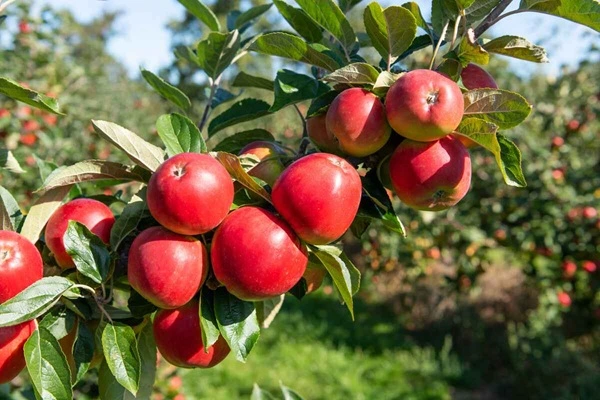
Apple Root Extract for Skin: A Summary
What Is Apple Root Extract?
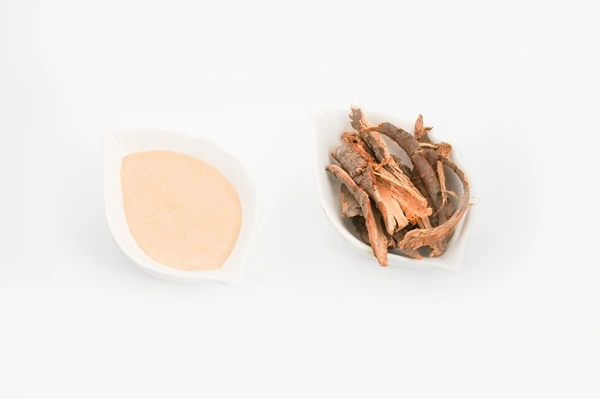
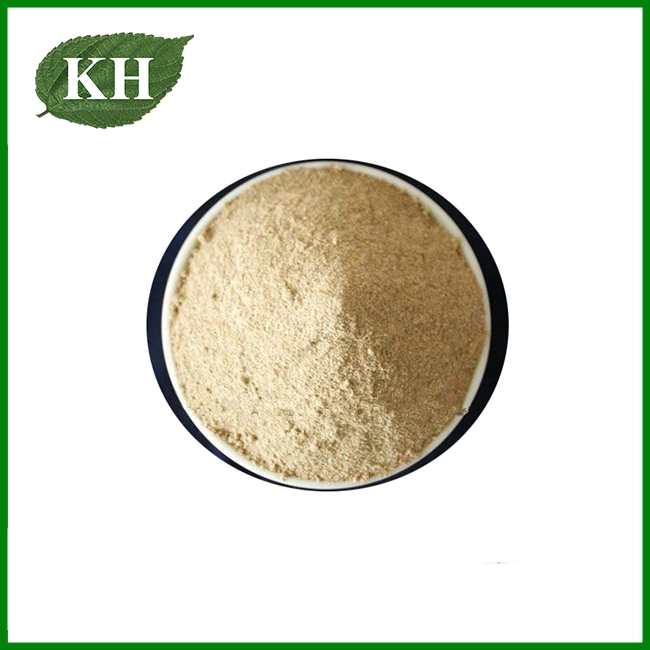
Apple root extract is derived from the roots of an apple tree. In our products, we employ the root of Malus pumila Mill. We take it out of the plant with clean water or food-safe ethanol. And then we grind it to a fine white to off-white powder. Phloridzin is a dihydrochalcone glycoside (one type) and an aglycone (second type). These chemicals are what make it distinctive. Scientists initially discovered it in the 1830s in the root bark of an apple tree, a research in Diabetes/Metabolism Research and Reviews reveals. According to a 2010 review publication in Phytochemistry, phloridzin is a substance that exclusively occurs in plants of the Malus group. This is not the same as apple juice, apple peel polyphenols, apple fruit extract, apple seed extract, or plant-cell-culture products marketed as apple stem cells. They all have various plant parts, makeup, and body of evidence. Ensuring you have the right species, part, extraction ratio, solvent, and INCI name prior to approval is extremely crucial.
Why Apple Root Extract Is The New Hotness In Skincare
People are interested in three things. First, everyone knows an apple. It is easy to explain the botany tale with simple and beautiful lines based on the plant and environment. Phloretin has also been investigated as a skin-applied antioxidant. Researchers evaluated a blend of vitamin C, ferulic acid, and phloretin on human skin in the Journal of Cosmetic Dermatology. It was shown to protect against indicators of UV-induced photodamage. That research was a blend, not simply the extract; thus, brands shouldn't exploit the data. Third, a formulator can quantify an ingredient if it's a powder with a definite HPLC profile, not a nebulous "fruit complex". The extract still does the same job: assist. Split claims of "natural", "plant-based", and "organic" food and provide documentation of where the food originated from, how it was prepared, and certification.
How Apple Root Extract Could Work in a Skincare Formula
Their behavior is a function of the solvent, the degree of its standardization, the pH, the length of time it is stored, the packaging, and the interaction with other substances. That's because plant extracts are collections of compounds. In the laboratory, phloretin was proven to eliminate free radicals. In 2002, a study published in Biochemical and Biophysical Research Communications discussed the relationship between this activity and its chemical structure. Phloretin and its glycosides may also combat free radicals and bacteria, according to a 2014 research paper in Food Chemistry. Not every substance that performs well in the lab is necessarily stable or functions well on skin. First, you must do this so that you can check how stable dihydrochalcones are in water, glycols, and ethanol. The overall system should include substances such as emollients, humectants, emulsifiers, preservatives, and pH adjusters. Once it's finished, it's tested to see if it plays well with other things, feels nice, remains stable, and does what it says.
Benefits, Applications, and Specifications of Apple Root Extract
Key Benefits and Applications of Apple Root Extract
Use apple root extract in serums, creams, lotions, masks, toners, essences, and hair or head care products. It can support its herbal, antioxidant, or skin-beneficial claims using recognized active substances and evidence. There are several brightening ideas. These substances may block tyrosinase in the lab; hence, some brands employ them to level skin tone. Powder works well for dry mixtures, bases without water, and dissolved phases. Fluids work well for water-based items. Before accepting the product, know how it dissolves, how much you can use, its color, fragrance, preservative compatibility, germ-killing ability, thickness, light and heat stability, and container fit. The US authorities must verify "anti-aging", "brightening", and "barrier repair" claims. Like medication claims, these claims may modify the product's legal classification. Building registration and safety proofing were included by the FDA's 2022 Modernization of Cosmetics Regulation Act.
Compare Apple Root Extract to Other Apple Ingredients
Apple root extract is generated from a separate plant section, contains distinct phytochemicals, sensory qualities, and is processed and arranged differently from apple fruit extract. The peel and fruit are mostly discussed for their antioxidants. However, dihydrochalcones like phloridzin are appreciated in the root. Apple stem cell ingredients need documentation and verification since they use plant cell growth technology. The root extract may be compared to green tea, grape seed, and rosemary extracts based on scent, appearance, cost, availability, formula compatibility, and consumer recognition. A brand that requires an HPLC-checked sign may choose normal root powder. A brand might use green tea to get attention. Choose the one that meets the product objective, claims strategy, certifications, and supply demands, not what everyone else prefers.
A B2B Sourcing Guide for Apple Root Extract
How to Evaluate Apple Root Extract for Commercial Formulation
First, draft a concise product brief that includes the product's application, target market, certification required, dosing strategy, annual volume, and regulatory area. If you wish to sell in the USA, you must first comply with the FDA regulations. If you wish to sell in the EU, UK, Canada, or Asia-Pacific, include the demands of individuals from those areas. Then request the botanical name, plant portion extracted, liquid used for extraction, ratio of extraction, suggested usage level, appearance, stability, shelf life, and storage conditions. What makes a decent document package? The COA, SDS, TDS, specification, allergy and GMO declarations, residual solvent data, heavy metal and pesticide findings, microbiological data, stability information, and where the papers come from. Your QA team may examine the phloridzin and phloretin values without the sticker. They may utilize a batch-level HPLC report for our apple root extract.
Common Sourcing Risks And How To Dodge Them
The first danger is losing your way. Sometimes fruit or peel is sold to those who purchase apple root extract. And it is also dangerous to trust claims of efficacy that are not founded on evidence. Third, there are fluctuations from one batch to the next in color, smell, marker level, or bacterial quality. Traceability is poor and becomes significantly worse when it is busy with a lot of orders. To reduce these risks, you need to see explicit approval criteria, samples from the full batch, and verification that the plant parts are what they claim they are. Test findings for raw ingredients shouldn't be confused with promises for completed products. A high marker percentage doesn't mean that the product is beneficial for the skin. You only see what a sample looks like. Check the technical quality. Communication of the supplier. Minimum order quantity (MOQ). Lead time. Packaging. Logistics and technical quality.
Why Buyers Choose KH Apple Root Extract
These are the main benefits that our purchasing and research and development teams look for in apple root extract.
- Traceability from the planting base: We work with certain planting grounds and choose the type of plant, the soil, and the time of the harvest. This way of doing things makes sure that live content is real and that raw material doesn't change a lot from one lot to the next. This makes it easier for your quality team to check and audit new content, and it also makes it easier for suppliers to approve files.
- Solvent-safe extraction: For extraction, we never use dangerous solvents. Instead, we only use water or ethanol that is safe for food. This choice has a clean color, dissolves quickly, and has a better list of ingredients. When your regulatory team is putting together their paperwork, it keeps the talk about residual solvents short and clear.
- Batch documentation and fast samples: Each batch comes with an HPLC analysis report that shows the profile of the parts. Items that are already in stock and samples can be sent out in three to five business days. Before placing a 25 kg business order, your team can try things out with small practice orders.
These benefits fix three problems that people often have when they buy plants: inconsistent quality, unclear sources, and slow sampling.
How to Select a Dependable Apple Root Extract Supplier
A reliable supplier has strong technical skills, a well-established quality system, and the flexibility to meet the needs of the business as they change. You can ask about standard extraction, custom specifications, help with formulation, testing samples, pilot production, keeping track of batches, and making plans for long-term supply. Check out the ways to check the raw materials, keep an eye on the process while they're being made, test the finished product, keep samples, manage changes, handle complaints, and do recalls. They care about the same things when it comes to trade terms, like MOQ, bulk price, packaging, export papers, delivery terms, and being able to place repeat orders. Since 1996, KH has been making plant-based goods and running an application lab. Our team helps with testing for stability, formulating better products, and compounding drinks, gummies, tablets, and skin care items. If you need it, we can make compounding ratios or functions that are just for you. Also, all of our finished dosage products are soft capsules. Besides that, the products we sell meet USP and EP standards.
From Sample Approval to Commercial Supply
Do what the well-marked and controlled road says. First, write down the brief's format, market, dosage range, claims, certifications, demand forecast, and needs, such as being approved organically. Second, read the scientific studies and do some tests right away to see how they look, smell, dissolve, and mix with other things. Third, test the whole formula's stability in accelerated, freeze-thaw, light, microbial, and real-time ways to see how it works at different use levels. Fourth, once the formula works, make sure there is a written specification, a reference sample, a packing standard, a way to let people know about changes, a plan for monitoring batches, and a supply plan just in case something goes wrong. We have stock on hand and can ship by courier, air, or ocean. This way, we can match the method of shipping to the size of the order, from a small test package to a full 25 kg drum.
Conclusion
Apple root extract is appealing to skin care companies because it contains the dihydrochalcone markers phloridzin and phloretin, which can be measured. There is also published laboratory and topical research on phloretin's antioxidant activity. Its job in a formula is to make it work. The type of plant, the quantity, the liquid used, and how well it works with the rest of the system all affect the outcome. This means that tests for safety and stability are still needed. Root parts are also different from apple fruit parts like the seed, peel, and stem cells. For careful sourcing, you need HPLC data at the batch level, full paperwork, a source that can be tracked, and guarantees that meet US regulatory standards. If buyers give clear instructions, test samples at different levels of use, and ask suppliers about quality systems and processes, there is less chance of batch differences and claims that can't be backed up.
FAQ
Is apple root extract the same as apple fruit extract?
The root of the apple is used to make apple root extract, and ours has been checked for phloridzin and phloretin using high-performance liquid chromatography. There are different ways to make fruit extract and different things that it includes, so always check the COA to make sure it says "plant part".
Which documents should I request before buying?
You should ask for a COA, SDS, TDS, specification, botanical identification, shelf life data, and test results. We can talk about residual solvents, heavy metals, and microbial evidence for your project. Each batch from KH comes with an HPLC report.
Can I order a small sample first?
Yes. You can get samples from us or place a small test order. For business use, the least you can order is 25 kg, which comes in 25 kg drums. Things that are in stock and samples take 3 to 5 business days to get.
Does apple root extract suit sensitive skin?
Don't think that. It depends on the final recipe, how often it is used, and the safety tests. Make sure it is safe and works with what you already have.
Request an Apple Root Extract Sample or Supplier Consultation from KH
Do you want to buy apple root extract for sale from a business that has ready-to-ship items and HPLC results for every batch? Email info@kingherbs.com with the name of your product, who you want to sell it to, any rights you have, how much you want to sell it for, and when you need it shipped. KH will send you a quote with a COA, specs, MOQ, packing details, and export terms. You can also get a sample of our apple root juice to use in your recipe.
References
1. Journal of Cosmetic Dermatology, 2008. Oresajo C. et al., "Protective effects of a topical antioxidant mixture containing vitamin C, ferulic acid, and phloretin against ultraviolet-induced photodamage in human skin."
2. Diabetes/Metabolism Research and Reviews, 2005. Ehrenkranz J.R.L. et al., "Phlorizin: a review."
3. Biochemical and Biophysical Research Communications, 2002. Rezk B.M. et al., "The antioxidant activity of phloretin: the disclosure of a new antioxidant pharmacophore in flavonoids."
4. Phytochemistry, 2010. Gosch C., Halbwirth H., Stich K., "Phloridzin: biosynthesis, distribution and physiological relevance in plants."
5. Food Chemistry, 2014. Barreca D. et al., "Biochemical and antimicrobial activities of phloretin and its glycosylated derivatives present in apple and kumquat."
6. U.S. Food and Drug Administration, 2022. Modernization of Cosmetics Regulation Act of 2022 (MoCRA).
Send Inquiry
Related Industry Knowledge
- Mulberry Leaf Extract Powder: Benefits, Uses, and Quality Tips
- How to Choose a Camellia Oleifera Seed Extract Supplier?
- Natural Ferulic Acid Import Guide for Global Buyers
- Cocoa Seed Extract Benefits for Functional Food Formulas
- Passionflower Extract Powder: Does It Improve Sleep Quality?
- Can Astaxanthin Powder And Oil Boost Your Antioxidant Defense?
- Olive Extract Powder vs Olive Oil: What’s the Difference?
- Valerian Root Extract Powder in Functional Wellness Products
- Is Couch Grass Rhizome Extract Effective for Kidney Health?
- Purple Sweet Potato Extract in Premium Functional Beverages