_1762508637542.webp)
Why Choose Watercress Extract for Daily Wellness?
Sep 28, 2026
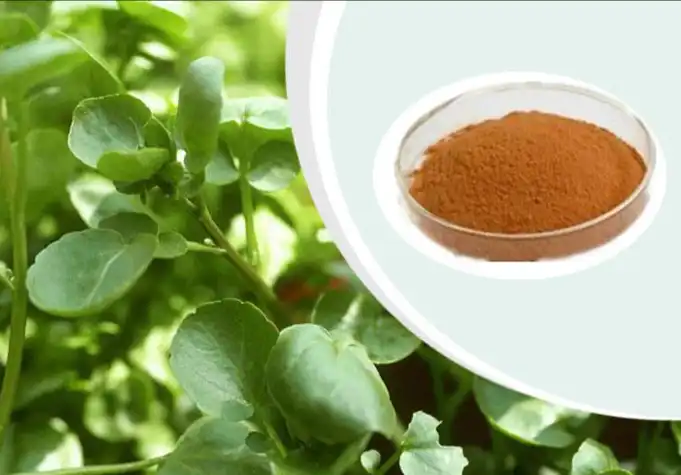
Watercress Extract has emerged as a strategic ingredient choice for manufacturers developing contemporary wellness solutions. Gluconasturtiin and Phenethyl Isothiocyanate (PEITC) are two powerful phytochemicals that are found in this compressed plant. They give antioxidants and cell defences that raw watercress can't match. The extract format solves important manufacturing issues, such as the unstable nature of bioactive chemicals, problems with seasonal supply, and limits on quantity. This makes it perfect for people who are making products and need ingredients that have been proven by science to stay stable on the shelf. People in charge of buying things know that watercress extract powder is a good way to stand out in the health market, which is already very crowded.
Understanding the Health Benefits of Watercress Extract
Foods made from watercress are good for you because they contain many chemicals and nutrients that are good for you. They are the best choice for formulators who want to focus on immunity and digestive health because of this.
Rich Nutritional and Antioxidant Profile
This powder, made from watercress extract, concentrates the healthy part of Nasturtium officinale into a steady, uniform form. Minerals like calcium, iron, and manganese are taken out during this process. Vitamins K, C, and A are also eaten. Antioxidants like quercetin, lutein, and kaempferol are great at getting rid of free radicals. This is more important because it keeps them around. The American Journal of Clinical Nutrition did a study that showed people who ate watercress had 22.9% more antioxidants in their blood. Healthy food is the only way to get these benefits. But concentrated extracts give you them at levels that are good for you. This solves a big problem for makers of nutraceuticals when it comes to form.
Clinical Evidence for Immune and Anti-Inflammatory Support
Several peer-reviewed studies show that chemicals from watercress can change the way inflammation works. The glucosinolate-isothiocyanate system turns on Phase II detoxification enzymes, such as glutathione S-transferases. These enzymes reduce oxidative stress and help the immune system stay strong. A study published in 2013 in the British Journal of Nutrition showed that athletes who took watercress supplements had 20.3% less DNA damage from exercise. This suggests that watercress may have protective effects that are useful for sports nutrition and recovery formulas. These well-documented methods give research and development teams the chance to make claims that can be backed up. This helps products stand out in the supplement market while still meeting government standards for scrutiny.
Applications in Skin Health and Weight Management
Watercress Extract is good for your physical health, but it is also good for your skin and metabolism. The plant has R-spondin 1 signaling molecules that affect hair follicle renewal. This makes it useful for cosmetics that aim to increase hair growth. The Journal of Nutritional Biochemistry reports that its isothiocyanate content helps thermogenic pathways and glucose metabolism regulation. When buying for cross-category brands, procurement specialists can use these properties, which can be used for more than one thing, to create cohesive product ecosystems that include everything from ingestible beauty supplements to serums that are put on the skin. This saves money on ingredients and makes the supply chain more efficient.
Comparing Watercress Extract Types and Quality Parameters
By looking through the technical details of the different types of Watercress Extract that are available, procurement teams can match the qualities of the ingredients with the designs and performance needs of specific products.
Concentrated Extracts Versus Powder Forms
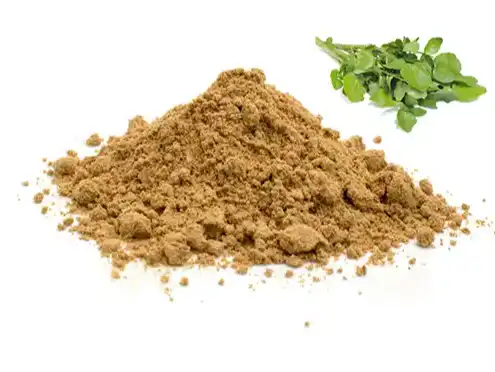
Watercress Extract powder usually has concentration ratios between 10:1 and 50:1. This means that between 10 and 50 kg of raw material make up 1 kg of finished extract. Higher amounts make them more powerful, but they need to be carefully managed for safety because they contain more glucosinolates. Standardized extracts list the lowest amounts of marker chemicals like gluconasturtiin (often ≥1%) or total flavonoids (≥3%). This makes sure that each batch is the same, which is important for GMP compliance. Spray-dried powders are better for sealing lines because they flow more easily, while freeze-dried powders keep heat-sensitive chemicals safe but cost more. Quality assurance managers can make sure that specifications are met by matching manufacturing skills with the goal dosage forms when they understand these differences.
Delivery Formats and Stability Considerations
The physicochemical properties of Watercress Extract powder have a direct effect on how well a formulation works. Particle size (usually 95% passing 80 mesh for even mixing), bulk density (0.40–0.60 g/ml, which affects capsule fill weight), and moisture content (≤5%, which stops microbes from growing) are some of the most important factors. Functional drinking uses are possible with water-soluble extract forms, but stability testing in acidic pH conditions is necessary. Encapsulated formats keep volatile isothiocyanates from breaking down, which increases the shelf life from 18 to 36 months when kept below 25°C in packaging that blocks moisture. When evaluating suppliers, technical formulators should ask for accelerated stability data and HPLC chromatograms to make sure that active compounds will be kept in the product for as long as it is expected to last.
Organic Certifications and Purity Benchmarks
Verified approvals that cover both farming methods and processing standards are the first step in following the rules. Organic approval from the USDA or the EU proves that crops were grown without using synthetic chemicals, which natural product brands like. Heavy metal testing (lead <3 ppm, arsenic <2 ppm, mercury <0.1 ppm) is more important for aquatic plants because it checks for bioaccumulation risks that come with growing watercress in water that is polluted. Suppliers you can trust give you Certificates of Analysis that show microbial limits (total plate count <10,000 CFU/g), residual solvent testing (ethanol <5,000 ppm per USP standards), and pesticide screening for more than 500 compounds. To protect the brand's image and customer safety, purchasing managers should make these purity levels non-negotiable requirements for suppliers.
Practical Guide to Procurement: Buying Watercress Extract in Bulk
To make good buying plans, you need to know how markets work and what suppliers can do across global plant ingredient networks. This way, you can make sure that quality is maintained while also cutting costs.
Identifying Reliable Wholesale Suppliers
The supply chain for Watercress Extract is centered on specialized plant ingredient producers working with controlled farming partners. Chinese suppliers make up most of the production volume because they have invested in infrastructure for aquaculture and extraction technology. When procurement teams look at possible partners, they should check that the facilities are registered for Good Manufacturing Practice (GMP), ask for audit reports from third-party certification groups like NSF or SGS, and see if the partners can provide technical help beyond just fulfilling orders. Kingherbs Limited is a good example of this all-around approach because it uses vertical integration to keep track of everything, from choosing seeds at partner planting bases to delivering the finished product. This gives them a level of traceability that other traders can't match.
Pricing Models and Minimum Order Quantities
The price of Watercress Extract varies a lot depending on the concentration ratio, the difficulty of standardization, and whether it is organic. For 10:1 ratios, bulk prices are usually between $35 and $95 per kilogram. For standardized extracts with verified marker compounds, prices go from $120 to $280 per kilogram. Most of the time, the minimum order quantity is 25 kilograms, but it can go up to 100 kilograms for unique preparations that need specific production runs. With big agreements and flexible payment terms, you have more negotiating power. Smart ways to buy things include asking for small amounts (usually 100 to 500 grams) to be tested for quality before placing large orders. This lowers the financial risk during the seller approval stages.
Logistics and Regulatory Compliance
International exports of botanical ingredients need to be coordinated across a number of different legal systems. For ingredients in dietary supplements that are registered with the US Food and Drug Administration, you have to file a Prior Notice. For plant materials, Customs and Border Protection makes sure you follow the Lacey Act. Expert sellers take care of paperwork like Phytosanitary Certificates, Commercial Invoices with harmonized tariff numbers (usually 1302.19 for plant products), and scientific dossiers that support GRAS (Generally Recognized as Safe) status. Lead times for normal specifications are 30 to 45 days, but for stock items, known suppliers with US-based inventory can cut shipping times to 3 to 5 working days. Some types of packaging include fiber drums with desiccants inside aluminum foil bags. This keeps wetness out and stops photodegradation while the goods are being shipped and stored.
How Watercress Extract Fits into Modern Wellness Product Lines
The need for plant-based functional ingredients is changing the priorities for product development in the nutraceutical, food, and cosmetics industries. This is creating strategic opportunities for formulations derived from watercress.
Emerging Market Trends and Consumer Expectations
The global herbal supplement market is expected to grow by 8.3% per year until 2030. This is because people want to buy ingredients that have been used for a long time and have been proven to work by modern science. The use of watercress in cooking for hundreds of years and new research on glucosinolate bioactivity both work in its favor. Consumer impression studies show that botanical extracts do better in clean label standards because known ingredient names are more important than synthetic chemicals. Younger generations are especially interested in stories about ecology, which makes aquatic cultivation's smaller impact on land a viable differentiator. Brands that use Watercress Extract powder in their products can take advantage of these trends by telling honest stories about how the powder is grown and how it works bioactively.
Formulation Insights Across Product Categories
Watercress Extract is adaptable to a variety of delivery methods. Its fine particle size and ability to be compressed make it useful for tablet formulas. Usually, 200–500 mg are added per dose. Functional drinks need different kinds of water-soluble extracts, but the naturally bitter taste can be hidden by adjusting the pH and masking the taste. Antioxidant benefits in serums at concentrations of 1% to 3% are used in cosmetics, and the ability to dissolve in water makes stable emulsions possible. In the new field of animal nutrition, performance benefits in poultry and aquaculture feeds have been suggested by early research. Different uses need different stability tests, like exposing tablets to moisture, beverages to heat, and cosmetics to preservation systems. This shows how important it is for suppliers to offer more than just selling ingredients.
Safety Parameters and Regulatory Positioning
Although Watercress Extract has great safety ratings, making responsible products means following the rules that have already been set. Generally Recognized as Safe (GRAS) status for food applications sets the rules, but Good Manufacturing Practices for dietary supplements require identity testing and contaminant screening. Based on traditional use levels and preclinical research, the daily dose range for standardized extracts is usually between 300 mg and 1000 mg. Pregnancy (because there aren't enough safety data), hypothyroidism (because high doses can cause goitrogen problems), and anticoagulant medication interactions (because of the vitamin K content) are all reasons why it shouldn't be used. Technical formulators should think about these things when writing the labels for their products and work with regulatory experts to make sure they follow FDA structure-function claim rules and FTC advertising justification standards.
Making the Decision: Why Choose Watercress Extract Over Alternatives?
Comparative ingredient review needs a methodical look at data on effectiveness, quality consistency, and the dependability of the supply chain to support choices about what to buy and how much money to spend.
Comparative Effectiveness Versus Other Botanicals
Compared to other cruciferous extracts, Watercress Extract powder has a wider range and higher concentration of isothiocyanates. Broccoli products usually contain sulforaphane as the main bioactive ingredient, while watercress gives PEITC with unique Phase II enzyme activation profiles. A study published in the journal Cancer Prevention Research showed that PEITC can block certain enzymes that activate cancer-causing substances in a way that sulforaphane cannot. This suggests that PEITC and sulforaphane work together instead of against each other. Compared to kale or spinach extracts, watercress concentrate has more vitamin K (312 mcg per 100g fresh weight) and is better at getting rid of free radicals in ORAC tests. These differences in performance let formulators make unique products that target detoxification pathways in a way that regular green vegetable powders can't.
Quality Benchmarks and Testing Protocols
Supplier dependability depends on clear quality systems that record information at the batch level. Some important testing methods are HPLC fingerprinting to make sure that phytochemical profiles match reference standards, USP methods for testing microbes, and ICP-MS instruments for heavy metal analysis. Advanced sellers offer component bands that show the full phytochemical makeup. This lets R&D teams guess how ingredients will behave in complicated mixtures. Validation by ISO 17025-accredited laboratories adds credibility, especially when suppliers keep certifications like ISO 9001 (quality management), HACCP (food safety), or Kosher/Halal for certain market needs. Before accepting a shipment, procurement checklists should require a review of the Certificate of Analysis to make sure that the specifications match what was agreed upon in the purchase agreement and what was promised by regulators.
Sustainability and Future Supply Considerations
The fact that watercress is grown in water has benefits for both ecology and the supply chain. Hydroponics and aquaponics systems reuse water resources and lower the amount of land used for farming. This is in line with environmental, social, and governance (ESG) factors that are becoming more important to companies when they buy things. If climate change changes the amount of water that is available, it could affect long-term water security. To reduce risk, it is important to find different suppliers and be open about your partnerships. Innovative producers are looking into biofortification methods that increase the amount of glucosinolates in an extract by exposing it to controlled stress. This could make the extract more effective and cheaper. Procurement managers should talk to sellers about farming methods, managing water sources, and making backup plans to make sure there is a steady supply that meets product launch deadlines and market promises.
Conclusion
Watercress Extract powder is a scientifically proven and widely viable ingredient that can help with a lot of different health issues because it has a high concentration of phytochemicals and can be used in a lot of different ways. Researchers have found that the plant's protective properties, ability to change the immune system, and many other uses make it useful for product makers who want to stand out in competitive markets. To make a good purchase, you need to pay attention to both the technical details (like concentration ratios, standardization markers, and stability parameters) and the details of the suppliers (like quality systems, regulatory compliance, and technical support capabilities). As the need for plant-based useful ingredients keeps growing, Watercress Extract is a smart addition to your product line. It has a history of use, is supported by modern research, and is grown in a way that meets the needs of a changing market.
FAQ
What makes watercress extract more effective than consuming fresh watercress?
Bioactive chemicals like PEITC and gluconasturtiin can be delivered in medicinal doses by concentrated extracts that would be impossible to get from large amounts of fresh watercress. Isothiocyanates that are volatile and easily broken down in their raw form are stabilized by extraction processes. This keeps the product's potency stable over its shelf life. The powder form gets rid of the problems that come with weather and the microbial risks that come with growing plants in water.
How should watercress extract powder be stored to maintain potency?
Keep it in sealed containers below 25°C and out of direct sunlight as much as possible. The best way to do this is in aluminum foil bags with desiccant packets inside fiber drums. Stay away from places with a lot of heat because they speed up the breakdown of glucosinolate. Quality extracts keep their 90%+ strength for 24–36 months if they are stored properly. Ask sources for stability data that show how long the marker ingredient stays in solution over time.
Which certifications should I prioritize when selecting suppliers?
Put GMP facility registration, organic certifications (based on USDA or EU standards), and ISO 9001 quality management systems at the top of your list of priorities. Reports on heavy metal testing and pesticide screening are very important for aquatic plants. Proof from a third party, like NSF, SGS, or a similar group, makes something more trustworthy. Documentation of GRAS status helps with regulatory compliance for food and supplement uses in North American markets.
Partner with KH for Premium Watercress Extract Supply
Finding botanical ingredients takes more than just business relationships. For product development to go smoothly, there needs to be technical partnership and supply chain transparency. As a company that has been making Watercress Extract since 1996, KH offers full traceability through relationships with controlled growing bases. This makes sure that the active ingredients are real from the time the seeds are chosen until they are extracted. Our natural processing method only uses water or food-grade ethanol, never any dangerous solvents. This makes extracts with better color clarity and quick dissolution properties, which make it easier to make new products. Each batch has thorough HPLC component spectra and batch-level documentation that meet USP and EP compliance standards. This meets quality assurance needs right away.
In addition to providing ingredients, KH also acts as your professional partner by providing application laboratory tools that help you improve the formulation of beverages, tablets, cosmetics, and soft capsules. We can fill small-batch sample orders and have stock items delivered in 3–5 business days. This lets you test the quality quickly before going to full production. Custom compounding lets you change ratios and make special standardizations that fit with your strategy for differentiation. Get in touch with our purchasing team at info@kingherbs.com to talk about your Watercress Extract needs and get full technical support that turns finding ingredients into a competitive advantage.
References
1. Gill, C.I., Haldar, S., Boyd, L.A., Bennett, R., Whiteford, J., Butler, M., Pearson, J.R., Bradbury, I., & Rowland, I.R. (2007). Watercress supplementation in the diet reduces lymphocyte DNA damage and alters blood antioxidant status in healthy adults. American Journal of Clinical Nutrition, 85(2), 504-510.
2. Fogarty, M.C., Hughes, C.M., Burke, G., Brown, J.C., & Davison, G.W. (2013). Acute and chronic watercress supplementation attenuates exercise-induced peripheral mononuclear cell DNA damage and lipid peroxidation. British Journal of Nutrition, 109(2), 293-301.
3. Rose, P., Huang, Q., Ong, C.N., & Whiteman, M. (2005). Broccoli and watercress suppress matrix metalloproteinase-9 activity and invasiveness of human MDA-MB-231 breast cancer cells. Toxicology and Applied Pharmacology, 209(2), 105-113.
4. Hecht, S.S., Carmella, S.G., & Murphy, S.E. (1999). Effects of watercress consumption on urinary metabolites of the tobacco-specific lung carcinogen 4-(methylnitrosamino)-1-(3-pyridyl)-1-butanone in smokers. Cancer Epidemiology, Biomarkers & Prevention, 8(10), 907-913.
5. Syed, A.H., Xie, D., Le, K., & Gan, R.Y. (2020). Watercress: Nutritional and health-promoting properties with a focus on functional ingredients and biological activities. Journal of Agricultural and Food Chemistry, 68(42), 11519-11532.
6. Martínez-Sánchez, A., Gil-Izquierdo, A., Gil, M.I., & Ferreres, F. (2008). A comparative study of flavonoid compounds, vitamin C, and antioxidant properties of baby leaf Brassicaceae species. Journal of Agricultural and Food Chemistry, 56(7), 2330-2340.
Send Inquiry

Related Industry Knowledge
- What Should You Check Before Buying Lotus Leaf Extract?
- Benefits of astaxanthin - nature's most powerful antioxidant
- What Makes Macleaya Cordata Extract a Competitive Ingredient?
- What Makes Valerian Root Extract Powder So Effective?
- Does Watermelon Powder Boost Immune Function?
- Can Vine Tea Extract Help Regulate Blood Sugar?
- Polygonum Cuspidatum Extract for Comprehensive Wellness Solutions
- Premium Watermelon Powder for Functional Beverage Formulas
- Lespedeza Capitata Extract: Targeted Botanical for Urinary Wellness
- How Polygonum Cuspidatum Extract Supports Heart Health Naturally?