_1762508637542.webp)
What Should You Check Before Buying Lotus Leaf Extract?
Aug 10, 2026
When sourcing botanical ingredients for nutraceutical or functional food formulations, choosing the right Lotus Leaf Extract requires careful evaluation of multiple critical factors. Procurement managers must verify standardized active ingredient content, particularly nuciferine levels ranging from 1% to 98% and flavonoid concentrations between 5% and 10%. Additionally, confirming extraction solvent safety, examining third-party analytical certifications, assessing supplier traceability systems, and reviewing batch-level documentation are essential steps. Understanding these quality parameters protects product integrity, ensures regulatory compliance, and supports formulation consistency across production runs.
Understanding Lotus Leaf Extract: Key Benefits and Uses
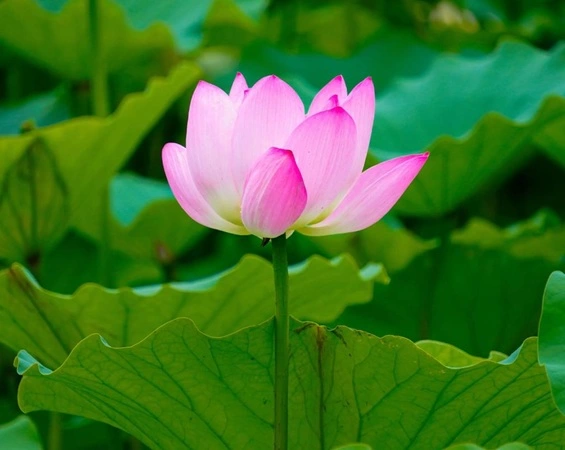
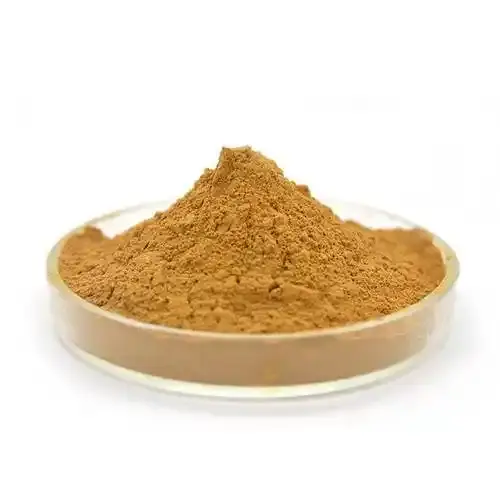
Lotus Leaf Extract comes from the leaves of Nelumbo nucifera Gaertn., a plant that has been used for hundreds of years in traditional Asian medicine to help people stay healthy. Today, advanced techniques for extracting it concentrate its bioactive chemicals, mostly the alkaloid nuciferine and several flavonoids, into a fine brown powder that can be used in a wide range of industrial settings. More and more people want natural products that help metabolism and are high in antioxidants. This standardized ingredient meets that need.
There is scientific evidence that the alkaloids in this plant product stop pancreatic lipase and amylase enzymes from working. This stops the intestines from absorbing fats and starches from food. Its role in supporting good blood lipid levels and glucose metabolism has been confirmed by research published in peer-reviewed journals. Because of these ways it works, the extract is very useful for making weight loss supplements, metabolic health products, and heart health products.
The extract's antioxidant properties make it a good choice for developing functional drinks in addition to dietary supplements. Its natural flavor and biological stability make it a good ingredient for health teas and drinks that speed up metabolism. More and more, cosmetic companies are using it in anti-aging products, using the flavonoid content to fight oxidative stress and help the skin's barrier function.
This plant ingredient can be used in a lot of different ways. Dietary supplement companies put it in pills, tablets, and health powders that help people lose weight and speed up their metabolism. Nutraceutical companies mix it with plants that work well together, like Garcinia cambogia or green tea extract, to make metabolic products that work better together. Integrators of functional beverages like that it can be processed using heat and stays stable up to 120°C.
The protective qualities of the extract make it appealing to makeup and personal care brands that focus on natural antioxidants and clean beauty. Traditional herbal medicine makers like that it fits with tried-and-true ways of making medicines. Animal nutrition companies are looking into how it could be used to improve the metabolism of feed for livestock and pets.
Critical Factors to Evaluate Before Buying Lotus Leaf Extract
When choosing suppliers for botanical ingredients, procurement specialists have to make hard choices. Lotus Leaf Extract from different sellers can vary in quality, which can have a big effect on how well a formulation works and how well it meets legal requirements. Knowing the important criteria for evaluation lowers the risks in the supply chain and makes sure that products always work well.
Standardization and Active Ingredient Verification
Standardized active material is the most important criterion to look at. Extracts from reputable suppliers are standardized to certain nuciferine concentrations that can be checked through HPLC analysis. Ratio extracts, like 4:1 or 10:1, show concentration levels but aren't very accurate when it comes to bioactive compounds. Standardized extracts with known amounts of nuciferine make preparation results more reliable.
Buyers should ask for Certificates of Analysis (CoAs) for every production batch. These show the amounts of active ingredients, fluids, heavy metals, chemical residues, and microbes present. The accuracy is affected by the test methods used, such as HPLC or UV spectroscopy. Compared to UV methods, which may measure a wider range of compounds, HPLC is better at measuring alkaloid levels.
Extraction Solvent Safety and Purity
The extraction process has a big effect on both the safety and effectiveness of the ingredients. The best ways to remove are with water or food-grade ethanol, because they don't leave behind any toxic solvents that could make regulatory approval harder to get. Some manufacturers use hexane or acetone-based processes that might leave residues that need to be cleaned up thoroughly.
Grades that dissolve in water are good for use in drinks and liquid delivery systems. Grades that are extracted with ethanol have higher alkaloid amounts and are good for packaging. It is important for procurement teams to check that the solvent specifications in the seller paperwork are correct and that the testing methods for residual solvents meet USP or EP pharmacopoeia standards.
Raw Material Traceability and Sourcing Transparency
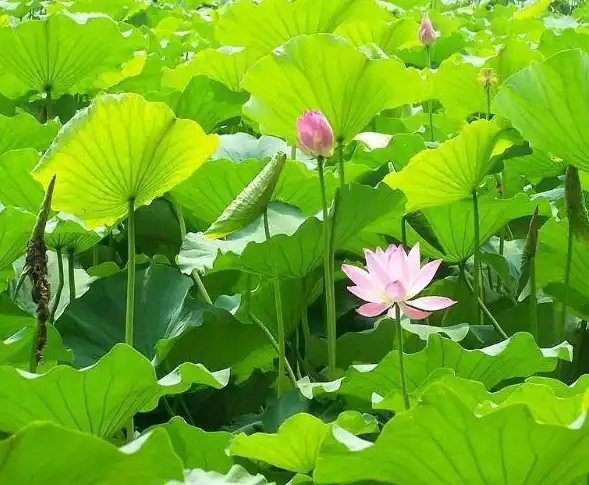
Quality starts with growing the plants. Traceability is better with suppliers who have direct connections to controlled planting bases than with middlemen who get their supplies from different places. Phytochemical profiles depend on where the plants come from, and active compound amounts are affected by things like the soil's makeup, the quality of the water, and the time of gathering.
Organic approval isn't required, but it shows that farmers are following pesticide-free farming methods. This is especially important for water plants like lotus that can take in pollutants from water sources. Suppliers should keep track of the harvest areas, farming methods, and handling steps that happen after the harvest that affect the quality of the raw materials.
Physical Characteristics and Formulation Compatibility
The way Lotus Leaf Extract looks and feels has a direct effect on how efficiently it is made. High-quality extracts come in the form of a fine brown powder with evenly spaced particles that make it easy to mix them into solid dosage forms. Low hygroscopicity stops the absorption of water that leads to caking in pill formulas, which keeps them stable for longer.
How well packaging works and how accurate dosing is in automatic production systems are both affected by bulk density. When suppliers give formulation scientists technical data sheets with full physical specs, they can guess how ingredients will behave during processing. Different delivery methods, like tablets, capsules, drinks, and topical treatments, have different needs when it comes to solubility factors.
Comparing Lotus Leaf Extract with Other Popular Botanicals
The botanical extract market has a lot of different metabolic support ingredients, and each one works in a different way and has a different place in the market. Knowing how Lotus Leaf Extract stacks up against other options helps purchasing teams make smart choices that are in line with product development plans.
Green Tea Extract: Complementary Mechanisms
The metabolic support group is dominated by green tea extract, which is mainly standardized for its catechin content, especially EGCG. Both plants have antioxidant properties, but they do so in very different ways. Green tea mostly works by increasing thermogenesis and having a small amount of caffeine. Lotus Leaf Extract, on the other hand, works by stopping stomach enzymes from doing their job without stimulating the central nervous system.
Formulators often mix these products because they work well together. For example, green tea speeds up the metabolism while Lotus Leaf Extract slows down the intake of nutrients. This mix helps you control your weight in two different but related ways. Green tea extracts usually cost less per kilogram, but you have to use more of them for them to work, which could cancel out any price advantages at first.
Garcinia Cambogia: Alternative Lipid Pathway
Standardized hydroxycitric acid (HCA) from Garcinia cambogia stops an enzyme called citrate lyase from doing its job, which is to make fatty acids. Lotus Leaf Extract's lipase inhibition, which lowers the uptake of food fats, works in a different way. The clinical evidence for Garcinia is still less clear, with mixed study results making it harder for regulators in some markets to accept it.
Lotus Leaf Extract has been used for a long time and is now being proven to work in clinical trials. This makes it a better marketing tool for companies that value cultural heritage and tried-and-true botanicals. Prices for Garcinia vary a lot depending on how much HCA it contains, with high-potency types getting close to the same price as Lotus Leaf Extract.
Moringa Leaf Extract: Nutritional Profile Contrast
Moringa is mostly thought of as a plant that is high in nutrients, not as a specific metabolic regulator. Lotus Leaf Extract's high concentration of alkaloids makes it good for weight loss programs because it has a wide range of micronutrients that are good for general health. The two products meet different customer needs and don't usually go up against each other in terms of how they are made.
According to market research, people are looking for condition-specific plants more than general nutritional products. For example, Lotus Leaf Extract is preferred for metabolic uses. Lotus Leaf Extract's softer flavor profile can help with formulation, but Moringa's strong flavor may make it less useful in beverage uses.
Choosing the Right Supplier: What B2B Buyers Must Check
Choosing the right supplier affects the long-term success of buying, going beyond the quality of the first ingredients. Building relationships with makers that show they are committed to operating quality, following the rules, and providing technical support is the best way to make sure that supply chains last and can adapt to changing market needs.
Certification Portfolio and Quality Systems
Full approval shows that the provider has put money into building up good infrastructure. ISO 9001 certification means that quality management systems have been in place for a while and have clear processes and rules for ongoing growth. FSSC 22000 is all about managing food safety, which is very important for items that go into supply lines for human consumption.
Religious certifications like KOSHER and HALAL make it easier for brands that want to reach certain groups of people to get into new markets. Systematic risk analysis is done throughout the production process, and HACCP certification proves it. While FDA registration does not mean that a product is approved, it does show that a company is willing to operate in a way that is visible to U.S. regulators.
Buyers should check the validity of the certificate using the databases of the issuing body and make sure that the scope of coverage includes the product categories that are important to their purchasing needs. Annual surveillance audits keep the certification valid—ask for recent audit reports that show ongoing compliance.
Third-Party Testing and Analytical Capabilities
In addition to supplier-generated CoAs, independent laboratory verification provides unbiased quality confirmation. Suppliers who work with approved third-party labs show that they are honest and confident in their products' quality. Testing facilities that are ISO 17025 certified use globally accepted analytical methods to make sure the results are reliable.
Advanced suppliers keep their own analytical tools, such as HPLC systems for measuring alkaloid levels, so they can quickly release batches and help with formulation problems. Having access to detailed analytical reports with chromatograms and spectral data helps R&D teams develop new methods and study how stable existing ones are.
Minimum Order Quantities and Commercial Flexibility
MOQ rules have a big effect on how efficiently Lotus Leaf Extract goods are bought, especially for small businesses and brands that are trying out new formulas. Suppliers who give sample orders and small trial orders make it possible to develop a product without spending a lot of money on it before committing to large amounts. As a standard in the industry, the 25 kg drum is a good business MOQ that strikes a good balance between buyer freedom and production efficiency.
Different needs for speed and volume can be met by different types of transportation, such as courier, air freight, and ocean shipping. Lead times are affected by whether the product is ready to ship or is made to order. Suppliers who keep popular specs in stock can complete orders faster, which is important for meeting launch dates and avoiding stock-outs.
Technical Support and Application Expertise
In addition to providing ingredients, value-added professional services set strategic partners apart from transactional providers. Suppliers with application laboratories help with formulation, stability testing, and checking for compatibility across a range of delivery systems, such as tablets, capsules, drinks, and topical creams.
R&D teams can better understand full phytochemical profiles beyond standard markers when they have detailed data of HPLC component spectra. For buyers who don't have their own compounding services, custom compounding services that make specific ratio mixes or combine plants that work well together speed up product development and make formulations less complicated.
Procurement Best Practices and Compliance Guidelines
To buy organic ingredients from other countries, you need to know how to deal with complicated rules and follow quality control procedures that protect the whole supply chain, from growing the plants to distributing the finished product.
Regulatory Compliance Across Key Markets
Botanical extracts are considered food ingredients in the United States, and suppliers must follow the Good Manufacturing Practice standards found in 21 CFR Part 111. Finished product makers are mostly responsible for following the rules, but they need ingredient suppliers who also follow the rules to have supply chains that can be defended.
Novel Food Regulations and the Traditional Herbal Medicinal Products Directive make the rules for selling food in the European Union tighter. Buyers who sell in the EU must make sure that their suppliers show proof of either a history of traditional use or Novel Food authorization. The limits on heavy metals, especially lead and arsenic, are getting stricter all over the world.
For example, full specs, CoAs, allergen statements, GMO status declarations, BSE/TSE compliance letters, and country of origin certificates are all things that need to be documented. When suppliers offer full regulatory support packages, buyers don't have to worry as much about following the rules, and it's easier to clear customs when sending goods across foreign borders.
Quality Assurance and Batch Testing Protocols
Strong quality programs set up multiple points of check during the buying and making processes. Before letting materials go into production, testing of incoming ingredients makes sure that seller CoAs are correct. Batch-to-batch formulation drift can be stopped by setting standards with acceptable values for key parameters.
Accelerated stability testing can predict how well a product will last on the shelf and help you figure out the best way to store it. Keep samples from every production batch so that you can look back at them if there are problems with the quality of the end goods. Formalizing vendor management includes supplier qualification programs that include facility checks, capability reviews, and performance scorecards.
Sustainability and Ethical Sourcing Considerations
Demand for botanicals that are sourced clearly is driven by rising customer knowledge and standards of business social responsibility. Sustainable harvesting methods protect aquatic ecosystems where lotus cultivation takes place and make sure that raw materials are always available. Pesticide-free farming that leads to organic approval means less damage to the earth.
Even though Fair Trade recognition isn't as popular for botanical ingredients as it is for agricultural goods, it shows that you care about fair pay for farming communities. Suppliers who offer sustainability paperwork like social responsibility audits and assessments of the company's impact on the environment are in line with ESG initiatives, which are becoming more and more important to the brand's reputation and its relationships with investors.
Conclusion
To successfully purchase Lotus Leaf Extract, you need to do a lot more research than just comparing prices at first. Buyers who care about quality put a high value on standard active content proof, extraction solvent safety, source approvals, and being able to track down raw materials. By comparing this botanical to other options, development strategies can be made more effective, and by carefully choosing a provider, long-term business success can be ensured. Consumer safety and brand reputation are protected by following strict quality assurance protocols and following the rules set by regulators. The metabolic health market is growing, and brands that use high-quality botanical products that have been scientifically proven and have clear supply chains can make a lot of money.
FAQ
1. Is long-term use of Lotus Leaf Extract safe?
Clinical studies show that properly standardized extracts have good safety profiles when used in the right amounts. Animal models used in toxicology studies don't show any major negative effects at amounts many times higher than what humans would normally eat. But buyers need to make sure that the products they get meet pharmacopoeia quality standards and are free of heavy metals and microbes that could be harmful to your health if you use them for a long time. It is still very important to get the right dosage advice based on standardized active content.
2. How can I verify supplier legitimacy and product authenticity?
Legitimate suppliers easily give out full certification portfolios that include GMP, ISO 9001, and product-specific CoAs with test results that can be checked. Ask independent certification groups to do facility audits and check the validity of the certificate by searching the records of the organization that issued it. Reliable providers let customers visit their facilities and keep conversation about the production process open and honest. Testing by a third party in separate labs makes sure that the claimed specs are accurate.
3. What are typical lead times for bulk orders?
Lead times depend on the size of the order, the level of customization needed, and how well the supplier manages their inventory. Items that are already in stock usually ship within three to five business days for trial sizes. For commercial sales over 25 kg, it normally takes one to two weeks to prepare the paperwork and set up the logistics. Depending on how complicated the formula is and how many tests need to be done, custom formulations or specific ratio blends may take an extra three to four weeks.
Partner with KH for Premium Lotus Leaf Extract Supply
To get botanical ingredients, you need people with a lot of knowledge who are dedicated to quality greatness and customer success. KH (Kingherbs Limited) has been a leading manufacturer of Lotus Leaf Extract for more than 25 years, working with cosmetic formulators, nutraceutical companies, and brands of dietary supplements around the world. Our supply chain is vertically linked, so you can track everything from the controlled planting bases to the delivery of the finished product. This makes sure that the strength and purity of the product are always the same.
We know what buying managers and R&D leaders have to deal with when it comes to technology. That's why we include detailed HPLC analytical reports with every batch, have flexible MOQ options that include sample sizes for product development, and keep a lot of stock on hand so that we can ship quickly. Only pure water or food-grade ethanol is used in our extraction methods. This ensures that the ingredients we provide are safe and naturally pure, meeting both USP and EP standards. In addition to providing ingredients, our application laboratory also helps with formulation optimization, stability testing, and making compounds that are exactly what you need. Talk to our scientific team at info@kingherbs.com about your Lotus Leaf Extract needs and see how KH differs from other companies that work with plant ingredients.
References
1. Liu, S., Li, D., Huang, B., Chen, Y., Lu, X., & Wang, Y. (2013). "Inhibition of pancreatic lipase, α-glucosidase, α-amylase, and hypolipidemic effects of the total flavonoids from Nelumbo nucifera leaves." Journal of Ethnopharmacology, 149(1), 263-269.
2. Ono, Y., Hattori, E., Fukaya, Y., Imai, S., & Ohizumi, Y. (2006). "Anti-obesity effect of Nelumbo nucifera leaves extract in mice and rats." Journal of Ethnopharmacology, 106(2), 238-244.
3. Kashiwada, Y., Aoshima, A., Ikeshiro, Y., Chen, Y. P., Furukawa, H., Itoigawa, M., & Lee, K. H. (2005). "Anti-HIV benzylisoquinoline alkaloids and flavonoids from the leaves of Nelumbo nucifera, and structure-activity correlations with related alkaloids." Bioorganic & Medicinal Chemistry, 13(2), 443-448.
4. Mukherjee, P. K., Mukherjee, D., Maji, A. K., Rai, S., & Heinrich, M. (2009). "The sacred lotus (Nelumbo nucifera) - phytochemical and therapeutic profile." Journal of Pharmacy and Pharmacology, 61(4), 407-422.
5. Nguyen, V. Q., Eun, J. B., & Decker, E. A. (2018). "Antioxidant activities and lipid oxidation stability of lotus (Nelumbo nucifera) leaf extract in salad dressing." Food Science and Biotechnology, 27(3), 717-725.
6. Zhu, M. Z., Wu, W., Jiao, L. L., Yang, P. F., & Guo, M. Q. (2015). "Analysis of flavonoids in lotus (Nelumbo nucifera) leaves and their antioxidant activity using macroporous resin chromatography coupled with LC-MS/MS and antioxidant biochemical assays." Molecules, 20(6), 10553-10565.
Send Inquiry
Related Industry Knowledge
- Why Choose ISO-Certified Cocoa Seed Extract Suppliers?
- Why Is Melissa Officinalis Extract Popular in Wellness Products?
- How to Select Artemisinin Powder for Custom Formulations?
- Nettle Extract Powder: What It Is, Benefits, Dosage, and Sources
- Can Rose Hip Extract Powder Support Natural Skin Radiance?
- How Fast Does Bitter Melon Extract Powder Deliver Benefits?
- The Surprising Health Benefits of Nettle Extract Powder and the Various Forms that you Can Find it
- White Willow Bark Extract Powder Benefits: Nature’s Time-Tested Remedy for Resilience and Relief
- Cortex Phellodendri Powder: Benefits, Uses, and Dosage
- How Valerian Root Extract Powder Enhances Deep Restful Sleep?