_1762508637542.webp)
Why Choose Scutellaria Baicalensis Extract? A Buyer’s Guide for Sourcing
Sep 8, 2026
Choosing Scutellaria Baicalensis Extract requires careful evaluation of quality, supplier reliability, and application suitability. This bioactive ingredient, standardized for baicalin and baicalein content, addresses critical needs in nutraceuticals, cosmetics, and pharmaceuticals. As procurement managers and formulators face challenges securing consistent, traceable raw materials that meet regulatory standards, this guide provides actionable insights into sourcing strategies, quality benchmarks, and supplier selection criteria. Understanding these factors helps businesses mitigate risk, optimize formulation outcomes, and build stable supply chains that support long-term growth and product differentiation in competitive markets.
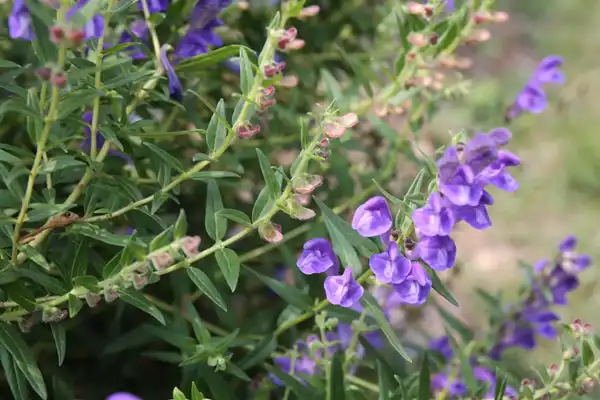
Evaluating Product Forms and Specifications for Different Applications
Picking the right type of Scutellaria Baicalensis Extract has a direct effect on how well the mixture works, how quickly it is made, and how well the finished product works. The extract comes in a number of standard forms, each of which is best for a different set of industrial uses and processing needs.
Powder Extract Specifications and Their Applications
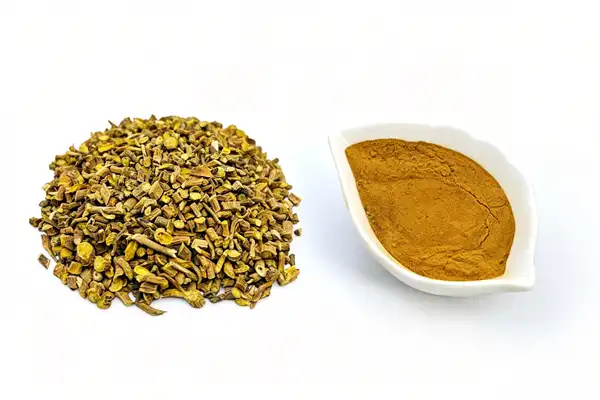
Ratio extracts at 4:1 and 10:1 ratios are cheap choices for producers who need middling levels of potency. These forms work well for making large amounts of supplements, where keeping costs down is just as important as making sure the supplements work. The 4:1 ratio means that one kilogram of extract is made from four kilograms of raw root material. This gives an accurate picture of all the beneficial chemicals found in the plant source. Standardized amounts of baicalin from 5% to 85% let formulators choose levels of strength that match product claims and goal doses. Extracts with lower concentrations (5% to 20%) work well in functional foods and supplements that combine several botanical ingredients in a way that makes them work better together. Concentrations in the 30% to 50% range help with specific therapeutic uses in anti-inflammatory and antioxidant products. High-purity baicalin extracts (80% to 85%) are used in pharmaceutical-grade processes that need accurate measurements of the active ingredient and regulatory paperwork. With a purity level of 98%, baicalein is the best grade for certain uses. Because it doesn't have the sugar molecule that baicalin does, this aglycone form is more bioavailable in lipid-based delivery methods. Cosmetic formulators who are making oil-phase serums and liposomal encapsulation systems like this specification because it helps the products get into the skin and into cells more effectively.
Physical Properties Impacting Formulation
The fine yellow powder's look is directly related to how pure it is and how well it was processed. The particles in premium-grade Scutellaria Baicalensis Extract are usually between 80 and 200 mesh, which ensures that they are evenly spread out in both water-based and semi-solid mixtures. The level of color strength, which ranges from light yellow to greenish-yellow, shows how much baicalin is present and how much chlorophyll is removed during cleaning. When formulating something, it's important to think carefully about how it will dissolve. Baicalin's stability changes depending on the pH level. It dissolves slowly in acidic solutions but easily in alkaline solutions and organic solvents like ethanol and DMSO. This property affects the choice of carrier in beverage formulations, where pH may need to be adjusted or solubilizing agents may be needed to keep the drink clear and stop precipitation during storage. It can withstand temperatures up to 80°C for short periods of time, which lets it be used in hot-pour methods that are popular in making gummies and making emulsions. However, long-term exposure to temperatures above this level or environments with a pH level of more than 8.0 causes oxidation, which changes the color from yellow to green or brown and may weaken the bioactive compound.
Comparative Advantages Over Alternative Botanicals
Scutellaria Baicalensis Extract is better at staying stable in water than turmeric extract (curcumin), and it doesn't mess with light colors as much. The strong yellow-orange color of turmeric makes it less useful in cosmetics that need clear or neutral-colored products. On the other hand, the lighter color of baicalin blends in better. Green tea extract (EGCG) is an antioxidant, but it doesn't have the anti-inflammatory effects that baicalin does by blocking the COX-2 and 5-LOX pathways. Formulators can make effective mixes where green tea helps with inflammation and Scutellaria Baicalensis Extract helps with catechins. This way, the activities of the two ingredients work together instead of against each other.
Sourcing Strategies: Finding Trusted Suppliers
To get Scutellaria Baicalensis Extract effectively, suppliers must be carefully evaluated using objective quality standards, legal compliance checks, and supply chain transparency assessments. The following criteria make it easier to find partners who can meet the standards of the cosmetics, nutraceuticals, and pharmaceutical industries.
Quality Certifications and Compliance Standards
Suppliers who want to sell to controlled markets must first get GMP (Good Manufacturing Practice) approval. This certification shows that controlled manufacturing processes, batch documentation protocols, and steps to stop contamination were followed. Facilities with GMP approval usually keep separate areas for production, cleaning methods that have been tested, and environmental tracking systems that lower the risk of cross-contamination.When looking for Scutellaria Baicalensis Extract for use in food and drinks, FSSC 22000 (Food Safety System Certification) becomes necessary. This standard combines the requirements of ISO 22000 with extra controls for food safety hazards. It makes sure that suppliers use organized ways to keep biological, chemical, and physical contamination from happening during production and storage. With KOSHER and HALAL certifications, buyers of supplements and food ingredients for religiously strict consumers can get into more markets. To get these certificates, the sources of the ingredients, the processing tools, and the cleanliness of the building must be checked by a third party to make sure they follow dietary laws. Suppliers who keep both certificates show that they are operationally flexible and committed to meeting the needs of a wide range of markets.
Traceability and Botanical Authentication
Where the Scutellaria Baicalensis Extract comes from has a big effect on its quality. Liaoning, Hebei, Henan, Gansu, Shaanxi, and Shanxi provinces are the best places to grow plants because they have the right conditions for baicalin to build up in the roots. When suppliers work directly with regional planting bases, they have more control over the cultivars they use, the composition of the soil, and when the crops are harvested. These are all factors that affect the concentrations of active ingredients and the botanical identity. End-to-end tracking tools keep track of the whole supply chain, from the field to the finished product. Advanced sellers give batch-specific paperwork like GPS data for planting, proof of harvest date, certificates for testing raw materials, and records of extraction and processing. This amount of openness lets buyers do due diligence checks and give good answers to regulatory questions or quality reviews. Botanical verification using DNA barcoding or microscopic analysis stops economically driven adulteration, which is when cheaper Scutellaria species or plants that are not related to Scutellaria baicalensis Georgi are used instead. Suppliers who offer third-party authentication reports show that they care about the integrity of their products in more ways than just providing basic chemical assay data.
Extraction Methods and Solvent Purity
The method used for extraction has a direct effect on the safety ratings and market placement of Scutellaria Baicalensis Extract. Products made with acetone, hexane, or other industrial solvents leave behind toxic solvent residues that can't be removed with water or food-grade ethanol. Clean extraction procedures back up clean-label marketing claims, which are becoming more important to health-conscious consumers and regulatory bodies that are putting in place tighter residual solvent limits. The best way to get bioactive compounds concentrated is to use pressurized hot water extraction followed by vacuum drying. This keeps compounds that are sensitive to heat intact. This way keeps the purity of the baicalin and baicalein throughout the processing process by avoiding the oxidative breakdown that comes with long-term high-temperature contact.
Pricing Structures and Cost-Efficiency Considerations
The price of Scutellaria Baicalensis Extract in bulk depends on a number of factors, such as the amount of baicalin present, the cost of approval, and the minimum order quantity. Standardized extracts of 80% to 85% baicalin usually cost more because they need to go through more steps of processing to get to pharmaceutical-grade purity. Suppliers who offer tiered prices based on volume agreements can save established manufacturers money when they know exactly how much they will need. A commitment to buy 100 kg every year could lead to price cuts of 15% to 20% compared to buying on the spot, which would be better for the formula's economics without affecting the quality standards. Samples are easy to get, and trial orders are flexible, which lowers the procurement risk for brands that are developing new formulas. When suppliers offer free 100g samples and take small-batch trial orders (1–5 kg), customers can fully test the compatibility of the products before committing to large-scale purchases with a 25 kg minimum order quantity.
Making Smart Purchasing Decisions for Your Business Needs
Technical experts and procurement managers need to make thorough evaluation models that take into account application-specific needs, provider abilities, and ways to lower risks. The structured method below helps organizations make the best choices about where to get Scutellaria Baicalensis Extract.
Defining Technical Requirements by Application Type
Manufacturers of nutraceuticals look for baicalin levels that have been checked using HPLC and have a stability level below 5% from batch to batch. Standardized extracts that meet the standards of the USP (United States Pharmacopeia) or EP (European Pharmacopeia) monographs give regulators trust and help back up health claims. Heavy metal screening (≤10 ppm), microbial limits testing, pesticide residue analysis, and moisture content verification (≤5.0%) should all be part of the Certificate of Analysis (CoA) paperwork. When the extract is used as an active ingredient in leave-on cosmetics, cosmetic formulators need more safety information, such as research on skin sensitivity, eye irritation, and how well the extract works as a preservative. The time it takes to get new products on the market is cut down by suppliers who offer full toxicological profiles and supporting paperwork for international cosmetic laws (FDA, EU Cosmetic Regulation 1223/2009). People who want to buy Scutellaria Baicalensis Extract as an ingredient need to know how it dissolves, how it tastes, and how stable it is under different processing conditions, such as when it is pasteurized or filled in an aseptic way. Technical data sheets with pH stability ranges, temperature tolerance thresholds, and suggested usage rates help formula integration go smoothly without having to go through expensive reformulation cycles.
Supplier Responsiveness and Technical Support
Strategic sourcing partners are different from commodity sellers because they can offer technical relationship skills. Suppliers with application laboratories offer services like formula optimization, stability testing, and compounding advice that are specific to the type of product (tablets, soft capsules, gummies, emulsions, or liquid beverages). This collaborative method shortens the time it takes to build something and lowers the risk of making a bad product. Custom compounding services let buyers get Scutellaria Baicalensis Extract already mixed with complementary ingredients in the right amounts. This makes manufacturing easier and lowers the complexity of inventory. A seller that can make a special mix of baicalin extract, green tea EGCG, and vitamin C in the right amounts gives you a competitive edge that you can't get from regular catalog goods. Samples are sent quickly (within 3–5 business days), and clearly communicated about stock availability to keep production running smoothly. Suppliers who keep a ready stock for large orders (at least 25 kg) and offer a range of shipping choices, such as courier for urgent shipments, air freight for modest amounts, and ocean shipping for bulk containers, give businesses the organizational freedom they need to meet their different needs.
Risk Management and Contract Negotiation
Long-term supply deals set stable prices, make sure that supplies are distributed evenly during gaps, and lock in quality specifications so that one party can't change the formulation. Contracts should include rules for testing Scutellaria Baicalensis Extract, criteria for accepting it, ways to settle disagreements, and "force majeure" clauses that cover problems with agricultural supplies. Dual-sourcing methods reduce the risks of being dependent on a single provider while keeping quality standards high. Finding qualified secondary suppliers during non-critical times lets you do the qualification and relationship building ahead of time, which ensures continuity when primary suppliers have problems with quality or capacity. Batch retention samples kept in controlled circumstances allow testing to be done after the fact if quality issues arise after delivery. Agreements that require suppliers to keep representative samples for 24 months after the expiration date make it easier to find the root cause and help regulatory investigations if finished products are recalled or there are quality complaints.
Trends and Future Outlook in Global Markets
The market for Scutellaria Baicalensis Extract is growing quickly thanks to trends that are happening in the cosmetics, nutraceuticals, and pharmaceutical industries. More and more people are choosing botanical-based ingredients over manufactured ones, which keeps the demand going. At the same time, regulations are favoring natural product categories with well-established safety ratings.
Emerging Extraction Technologies and Formulation Innovation
Supercritical CO₂ extraction is becoming more popular as a way to make ultra-pure baicalin and baicalein fractions without using any solvents. This method gets rid of even small amounts of ethanol, meeting the needs for halal approval and promoting alcohol-free products. Advanced chromatographic purification methods make it possible to separate particular flavonoid ratios that are best for specific medicinal goals, which helps with precision medicine uses. Nano-encapsulation and liposomal delivery methods improve the bioavailability of Scutellaria Baicalensis Extract, getting around the problem that native chemicals don't dissolve well in water, which makes them harder to absorb. These formulation technologies allow for lower effective doses while keeping clinical efficacy. This makes the product more cost-effective and lowers the risk of minor stomach side effects that come with higher doses.
Sustainability and Ethical Sourcing Imperatives
Demand for organic certification is growing as brands respond to consumers' concerns about the environment and government incentives that support farming methods that don't use pesticides. Scutellaria Baicalensis Extract from approved organic farming gets a higher price and is in line with companies' sustainability goals, which are being looked at more closely by institutional buyers and retail partners. Regenerative farming methods are becoming more popular in botanical farming. They improve the health of the soil, increase biodiversity, and could even raise the concentrations of baicalin by making plants better at dealing with stress. When suppliers show proof of sustainable farming partnerships and efforts to lower their carbon footprint, they stand out in procurement reviews where environmental factors are becoming more important along with traditional quality factors.
Regulatory Landscape Evolution
Harmonization attempts between foreign regulatory frameworks create both chances and problems when it comes to following the rules. Adopting ICH (International Council for Harmonization) quality guidelines for plant extracts makes it easier to get into markets in more places, but it also means that more paperwork is needed. When suppliers spend money on full regulatory dossiers that help with Novel Food applications in the EU, NDI (New Dietary Ingredient) notifications with the FDA, and registration in emerging markets, they get strategic value that goes beyond just supplying goods. Health claims need strong scientific support because regulators are looking more closely at them. When suppliers of Scutellaria Baicalensis Extract work with research institutions to make human clinical trial data, it gives downstream brands that want to use evidence-based marketing a chance to stand out. As regulations get stricter, being able to access written research and licensed health claims becomes an important factor in choosing a provider.
Conclusion
More than just price needs to be taken into account when looking for Scutellaria Baicalensis Extract. Quality consistency, following the rules, extraction purity, and the technical help a provider offers all have a direct effect on how well a formulation works and how competitive it is in the market. When making purchases, companies should give more weight to suppliers that can show full traceability, a wide range of certifications, and helpful customer service that goes beyond simple transactions. As the market for pharmaceutical, cosmetic, and nutraceutical uses of this plant extract grows, it becomes a key ingredient that needs to be carefully chosen from suppliers, and long-term partnerships built. When buyers set up strict evaluation systems and work with suppliers who offer technical teamwork, they gain a competitive edge through new formulations and reliable supply chain performance.
FAQ
What differentiates baicalin from baicalein in extract specifications?
The glucuronide form of baicalin has a sugar molecule linked to the flavonoid structure, while the aglycone form does not have this sugar molecule. Most regulated extracts are dominated by baicalin because it is more stable during storage and processing. Baicalein has better lipophilic qualities, which means it can better pass through cell walls and is better for use in transdermal cosmetics. Which form is most common in finished products depends on how they were extracted and cleaned.
How does the extraction method impact product safety and quality?
Toxic solvents like hexane or acetone are removed from products made with industrial extraction methods. Water and food-grade ethanol extraction gets rid of these solvents. Clean extraction methods back up marketing boasts of "clean labels" and lower the regulatory risk that comes with solvent exposure. Using pressurized hot water to extract baicalin and baicalein and then vacuum drying them protects the heat-sensitive chemicals while reaching pharmaceutical-grade purity levels needed for controlled uses.
What certifications are most critical for dietary supplement applications?
GMP certification is a basic guarantee of controlled production conditions and good batch paperwork. FSSC 22000 covers risks to food safety during production and storage. The KOSHER and HALAL certifications make it easier for religiously observant consumers to get into the market. Products sold in the US benefit from sellers giving proof of compliance with USP or EP monographs. This makes regulatory applications and quality claim verification easier.
Partner With KH for Your Scutellaria Baicalensis Extract Sourcing Needs
KH can help you with your needs for botanical ingredients by providing pharmaceutical-grade Scutellaria Baicalensis Extract along with detailed quality documentation and application knowledge. Our building has FDA, KOSHER, HALAL, HACCP, ISO9001, and FSSC22000 certifications, which make sure that every batch meets strict international standards. We keep a lot of stock on hand so that we can ship quickly. We also offer free 100g samples, small trial orders, and commercial quantities starting at 25 kg, so we can work with businesses at all stages of their growth. For full openness, our expert team offers help with formulation improvement, custom compounding, and full HPLC analysis results. We are a company that makes Scutellaria Baicalensis Extract and has direct planting base partnerships in key growing regions. This means that we control quality from the seed to the shipment. Email our team at info@kingherbs.com to talk about your specific needs and get technical specifications that are made to fit your application.
References
1. Li-Weber, M. (2009). "New therapeutic aspects of flavones: The anticancer properties of Scutellaria and its main active constituents Wogonin, Baicalein, and Baicalin." Cancer Treatment Reviews, 35(1), 57-68.
2. Zhao, T., Tang, H., Xie, L., Zheng, Y., Ma, Z., Sun, Q., & Li, X. (2014). "Scutellaria baicalensis Georgi (Huang Qin): A review on chemical constituents, pharmacological activities and clinical applications." Journal of Ethnopharmacology, 153(1), 7-26.
3. Gao, Y., Jiang, W., Dong, C., Li, C., Fu, X., Min, L., & Tian, J. (2015). "Anti-inflammatory effects of flavonoids isolated from Scutellaria baicalensis on lipopolysaccharide-stimulated macrophages through suppressing NF-κB and MAPK signaling pathways." International Immunopharmacology, 28(1), 531-538.
4. Huang, Y., Tsang, S.Y., Yao, X., & Chen, Z.Y. (2005). "Biological properties of baicalein in the cardiovascular system." Current Drug Targets – Cardiovascular & Haematological Disorders, 5(2), 177-184.
5. Shen, Y., Li, C.G., Zhou, S.F., Pang, E.C., Story, D.F., & Xue, C.C. (2008). "Chemistry and bioactivity of Flos Lonicerae, Fructus Forsythiae and the Chinese medicinal formula Lianqiao Baidu Pian." Current Medicinal Chemistry, 15(16), 1616-1627.
6. Woo, K.J., Lim, J.H., Suh, S.I., Kwon, Y.K., Shin, S.W., Kim, S.C., Choi, Y.H., Park, J.W., & Kwon, T.K. (2006). "Differential inhibitory effects of baicalein and baicalin on LPS-induced cyclooxygenase-2 expression through inhibition of C/EBPβ DNA-binding activity." Immunobiology, 211(5), 359-368.
Send Inquiry
_1782975403669.webp "Cinnamon Oil")
Related Industry Knowledge
- Top Tart Cherry Extract Benefits, Uses, and Applications
- Apple Extract Powder OEM Solutions for Supplement Brands
- Why Choose ISO-Certified Apple Extract Powder Suppliers?
- How to Select Artemisinin Powder for Custom Formulations?
- Best Blueberry Extract Powder 2026: Pure, Science-Backed Guide
- Can Ivy Extract Powder Relieve Respiratory Congestion Fast?
- Ivy Extract Powder: Uses, Benefits, Safety & Quality Guide
- How to Formulate Supplements With Macleaya Cordata Extract?
- Premium Couch Grass Rhizome Extract for Urinary Tract Support
- Premium Watermelon Powder for Functional Beverage Formulas