_1762508637542.webp)
Why Choose Centella Asiatica Extract Powder for Cosmetics?
Oct 8, 2026
Centella asiatica extract powder deserves significant consideration as an ingredient in advanced skincare formulas. Madecassoside and asiaticoside are two triterpene glycosides that have been shown to be effective in collagen production, wound repair, and skin barrier reinforcement. This fine white powder is derived from the whole plant of Centella Asiatica L., often known as Gotu Kola. It contains standardised amounts of both glycosides. The powdered extract of Centella asiatica provides the biological activity, regulatory documentation, and formulation flexibility that modern cosmetic businesses require. This is true whether you are making serums, creams, or lines for sensitive skin.
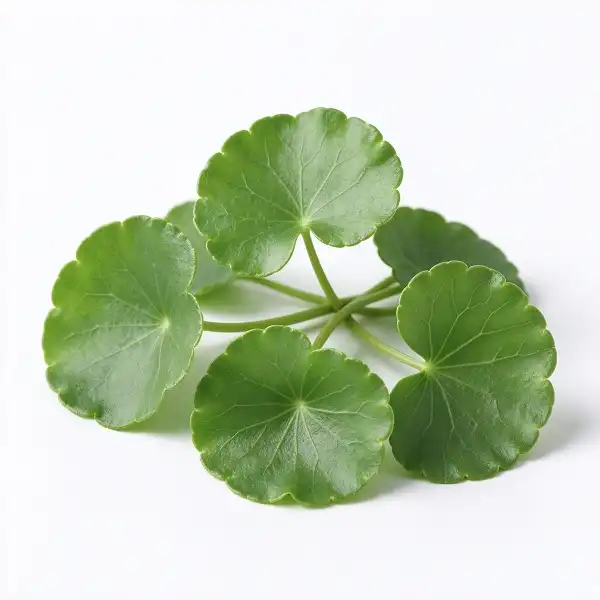
Understanding Centella Asiatica Extract Powder: Benefits and Applications
What Makes the Active Compounds So Effective?
Asiaticoside, madecassoside, asiatic acid, and madecassic acid are the four triterpenes that are responsible for the effectiveness of the powdered extract of Centella asiatica used in medicine. According to the findings of a study that was published in the Journal of Ethnopharmacology, asiaticoside is able to augment the production of Type I collagen by human skin fibroblasts. Because it inhibits the pathways that are involved in the NF-κB signalling cascade, madecassoside is an excellent anti-inflammatory agent. Raw botanical powders are limited in their ability to heal ageing skin, barrier damage, and chronic inflammation at the cellular level; however, these chemicals work together to treat all of these conditions significantly more effectively.
Documented Skin Benefits Backed by Science
People have known for a long time that this Gotu Kola ingredient is useful in makeup. Clinical concentrations between 0.05% and 1.0% always produce measurable results. Here are the main perks that peer-reviewed research backs up:
- Collagen stimulation: Asiaticoside activates fibroblast proliferation, improving skin firmness and reducing visible fine lines over time.
- Barrier reinforcement: Active triterpenes strengthen the skin's protective function, reducing transepidermal water loss (TEWL).
- Wound and scar repair: Studies show accelerated healing of minor abrasions, post-acne marks, and procedure-related skin trauma.
- Anti-inflammatory and antioxidant action: Madecassoside neutralises free radicals and calms redness in sensitive or rosacea-prone skin.
- Acne management: Antimicrobial and anti-inflammatory properties help control breakout severity without disrupting the microbiome.
Because of these qualities, centella asiatica extract powder is one of the most scientifically sound plant-based actives that can be used to make cosmetics today.
Comparison With Alternative Botanicals
Cica extract powder demonstrates more diversified and multifunctional activity than aloe vera, tea tree oil, or man-made compounds like hydrocortisone. Cica extract powder is a more effective alternative. In terms of the statistics that pertain to collagen stimulation, aloe vera has not yet been demonstrated to be effective. Tea tree oil has the potential to alleviate acne, but at effective concentrations, it may also cause the skin to become more tender. Centella asiatica extract powder is the greatest choice for businesses that want to appeal to those who have sensitive skin or skin that is getting older because it treats both of these issues simultaneously.
Identifying the Ideal Centella Asiatica Extract Powder for Cosmetics
Key Quality Indicators to Evaluate
It is impossible to generalise about the efficacy of each and every Gotu Kola extract. Taking into consideration the many different standards is absolutely necessary. Our powdered extract of Centella asiatica is standardised at a concentration that ranges from 10% to 95%. Madecassoside and Asiaticoside B are the two components by which this is accomplished. The accuracy of this was confirmed by using high-performance liquid chromatography (HPLC) testing, which is the most precise method for quantifying triterpenes. A thorough Certificate of Analysis (CoA) and an HPLC chromatogram are included with each batch that is brought to the laboratory. The capacity to ascertain the precise quantity of each active ingredient that is present in the batch prior to its manufacture is afforded to buying managers and R&D leaders as a result of this.
Certifications That Matter for Global Markets
Every brand that sells in the United States, the European Union, or the Asian market must adhere to these standards. In addition to ISO9001, FSSC22000, KOSHER, HALAL, and HACCP certifications, KH also holds certifications for its centella asiatica extract powder. This certification demonstrates that the product is manufactured in accordance with stringent guidelines on a consistent basis, that it is safe from microorganisms, and that it can be utilised for both aesthetic and nutritional purposes. With regard to the acquisition of centella asiatica extract powder, procurement teams ought to consider multi-certification compliance to be an absolute must rather than a desirable bonus.
Extraction Method and Raw Material Traceability
How the extract is made has a direct effect on how pure and safe it is. Our cica powder is made from the whole plant, and only pure water or food-grade ethanol is used in the process. No harmful industrial solvents are used. KH works with confirmed planting bases that control the types of plants used, the conditions of the soil, and the time of harvest to keep the active ingredients consistent from the source. This end-to-end traceability gets rid of the quality changes that often happen with botanical raw materials that are bought through middlemen.
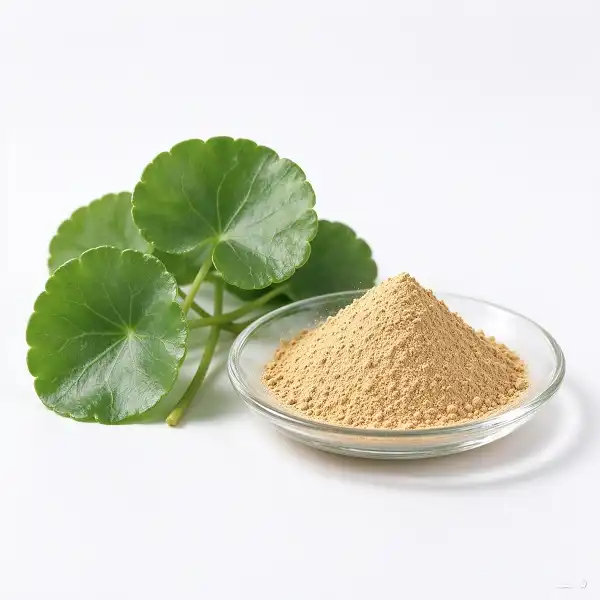
How to Effectively Use Centella Asiatica Extract Powder in Cosmetic Formulations?
Recommended Dosage by Application Type
A dose of 0.5% to 1% of high-purity centella asiatica extract powder, which contains 40% to 95% total triterpenes, has been shown to be effective in anti-ageing serums and barrier-repair creams, according to an extensive clinical study. With a grade ranging from 10% to 20%, a concentration of 0.05% to 0.5% is effective for general soothing claims in moisturisers and sheet masks, and it helps to keep formulation costs low. Because free genins, such as asiatic acid and madecassic acid, are less soluble in acidic water systems with a pH lower than 4.0, stability studies should always be carried out at the pH that is intended to be the target.
Compatibility With Common Cosmetic Ingredients
Niacinamide, hyaluronic acid, panthenol, and peptide combinations work well together with Centella asiatica extract powder. It works well with aloe vera juice in recipes that are meant to soothe. When making vitamin C products with a high concentration, you should be careful because keeping the pH above 3.5 keeps the glycosides stable. KH's powder form dissolves easily in water-based systems, so it can be used in serums, emulsions, toners, and leave-on masks without the need for special tools.
Storage and Handling Best Practices
It is important to store the powdered extract of Centella asiatica in a cool, dry location that is shielded from direct sunlight. Standard packaging for KH consists of sealed drums weighing 25 kilograms, which safeguard products while they are being transported and stored in a warehouse. Shelf life is typically twenty-four months when the product is stored in the appropriate conditions. Whenever R&D teams are conducting small tests, KH fulfils their orders for samples and small-kilogram trials. Because of this, they are able to conduct tests on a bench before committing to commercial operations.
Making an Informed Procurement Decision: Bulk Buying and Supply Chain Considerations
Supply Chain Transparency and Lead Times
It is beneficial to collaborate with a manufacturer of centella asiatica extract powder who maintains stock on hand. The shipment of samples and regular stock from KH takes between three and five business days. The mode of shipment for business items can be either air freight, ocean freight, or courier, depending on the size of the order and the location of the shipment. When it comes to commercial orders, the minimum order quantity (MOQ) is set at 25 kilograms per drum; however, lower quantities can be requested for testing purposes. In this way, the system may be utilised by both small enterprises experimenting with novel formulations and large manufacturers maintaining steady production plans.
Pricing Factors and Volume Flexibility
The price of cica extract powder depends on the standard (10% vs. 95% total triterpenes), the proof package, and the amount of the order. Higher-purity types cost more, but they also need less of each batch, which often balances out the cost-per-efficacy ratio. KH has different price levels based on how much you buy, and purchasing managers can email info@kingherbs.com to get an official quote that includes batch-specific paperwork.
Supplier Technical Support Beyond the Basics
KH is not only a supplier of raw materials; it also acts as a technical partner. Our application laboratory helps with stability testing for gummies, tablets, drinks, and skin care systems, and it also does custom compounding for specific ratios or functional targets. There is a full HPLC report, MSDS, and COA with every commercial batch. Quality assurance managers who are putting together regulatory applications or product registration dossiers for foreign markets need this level of paperwork support.
Conclusion
Centella asiatica extract powder is a plant substance that has been demonstrated via scientific research to have a wide range of applications in the cosmetics industry. Because of its typical triterpene concentration, clean extraction method, and wide range of formulation compatibility, it is an excellent option for companies that concentrate on skin healing, anti-ageing, and sensitive skin care. This is because it has a wide range of formulation compatibility. When purchased from a recognised centella asiatica extract powder vendor who also provides comprehensive documentation and application support, it yields consistent results from bench scale all the way up to industrial production level. For a dependable plant ingredient with extensive research, cica extract powder should be a key component of your formulation strategy.
FAQ
What concentration of centella asiatica extract powder should I use in a scar-reduction serum?
For scar reduction claims, clinical data backs up concentrations of 0.1% to 1% of a high-purity extract (95% total triterpenes). 0.05% to 0.5% of a lower-grade standard is enough to relax and calm people down in general.
Can I use this extract in water-based formulations without solubility issues?
The glycoside parts (madecassoside and asiaticoside) can mix with water. Free genins, on the other hand, like asiatic acid and madecassic acid, are fat-soluble. For water-based serums that are clear, choose a high-glycoside grade or use a solubiliser like propanediol or PEG-40 hydrogenated castor oil.
How do I verify batch quality when purchasing centella asiatica extract powder in bulk?
Ask for a batch-specific HPLC COA that shows the percentages of active ingredients and includes microbiological and heavy metal test results. These papers are sent with every commercial shipment by KH.
Is the extraction process solvent-safe for cosmetic use?
Yes. Only clean water or ethanol made for food is used by KH. Since there are no industrial solvents used, the extract is safe for use in leave-on cosmetics and health products.
Partner With KH — Trusted Centella Asiatica Extract Powder Manufacturer
Since 1996, KH has sold certified botanical ingredients. Our centella asiatica extract powder comes in a range of strengths, from 10% to 95%. It comes with all the necessary paperwork and is ready to be shipped right away. Get in touch with our team right away to ask for a sample or a business quote. You can email us at info@kingherbs.com or go to www.kingherbs.com to find out more about our range of ingredients and expert services.
References
1. James, J.T. & Dubery, I.A. (2009). Pentacyclic Triterpenoids from the Medicinal Herb, Centella asiatica. Molecules, 14(10), 3922–3941.
2. Shukla, A., Rasik, A.M., & Dhawan, B.N. (1999). Asiaticoside-induced elevation of antioxidant levels in healing wounds. Phytotherapy Research, 13(1), 50–54.
3. Bylka, W., Znajdek-Awiżeń, P., Studzińska-Sroka, E., & Brzezińska, M. (2013). Centella asiatica in cosmetology. Postepy Dermatologii i Alergologii, 30(1), 46–49.
4. Paocharoen, V. (2010). The efficacy and side effects of oral Centella asiatica extract for wound healing promotion in diabetic wound patients. Journal of the Medical Association of Thailand, 93(Suppl 7), S166–170.
5. Hashim, P., Sidek, H., Helan, M.H.M., Sabery, A., Palanisamy, U.D., & Ilham, M. (2011). Triterpene composition and bioactivities of Centella asiatica. Molecules, 16(2), 1310–1322.
6. Gohil, K.J., Patel, J.A., & Gajjar, A.K. (2010). Pharmacological review on Centella asiatica: A potential herbal cure-all. Indian Journal of Pharmaceutical Sciences, 72(5), 546–556.
Send Inquiry
Related Industry Knowledge
- Which Dill Seed Extract Supplier Offers the Best Value?
- Cocoa Seed Extract Benefits for Functional Food Formulas
- Ivy Extract Powder: Does It Ease Chronic Cough Naturally?
- Bamboo Leaf Extract vs Bamboo Shoot Extract differences
- Passionflower Extract Powder for Insomnia: Is It Effective?
- Can White Willow Bark Extract Powder Help Reduce Chronic Discomfort?
- Can Bitter Melon Extract Powder improve blood sugar?
- Bacopa Monnieri Extract Powder for Focus and Productivity
- Why Use Apple Root Extract in Skincare Products?
- Is Olive Extract Powder Effective for Inflammation Control?