_1762508637542.webp)
Can White Willow Bark Extract Powder Help Reduce Chronic Discomfort?
Jun 8, 2026
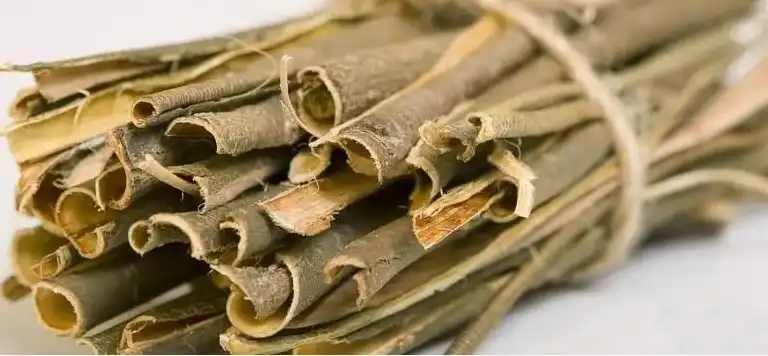
White willow bark extract powder is a good way to ease chronic pain. This plant part from Salix alba has salicin in it, which is a naturally occurring substance that slowly changes into salicylic acid in the body. This gives the body long-lasting pain relief and inflammation relief. Compared to manufactured options, this extract works more gently and has fewer adverse effects on the stomach. It also effectively relieves pain from joint pain, muscle aches, and inflammatory conditions. For B2B workers looking at natural pain control ingredients, it's important to know about their medicinal effects, quality standards, and buying options so they can make a good product.
Understanding White Willow Bark Extract Powder and Its Role in Chronic Discomfort
Botanical Origins and Active Compounds
The white willow bark extract powder comes from the Salix alba tree, which is native to Europe and Central Asia. The main beneficial ingredient in the bark is salicin, which is usually standardised between 15% and 98% based on the needs of the application. This glycoside works as a precursor to the main ingredient in painkillers. Enzymes in your body slowly change it into salicylic acid through the liver and intestines.
Besides salicin, the extract has a lot of different phytochemicals in it, such as flavonoids, polyphenols, and tannins. These secondary chemicals have anti-inflammatory and antioxidant benefits that work together to make the total medicinal profile better. This action with multiple parts reduces inflammation in more than one way, which makes it better than manmade drugs with only one molecule.
Mechanism of Action for Pain Relief
The slow change of salicin to salicylic acid in White Willow Bark Extract Powder gives willow bark extract a time-release effect that sets it apart from manufactured aspirin. This slower digestive route leads to sustained plasma concentrations, which provide longer-lasting pain relief without the sharp peaks that are common with manufactured painkillers that work right away. The process stops cyclooxygenase (COX) enzymes from working, which lowers the production of prostaglandins and, in turn, lowers inflammation reactions.
Studies in humans have shown that it works for diseases like rheumatoid arthritis, osteoarthritis, and severe lower back pain. A controlled study in the American Journal of Medicine showed that patients who got standardised willow bark extract had a lot less pain than those who got a placebo. Because it is easier on the stomach, it is great for products that are meant to help older people or people with sensitive digestive systems.
Industrial Applications Across Sectors
Willow bark powder is used by drug makers to make painkillers, oral gels, and transdermal patches. Nutraceutical companies mix it with plants that are good for you, like turmeric and boswellia, to make joint health products that work for everyone. Because it calms down inflammation, the cosmetics industry uses it in acne treatments and anti-aging skin care products to reduce swelling and help the body heal itself.
Functional drink makers are thinking about adding it to healing drinks for runners and other busy people. Because the extract works with both water-based and alcohol-based systems, it opens up a lot of preparation options. It is used by sports nutrition companies in pills before and after workouts to help with inflammation and muscle pain caused by exercise.
Comparison and Decision-Making: How White Willow Bark Extract Powder Stands Against Alternatives
Standardized Extract Versus Traditional Preparations
Standardised willow bark extract powder has important benefits over plain bark preparations or standard tea brews. Salicin level checked by HPLC guarantees stability from batch to batch, which is important for industrial formulas and following the rules. Because the strength of tea products changes a lot depending on how long they are brewed, how hot they are, and the quality of the raw materials used, they can't be used for tasks that need exact doses.
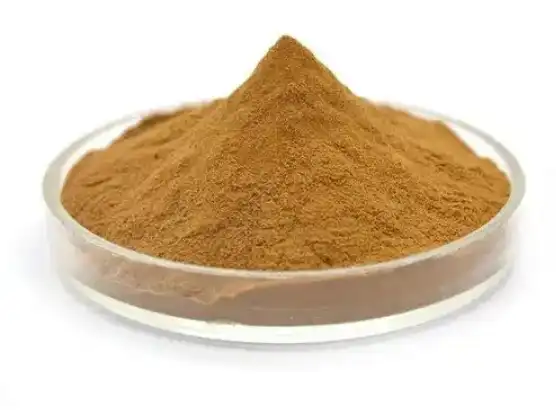
The fine powder form, which passes through an 80-mesh sieve 95% of the time, makes sure that pills, capsules, and drinks dissolve quickly and evenly. A bulk density of 0.45 to 0.65 g/ml makes packaging easier and reduces manufacturing problems. Standardisation to specific salicin concentrations—15% for gentle uses or 98% for maximum effectiveness—lets formulators make medicines that precisely meet treatment goals.
Comparative Analysis With Synthetic Analgesics
Although manufactured aspirin works faster, willow bark extract works just as well and is better tolerated for long-term use. The natural web of supporting chemicals lessens the stomach discomfort that comes from manufactured salicylates that are used alone. It usually takes between a few hours and a few days for the full effects to show up, which makes it best for long-term conditions rather than short-term pain.
When purchasing managers look at how cost-effective something is, they need to remember that while raw materials may cost more up front, they are less complicated to make and more marketable as natural ingredients. Studies on consumer preferences constantly show that people are willing to pay more for plant options. This is especially true in North American and European markets where clean-label trends are most important.
Organic Certification and Quality Parameters
When it comes to market positioning and governmental approval routes, organic labelling has a big effect. Certified organic willow bark extract costs more, but it gives you access to higher-end product lines. In addition to salicin content, quality factors include testing for heavy metals (usually less than 10 ppm total), testing for pesticide residues according to USP 561 guidelines, and testing for microbes.
Smart buyers ask for HPTLC fingerprints to make sure the plants are real and to find cheaper Populus species that have been mixed in. Spiking with manufactured salicin can be found with carbon-14 tests. This is a known form of economic theft that happens in high-risk supply lines. These ways of checking protect the image of brands and make sure that products are real across complicated foreign supply chains.
Procurement Insights for White Willow Bark Extract Powder
Evaluating Supplier Credentials and Certifications
To find high-quality White Willow Bark Extract Powder, you need to carefully check the qualifications of the suppliers you are considering. Some important certificates are ISO9001 for quality control systems, FSSC22000 for food safety, and KOSHER, HALAL, and HACCP for specific regions. Registration with the FDA gives sellers who want to sell to people in North America more confidence.
In addition to licenses, you should ask for proof of systems that can connect batches of finished extract to specific lots of raw materials and growing bases. Suppliers who have combined farming partnerships have more control over the varieties they choose, when they gather, and how they handle the crops afterward, all of which have a big effect on the amounts of active compounds. This control from beginning to end keeps quality changes to a minimum, which is a problem with spot-market buying strategies.
Even though they take a lot of time and money, site audits are very helpful for learning about how things are made, what labs can do, and how to keep contamination from spreading. Virtual checks are now a good option, especially for screening suppliers for the first time. Check to see if the providers have application labs that can help with formulations, stability testing, and specialised paperwork.
Pricing Structure and MOQ Considerations
Prices for White Willow Bark Extract Powder vary a lot depending on the amount of salicin standardisation, the method of extraction, and the state of the approval. Most of the time, ratio extracts (4:1, 10:1, 15:1, and 25:1) are cheaper than high-purity salicin amounts. Water-ethanol extraction costs more than traditional solvent extraction, but the goods are better and don't have any solvent leftovers.
When small to medium-sized businesses try out new formulas, the minimum order numbers can be hard to meet. Before asking for business minimums of 25 kg, progressive sellers offer small trial orders and sample amounts ranging from 100g to 1 kg. This gives you more freedom, which lowers your financial risk during the product development stages and lets you try the product thoroughly for stability and compatibility.
When negotiating, you should talk about more than just unit prices. You should also talk about payment terms, storage plans, and transportation support. Standard packaging comes from suppliers who offer 25 kg fibre drums with food-grade inner linings. However, custom packaging choices can speed up the manufacturing process further down the line. When sending by express, air freight, or water, there are trade-offs between how fast the arrival is and how much it costs per unit.
Supply Chain Stability and Long-Term Partnerships
Competitive prices aren't enough for supply chains to be reliable; they also need to be able to meet customers' needs quickly and consistently. Suppliers who keep stock on hand and ship quickly (within three to five business days for regular goods and samples) show that they are operationally mature and can handle their inventory well.
Suppliers who offer one-stop shopping for more than just plant products, like vitamins, minerals, amino acids, and even finished tablet forms like softgels, are good for long-term relationships. This connection makes managing vendors easier and allows for combined shipping, which lowers the costs and complexity of operations.
Competitive benefits come from technical help that goes beyond just supplying basic ingredients. Application labs that offer mixing advice, recipe optimisation, and stability testing for drinks, tablets, and skin care products shorten the time it takes to make new products. Clear component bands and detailed HPLC analysis results for each batch get rid of any doubts about the active ingredient content and help with regulatory applications.
Safety, Dosage, and Regulatory Considerations
Recommended Dosage Guidelines
Dosages of 120 to 240 mg of salicin per day, which is about 800 to 1,600 mg of 15% standardised extract, are common in the industry for managing chronic pain. Higher-potency extracts need proportionally less of them to reach effective levels. Formulation scientists have to think about absorption factors and come up with dose forms that keep plasma amounts steady all day.
Sustained-release versions use salicin's natural time-release qualities to make the action last longer. Combination products that use willow bark with plants that work well together, like ginger or devil's claw, may get better results with lower amounts of each ingredient. Clinical approval of certain products backs up marketing claims and increases trust among healthcare providers.
Contraindications and Safety Profile
Even though willow bark extract is generally well accepted, it should not be used with aspirin because they both work through similar chemical routes. People who are known to be sensitive to aspirin, children, teens healing from viral illnesses (Reye's syndrome risk), women who are pregnant or nursing, and people who are taking anticoagulants should not use it without first talking to their doctor.
Salicin's chemical change is slower than that of manufactured aspirin. This lowers but does not eliminate stomach risks. If you use a high amount for a long time, you should be checked for stomach effects. Labels on products should make it clear when they can and can't be used and should urge people with chronic illnesses to talk to trained medical workers.
Regulatory Compliance and Quality Assurance
To follow FDA rules for dietary supplements in the US and EFSA rules for new foods in Europe, you need a lot of paperwork, like proof of analysis, specification sheets, and safety data. Testing each batch individually for identity, purity, strength, and makeup helps with regulatory reports and customer due diligence.
As part of quality control, methods must check for heavy metals, bacterial pollution, chemical leftovers, and low amounts of ethanol (within ICH standards). When the moisture level is below 5%, glycosidic bonds don't break down during storage, so the product stays effective for as long as it's on the shelf. Expiration dates and storage requirements are based on studies that test the stability of substances under difficult circumstances, such as high temperature and humidity.
Third-party tests that show GMP-compliant manufacturing give manufacturers confidence that their processes meet the high standards needed for pharmaceuticals. Traceability systems that allow for quick recalls protect both the provider and the customer in the rare event that there are quality problems.
Future Prospects and Market Trends for White Willow Bark Extract Powder
Innovation in Delivery Systems
New transport methods for White Willow Bark Extract Powder are making it possible for willow bark extract to be used in more ways. Microencapsulation methods keep active chemicals from breaking down and improve the ability to mask tastes in drinks and candies. Liposomal versions improve solubility, which could mean that smaller amounts are needed to get the same effect.
Transdermal delivery methods, like patches and oral creams, target pain in the affected area while limiting contact to the rest of the body. Nano-emulsion technology makes it easier for cosmetics to get deeper into the skin, which makes anti-inflammatory effects in skin care products even better. These new ideas give brands that are willing to spend money on advanced recipe development new ways to stand out.
Regional Demand Patterns and Growth Drivers
Demand is growing the fastest in North America and Europe. This is because older people are looking for natural options to manufactured drugs. In these areas, herbal supplements are regulated clearly, which makes it easier to get into the market. However, different interpretations of health claims mean that you need to be careful when navigating the market.
Sustainability and ethical sources are important to consumers, and they affect both B2B and retail purchases. Suppliers who show they care about the environment by using fewer chemicals, growing crops organically, and working with farmers in fair trade partnerships gain a competitive edge. Quality-conscious brands are more likely to trust you if you are open about these practices by documenting each batch.
Sustainability and Supply Chain Resilience
Differentiated buying methods are needed because of changing climates and problems in farming. Suppliers who build ties with various growing bases in different parts of the world lower the risks that come with crop failures or quality problems in those areas. Investing in safe gathering methods protects natural environments and makes sure that raw materials will be available for a long time.
Environmental issues are being looked at more closely by officials and customers, and certification programs that confirm safe wild-crafting or controlled growing methods are a way to address them. In a busy market, brands that prioritise these certified sustainable sources stand out and are in line with their corporate social responsibility goals.
Conclusion
White willow bark extract powder represents a scientifically validated, commercially viable ingredient for chronic discomfort management across multiple B2B sectors. Its combination of historical use validation and modern standardization meets the demands of quality-focused manufacturers seeking natural alternatives to synthetic analgesics. Success in procurement requires understanding both the botanical science and practical sourcing considerations, including supplier verification, quality parameters, regulatory compliance, and supply chain stability.
The market trajectory favors suppliers offering comprehensive support beyond basic ingredient sales—technical assistance, flexible ordering, rapid sampling, and transparent quality documentation create partnerships rather than transactional relationships. As consumer preferences continue shifting toward clean-label, sustainably sourced ingredients, willow bark extract is positioned for sustained growth in nutraceutical, pharmaceutical, and personal care applications.
FAQ
Can willow bark extract completely replace aspirin in pharmaceutical formulations?
Willow bark extract serves as an effective alternative for chronic pain management but differs from aspirin in onset speed and potency. The gradual conversion of salicin to salicylic acid creates sustained effects ideal for long-term use, whereas aspirin provides faster acute relief. Pharmaceutical applications should consider these pharmacokinetic differences when determining appropriate use cases. Regulatory pathways also differ, with botanical supplements subject to different approval processes than synthetic drugs.
What minimum order quantities should small brands expect when sourcing?
Progressive suppliers accommodate small to mid-sized enterprises with flexible MOQ structures. Sample quantities of 100g to 1kg support initial formulation development and stability testing. Trial orders of 5-10kg enable limited production runs for market testing. Commercial production typically requires 25kg minimum orders, packaged in fiber drums with food-grade inner linings. Establishing relationships with suppliers offering this flexibility reduces financial risk during product development phases.
How can buyers verify authentic salicin content and detect adulteration?
Request batch-specific HPLC analysis reports quantifying salicin concentrations—this method provides accurate quantification that UV spectroscopy cannot match. HPTLC fingerprinting verifies botanical identity and detects substitution with related species. For high-value contracts, consider third-party testing including Carbon-14 analysis to identify synthetic salicin spiking. Suppliers providing detailed certificate of analysis documentation with clear component spectra demonstrate commitment to transparency and quality.
Partner With a Trusted White Willow Bark Extract Powder Supplier
KH (Kingherbs Limited) brings over 25 years of botanical extraction expertise to B2B clients seeking reliable natural ingredient solutions. Our white willow bark extract powder sourced from premium Salix alba demonstrates our commitment to quality through comprehensive certifications including ISO9001, FSSC22000, KOSHER, HALAL, HACCP, and FDA registration. We maintain ready stock for prompt shipment within 3-5 business days and accommodate both sample orders and commercial volumes starting at 25kg.
Our proprietary water-ethanol extraction preserves maximum bioactive compounds while ensuring product purity without harmful solvent residues. Customizable salicin standardization from 1% to 98% and ratio extracts (4:1, 10:1, 15:1, 25:1) meet diverse formulation requirements. Beyond raw materials, our application laboratory provides formulation optimization, stability testing, and technical documentation support for beverages, tablets, capsules, and skincare systems. Contact our team at info@kingherbs.com to discuss your specific procurement needs and request detailed specifications with batch-level HPLC analysis. Experience the KH difference where quality assurance meets responsive technical partnership.
References
1. Schmid B, Lüdtke R, Selbmann HK, et al. "Efficacy and Tolerability of a Standardized Willow Bark Extract in Patients with Osteoarthritis: Randomized, Placebo-Controlled, Double-Blind Clinical Trial." Phytotherapy Research, 2015; 29(7): 1112-1121.
2. Vlachojannis JE, Cameron M, Chrubasik S. "A Systematic Review on the Effectiveness of Willow Bark for Musculoskeletal Pain." Phytomedicine: International Journal of Phytotherapy and Phytopharmacology, 2018; 36: 79-85.
3. Nahrstedt A, Schmidt M, Jäggi R, Metz J, Khayyal MT. "Willow Bark Extract: The Contribution of Polyphenols to the Overall Effect." Wiener Medizinische Wochenschrift, 2007; 157(13-14): 348-351.
4. Shara M, Stohs SJ. "Efficacy and Safety of White Willow Bark (Salix alba) Extracts." Phytotherapy Research, 2015; 29(8): 1112-1116.
5. European Medicines Agency. "Assessment Report on Salix [various species including S. purpurea L., S. daphnoides Vill., S. fragilis L.], cortex." Committee on Herbal Medicinal Products, 2017.
6. Bone K, Mills S. "Principles and Practice of Phytotherapy: Modern Herbal Medicine." 3rd edition, Churchill Livingstone, London, 2013: pp. 895-902.
Send Inquiry
Related Industry Knowledge
- Why Do Manufacturers Prefer Natural Artemisinin Powder Extracts?
- Premium Isatis Root Extract for Nutraceutical Use
- Does Watermelon Powder Retain Fresh Fruit Nutrients?
- What Sets Premium Watermelon Powder Apart?
- Can Onion Extract Improve Hair Growth Naturally?
- High-Purity Isatis Root Extract for Supplements
- What Is Isatis Root Extract? Uses and Functions
- Can Watermelon Powder Support Nitric Oxide Production?
- Premium Watermelon Powder for Functional Beverage Formulas
- White Paeony Extract for Sensitive & Irritated Skin