_1762508637542.webp)
Which Dill Seed Extract Supplier Offers the Best Value?
Sep 16, 2026
When sourcing dill seed extract for nutraceuticals, functional foods, or personal care formulations, value goes well beyond price per kilogram. The best supplier combines verified active ingredient content, clean-label extraction, batch-level documentation, and responsive technical support. Based on our evaluation framework, KH (Kingherbs Limited) stands out as a high-value dill seed extract manufacturer — offering ISO9001, FSSC22000, KOSHER, HALAL, HACCP, and FDA-certified products derived from Anethum graveolens seeds, with ready stock, 4:1 and 5:1 ratio extracts, and a 25kg commercial MOQ.
What Makes Dill Seed Extract a Strategic Ingredient?
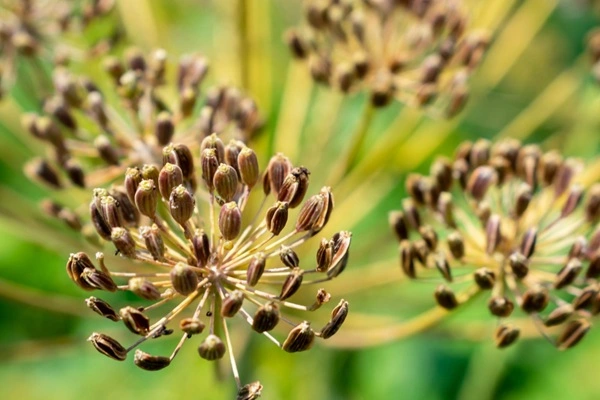
Derived from the mature seeds of Anethum graveolens, dill seed extract is a concentrated botanical ingredient prized across multiple industries. Its bioactive profile — rich in carvone, limonene, flavonoids such as vicenin and orientin, and phenolic acids — supports diverse formulation goals including digestive wellness, oxidative stress reduction, and natural antimicrobial preservation.
Market Demand Is Rising
Digestive health supplements and clean-label food preservation are expected to propel the worldwide botanical extracts market to surpass $8 billion by 2028. A standardised herbal powder that consistently delivers potency across batches is in high demand, and dill seed extract is a perfect fit for that need. This is according to procurement teams and R&D directors.
Where Does It Get Applied?
Formulators across the U.S. market incorporate this Anethum graveolens seed extract into capsules and tablets for gut health, functional teas and digestive tonics, clean-label meat preservation systems, topical serums and moisturizers requiring antioxidant actives, and gastrointestinal pharmaceutical preparations. Each application demands a different quality threshold, which is why supplier selection is non-negotiable.
Core Criteria for Evaluating Any Dill Seed Extract Supplier
Procurement managers and QA leads commonly make the mistake of evaluating suppliers on price alone. A truly competitive dill seed extract supplier must meet a stricter set of standards to protect your formulation integrity and brand reputation.
Here are the critical evaluation benchmarks every buyer should apply:
- Verified active compound content: Reliable suppliers provide batch-specific HPLC or GC analysis confirming carvone and limonene concentrations alongside a Certificate of Analysis (CoA). Without this, you cannot validate potency claims or ensure label accuracy.
- Solvent safety and clean-label compliance: Extraction using only purified water or food-grade ethanol — rather than hexane or acetone — is essential for clean-label positioning. USP <467> solvent residue compliance should be documented at the lot level.
- Certified quality systems: Look for ISO9001 for quality management, FSSC22000 for food safety, and HACCP documentation. KOSHER and HALAL certifications expand your target market reach significantly.
- Microbiological and heavy metal safety: Reputable suppliers test to USP <2021> standards — Total Plate Count below 1,000 CFU/g, absence of Salmonella and E. coli, and heavy metal limits compliant with ICP-MS benchmarks (Lead <3.0 ppm, Arsenic <1.0 ppm).
- Traceability and documentation speed: Procurement timelines tighten constantly. A supplier with ready stock and the ability to dispatch samples within 3–5 business days removes a serious bottleneck.
These criteria are not optional extras — they are the baseline for any supplier worth qualifying.
Comparing Supplier Types: What Actually Fits Your Sourcing Model?
Not every source of dill seed extract serves every buyer equally. Understanding the trade-offs between supplier categories helps procurement managers allocate budget wisely.
Wholesale Distributors vs. Direct Manufacturers
When your recipe calls for a certain amount of standardised volatile oil, the variance that results from wholesalers aggregating products from different sources can be a major headache. Far higher batch-to-batch repeatability is offered by direct manufacturers that oversee the entire extraction process, from raw seed to final powder.
Domestic vs. International Suppliers
Even though they may provide speedier domestic shipment, American distributors almost never make their own extract. Many times, international manufacturers may provide greater pricing at scale while still being compliant with regulations. This is especially true for companies that are registered with the FDA, have strong logistics networks, and have expertise in exporting via courier, air, and ocean freight.
Ratio Extract vs. Standardised Extract
For buyers entering the supplement market, a 4:1 or 5:1 ratio extract provides a cost-effective, versatile starting point. For clinical or pharmaceutical applications requiring specific carvone percentages, suppliers capable of custom concentration ratios add meaningful formulation value.
A Practical Decision Framework for B2B Procurement
Simplified purchasing lessens potential dangers. Follow these steps in order before placing an order for any botanical component.
Specify your needs precisely, down to the goal specification (4:1 vs. 5:1), the project's intended use, the certifications needed, and the monthly volume. Get a sample and the whole documentation package (CoA, MSDS, and third-party test results) from the providers you've chosen by sharing this brief with them.
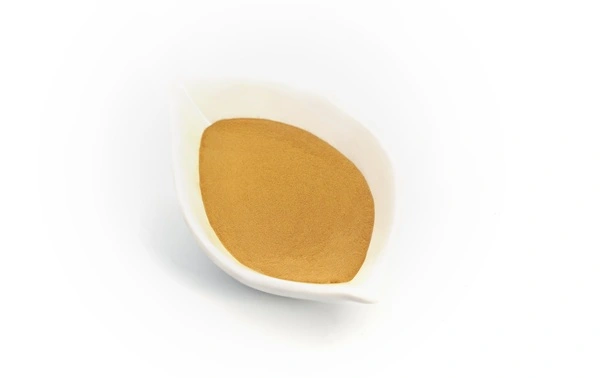
Check the sample's quality according to your own standards. Verify the dissolution behaviour, fragrance profile, and appearance (fine brownish-yellow powder). Compare your lab results with the supplier's certificate of analysis (CoA).
In the purchase agreement, you should negotiate the following terms: pricing lock-in for a certain volume window; unambiguous lead times; and acceptable microbiological and heavy metal limitations. The fact that the provider is prepared to put these conditions in writing shows how confident they are in their goods.
How Are Leading B2B Clients Sourcing This Ingredient Successfully?
In order to reformulate their digestive health line, a mid-sized nutraceutical business sought a reliable supplier of dill seed extract who could provide a consistent ratio of extract monthly along with complete halal and kosher paperwork. A direct manufacturer providing batch-level HPLC reports and 25kg drum packing was chosen after three vendors were qualified through sample evaluation. This manufacturer streamlined their intake process and eliminated repackaging costs.
A firm that specialises in original equipment manufacturer (OEM) contracts needed a water-dispersible Extract from Anethum graveolens that can withstand the acidity of beverages with a low pH. Beyond only supplying basic ingredients, the supplier's technical staff offered formulation advice on carrier selection and blending sequence, cutting the product development time by many weeks.
Finding a supplier whose skills match your operational and regulatory environment is more important than finding the cheapest one, as these real-life procurement cases show.
Conclusion
Considerations other than unit cost, such as quality documentation, extraction integrity, certification coverage, and technical responsiveness, should be considered when choosing the right supplier for dill seed extractor. Your formulation and brand are safeguarded by the supplier's capacity to supply confirmed, traceable, solvent-safe botanical extract, regardless of whether you require a 4:1 ratio powder for supplement capsules or a customised concentration for a functional beverage. When comparing overall procurement risk, rather than just invoice price, the value equation becomes apparent.
FAQ
What certifications should a reputable dill seed extract supplier hold?
At minimum, look for ISO9001, FSSC22000, HACCP, and FDA registration. KOSHER and HALAL certifications are important if you serve diverse consumer markets. These credentials confirm the manufacturer operates under documented quality and food safety management systems, not just informal production protocols.
What is the standard specification for dill seed extract in supplement applications?
A 4:1 or 5:1 ratio extract derived from Anethum graveolens seeds is the most widely used specification for digestive health capsules and tablets. For more targeted applications, suppliers may offer volatile oil-standardised grades with defined carvone percentages verified by GC analysis.
How do I verify that an extract is free from harmful solvents?
Request a solvent residue report conforming to USP <467> or EU Directive 2009/32/EC. Ethanol-extracted and water-extracted products should show no detectable acetone, hexane, or methanol above regulatory thresholds. Any supplier unable to provide this documentation should not advance through your qualification process.
What MOQ is typical for commercial orders?
Commercial order MOQ typically starts at 25kg per drum. Most reputable manufacturers also accept samples and small-kg trial orders to support formulation development before committing to full production volumes.
Partner With KH for Reliable Dill Seed Extract Supply
KH (Kingherbs Limited) has been a trusted botanical ingredient manufacturer since 1996. Our dill seed extract — sourced from traceable Anethum graveolens seed, extracted without harmful solvents, and certified to ISO9001, FSSC22000, KOSHER, HALAL, HACCP, and FDA standards — is ready to ship in 25kg drums with prompt lead times. As a verified dill seed extract supplier with in-house HPLC analysis and formulation support, we offer far more than ingredient supply. Reach us at info@kingherbs.com or visit www.kingherbs.com to request a sample today.
References
1. Chahal, K. K., et al. "Chemistry and Biological Activities of Anethum graveolens". "International Journal of Pharmaceutical Sciences and Research, 2017.
2. Grand View Research. Botanical Extracts Market Size, Share & Trends Analysis Report. Grand View Research, 2023.
3. Dhalwal, K. et al. "Antioxidant Activity of Anethum graveolens Seed Extract." Pharmaceutical Biology, 2008. Pharmaceutical Biology, 2008. Pharmaceutical Biology, 2008.
4. United States Pharmacopoeia. USP <467> Residual Solvents. USP-NF, 2023.
5. Moradi, M. T., et al. "Antiviral and Antimicrobial Properties of Dill (Anethum graveolens) Essential Oil." Journal of HerbMed Pharmacology, 2020.
6. IBIS World. Herbal Supplement Manufacturing Industry Report — United States. IBISWorld, 2023.
Send Inquiry
Related Industry Knowledge
- How to Choose High-Quality Echinacea Purpurea Extract?
- How to Source Reliable Lotus Leaf Extract from China?
- Passionflower Extract Powder for Insomnia: Is It Effective?
- Can Angelica Officinalis Extract Help Maintain Emotional Wellness?
- Can Tongkat Ali Extract Powder Reduce Stress and Cortisol Levels?
- Can Rhizoma Coptidis Powder Help with Weight Management?
- How to Select Premium Macleaya Cordata Extract Powder?
- Why Is Macleaya Cordata Extract Popular in Animal Nutrition?
- Macleaya Cordata Extract: Natural Anti-Inflammatory Ingredient
- How Purple Sweet Potato Extract Supports Metabolic Balance?