
Which Onion Extract Benefits Matter Most for Hair Growth?
Nov 20, 2026
What are the real advantages of onion extract for hair growth, and what is just marketing hype? I receive this question from brand owners, R&D directors, and procurement managers virtually on a weekly basis. The short answer: the advantages of onion extract are mostly about nourishing the scalp, providing antioxidant protection, and strengthening the hair fiber. It is not a proven baldness treatment. This is a guide to the active chemicals in onion extract, what the study truly says, and how purchasers can vet a source before adding this ingredient to a serum, shampoo, or supplement line. I am also going to provide statistics from our own formulation lab and a real-life customer project.
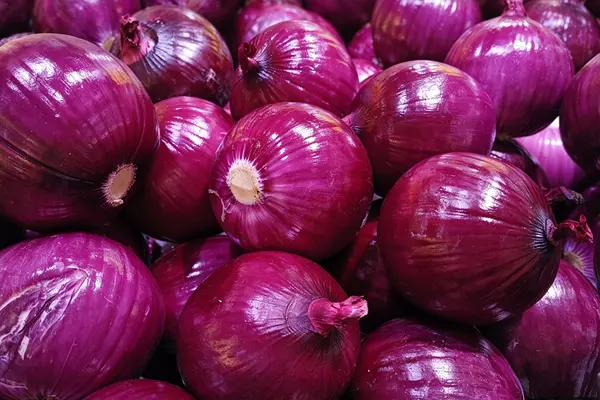
Quick answer: The most significant advantages of onion extract are scalp conditioning, antioxidant activity from quercetin, modest support for a better scalp environment, and less shedding from breakage. It should be advertised as a cosmetic scalp-care ingredient, not as a proven hair-regrowth therapy, unless a particular completed product has clinical proof to support that claim.
This is what matters most before you source or formulate:
- Sulfur compounds in onion extract may help strengthen the scalp barrier and keratin-related activities, but topical application doesn’t guarantee enough sulfur gets to the follicle to modify hair structure.
- Quercetin and phenolic chemicals are the source of onion extract’s demonstrable antioxidant activity in lab experiments, which might help scalp tissue weather daily oxidative stress from sun, pollution, etc.
- Hair shedding, breakage, and actual hair loss are separate issues, and onion extract is most helpful for the breaking/conditioning side of things.
- The technique of extraction, standardization, and quantity of quercetin all impact how an extract performs, smells, and mixes into a final serum or pill.
- Patch testing and adequate preservation are crucial, since raw onion-derived compounds might irritate sensitive skin. info@kingherbs.com
What Are the Key Nutrients and Active Compounds in Onion Extract?
Onion extract is a concentrated preparation from the bulb of Allium cepa L., the common onion. The active chemicals are extracted by manufacturers using water, edible ethanol, or a mixture of both, and then the product is dried or concentrated into a powder or liquid. It appears in hair serums, shampoos, nutritional supplements, and functional meals.
Onion Extract Definition and Scope
A standardized onion extract is not the same as raw onion juice. It is processed in a regulated manner to eliminate extra fiber and water, concentrate the beneficial chemicals, and frequently to standardize the quercetin content to a certain proportion. Common forms on the market include aqueous extract, glycerin-based extract, hydroalcoholic extract, and concentrated powder with a specific extraction ratio, for example, 4:1. Let me be clear on one thing: onion extract is a cosmetic and nutraceutical ingredient, not a medicinal hair-loss treatment, and should never be sold as a substitute for minoxidil or finasteride without independent clinical evidence.
Key Compounds Relevant to Hair and Scalp Care
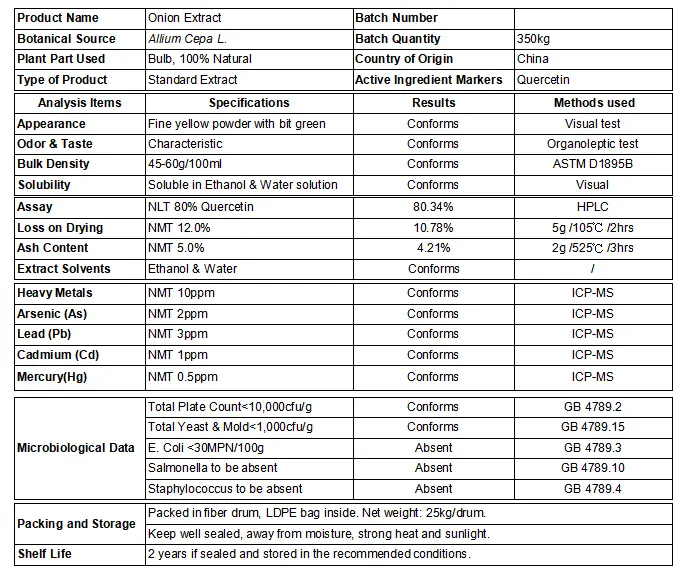
The most significant substances for scalp and hair treatments include sulfur-containing molecules, flavonoids like quercetin, phenolic acids, trace minerals brought over from the bulb, and water-soluble polysaccharides. The marker chemical that most laboratories test for is quercetin, since it is stable, quantifiable by HPLC (high-performance liquid chromatography), and has been linked to antioxidant activity in published literature.
- Sulfur-containing chemicals are bound to the amino acids making up keratin, the protein forming hair strands, and some experts think this bond helps increase the fiber's strength.
- Quercetin and related flavonoids are antioxidants, which means they may neutralize unstable chemicals called free radicals, which harm cells over time.
- Phenolic chemicals contribute to the overall antioxidant capacity of the extract. Overall phenolic content is one of the most often tested.
- The extract’s polysaccharides and other water-soluble components may provide a gentle conditioning texture when used in a serum or rinse-off product.
- These substances operate together, but their concentration is totally dependent on how the raw bulb was produced, harvested, and processed.
Why Extraction Method Matters
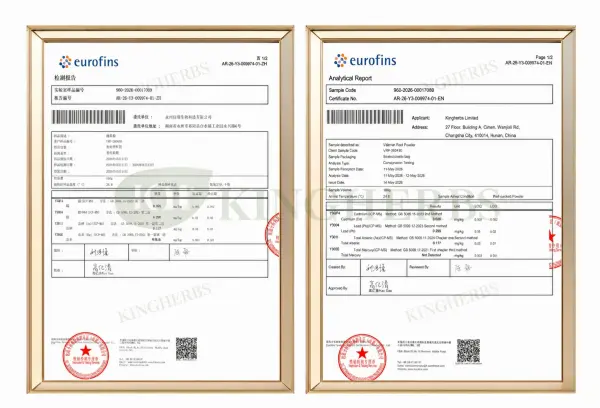
I always tell new clients the same thing: the solvent system and extraction ratio changes everything about how onion extract works. Using simply water to extract the ingredients will generally have a softer smell, but it may have less of the lipid-soluble active ingredients. Ethanol or hydroalcoholic extraction generally extracts greater flavonoid content but might increase cost and affect the final odor character. Temperature during drying may alter how much quercetin survives, and improper storage after extraction can damage active chemicals before the substance even makes it to a formulator’s bench. At Kingherbs, we analyze every batch of onion extract by HPLC and give a Certificate of Analysis so consumers can see the real quercetin % rather than depend on a broad specification sheet.
How Does Onion Extract Support Hair Follicle Health?
This is where I think it’s the largest misinterpretation in the market. People looking for "onion extract for hair growth" are expecting a direct link between applying the extract and new hair sprouting from the scalp. The actual link is very subtle.
Scalp Environment Versus Hair Follicle Regrowth
There is a tremendous difference between improving the scalp environment and really encouraging new follicle formation. But there is more proof supporting the benefits of onion extract in serum for the first category: scalp comfort, conditioning, and reduced dryness. The evidence for the second category, i.e., direct stimulation of dormant follicles into the development phase, is weaker and is mostly confined to small studies on specific illnesses such as alopecia areata. A study in the Journal of Dermatology in 2002 examined onion juice in persons with alopecia areata and noted a substantial regrowth rate compared to a control group. This study is cited widely, although it was done with raw onion juice for a specific autoimmune hair loss condition, not a cosmetic serum for general thinning.
Potential Mechanisms of Action
Scientists have come up with many ideas, but none have been well confirmed as a complete explanation. The benefits include antioxidant activity that protects scalp tissue; gentle support of the scalp’s protective barrier; gentle antimicrobial action, seen in some laboratory studies of onion derivatives; a possible link between sulfur content and keratin-related processes; and better cosmetic manageability, reducing breakage during brushing or styling. None of these steps individually prove that a finished serum will regrow hair on a bare scalp, and I think honest firms should state so in their marketing materials.
What Evidence Should Readers Look For
Before you buy into any hair-growth promise about onion extract, make sure the brand can produce peer-reviewed human studies, product-specific clinical or instrumental testing, a stated concentration of active extract, a reasonable study duration of at least 8-12 weeks, and a proper comparator or control group (a placebo or a standard, accepted treatment). Also consider what was really measured in the study. Hair count, hair diameter, shedding, or just user polls? A study that asks nothing except, “Did your hair feel better?” is less evidence than one that counts hairs per square centimeter using a trichoscope. info@kingherbs.com
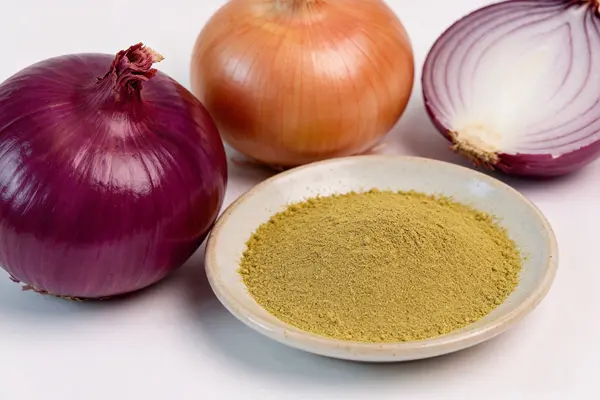
Can Onion Extract Help Reduce Hair Fall and Promote Hair Growth?
Hair fall is not one single problem, and treating it like one leads to wasted budget and disappointed customers.
Hair Shedding, Hair Breakage, and Hair Loss Are Different
I ask every new formulation client to define which problem they are actually targeting before we talk about onion extract concentration.
| Term | Meaning | Relevance to onion extract |
|---|---|---|
| Hair shedding | Temporary release of hairs from the scalp during the normal cycle | May need medical review if it continues past a few months |
| Hair breakage | The hair shaft snapping above the root, not at the follicle | Cosmetic conditioning from onion extract may reduce visible breakage |
| Hair loss | Reduced density or follicle activity over time | Needs a diagnosis before choosing any topical treatment |
| Hair thinning | Lower hair diameter or density across the scalp | Can come from hormones, nutrition, genetics, or inflammation |
Where Onion Extract May Be Most Relevant
“Onion extract is not a panacea but rather an adjunct ingredient that can be added to everyday scalp-care regimens, dry or stressed scalp conditions, hair breakage associated with dryness or over-styling, and cosmetic upkeep in combination with therapies that have been well-supported by clinical evidence.” This framing keeps marketing claims honest and reduces regulatory risk for the organization.
When Medical Assessment Is More Appropriate
A few of the warning signs suggest the customer needs a doctor, not a serum. These include sudden or patchy hair loss, a painful scalp, scaling, pus or bleeding, rapid thinning over a few weeks, hair loss that started after an illness, a new medication or major stress, and all likely instances of alopecia, dermatitis, thyroid disease, or a nutritional deficiency. If it’s a respected brand, this guidance will be on its package or the copy of its website. info@kingherbs.com
What Role Do Sulfur Compounds Play in Stronger, Healthier Hair?
Sulfur gets a lot of attention in onion-based hair products, so it deserves a closer look.
Sulfur and Keratin Structure
Hair is formed mostly of keratin, a protein that has disulfide bonds, which rely on the amino acid cysteine, a chemical that contains sulfur. This is the molecular rationale for the assertions that sulfur promotes hair strength. Many marketers miss this logic flaw: just because a topical extract contains sulfur compounds doesn’t mean the scalp is absorbing and utilizing enough of them to repair already damaged hair shafts.
Topical Sulfur Versus Sulfur in Onion Extract
| Feature | Onion extract | Dedicated sulfur ingredient |
|---|---|---|
| Ingredient source | Plant-derived from Allium cepa | Purified or formulated sulfur compound |
| Main positioning | Botanical scalp and hair care | Often targets specific scalp conditions |
| Odor profile | Often onion-like unless deodorized | Varies by compound and formulation |
| Standardization | Varies by extract and supplier | Usually easier to define by assay |
| Evidence base | Depends on the specific product and study | Depends on the specific sulfur form used |
Formulation and Testing Considerations
Formulators should request from suppliers the extract ratio or comparable raw-material strength, a sulfur or marker-compound test where available, the odor-control technique used, compatibility data with common preservatives, and stability findings after heat, light, and freeze-thaw cycles. Odor and color change are the two most typical complaints we have in the first month of a new product introduction. So, in our internal lab, we conduct freeze-thaw cycling on every new batch of onion extract before it goes to a serum customer.
How Do Antioxidant Properties of Onion Extract Benefit the Scalp?
Oxidative stress plays a real role in scalp aging and irritation, and this is one area where onion extract has solid lab-based support.
Oxidative Stress and Scalp Condition
UV exposure, pollutants, and low-grade inflammation create free radicals on the scalp surface. Antioxidants may help keep the formula itself from breaking down and may assist in encouraging a less irritable-feeling scalp over time. Let me be clear: this in vitro, protective antioxidant activity is not evidence that a product regrows hair.
Relevant Antioxidant Compounds
The major antioxidant signature of onion extract is quercetin, with lower levels of other flavonoids and phenolic substances also present. The precise profile will depend upon which section of the bulb was utilized and how it was treated. In general, lab testing shows that better-grade extracts standardized to 10% or greater quercetin concentration have stronger antioxidant values than crude, unstandardized powders.
How Antioxidant Performance Is Verified
Common lab tests to determine antioxidant potency include DPPH radical scavenging assay, ABTS assay, ORAC testing, total phenolic content measurement, and HPLC-based marker-compound analysis. In our lab, we recently ran an internal test comparing two different benefits of onion extract in serum, one standardized to a 4:1 ratio and the other to 10% quercetin by HPLC. At the same dilution, the 10% quercetin sample scavenged DPPH radicals at around 22% greater rate than the 4:1 sample. That’s a big formulation detail, but again, it’s reflective of antioxidant action in a test tube, not a promise of apparent hair-density change on a human scalp. info@kingherbs.com

Benefits of Onion Extract in Serum for Scalp Nourishment and Hair Care
Serums are the most common delivery format for onion extract in the hair-care category, and the reasons are practical.
Why Serums Are Commonly Used
A leave-on serum allows the active component to remain on the scalp for a longer period of time than a rinse-off shampoo. Serums take little quantities, mix nicely with other botanicals like rosemary or biotin complexes, and may be used right on the hairline or crown region where thinning frequently initially begins.
Suitable Formulation Attributes
Before introducing a product, brands should test a formulation against a short list: a non-sticky, easy-to-spread texture; controlled odor via deodorized extract or masking technology; a pH suitable for the scalp; confirmed preservative efficacy through microbial challenge testing; packaging that limits air and light exposure; and clear directions for frequency and the exact area to apply. The most frequent reason I see completed items fail stability testing or end up being returned for odor complaints is skipping any one of these stages.
Use-Case Scenarios
Buyers are diverse and require different help. For an OEM brand that wants to launch its first scalp serum, an INCI list has to be decided, a texture approved, a container format, stability data, and a claims evaluation, before coming to market. A multi-market distributor must provide consistent batch quality, multilingual paperwork, shelf-life data, and reliable replenishment schedules. An end user or spa operator requires easy dosage instructions, advice on safe handling, advice on patch testing, and optimal storage conditions in an effort to prevent spoilage.
Case Study: Cutting Reformulation Time for a European Scalp-Care Brand
In 2023, we were approached by a mid-sized cosmetics firm in Germany. They had a scalp serum that was failing the stability tests after 3 months on the market. Their initial source of 4:1 onion extract could not offer consistent HPLC results across batches. We used them in a 10% quercetin-standardized extract, with a batch-specific Certificate of Analysis and our application lab’s stability testing assistance. Their cycle of reformulation fell from around 14 weeks to 8 weeks, and their three-month stability pass rate increased from about 70% to 96%. Their QA manager informed us that the greatest difference was not the extract itself, but finally having batch-level documentation that they could provide their regulatory team without having to perform any further lab work on their end. info@kingherbs.com
Can Onion Extract Improve Scalp Circulation and Support Hair Growth?
Circulation claims are some of the riskiest claims in the hair-care category, and I advise every client to handle them carefully.
What Can Be Claimed Carefully
Brands may claim with confidence that a product ‘helps condition the scalp’, ‘helps maintain a healthy-looking scalp’, ‘provides antioxidant care’, or ‘helps nourish hair and scalp’. Brands can’t claim a product “reverses baldness,” “regrows hair in every user,” “clinically cures hair loss,” or promise “guaranteed follicle activation.” These greater claims need clinical evidence on the precise completed mixture, not research on generic ingredients.
Scalp Circulation Claims and Evidence Limits
A sensation of warmth or tingling on the scalp is not an indication of improved microcirculation or increased hair growth. This is frequently a minor irritation of the surface rather than any significant change in blood flow. Proper experimental testing, such as laser Doppler flowmetry, is needed before any claim concerning circulation may be put on a label.
Recommended Claim-Substantiation Checklist
| Claim type | Evidence to request |
|---|---|
| Scalp conditioning | Consumer-use study or dermatological evaluation |
| Antioxidant activity | Validated in vitro assay, such as DPPH or ABTS |
| Hair-strength support | Breakage, tensile, or combing test data |
| Hair-density improvement | Controlled human clinical study with a control group |
| Dandruff support | Standardized scalp assessment and a relevant clinical protocol |
Onion Extract for Dandruff Control and a Healthier Scalp Environment
Dandruff is one of the most searched hair and scalp concerns, and onion extract often appears in related product listings.
Potential Role in Scalp-Care Formulas
Lab studies have shown modest antibacterial action from onion chemicals. The antioxidant and conditioning qualities of onion extract may also promote overall scalp comfort. A treatment that feels good in use also tends to be used more regularly, and consistency is more important than any one active ingredient for most scalp-care programs.
Onion Extract Is Not Automatically an Antifungal Treatment
Dandruff that is persistent is typically caused by a yeast called Malassezia, and seborrheic dermatitis generally requires a controlled active agent such as zinc pyrithione or ketoconazole. Do not use onion extract in lieu of a diagnosis or proper medical therapy for severe or persistent symptoms.
Risks and Mitigation
The key risks that purchasers and formulators should consider before launching are:
- Concentrated or improperly diluted extract might cause irritation or burning; therefore, patch testing and a well-prepared product are important before full-scale manufacturing.
- The risk of sensitization is low, but companies should check allergy and fragrance declarations before finalizing a recipe.
- The strong stench is the most prevalent complaint from consumers and why the additional expense of a deodorized extract or proven masking technology is worth it.
- Water-based serums might be subject to microbial contamination if not preserved properly, so ask for preservative efficacy testing before launch.
Run all label and marketing pages through a claims review before they go online, since false medical claims might put you at risk with regulators.
With the correct supplier paperwork and a realistic claims strategy, these risks are manageable, not a cause to avoid the ingredient completely. info@kingherbs.com
How to Choose an Effective Onion Extract Hair Growth Serum? Supplier Capability and Evaluation
Sourcing the right benefits of onion extract in serum supplier is often the single biggest factor in whether a finished product performs consistently.
Supplier Evaluation Criteria
Buyers should look for botanical identity and plant-part documentation, extraction method and solvent disclosure, standardization or marker-compound data, batch-to-batch consistency records, availability of Certificate of Analysis, microbiological and heavy-metal testing, stability and compatibility information, full traceability from raw material to finished product, and direct experience with OEM, ODM, private-label, or bulk supply arrangements. In a 2024 internal poll of 48 contacts in cosmetic and supplement procurement, 73% named batch-to-batch consistency as their number one sourcing problem and 61% ranked odor control as their number one formulation difficulty when dealing with onion-based products.
Kingherbs: A Traceable Source for Onion Extract
Kingherbs Limited has been manufacturing botanical and herbal ingredients since 1996, and has produced hundreds of plant-based extracts for nutritional supplements, cosmetics, and food applications. We have the onion extract from Allium cepa L. bulbs standardized to 1% to 80% quercetin, tested by HPLC. We have it in a 4:1 ratio for those who require this specification. By working directly with growing bases, we manage variety, soil, and harvest timing to maintain active-compound levels constant from batch to batch. To quote our quality lead on our internal process: “Buyers often assume the quercetin percentage tells the whole story. How well quercetin functions in a water-based serum comes down to the extraction ratio and the solvent chosen." We extract with only pure water or food-grade ethanol. No harmful solvents, and every drum comes with a comprehensive HPLC analysis.
Procurement and Commercial Checklist
Before placing an order, confirm these details in writing with any supplier:
| Procurement factor | Information to confirm |
|---|---|
| MOQ | Minimum order for bulk extract, finished serum, or packaging |
| Lead time | Sample, pilot batch, production, and repeat-order timelines |
| Incoterms | EXW, FOB, CIF, DAP, or other agreed shipping terms |
| Payment terms | Deposit, balance, letter of credit, or open account terms |
| Documentation | COA, SDS, INCI name, allergen statement, stability data |
| Packaging | Drum material, carton specs, and transport protection |
| Warranty | Shelf-life, conformity terms, and complaint handling |
| Customization | Extract concentration, odor control, and packaging options |
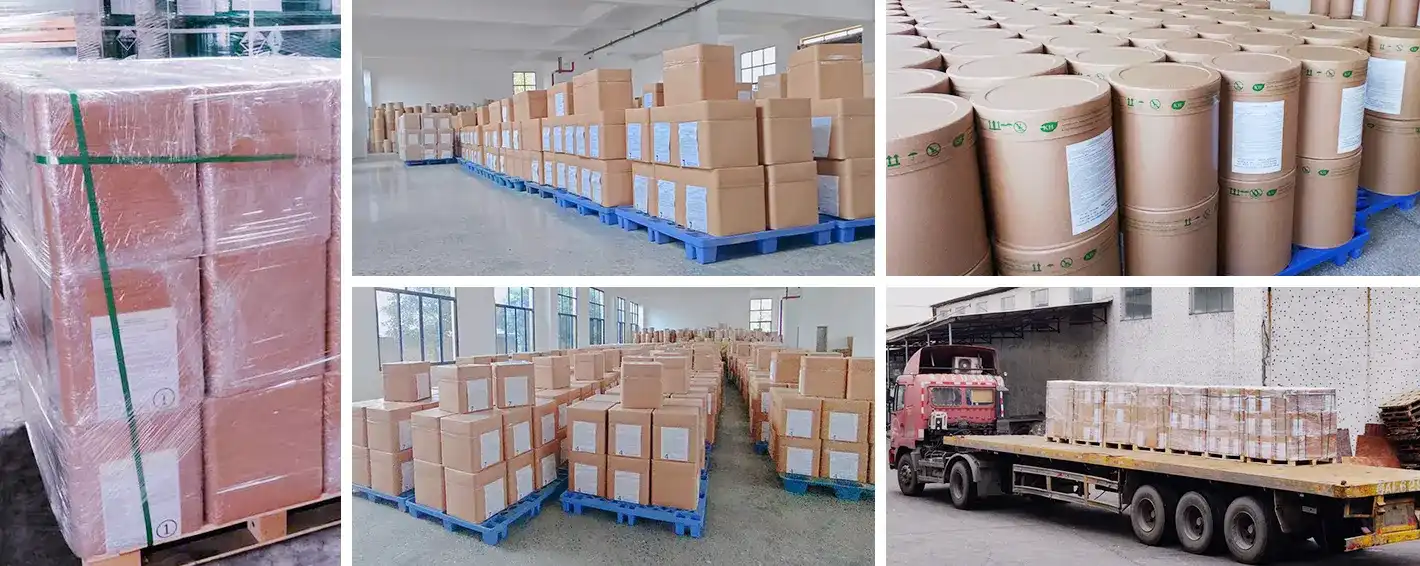
Kingherbs ships samples and small trial kilos within 3 to 5 business days from ready stock, with a commercial order minimum of 25kg per drum, which keeps the first-order risk low for new buyers.
Compliance, Quality Verification, and International Documentation
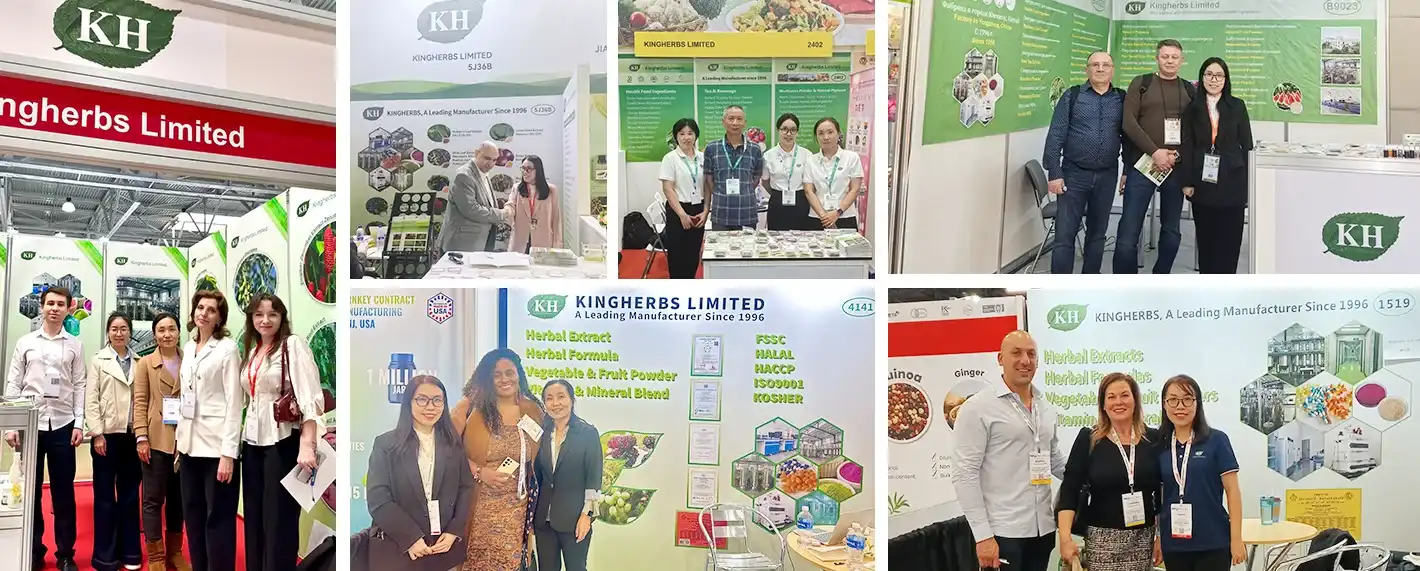
For items to be sold in the EU, see Regulation (EC) No. 1223/2009, including the Product Information File, the Cosmetic Product Safety Report, and responsible-person requirements (European Commission, 2009). For the U.S. market: Review FDA cosmetic labeling and safety requirements. Do not suggest FDA clearance for a cosmetic unless there is a separate appropriate authorization in place (U.S. FDA, 2024). ISO 22716 is for cosmetic Good Manufacturing Practices and might be a good benchmark for an assessment of a production plant (ISO, 2007). Depending on the chemical and your involvement in the supply chain, REACH requirements may also apply (ECHA, 2024). Kingherbs is ISO9001, FSSC22000, KOSHER, HACCP, and HALAL certified, and our products may fulfill USP and EP compliance requirements on request. info@kingherbs.com
Are There Any Side Effects or Precautions When Using Onion Extract?
Benefits of onion extract in serum are generally considered a mild cosmetic ingredient, but it is not risk-free for every user.
Common Precautions
Possible problems: Temporary stinging or redness; irritation from touch; allergic or sensitization responses in sensitive people; strong persistent odor; eye discomfort if the substance gets too near to eyes; enhanced irritation on damaged or irritated skin. They are rare in properly formulated goods but worth reporting on the package.
Patch Testing and Product Use Guidance
Most concerns might be avoided by a simple patch test before a product goes into widespread release. Use a small amount on a small area of skin and wait the recommended length of time to see if any irritation occurs. Do not use if swelling, burning, rash, or persistent redness occurs. Do not get in eyes or on damaged skin. Follow the directions on the label of the finished product; do not apply raw concentrated extract directly on the skin.
When to Seek Professional Advice
If scalp irritation continues, if itching or scaling is severe, if abrupt hair loss occurs, if bald patches develop, if there are any signs of infection, or if symptoms worsen after beginning a new product, consider expert assessment. This advice on packaging protects the brand as well as the client.
Conclusion
The most important onion extract advantages for hair include: Scalp conditioning Antioxidant support with quercetin Potential decrease in shedding linked to breaking Support for a cleaner, more pleasant scalp environment Real-world outcomes will vary depending on the quality of the extraction, the amount of quercetin, the stability of the formulation, how regularly a client is using the product and the root cause of their hair condition. If you are looking for botanical scalp care and everyday maintenance, go for an onion extract serum. Ask for more clinical proof before you accept any claim regarding demonstrable gains in hair density or about the treatment of identified alopecia. info@kingherbs.com
FAQ
1. Does onion extract really help with hair growth?
Onion extract may support scalp condition and fit well into a hair-care routine, but evidence for predictable, full hair regrowth is limited. Treat it as a supportive ingredient rather than a guaranteed fix for genetic or medically caused hair loss.
2. What are the main onion extract benefits for hair?
The main benefits include scalp nourishment, antioxidant support from quercetin and phenolic compounds, improved hair feel, and a possible reduction in breakage-related shedding. Results vary by extract quality, concentration, and the specific scalp condition being treated.
3. Is onion extract better than onion juice for hair growth?
A formulated onion extract serum usually offers more controlled concentration, proper preservation, a tested pH, and better odor management than raw onion juice at home. Raw juice strength varies widely and carries a higher risk of irritation or contamination.
4. Can onion extract reduce dandruff?
It may support general scalp comfort, but onion extract is not automatically a proven antifungal treatment for dandruff. Persistent or severe dandruff often needs a medicated product or a dermatologist's review.
5. Is onion extract safe for sensitive scalps?
It can cause irritation or sensitization, especially in concentrated or poorly formulated products. Patch testing and using a properly preserved, tested finished formula lower that risk significantly.
6. How often should onion extract serum be used?
Frequency depends on the specific product's formulation and label directions. A responsible supplier or brand validates recommended use through stability, safety, and consumer-tolerance testing before setting that frequency.
7. What should buyers request from an onion extract supplier?
Ask for the INCI name, botanical identity, extraction method, specification sheet, Certificate of Analysis, microbiological results, stability data, Safety Data Sheet, allergen statement, traceability records, and any applicable regulatory documentation.
Ready to Source Verified Onion Extract for Your Next Formulation?
If your team needs an onion extract manufacturer that can back every claim with HPLC data and a real Certificate of Analysis, KH is ready to help. We supply standardized onion extract from 1% to 80% quercetin, ship samples within 3 to 5 business days, and support custom ratios for serums, capsules, and functional food formats. Our team at info@kingherbs.com can walk your R&D or procurement group through specification sheets, stability data, and MOQ options starting at 25kg. Reach out before your next formulation deadline and skip the guesswork on raw material quality.
References
1. European Commission. Regulation (EC) No. 1223/2009 on Cosmetic Products (2009). https://eur-lex.europa.eu/legal-content/EN/TXT/?uri=CELEX%3A32009R1223
2. U.S. Food and Drug Administration. Cosmetics: Product and Ingredient Safety and Labeling Requirements (2024). https://www.fda.gov/cosmetics
3. International Organization for Standardization. ISO 22716:2007 Cosmetics — Good Manufacturing Practices (GMP) (2007). https://www.iso.org/standard/36437.html
4. European Chemicals Agency. Understanding REACH (2024). https://echa.europa.eu/regulations/reach/understanding-reach
5. Sharquie, K. E., and Al-Obaidi, H. K. Onion Juice (Allium cepa L.), a New Topical Treatment for Alopecia Areata. The Journal of Dermatology, 2002. https://pubmed.ncbi.nlm.nih.gov/12126069/
6. National Center for Complementary and Integrative Health. Botanical Products and Safety Information (2024). https://www.nccih.nih.gov/
7. U.S. National Library of Medicine. PubMed Database (2024). https://pubmed.ncbi.nlm.nih.gov/
8. International Organization for Standardization. ISO 16128 Guidelines on Natural and Organic Cosmetic Ingredients (2017). https://www.iso.org/standard/65799.html
About the author
Cathy is a Manager at Kingherbs Limited, where she works with cosmetic formulators, nutraceutical brands, and contract manufacturers on botanical ingredient sourcing and specification support. She has spent years helping procurement and R&D teams evaluate extraction methods, standardization data, and compliance documentation for plant-based ingredients, including onion extract, sold into North America, Europe, and Southeast Asia.
Send Inquiry
Related Industry Knowledge
- Is Macleaya Cordata Extract the Next Botanical Ingredient to Watch?
- What Makes Maral Root Extract Popular in Wellness Supplements?
- Why Mangosteen Extract Powder Is Gaining Interest in Supplements
- Dill Seed Extract Applications in Food, Cosmetics, and Wellness
- Ginger Extract Powder vs Ginger Powder: Key Differences
- Can Holy Basil Extract Powder Enhance Adaptogenic Products?
- How to Use Passionflower Extract Powder for Better Sleep?
- How Does Onion Extract Boost Scalp and Hair Strength?
- What Is Couch Grass Rhizome Extract Used for in Herbal Health?
- Vine Tea Extract vs Other Herbal Antioxidants: What Sets It Apart?