_1762508637542.webp)
Can Holy Basil Extract Powder Enhance Adaptogenic Products?
Jul 30, 2026
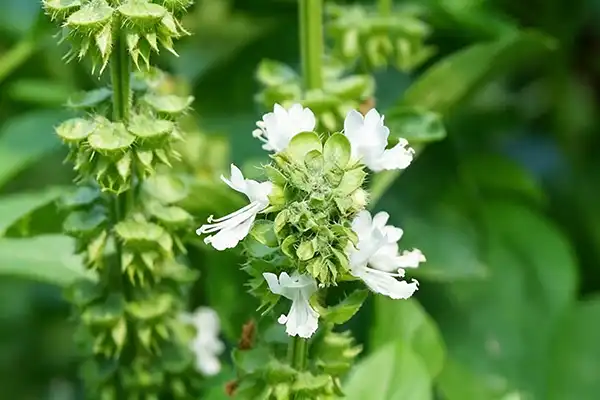
Yes, Holy Basil Extract Powder significantly enhances adaptogenic products by delivering concentrated bioactive compounds that support stress resilience and physiological balance. Derived from Ocimum sanctum, this fine brownish-yellow powder contains standardized levels of ursolic acid (1%-2.5%), alongside oleanolic acid, eugenol, and flavonoids. Unlike raw tulsi leaf powder, the extract offers predictable potency and consistent efficacy, addressing formulation challenges that procurement managers and R&D directors frequently encounter. The concentrated format enables precise dosing, improved shelf stability, and synergistic combinations with complementary adaptogens, making it invaluable for dietary supplement brands and nutraceutical manufacturers seeking differentiation in competitive markets.
Understanding Holy Basil Extract Powder and Its Adaptogenic Potential
The unique phytochemical profile of tulsi extract makes it good for adapting because it changes the hypothalamic-pituitary-adrenal axis and how cortisol is controlled. Standardisation of our extract powder through HPLC testing guarantees stability from batch to batch, which is something that raw plant materials can't do.
Differentiating Raw Powder from Concentrated Extracts
Concentrated extracts separate and keep certain bioactive compounds, while raw holy basil powder has the whole plant matrix. Our facilities use pure water or drinkable ethanol in the extraction process to get ursolic acid at amounts that can be checked, ranging from 1% to 2.5%. This level of detail is very important when making stress-relieving capsules or functional drinks, where the exact dosage determines how well they work as medicine. When product developers work with raw materials, the amounts of active ingredients can vary from 0.3% to 1.8%, which makes it harder to make claims on labels and send in regulatory paperwork. This uncertainty is taken away by the extract format, which gives quality assurance managers HPLC documentation that can be tracked for every 25kg drum that is shipped.
Clinically Supported Health Benefits
It has been shown through research that chemicals in tulsi extract are very good at fighting free radicals that cause cells to age and inflammation. Cyclooxygenase-2 inhibition and cytokine modulation are two of the anti-inflammatory mechanisms. These work similarly to pharmaceutical agents but are safer. This botanical ingredient is a key part of adaptogenic formulas that treat modern stress-related conditions because it lowers cortisol levels. Polysaccharide fractions and essential oil ingredients that boost the activity of natural killer cells give the plant its immune-boosting qualities. When backed up by the right manufacturing paperwork and proof, these benefits that have been proven to work can be turned into claims that can be sold.
Synergistic Effects with Complementary Adaptogens
When you mix holy basil and ashwagandha, the stress-relieving benefits are amplified through receptor pathways that work together. Ashwagandha mostly affects GABA receptors, while Holy Basil Extract Powder changes serotonin systems. Together, these two ingredients work well for people who want all-around stress relief. When combined with rhodiola, it improves both mental and physical endurance. This is especially useful for brain support supplements sold to workers and athletes. Nutraceutical companies' product formulators can make better proprietary blends when they understand how these interactions work. Our extract powder's fine particles and brownish-yellow colour make it easy for it to spread evenly in mixtures of different ingredients, whether they are encapsulated, tableted, or used in functional food applications.
Evaluating Quality and Sourcing Criteria for Holy Basil Extract Powder
To protect the purity of the product and make sure that regulations are followed across foreign markets, procurement managers must set strict requirements. Quality standards are more than just measures of purity; they also include things like traceability, extraction methods, and analytical proof.
Key Quality Indicators and Testing Standards
The main marker ingredient is ursolic acid concentration, which can be measured using HPLC techniques that find levels between 1% and 2.5% in our normal batches. Rosmarinic acid is another important part that helps fight free radicals and should be written down in scientific specs. Heavy metal screening that meets USP and EP standards stops contamination risks that could make the finished product less safe. FSSC22000 says that microbial tests like yeast, mould, virus, and total plate count must be done. Our manufacturing partners keep the growing conditions under tight control, from choosing the seeds to knowing when to gather them. This keeps the materials from being too unpredictable when they are wild-crafted. This full tracking from beginning to end solves the main problem of unstable raw material quality that delays production and changes the results of formulations.
Certification Requirements and Supplier Vetting
Manufacturers with a good reputation have many certifications that show they are committed to quality systems and following the rules. ISO9001 certification means that the quality management system is strong, and FSSC22000 certification covers food safety management, which is important for dietary supplement uses. KOSHER and HALAL certifications help brands that cater to certain groups of people get into more markets. Systematic risk analysis is done throughout production, and HACCP approval proves it. Even though ingredient sellers don't have to be registered with the FDA, doing so shows a stronger commitment to regulatory harmony. When looking at possible suppliers, asking for batch-level certificates of analysis, stability data, and supply chain documentation helps you tell the difference between trustworthy partners and traders looking to make quick money. Our company offers complete technical dossiers to help you with your due diligence needs. These include documentation for plantation partnerships and validation of the extraction process.
Pricing Dynamics and Procurement Strategies
Knowing how costs are structured helps you negotiate and make budget plans. Because of the higher prices and lower yields of organic approval, conventional extracts usually cost 15 to 30 percent less. When you buy more than 500kg in bulk every year, you can often get savings running from 8 to 15%. Prices change with the seasons, with the best rates usually being found during the harvest season, which runs from September to November. Changes in currency rates affect foreign trade, especially when buying from places where a lot of goods are made. When checking out new sources, lowering the risk is easier when you build relationships with suppliers who offer sample quantities and trial orders. Our MOQ structure works for both small R&D projects and large-scale commercial production runs. We offer samples for qualification testing, and regular orders must be at least 25kg. Concerns about wait times are taken away when there is ready stock on hand, which supports just-in-time inventory management methods.
Incorporating Holy Basil Extract Powder into Adaptogenic Product Lines
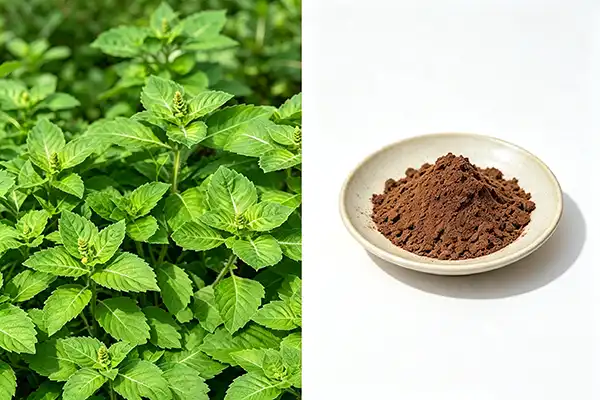
To develop a product that works well, stays stable, can be made, and follows all the rules, it's important to find the right balance between these factors. As long as the stem and leaf extract shape stays true to the plant, Holy Basil Extract Powder can be used in a variety of delivery methods.
Recommended Dosing and Formulation Guidelines
In clinical research, people are usually given between 300mg and 600mg of a standardised extract every day. Each dose contains about 3mg to 15mg of ursolic acid. The powder has great flow qualities and works well with popular fillers like microcrystalline cellulose and magnesium stearate, which are used in capsule formulations. Tablet apps might need granulation steps to make them more compressible, but direct compression is still possible with the right binder systems. Companies that make drinks with adaptogenic ingredients like how quickly our spray-drying process works. The brownish-yellow colour gives it a natural look without any added chemicals, which supports the clean-label stance. Stability tests show that the product doesn't break down much when kept in sealed containers away from light and moisture. Under controlled conditions, the shelf life is more than 24 months.
Regulatory Compliance and Labeling Considerations
Companies that make dietary supplements and sell them in North America must follow FDA rules that include tests for identity, strength, and purity. Novel Food laws and member state rules that vary by application must be followed in order to sell food in Europe. Correct botanical naming using Latin names, like "Ocimum sanctum Linn," keeps people from getting mixed up with similar species. Label claims must be backed up by the right amount of evidence, and therapeutic language that leads to drug classification should be avoided. The documentation for our HPLC test method backs up structure-function claims about the response to stress and general health. Specifications that include appearance, particle size distribution, and heavy metal limits are helpful for quality assurance teams. The 25kg drum packaging makes it easier to keep track of goods and keeps products safe while they're being shipped by courier, air, or ocean. Complete documentation packages make it easier to prepare for regulatory submissions and audits.
Real-World Application Case Studies
Well-known companies that make supplements to help with stress have successfully released products that mix tulsi extract with herbs that work well together, such as ashwagandha and L-theanine. One medium-sized company saw a 37% rise in sales after changing the formula of their adaptogen blend to include 400mg of standardised holy basil per serving. This was backed up by third-party testing confirmation. A functional beverage business that makes drinks for health-conscious people added the extract to ready-to-drink mixes. When mixed with natural flavourings, the mixture stayed stable and tasted good. These apps show that the market is viable across a number of forms and user groups. The constant quality of the removed material helps brands build trust with customers by making sure their products work as promised, which gives them an edge in supplement markets that are already very competitive. Technical help from ingredient suppliers, like advice on how to improve formulations and do stability tests, cuts down on the time it takes to develop a product and the money it costs to reformulate it.
Comparing Holy Basil Extract Powder with Other Adaptogen Formats
Choosing the right ingredients has a huge effect on the manufacturing process, the performance of the product, and the costs. Figuring out the differences between formats helps you make the best choices that fit your product's goals and position in the market.
Extract Powder versus Raw Tulsi Powder
When you grind whole holy basil leaves and stems to certain mesh sizes, you get raw holy basil powder, which usually has active ingredient amounts below 1%. Extract powder extracts bioactives by extracting them with water or alcohol, letting them evaporate, and then spray-drying them. This process of concentration makes the drug 10-15 times stronger per gram, which means that smaller doses and fewer capsules are needed. The extraction process also gets rid of inactive fibre parts that add bulk but don't have any healing value. Manufacturers benefit from less material handling and better bioavailability of important ingredients. The extract is a better deal when estimated per normal dose, even though the raw powder costs about 40–60% less per kilogram. When materials are extracted, they have consistent bioactive profiles that can be checked through analytical testing. This makes quality control easier to handle.
Powder versus Capsule and Liquid Forms
Pre-encapsulated ingredients are convenient, but they make it harder to change the way the product is made and raise the cost per unit by 200 to 300 percent. Liquid extracts have immediate benefits for bioavailability, but they are less stable because they contain alcohol, need to be kept cold, and have a shorter shelf life. Holy Basil Extract Powder forms are stable, flexible, and cost-effective all at the same time. Fine brownish-yellow powder works well in operations that fill capsules, compress tablets, and encapsulate softgels. It can be mixed with other plant products, vitamins, and minerals in ways that are specific to each mixture. Moisture-sensitive items need to be stored and packaged in the right way, which is easy to do with standard warehouse procedures. Consumer choice study shows that capsules and tablets are becoming more popular over liquids, especially among groups that value ease. These things help choose the format based on the characteristics of the target market and the production capabilities.
Concentration Variances Among Brands
There are big differences in quality between sellers who offer the same product descriptions. Some companies make extracts with less than 0.5% ursolic acid, using vague language like "ratio extract" to hide how effective the products really are. Others mix separated material with maltodextrin or other carriers, which lowers the density of the active compounds while keeping the amount of the bulk. Specifications for purchases must include clear analytical needs that have been checked by a separate third party. It is possible to find out the real composition by asking for HPLC chromatograms instead of simple certificates of analysis. As part of our dedication to being open and honest, we provide thorough component spectra that display flavonoid profiles, triterpene acids, and phenolic compounds. This paperwork helps quality assurance managers make sure that the raw materials are real and find any signs of fraud. Being careful is important in business because authenticating ingredients protects both brand image and customer safety.
Procurement Strategies and Market Trends for Holy Basil Extract Powder
Strategic buying is more than just negotiating prices. It also takes into account the longevity of the supply chain, how well it works with regulations, and how resilient it is. The way the market works now shows how customer tastes are changing and how high-quality standards are getting.
Identifying Trustworthy Suppliers
Verified maker partnerships offer supply security and technical teamwork chances that can't be found when dealing through middlemen. Site audits make sure that the manufacturing capabilities, quality systems, and documentation for traceability are all correct. References from well-known brands show that the supplier is reliable and provides good customer service. Since 1996, Kingherbs Limited has worked with the botanical ingredient business, building up a large network of growing partners and extraction skills. Our application laboratory helps improve formulations for skin care, gummy bears, tablets, and drinks. With this technical partnership approach, ingredient suppliers who offer services that add value can be told apart from commodity brokers whose only job is to make deals. Qualification risks are lower when sample numbers are requested before business volumes are committed to. Long wait times that make it hard to plan production are eliminated by our ability to quickly ship from ready stock.
Current Market Trends and Demand Drivers
People are becoming more and more interested in adaptogenic vitamins because they want natural health options and are worried about the effects of stress on their health. Demand for organic certification is growing as customers who care about the environment look more closely at how ingredients are sourced. Traceability documentation is becoming more and more important to premium brands that want to stand out by being transparent about their supply chains. Corporate responsibility programs are interested in sustainability certifications and regenerative farming methods. The global adaptogen market is expected to grow at a rate of more than 9% per year until 2028. Tulsi extract is seen as a culturally authentic ingredient that can benefit from its acceptance in Ayurvedic practice. These trends favour providers who show they care about quality, honesty, and taking care of the environment. Buying strategies that are in line with these beliefs give brands an edge in the market and help the supply chain stay strong over the long run.
Conclusion
For stress management formulas in the expanding health market, Holy Basil Extract Powder provides concentrated adaptogenic benefits. Standardised ursolic acid levels between 1% and 2.5% allow for more precise formulations than with raw botanical materials. To make sure that real products are always available, quality control must include checking the results of analyses, making sure that certifications are valid, and checking out suppliers. When adding something to a product line, you need to pay attention to dose instructions, stability issues, and following the rules set by regulators. When you compare formats, you can see that extract powder is better in terms of potency, versatility, and manufacturing efficiency. As market demand rises, brands that focus on strategic procurement practices like transparency, traceability, and technical partnerships will be able to stay competitive. There is a lot of proof that tulsi extract is good for you physically, and strict quality control measures make it an important part of many dietary supplement and pharmaceutical brands that want to stand out by using real, effective adaptogenic ingredients.
FAQ
1. How does Holy Basil Extract Powder compare in potency to raw tulsi leaf powder?
The amount of beneficial compounds in concentrated extract powder is 10 to 15 times higher than in raw leaf powder. Standardisation to 1% to 2.5% ursolic acid through HPLC testing ensures constant strength, while raw materials vary a lot from batch to batch. Lowering the daily dose from 3 to 5 grams to 300 to 600 mg with this concentration makes it easier for people to follow the instructions and cuts down on the number of capsules needed. The extraction process also improves bioavailability by getting rid of inactive fibre parts, which makes it easier for the active ingredients to be absorbed. Standardised extracts make quality assurance a lot easier to handle because they get rid of the manufacturing risks that come with using whole plant materials.
2. What certifications should procurement managers require when sourcing Holy Basil Extract Powder?
Some important certificates are ISO9001 for quality management systems and FSSC22000 for food safety management that applies to ingredients in dietary supplements. Certifications like KOSHER and HALAL make markets more open. HACCP approval shows that production is done with organised risk analysis. Safety is proven by heavy metal testing that meets USP and EP standards. When organic approval is needed, it must be checked by well-known certifying groups. Suppliers should provide a lot of paperwork, like certificates of analysis, stability data, pesticide residue tests, and reports of microbe screening. All of these certificates work together to make sure that makers follow the rules, keep customers safe, and get ready for audits.
Partner with KH for Premium Holy Basil Extract Powder Supply
Kingherbs Limited is a trustworthy company that makes Holy Basil Extract Powder. They offer full tracking from controlled farming to delivery of the finished product. Our partnership with high-quality planting bases guarantees the authenticity of Ocimum sanctum raw material that has the right amount of ursolic acid. Using pure water or drinkable ethanol for natural extraction gets rid of worries about solvent residue while keeping the bioactive purity. The fine brownish-yellow powder dissolves easily and stays true to its colour, which is a sign that it comes from real plants. Our dedication to quality processes is shown by the many certificates we have, such as ISO9001, FSSC22000, KOSHER, HALAL, HACCP, and FDA registration. In addition to providing ingredients, we also offer technical support through detailed HPLC analysis reports, application support across multiple product formats, and custom compounding solutions made just for you. Sample sales and trial amounts help us make sure of our quality before we make a sale. Supports rapid product development timelines with delivery in 3–5 business days from ready stock. Get in touch with us at info@kingherbs.com to talk to our technical team about your specific needs and find out how our Holy Basil Extract Powder for sale can help your adaptogenic product line stand out.
References
1. Cohen, M. M. (2014). Tulsi – Ocimum sanctum: A herb for all reasons. Journal of Ayurveda and Integrative Medicine, 5(4), 251-259.
2. Jamshidi, N., & Cohen, M. M. (2017). The Clinical Efficacy and Safety of Tulsi in Humans: A Systematic Review of the Literature. Evidence-Based Complementary and Alternative Medicine, Article ID 9217567.
3. Pattanayak, P., Behera, P., Das, D., & Panda, S. K. (2010). Ocimum sanctum Linn: A reservoir plant for therapeutic applications. Pharmacognosy Reviews, 4(7), 95-105.
4. Mondal, S., Varma, S., Bamola, V. D., Naik, S. N., Mirdha, B. R., Padhi, M. M., & Mehta, N. (2011). Double-blinded randomized controlled trial for immunomodulatory effects of Tulsi capsules in healthy volunteers. Journal of Ethnopharmacology, 136(3), 452-456.
5. Saxena, R. C., Singh, R., Kumar, P., Yadav, S. C., Negi, M. P., Saxena, V. S., & Joshua, A. J. (2012). Efficacy of an extract of Ocimum tenuiflorum in the management of general stress: A double-blind, placebo-controlled study. Evidence-Based Complementary and Alternative Medicine, Article ID 894509.
6. Kelm, M. A., Nair, M. G., Strasburg, G. M., & DeWitt, D. L. (2000). Antioxidant and cyclooxygenase inhibitory phenolic compounds from Ocimum sanctum Linn. Phytomedicine, 7(1), 7-13.
Send Inquiry
_1779935700347.webp "Onion Extract")
Related Industry Knowledge
- Ivy Extract Powder: A Traditional Medicine for Cough and Respiratory Health
- How is Pure Artemisinin Powder extracted and standardized for purity?
- How does Rosehip Extract Powder compare to other herbal extracts?
- Passionflower Extract Powder Benefits for Adrenal Fatigue
- The Skin-Boosting Benefits of Silica and Bamboo Extract
- What Is Angelica Officinalis Extract Used for in Supplements?
- Why Is Apple Root Extract Gaining Popularity in 2026?
- Can Cortex Phellodendri Powder Improve Digestive Health?
- Can Maca Extract Powder Help with Hormonal Imbalance?
- Is Olive Extract Powder Effective for Inflammation Control?