_1762508637542.webp)
Ginger Extract Powder vs Ginger Powder: Key Differences
Aug 21, 2026
When selecting botanical ingredients for your formulations, understanding the distinction between ginger extract powder and standard ginger powder directly impacts product efficacy, manufacturing consistency, and market competitiveness. Ginger Extract Powder—derived from Zingiber officinale rhizomes—undergoes controlled extraction to concentrate bioactive gingerols (5%-35% standardized via HPLC), delivering 10-20 times the potency of traditional ground ginger. This comparison addresses critical procurement considerations, including chemical composition, application versatility, manufacturing processes, quality assurance protocols, and cost-efficiency, enabling R&D directors, procurement managers, and formulation specialists to make data-driven sourcing decisions that align with regulatory compliance and product differentiation goals.
Understanding Ginger Powder and Ginger Extract Powder
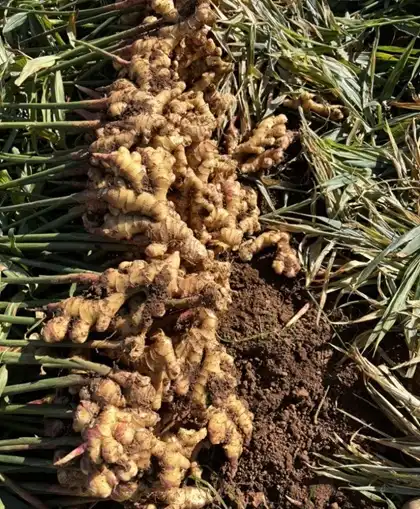
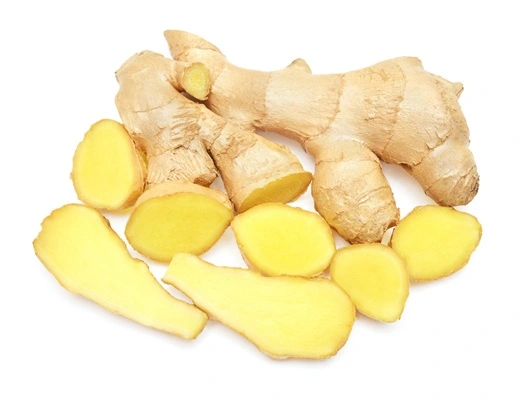
The easiest way to process Ginger Powder is to leave it raw. Zingiber officinale rhizomes are picked by manufacturers, dried in industrial dehydrators, and then ground up into a uniform powder that is used in spices. This method keeps the whole plant matrix, which includes the fiber, starch, volatile oils, and gingerols, but the potency isn't always consistent. The natural amount of gingerol varies from 0.8% to 2.5% based on when it is picked, the soil it is grown in, and how long it is stored. Because there aren't any standards, it's hard to meet label claims and make sure that each batch is the same.
Chemical Composition Differences
KH's Ginger Extract Powder uses controlled solvent extraction with either food-grade ethanol or clean water to separate and concentrate certain beneficial chemicals. Our HPLC-verified goods come with ratio extracts (4:1, 10:1) and standardized gingerol profiles ranging from 0.5% to 35%. This method gets rid of parts that aren't needed while keeping thermolabile chemicals. Quantifiable strength is what makes our extract unique. Our 10:1 extract turns 10 kg of raw rhizomes into 1 kg of powder, which makes dosing and formulation more accurate. Every batch comes with quality certificates like ISO9001, FSSC22000, KOSHER, HALAL, and FDA compliance. This helps with traceability issues that are very important to companies that make medicines and supplements.
Potency and Stability Profiles
Ground ginger that is used in cooking quickly loses its volatile gingerols. Studies show that under normal conditions, 20% to 40% of the quality will be lost in six months. Our Ginger Extract Powder keeps the purity of gingerol up to 120°C during short processing cycles. This means it can be used to make tablets, capsules, and drinks that have been pasteurized. The material is very stable, with 98% of the particles passing an 80-mesh screening test and meeting ICH Q3C standards (solvent residues below 5000ppm). If you store food properly, with less than 5% moisture, it will last longer than 24 months. This cuts down on waste and inventory risk for mid-sized businesses that are trying to run lean supply chains.
Comparing Benefits and Applications
Both ingredients have different uses in different fields, but concentrated extracts are better for high-performance formulations because they are more technical. Because standardized gingerols are more bioavailable, smaller dose amounts are recommended, and people are more likely to follow through with their plans.
Clinical Evidence for Digestive Health
According to a clinical study, eating 1g of standardized ginger every day, which is equal to 10g of fresh root, lowers nausea by 38% in four hours and speeds up the emptying of the stomach. For companies that make dietary supplements to help with motion sickness or nausea caused by pregnancy, the concentrated Ginger Extract Powder makes it possible to put therapeutic doses into size 0 capsules. Traditional powder needs three to five times as much material to have the same effect, which raises the price and makes it harder for people to buy.
Anti-Inflammatory and Joint Support Applications
In vitro tests show that gingerols are just as good as ibuprofen at stopping COX-2 and 5-LOX from causing inflammation. When pharmaceutical companies use our 20% to 35% gingerol Ginger Extract Powders in joint health products, they stand out from the competition because each serving has a higher quantity of active ingredients. The water-soluble formats work well in soft chews and liquid delivery systems because they don't have the gritty texture of raw powder.
Functional Beverage and Food Integration
When buying ingredients for food and drinks, it can be hard to find the right balance between taste, clarity, and useful benefits. Traditional powders often fail at stopping sedimentation and "ringing" in ready-to-drink drinks. Our water-dispersible Ginger Extract Powder stops these problems. The standard pungency lets flavor technicians accurately guess how the flavor will affect the senses, and the antioxidant capacity (ORAC >28,000 µmol TE/100g) keeps products fresh longer by stopping oxidative rancidity in high-fat mixes.
Topical and Cosmetic Formulations
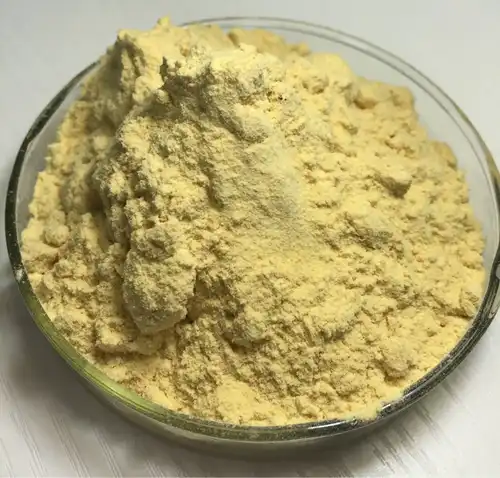
The ingredient is used to make warming creams, hair treatments, and massage oils that improve circulation. Gingerols that are lipophilic can easily get into emulsion systems and provide steady heat effects by activating vanilloid receptors. This is done without the skin-irritating potential of synthetic capsaicin. Cosmetic companies like how the light yellow color blends in with finished products better than the fibrous texture of ground spice.
Procurement Insights: Choosing Between Ginger Powder and Extract Powder
A cost-efficiency study looks at more than just the unit price. It also looks at how much of a substance is needed, how hard it is to make, and the costs of quality control. Procurement managers can get the best total cost of ownership by understanding these dynamics.
Pricing and ROI Considerations
Standard Ginger Powder costs between $8 and $15 per kilogram FOB, while standardized products cost between $40 and $120 per kilogram, based on how much gingerol they contain. The effectiveness factor, on the other hand, changes the math. A 10:1 Ginger Extract Powder can be used instead of 10 kg of raw powder, which gives the same unit economics but lowers the cost of shipping, the space needed for storage, and the difficulty of mixing. Because the extract flows better and mixes more evenly, contract manufacturers who work with 500 kg batches save a lot of labor.
Quality Assurance and Testing Protocols
Our batch-level records include HPLC chromatograms that show gingerol profiles, heavy metal screening (below USP/EP limits), tests for microbes and pesticide residues, and heavy metal screening. This openness fixes the problem of uneven raw material quality that buying managers face when they buy from different places. The Certificate of Analysis comes with every 25 kg drum, which cuts down on the cost of receiving inspections and speeds up the production process. Small-batch trial orders (below the business minimum order quantity of 25 kg) let R&D teams make sure that the two products will work together before they commit to buying more.
Supplier Reliability and Lead Times
We keep standard sizes and shapes in stock, so normal orders can be delivered within three to five business days by express, air, or ocean. This flexibility helps just-in-time manufacturing tactics work and keeps supplies from getting interrupted. From our relationships with planting bases to our extraction and packaging processes, we make sure that our capacity stays the same. This is very important for brands that are growing quickly or that have yearly demand spikes.
How Ginger Extract Powder is Made vs Ginger Powder
Transparency in the manufacturing process has a direct effect on following the rules and making good formulations. Quality assurance managers can figure out how capable a supplier is by understanding these workflows.
Traditional Ginger Powder Processing
In traditional farming, mature rhizomes are picked 8 to 10 months after planting, washed to get rid of soil, and cut into 3 to 5 mm slices. At 50 to 60°C and for 12 to 18 hours, industrial dehydrators lower the moisture level to less than 12%. The dried material is ground up to 40 to 60 mesh in hammer mills or pin mills. The whole process takes 24 to 36 hours and doesn't let you change the quantity of the active substance. Batch-to-batch differences of 15% to 30% are caused by differences in how mature the raw materials are and how they are dried.
Advanced Extraction Technology
We start with verified Zingiber officinale rhizomes from contracted farms. On these farms, we control planting density, soil amendments, and harvest timing to get the most gingerol out of the plants. After the harvest, we use a two-step extraction process: first, we percolate the fruit with food-grade ethanol or filtered water at controlled temperatures (40–80°C); then, we use vacuum concentration to get rid of the solvents, making sure that the residuals are below 5000ppm and meet ICH Q3C standards. Spray-drying turns the concentrated liquid into a fine Ginger Extract Powder that is 98% pure and has a moisture content that must stay below 5%. This processing for pharmaceutical purposes meets GMP standards and makes products that will stay stable for 24 months or more if they are stored correctly.
Standardization and Testing Validation
Each batch of gingerol is tested using HPLC to make sure it meets the concentration goals (within a 5% range). We change the liquid ratio, temperature, and length of the extraction in real time to account for changes in the raw materials that happen naturally. Contract manufacturers need this closed-loop control to make sure that manufacturing processes are consistent when they are checking them for FDA submissions or international registrations. The 80-mesh particle size distribution makes sure that the particles are evenly mixed when tablets are compressed and spread out in beverage systems.
Selecting the Right Product Based on Application Needs
Decision factors include more than just price. They also include formulation goals, regulatory routes, and strategies for placing in the market. It is best for both professional performance and business success to match the form of an item to its use.
Nutraceutical and Supplement Applications
Standardized Ginger Extract Powders with published clinical support are helpful for dietary supplement brands that want to make therapeutic claims. A 500mg tablet of 5% gingerol extract has 25 mg of active compound, which is the same amount that was used in tests to help people who were feeling sick. This positioning, based on facts, backs up marketing claims and follows FDA standards for Structure/Function statements. For higher prices, brands aimed at the high-end wellness market use the extract's "clean label" appeal ("concentrated from whole rhizomes without synthetic additives") to support their choices.
Food and Beverage Considerations
When functional food designers try to find the best balance between cost and benefit, they often choose 4:1 or 10:1 ratio Ginger Extract Powders that offer a modest boost in strength at prices that most people can afford. The types that dissolve in water can be added to protein powders, energy shots, and kombucha without the need for emulsification systems. Beverage scientists like how consistent the taste is—each 100 mg addition gives the same ginger notes without the throat burn that can come from ground spices.
Pharmaceutical and Clinical Nutrition
Hospital formularies and therapeutic nutrition goods need to follow USP/EP guidelines and have endotoxin levels below 5 EU/g. Our pharmaceutical-grade material goes through extra steps to kill microbes, such as gamma irradiation or, if requested, ETO sterilization. We also provide drug master file documentation to support IND applications. The 25 kg hermetic drum packing with nitrogen flushing keeps the strength for several years after confirmation.
Emerging Trends and Market Drivers
Procurement experts see more and more people choosing high-potency Ginger Extract Powders over generic plant powders. This is because people are learning more about health and want to see effects that can be measured. Sustainability standards like Organic and Rainforest Alliance have a bigger impact on business partnerships. Our partnerships with planting bases allow us to track back to specific farm cooperatives. This supports clear supply chain stories that connect with ethical customers. With the rise of thermogenic weight loss products, brands can highlight the metabolic benefits of these products, as shown by studies showing increases in metabolic rate of 4–8% after consumption.
Conclusion
Choosing between ground ginger and concentrated extract has a big effect on how well the formulation works, how consistent the manufacturing is, and how competitive the market is. The Ginger Extract Powder has a consistent amount of gingerol (5% to 35% by HPLC), is more stable during processing, and needs less dosage, which lowers the cost per serving in finished goods. Traditional spice powders don't offer the consistency of strength, detailed batch paperwork, or regulatory compliance support that procurement managers need. As the nutraceutical and functional food industries grow, brands set themselves apart by using evidence-based formulas that need the accuracy that can only be provided by standardized plant extracts.
FAQ
What makes ginger extract powder different from regular ground ginger?
Ginger Extract Powder is made by using a solvent to compress bioactive gingerols to 5% to 35% of the standardized amount. Ground ginger, on the other hand, has gingerols naturally occurring at 0.8% to 2.5% levels in the whole dried root. Fiber and inactive parts are taken out during the extraction process. This makes the product 10–20 times more potent per gram and ensures uniform performance from batch to batch, which is important for business manufacturing.
How do I determine the right dosage for my formulation?
How much you take depends on the health effects you want and how you take it. In clinical tests, 1g of pure Ginger Extract Powder (5% gingerols) was taken every day to help people who feel sick. Formulations for joint health usually use 200 to 400 mg of 20% extract. Through our application laboratory, our technical team helps with recipe optimization and compounding. They also test the safety of drinks, gummies, pills, and topical materials.
Where can I source bulk organic ginger extract with verified purity?
Each batch of Ginger Extract Powder from a reputable seller comes with an HPLC report that shows the amount of gingerol, a heavy metal screen, a pesticide residue test, and organic certificates from the USDA and the EU. Check that the company follows ISO9001, FSSC22000, and GMP standards and has clear documentation. By asking for samples with full Certificates of Analysis, you can make sure they work before making big purchases.
Partner with KH for Premium Ginger Extract Powder Supply
Since 1996, KH has been making plant extracts that are designed to work well for businesses. Standardized by HPLC to contain 5% to 35% gingerols in 4:1 and 10:1 ratios, our Ginger Extract Powder solves the main problems of inconsistent raw materials, recipe complexity, and fast degradation. We provide full traceability from contracted planting bases to the final 25 kg drum packaging of food-grade ethanol. Delivery is possible in three to five business days if the product is in stock, and our application laboratory can help with recipe optimization, stability testing, and custom ratio creation. Trial orders for small amounts help with R&D validation before making business promises. Our technical team gives procurement managers the quality assurance paperwork and quick service they need when they're making digestive vitamins, functional drinks, or joint health goods. Email info@kingherbs.com right now to get samples, batch analysis results, or to talk to an experienced Ginger Extract Powder manufacturer about your unique application needs.
References
1. Haniadka R, et al. "A review of the gastroprotective effects of ginger (Zingiber officinale Roscoe)." Food & Function 4.6 (2013): 845-855.
2. Grzanna R, Lindmark L, Frondoza CG. "Ginger—an herbal medicinal product with broad anti-inflammatory actions." Journal of Medicinal Food 8.2 (2005): 125-132.
3. Mansour MS, et al. "Ginger consumption enhances the thermic effect of food and promotes feelings of satiety without affecting metabolic and hormonal parameters in overweight men: a pilot study." Metabolism 61.10 (2012): 1347-1352.
4. Rahmani AH, et al. "Active ingredients of ginger as potential candidates in the prevention and treatment of diseases via modulation of biological activities." International Journal of Physiology, Pathophysiology and Pharmacology 6.2 (2014): 125.
5. Stoilova I, et al. "Antioxidant activity of a ginger extract (Zingiber officinale)." Food Chemistry 102.3 (2007): 764-770.
6. Palatty PL, et al. "Ginger in the prevention of nausea and vomiting: a review." Critical Reviews in Food Science and Nutrition 53.7 (2013): 659-669.
Send Inquiry
Related Industry Knowledge
- How to Import Tongkat Ali Extract Powder from China Suppliers?
- Passionflower Extract Powder Benefits for Nutraceutical Products
- Best Blueberry Extract Powder 2026: Pure, Science-Backed Guide
- Can Passionflower Extract Powder Ease Nervous Tension Quickly?
- Benefits of astaxanthin - nature's most powerful antioxidant
- Integrating Astaxanthin into a Balanced Diet: Recipes and Tips
- Mango Leaf Extract Powder Market Trends: What to Expect?
- Can Watermelon Powder Aid Weight Management?
- Lespedeza Capitata Extract for Plant-Based Kidney Care
- What Makes Olive Extract Powder a Potent Antioxidant Ingredient?