_1762508637542.webp)
Passionflower Extract Powder Benefits for Nutraceutical Products
Jul 21, 2026
Passionflower Extract Powder has become a key ingredient for procurement managers and R&D directors navigating the nutraceutical landscape of today. It has been shown to help with anxiety and sleep according to scientific evidence. This plant extract comes from the leaves of the Passiflora species and concentrates bioactive flavonoids and alkaloids into a stable, standardised form. As more people look for natural health products, it's important to know about the technical details, different recipe options, and source issues. This guide talks about the main problems that dietary supplement brands, contract makers, and functional food developers face when they try to buy reliable, high-quality plant ingredients that meet government standards and help their products stand out in crowded markets.
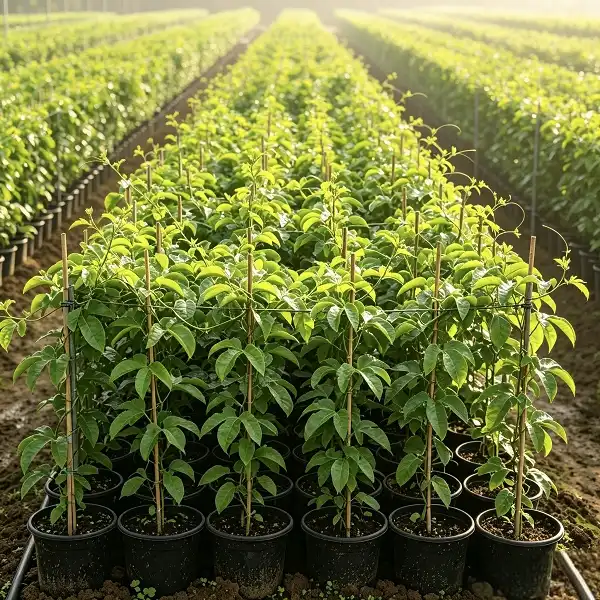
Understanding Passionflower Extract Powder: Composition and Health Benefits
What Makes This Botanical Extract Unique
The dried leaves, twigs, and flowers of passion vine plants, mostly Passiflora incarnata and Passiflora caerulea, are the source of Passionflower Extract Powder. Usually, water or food-grade ethanol is used in the extraction process to separate and concentrate important phytochemicals. These include flavonoids like vitexin, isovitexin, orientin, and isoorientin, as well as trace alkaloids like harman and harmine. If you use HPLC or UV spectrophotometry to test this fine brownish-yellow powder, you can get standardised levels of 3.5% to 10% total flavones and 1.2% to 5% vitexin.
The medicinal value is based on changing GABAergic signals. According to research, flavonoid compounds work with gamma-aminobutyric acid receptors in the brain and spinal cord to make people feel less anxious without making them sleepy, as synthetic alternatives do. In clinical tests, people who took 500 to 800 mg of the drug every day for four weeks saw a measurable drop in their worry scores. Flavonoids help cells protect themselves from oxidative harm and reduce stress, which is an added benefit to a wider range of health products.
Quality Parameters That Matter for Formulators
Technical standards have a direct effect on the success of the recipe when this ingredient is being sourced. The spread of particle sizes is very important. Premium types go through 80-mesh screening to make sure that they blend evenly in capsule matrices and pill compressions. A moisture level below 5% stops microbes from growing and keeps the powder's flowability during high-speed packaging processes. Bulk density between 0.40 and 0.60 g/ml makes filling automatic production lines more efficient.
Certifications prove that the products are made correctly. Quality management systems and food safety rules are confirmed by ISO9001 and FSSC22000. Certifications like KOSHER and HALAL make it easier for brands that want to reach certain types of customers to get into new markets. Food safety steps like FDA registration and HACCP compliance show that precautions are being taken. Batch-level COAs that list the amount of active ingredients, heavy metals, pesticide residues, and microbiological counts give quality assurance teams the traceability they need for regulatory reports and managing product risk.
Comparing Passionflower Extract Powder with Other Formats and Botanicals
Format Advantages for Manufacturing Scale
Passiflora Incarnata Powder can be stored for a longer time at room temperature, unlike liquid tinctures that need to be kept cold and have different doses. The powder form gets rid of the worries about alcohol levels that make tinctures less useful in some mixtures and with some types of customers. Compared to raw herb powders, standardised extracts deliver consistent bioactive concentrations across production batches. This means that formulators don't have to guess what to put in the product, and there is less variation in how well it works, which can hurt the brand's reputation.
Some types are ready to be put into capsules, but bulk powder gives you more options. To make their own formulations, product developers can mix different botanical extracts, change the dosage amounts, and add complementary ingredients like magnesium or L-theanine. When properly dissolved, the spray-dried powder works well in beverage uses. However, some formulas may benefit from adding a carrier like maltodextrin to make it easier to mix.
Synergistic Positioning Against Comparable Botanicals
Passionflower Extract Powder is not the same as valerian root or chamomile when it comes to natural anxiety-relieving substances. Valerian has stronger sedative effects, but it has a specific smell that some people don't like. Chamomile has mild calming effects, but you need to take more of it to see a real difference in your nervousness. Passionflower is in the middle of this range; it has some effects but not too many, and it doesn't make you sleepy or cause problems with your organs.
Market data shows that people are becoming more interested in multi-botanical blends. When you mix passionflower with ingredients that work well together, you get products that work on more than one level of health. When procurement teams choose providers who can give them technical advice on the best blend ratios and compatibility tests, they can make sure that formulations stay stable over the course of the normal 24-month shelf life while still giving customers the same experience.
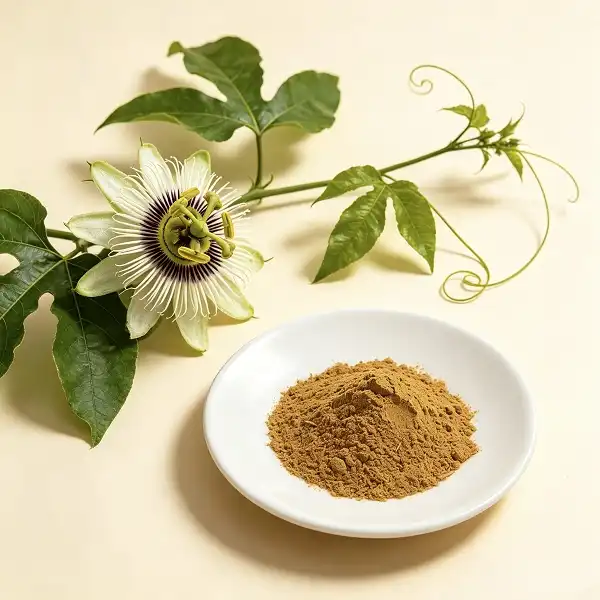
Application and Dosage Guidelines for Nutraceutical Product Development
Formulation Integration and Dosage Ranges
For managing nervousness, clinical studies back up daily doses of 300 mg to 900 mg of standardised Passionflower Extract Powder. Formulations that help you sleep usually have 400 to 600 mg that you take 30 to 60 minutes before bed. These ranges are for extracts that are standardised to have 3.5% to 4% total flavonoids. For higher concentration extracts, the dosage needs to be changed proportionally to keep the same amount of active compound delivery.
Formulation methods are affected by how well a substance dissolves. The extract doesn't dissolve very well in water, but tablet versions might benefit from granulation processes that make them easier to crush. There are fewer technical problems with capsule uses because they can hold the powder directly or mix it with flow agents like silicon dioxide to keep hopper systems from clogging. Because concentrated extracts are viscous, they can be hard to dissolve in clear liquids without the right solubilisation technology. This is why beverage makers should test their drinks for solubility.
Safety Profile and Regulatory Considerations
Based on both old-fashioned use and new clinical trials, the safety profile looks good. Reports of side effects are still pretty low, usually just mild stomach pain in sensitive people. Pregnancy is not a good time to use it because it might make the uterus get bigger, and people who are already taking sedatives should be careful because it might make their effects worse. So that consumers are safe and companies follow the rules, product labels must make these things clear.
Regulatory status is different in each market. In the United States, the ingredient is still considered GRAS for use in food supplements. According to EFSA rules, it can be sold in the European Union as long as harmine alkaloid levels are below certain levels. Procurement teams have to make sure that the seller's requirements match the needs of the target market. This includes making sure that the Passiflora Incarnata Powder supplier keeps records of the extraction methods they use, tests for solvent waste, and follows pharmacopoeial standards like USP or EP when they apply.
Procurement Strategies for Passionflower Extract Powder in B2B Markets
Navigating Supplier Selection and Verification
A thorough review of the seller is the first step to successful sourcing. Direct relationships with manufacturers usually have benefits over broker channels. For example, prices are clearer, you can get help from technical support teams, and you can track the product more easily from cultivation to extraction. Protocols for verification should look at a few important factors, such as the certifications of the manufacturing site, the ability to test batches, and past supply reliability measures.
Ask for the certificate of analysis paperwork from several recent production batches to check if the amounts of active compounds and controls for contaminants are consistent. Check out the information about the extraction methods; methods that use water and ethanol tend to create better profiles than those that use petrochemical solvents. Ask about partnerships for getting raw materials. Suppliers who have direct relationships with cultivation operations often have better control over verifying the identity of plants and figuring out the best time to harvest them, which affects the concentrations of active compounds.
Optimizing Commercial Terms and Supply Chain Logistics
For industrial production, the minimum order quantity is usually 25 kg. However, many suppliers can handle smaller trial orders of 100 grams to 10 kg for the first stages of formulating. It's easier to get good payment terms from suppliers when they know how much you expect to buy and how long you want to work with them. In new relationships, letter of credit agreements give both sides protection. After a while, established partnerships may move on to net payment terms, which make managing cash flow easier.
The method of transportation you choose affects both the cost and the speed of arrival. For quick recipe testing, courier services send samples in 3 to 5 business days. When production plans allow for 4 to 6 week wait times, ocean freight is the most cost-effective way to ship large replenishment orders. However, air freight can handle urgent business orders. Keeping things in climate-controlled storage while they are being shipped or stored stops them from absorbing water, which can make powder less fluid and less resistant to microbes, especially in damp places.
Future Outlook and Trends in the Use of Passionflower Extract Powder in Nutraceuticals
As more people look for alternatives to synthetic anxiety medicines with fewer side effects, the market for botanical supplements keeps growing. According to a study of the market, natural ingredients that help with stress will grow at rates higher than 8% per year until 2028. This trend is good for Passionflower Extract Powder, especially since brands are focusing on clean-label formulas with natural ingredients that don't have any added chemicals.
New developments in extraction technology promise higher bioavailability and more consistent potency. Ultrasonic-assisted extraction and supercritical CO2 methods are being worked on and may produce higher flavonoid amounts while requiring less liquid and processing time. Nano-encapsulation technologies could make absorption rates better, which would mean that lower doses are needed to work, which would lower the cost of each ingredient. Professionals in procurement should keep an eye on these technological changes because early adopters may be able to gain a competitive edge before the techniques become standard in the industry.
Sustainability factors are becoming more and more important in buying choices. Suppliers that use organic farming methods, renewable energy in their factories, and programs to cut down on waste are in line with brand values that consumers who care about the environment will appreciate. Traceability systems that use blockchain or similar technologies can back up claims of ethical sources. This supports marketing stories about openness and corporate responsibility that help brands stand out in high-end markets.
Conclusion
For nutraceutical companies making goods to help people deal with worry and sleep better, Passionflower Extract Powder is a scientifically proven, commercially viable ingredient. Its good safety profile, ability to standardise, and ability to come up with different formulations meet important procurement priorities like quality consistency, regulatory compliance, and product differentiation. When you do strategic sourcing, you need to pay attention to things like source certifications, extraction methods, active compound proof, and the details of the supply chain. The market for natural health products is growing quickly. To make the most of growth possibilities while minimising risks, brands should build partnerships with dependable producers who offer technical support and flexible order terms. The ingredient has been shown to work, and its clean label positioning makes it a useful portfolio addition for product makers who are thinking ahead.
FAQ
1. What Active Compound Levels Should Specifications Target?
A good Passionflower Extract Powder should have between 3.5% and 10% total flavones, as measured by UV spectrophotometry, or between 1.2% and 5% vitexin, as measured by HPLC. The method used for measurement has a big effect on the reported values. For example, UV methods find more flavonoid classes, which leads to higher percentages, while HPLC methods focus on a few molecules, which leads to lower numbers. Before you finalise your buy specs, make sure that the testing methods your formulation needs are clear. This will help make sure that the supplier's certificates match your quality standards.
2. How Do You Verify Supplier Quality and Authenticity?
Ask for a lot of paperwork, like the most up-to-date GMP certification, facility inspection records, and certificates of analysis for each batch that cover identity tests, active compounds, heavy metals, pesticide residues, and microbiology. Reliable sellers offer HPLC chromatograms that show flavonoid patterns that are similar to those found in real passionflower. Before committing to bigger purchases or long-term supply deals, you might want to have initial orders tested by a third party to get a sense of the quality.
3. Can This Ingredient Support Clean Label Claims?
The ingredient supports clean-label positioning when it comes from suppliers who use water-ethanol extraction instead of synthetic solvents. If you use carrier agents in spray-drying, make sure they meet the clean-label standards for the people you want to sell to. Organic certification backs up claims about natural products even more, but some products may not be available, and prices are usually higher because of the higher costs of growing and certifying organic materials.
Partner with KH for Premium Passionflower Extract Powder Supply
With almost 30 years of experience extracting plants, Kingherbs Limited brings quality, stability, and technical support to sourcing partnerships that nutraceutical makers need. Our Passionflower Extract Powder meets strict standards, with flavone levels between 3.5% and 10% and vitexin levels between 1.2% and 5%. This has been confirmed by HPLC and UV methods. Each batch goes through strict testing, which gives your quality assurance teams the information they need to build trust with regulators.
Full control over the entire supply chain is what makes our service unique. Direct partnerships with approved growing operations make sure that the identity of the plants is checked and that the best time to gather is chosen so that the active compound concentrations are highest. Our pure extraction method never uses harsh chemical solvents; it only uses water or food-grade ethanol. This gives you ingredients that back your clean-label positioning. We meet the standards your markets require because we are certified by ISO9001, FSSC22000, KOSHER, HALAL, and HACCP.
We know that recipe development needs to be able to change things quickly. Our team can handle commercial orders starting at 25 kg as well as sample orders and small trial quantities. We keep a lot of stock on hand, so we can ship quickly within 3 to 5 business days. In addition to providing ingredients, our application laboratory also offers formulation advice, stability tests, and compatibility advice for uses in capsules, tablets, drinks, and gummies. This method of professional partnerships helps you get the most out of your product while shortening the time it takes to make it.
As the manufacturer and strategic supplier of your Passionflower Extract Powder, we can help you get more than just single ingredients. We can also help you get vitamins, speciality compounds, and botanicals that work well with the main ingredient. Email our team at info@kingherbs.com to talk about your unique formulation needs, get technical specs, or set up a review of a sample. Let us show you how the reliability of your supply chain and our technical know-how can help you reach your goals for product innovation and market success.
References
1. Appel, K., Rose, T., Fiebich, B., Kammler, T., Hoffmann, C., & Weiss, G. (2011). Modulation of the γ-aminobutyric acid (GABA) system by Passiflora incarnata L. Phytotherapy Research, 25(6), 838-843.
2. Akhondzadeh, S., Naghavi, H. R., Vazirian, M., Shayeganpour, A., Rashidi, H., & Khani, M. (2001). Passionflower in the treatment of generalized anxiety: a pilot double-blind randomized controlled trial with oxazepam. Journal of Clinical Pharmacy and Therapeutics, 26(5), 363-367.
3. Ngan, A., & Conduit, R. (2011). A double-blind, placebo-controlled investigation of the effects of Passiflora incarnata (passionflower) herbal tea on subjective sleep quality. Phytotherapy Research, 25(8), 1153-1159.
4. Miroddi, M., Calapai, G., Navarra, M., Minciullo, P. L., & Gangemi, S. (2013). Passiflora incarnata L.: ethnopharmacology, clinical application, safety and evaluation of clinical trials. Journal of Ethnopharmacology, 150(3), 791-804.
5. Grundmann, O., Wang, J., McGregor, G. P., & Butterweck, V. (2008). Anxiolytic activity of a phytochemically characterized Passiflora incarnata extract is mediated via the GABAergic system. Planta Medica, 74(15), 1769-1773.
6. Dhawan, K., Dhawan, S., & Sharma, A. (2004). Passiflora: a review update. Journal of Ethnopharmacology, 94(1), 1-23.
Send Inquiry
_1779935700347.webp "Onion Extract")
Related Industry Knowledge
- Could Artemisinin Powder Be the Next Trend in Herbal Medicine?
- How Fast Does Bitter Melon Extract Powder Deliver Benefits?
- Nettle Extract Powder Uses and Plant Profile
- How Bitter Melon Extract Powder Supports Metabolic Health?
- Harnessing the Power of Rose Hip Extract Powder for Wellness
- How to Choose High-Quality Isatis Root Extract Powder?
- How Effective Is Rhizoma Coptidis Powder for Detox Support?
- What Is Isatis Root Extract? Uses and Functions
- Why Use Apple Root Extract in Skincare Products?
- How Lespedeza Capitata Extract Supports Renal Filtration?