_1762508637542.webp)
Could Artemisinin Powder Be the Next Trend in Herbal Medicine?
Jul 1, 2026
Natural medicines are becoming more popular in the pharmacy and nutritional markets around the world. This makes Artemisinin Powder a strong choice for widespread use in areas other than its traditional antimalarial uses. This solid substance comes from Artemisia annua, which is also known as "sweet wormwood." Its unique endoperoxide bridge structure gives it amazing bioactivity. As new studies look into its anti-inflammatory, immunomodulatory, and anticancer effects, this botanical ingredient is getting more and more attention from procurement managers, R&D directors, and formulators who are looking for unique, evidence-based raw materials for their product development pipelines.
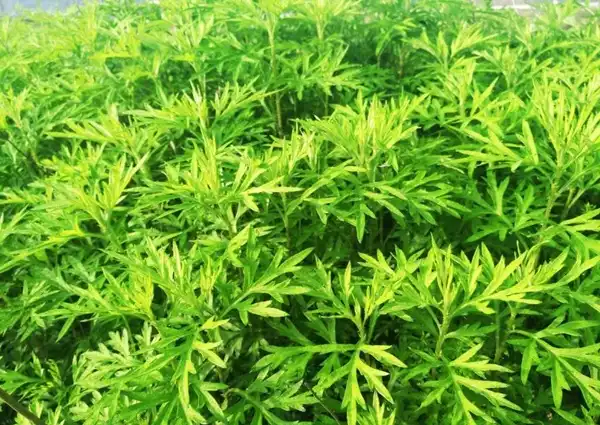
Understanding Artemisinin Powder: Origins, Benefits, and Uses
The Botanical Foundation and Extraction Process
Artemisinin comes from the medicinal plant Artemisia annua L., which is grown in temperate and warm climates. The best time to gather is when the plant is blooming because that's when the active substance is most concentrated in the leaves. Modern methods of extraction use pure water or ethanol that is safe for food, so there are no dangerous liquids left over that could compromise safety ratings. KH has direct agreements with approved farming bases that allow for full tracking from seed selection to harvest. This makes sure that the active ingredient content stays the same from batch to batch.
The process of extraction creates a clear crystal powder that can be anything from a 4:1 or 10:1 ratio extract to a highly pure form with 3% to 99% active content. High-Performance Liquid Chromatography (HPLC) testing checks for strength and tells the difference between pharmaceutical-grade material and lower-quality options. This level of accuracy is very important for companies that are making standardised formulas because the correct dose has a direct effect on treatment results and legal compliance.
Core Therapeutic Benefits and Mechanisms
The chemical works against malaria because it interacts with parasite cells that are high in iron. When the endoperoxide bridge comes into contact with high iron levels inside Plasmodium parasites, it creates free radicals that damage the pathogen's cells. This process works quickly against strains that are immune to chloroquine, which is why it is an important part of combination treatments that the WHO recommends.
A new study shows that it can be used for more than just treating malaria. Anti-inflammatory traits show potential in controlling immune reactions, which is interesting to people who are making health products. Early oncology studies show that it selectively kills certain cancer cell types because they have a higher iron metabolism, but these uses are still being looked into. Veterinary applications help treat protozoal diseases like babesiosis in animals, which gives companies that make animal health products more chances to sell their products.
Safety Considerations for Product Development
The substance has been used safely in clinical settings for decades and is safe at the standard antimalarial doses in combination treatments. Possible side effects include mild stomach pain and dizziness, which usually only last a short time and depend on the amount. Concerns about neurotoxicity have been raised by high doses or long-term exposure in animal studies. This shows how important it is to use reasonable preparation methods.
Managers of quality assurance should know that the substance needs to be kept away from light and heat while it is being stored, since its peroxide bridge breaks down in hard conditions. This sensitivity affects how things are packaged and how long they are expected to last. Because the plasma half-life is so short, specific treatment plans are needed in pharmaceutical uses. This is important knowledge for clinical formulators who are building delivery methods.
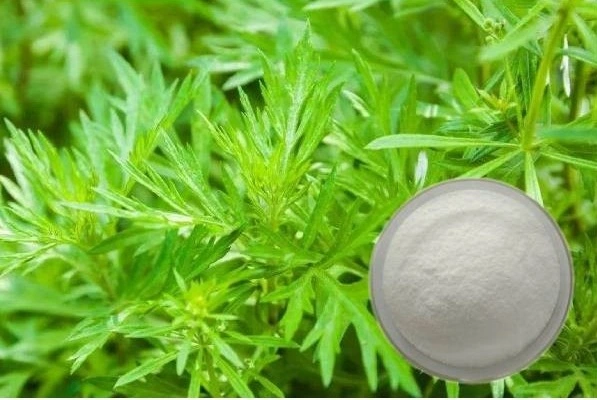
Comparing Artemisinin Powder with Other Herbal Alternatives
Purity and Bioavailability Considerations
Understanding the differences between Artemisinin Powder materials helps buying teams make smart choices. Along with the active compound, full-spectrum Artemisia annua products have flavonoids, essential oils, and several sesquiterpene lactones. These products from whole plants usually have between 3% and 5% active ingredients, and they may work better when combined with other antioxidants. However, their varied make-up makes standardisation harder for pharmaceutical production.
Isolated high-purity forms (28% to 99% active content) allow for exact doses, which is important for clinical study and pharmaceutical APIs. The solid structure makes sure that the rates of breakdown are always the same and makes formula calculations easier. This level of precision costs more than less polished materials, but it gets rid of the problems that come up with variations from batch to batch.
Semi-synthetic products, such as artesunate and artemether, change the parent molecule to make it more bioavailable or soluble in water. Even though these chemicals are linked, they are used in different ways in medicine and need different ways to be regulated. Manufacturers of food supplements and nutraceuticals who want to make "natural" label claims still prefer materials that come from plants.
Quality Standards: Organic vs. Conventional Sourcing
Organic approval is useful for brands that want to appeal to health-conscious customers, but it makes the supply chain more complicated. Due to fewer choices for fertiliser and pest control, organic farming usually produces smaller amounts of active chemicals. This could make the cost of raw materials per milligram of active ingredient go up. Good Agricultural Practices (GAP)-based conventional farming can produce higher crops and active ingredients while still passing safety standards, thanks to thorough tests for chemical residue.
KH has both organic and normal standards that are approved by ISO9001, FSSC22000, KOSHER, HALAL, and HACCP. Which of these options you choose should be in line with the rules and messaging of your brand for your target market. For food supplements to sell in Europe, they often need to be certified organic. In pharmaceutical uses, however, active content stability is more important than organic status.
Procurement Insights: Buying Artemisinin Powder for Business Use
Supplier Evaluation Criteria
Finding suppliers of plant ingredients that are safe for use in medicines requires more than just comparing prices. Third-party testing reports should include HPLC tests to confirm the active ingredient, GC tests to find any leftover solvents, heavy metal screening, and bacteria contamination tests. Each batch must come with a Certificate of Analysis (COA), which lets you track it back to specific crop lots.
If you can, check out the sites of your suppliers and look at the extraction tools, quality control labs, and storage conditions. Controlled temperature settings keep things from breaking down while they're being stored. Documentation tools that can track lots show that the supply chain is mature enough for regulatory checks. To serve the medicinal markets in North America, you must first be registered with the FDA and follow the USP/EP standards.
Long wait times that mess up production plans are a usual problem in this business, but KH keeps stock ready to ship right away. Sample sizes and trial orders (minimum order quantity as low as sample size) let you check the quality before buying in bulk. This gives buyers more options, which lowers the risk of buying from new companies or trying out how well materials work in certain mixes.
Navigating Price Structures and Negotiation
Prices vary a lot depending on the quality requirements, the amount ordered, and the time of year when it is available. Most of the time, ratio extracts (4:1, 10:1) cost less per kilogram than high-purity isolates, but they have less active ingredient per gram, which changes the total cost of preparation. To make fair comparisons, figure out the cost per milligram of active ingredient instead of the cost per kilogram of raw material.
Tiered pricing is often possible with volume agreements, but they have to be weighed against the costs of keeping goods and the length of time that it can be stored. Because the substance is sensitive to light and heat, it can't be stored for a long time. This makes just-in-time transportation options appealing. Price stability during times of farming instability can be achieved through multi-year supply deals, but only if you trust your provider to be reliable and consistent with quality.
The way things are transported affects both the cost and the speed of arrival. Delivery times for courier services are 3–5 days, which is good for pressing samples or small batches. For reasonable numbers, air freight is the best mix of speed and cost. Ocean shipping, on the other hand, is the most cost-effective way to ship large orders (normal packaging: 25 kg/drum) when wait times are flexible. KH offers full shipping support for all types of delivery, which makes buying things internationally easier.
Industry Trends and Future Outlook for Artemisinin Powder in Herbal Medicine
Technological Advances in Extraction and Processing
Supercritical CO2 and ultrasonic-assisted techniques are replacing old ways of extracting compounds with hot ethanol. These new methods increase output while keeping compounds that don't change easily at high temperatures. These improvements cut down on processing time and liquid use, which is in line with environmental goals that are becoming more important to business buyers. KH only uses clean water and food-grade ethanol for extraction, never using chemicals based on petroleum, which can leave behind harmful leftovers.
Nano-encapsulation and liposomal transport methods get around the compound's low solubility in water, which has been a problem for a long time with oral preparations. These technologies improve absorption, which could mean lower doses are needed and better patient cooperation. Solubility-enhanced forms that keep solutions stable are especially helpful for companies that make useful drinks or edible vitamins.
Regulatory Landscape and Market Access
The global regulatory environment for Artemisinin Powder botanical ingredients continues to tighten, particularly regarding identity verification and contamination controls. The U.S. FDA's emphasis on Good Manufacturing Practices (cGMP) for dietary supplements has elevated quality expectations. European Novel Food regulations complicate market entry for ingredients lacking traditional use documentation, though the compound's established antimalarial history provides regulatory precedent.
China's dominance in cultivation and extraction creates supply chain concentration risks that prudent procurement managers monitor. Geopolitical tensions and export restrictions could disrupt availability, making supplier diversification strategies prudent. Domestic U.S. cultivation efforts remain limited by climate constraints and economic viability compared to established Asian supply chains.
Emerging Applications Driving Demand Growth
Pharmaceutical companies are investigating the compound's potential in treating autoimmune conditions, where its immunomodulatory properties may offer therapeutic value. Veterinary medicine represents a growing segment, with formulations addressing parasitic infections in companion animals and livestock. The cosmetics industry is exploring anti-inflammatory and antioxidant benefits for skincare applications, though regulatory pathways for cosmetic ingredients differ from pharmaceutical and dietary supplement channels.
Clinical research into anticancer applications remains experimental but generates significant media attention that influences consumer awareness and demand. Nutraceutical brands are developing "immune support" formulations incorporating the ingredient, targeting wellness-focused consumers willing to pay premium pricing for innovative natural products. These market dynamics create opportunities for brands capable of navigating complex regulatory requirements and consumer education challenges.
Making the Right Choice: How to Select the Best Artemisinin Powder for Your Business
Matching Specifications to Application Requirements
Pharmaceutical manufacturers developing ACT formulations require pharmaceutical-grade purity (typically 99%) with full regulatory documentation supporting DMF (Drug Master File) submissions. These applications cannot compromise on quality or traceability, given patient safety stakes and regulatory scrutiny.
Dietary supplement brands for Artemisia annua Extract Powder face different considerations. Products marketed for general wellness or immune support may utilise moderate-purity extracts (28%-30% active content) that balance cost with efficacy claims supportable under FDA structure-function regulations. Label transparency demands accurate active content disclosure, necessitating reliable analytical documentation from suppliers.
R&D teams investigating novel applications benefit from flexible sample programs that allow testing across purity ranges without large minimum orders. KH's approach of accepting small-batch trial orders supports innovation by reducing financial barriers to experimentation. Application laboratory support, including formulation optimisation and stability testing guidance, accelerates product development timelines.
Building Strategic Supplier Partnerships
Successful long-term relationships extend beyond transactional procurement to collaborative partnerships. Suppliers offering customised compounding with specific ratios or functions become valuable technical partners rather than mere vendors. The ability to provide detailed component spectra through HPLC analysis helps formulators understand material characteristics affecting processing and final product performance.
Responsive communication channels addressing technical questions, regulatory documentation needs, and supply planning distinguish superior suppliers. Procurement managers should evaluate responsiveness during the sample phase, as communication patterns established early typically persist throughout the relationship. KH's technical team provides application support across beverage, gummy, tablet, and skincare systems, addressing formulation challenges that arise during scale-up.
Supply continuity assurance mechanisms matter significantly for commercial-scale production. Suppliers maintaining safety stock, backup cultivation relationships, and transparent communication about potential shortages demonstrate commitment to customer success. Request supply continuity plans detailing backup sourcing strategies and inventory management practices that protect against disruptions.
Conclusion
The trajectory of Artemisinin Powder within herbal medicine markets reflects broader industry shifts toward evidence-based natural ingredients with documented mechanisms of action. Its established pharmaceutical applications provide regulatory precedent and safety data that newer botanicals lack, reducing development risk for manufacturers entering this space. Emerging applications in nutraceuticals, veterinary medicine, and potentially oncology position it as a versatile ingredient supporting diverse product development strategies. Procurement success depends on understanding purity specifications, supplier quality systems, and regulatory landscapes while building relationships with partners offering technical support beyond commodity supply. Market growth appears probable given consumer demand for natural therapeutics, though regulatory navigation and supply chain management remain critical success factors.
FAQ
What distinguishes pharmaceutical-grade from supplement-grade material?
Pharmaceutical-grade specifications demand 99%+ purity verified through USP/EP monograph methods, complete with regulatory documentation supporting API use in prescription medications. Supplement-grade materials typically range from 28%-98% purity with COA documentation meeting dietary supplement cGMP requirements but lacking the comprehensive pharmaceutical documentation trail. Manufacturing environment controls also differ, with pharmaceutical production requiring more stringent environmental monitoring and validation protocols. Your application determines which grade is appropriate and cost-effective.
How should bulk material be stored to maintain potency?
Store in cool, dry conditions away from direct light in tightly sealed containers, ideally below 25°C with relative humidity under 60%. The endoperoxide bridge degrades when exposed to heat, light, or moisture, reducing active content over time. Nitrogen-flushed packaging extends shelf life by minimising oxidative degradation. Typical shelf life under proper conditions ranges from 24-36 months, though periodic re-testing verifies potency for materials approaching expiration dates. Avoid temperature fluctuations during storage and transportation.
Can this ingredient be combined with other botanical extracts in formulations?
The compound demonstrates good compatibility with many botanical ingredients in properly formulated systems. Stability testing remains essential, as pH extremes, metal ions, and certain excipients may accelerate degradation. Combination products should undergo accelerated stability studies before commercialisation. Some manufacturers explore synergistic formulations, pairing it with complementary botanicals like Andrographis or Echinacea for immune support applications. Consult with formulation specialists to optimise stability and bioavailability in your specific matrix.
Partner with a Trusted Artemisinin Powder Supplier for Your Formulation Needs
KH (Kingherbs Limited) brings over 25 years of botanical ingredient manufacturing expertise to your sourcing challenges, specialising in traceable, high-purity Artemisinin Powder backed by comprehensive certifications including ISO9001, FSSC22000, KOSHER, HALAL, HACCP, and FDA registration. Our direct partnerships with premium Artemisia annua cultivation bases ensure consistent active content from seed to final product, while pure extraction methods using only water and food-grade ethanol eliminate harmful residual solvents. We maintain ready stock for prompt 3-5 day delivery, accept sample and trial orders to minimise procurement risk, and provide technical application support, including custom formulation development and stability testing. Contact our team at info@kingherbs.com to discuss your specific requirements and receive detailed analytical documentation supporting your quality assurance and regulatory compliance objectives.
References
1. World Health Organisation. "Guidelines for the Treatment of Malaria, Third Edition." WHO Global Malaria Programme, 2015.
2. Efferth, T. "From Ancient Herb to Modern Drug: Artemisia annua and Artemisinin for Cancer Therapy." Seminars in Cancer Biology, Volume 46, 2017, pp. 65-83.
3. Klayman, D.L. "Qinghaosu (Artemisinin): An Antimalarial Drug from China." Science, Volume 228, Issue 4703, 1985, pp. 1049-1055.
4. Krishna, S., et al. "Artemisinins: Mechanisms of Action and Potential for Resistance." Drug Resistance Updates, Volume 7, Issue 4-5, 2004, pp. 233-244.
5. Lai, H., et al. "Selective Cancer Cell Cytotoxicity from Exposure to Dihydroartemisinin and Holotransferrin." Cancer Letters, Volume 91, Issue 1, 1995, pp. 41-46.
6. Tu, Y. "The Discovery of Artemisinin (Qinghaosu) and Gifts from Chinese Medicine." Nature Medicine, Volume 17, Issue 10, 2011, pp. 1217-1220.
Send Inquiry
Related Industry Knowledge
- Why Is Bamboo Leaf Extract Trending in Herbal Supplements?
- Mango Leaf Extract Powder Market Trends: What to Expect?
- Bacopa Monnieri Extract Powder Benefits You Should Know
- Sustainable Growth Support with Macleaya Cordata Extract
- How Watermelon Powder Enhances Athletic Recovery?
- Is Valerian Root Extract Powder Safe for Everyday Use?
- Why Choose High-Quality Couch Grass Rhizome Extract?
- Consumer Guide: Mango Leaf Extract Powder Benefits & Uses
- Vine Tea Extract in Weight Management Products — A Deep Dive
- How Lespedeza Capitata Extract Supports Renal Filtration?