_1762508637542.webp)
How to Use Passionflower Extract Powder for Better Sleep?
Jul 7, 2026
To get a good night's sleep naturally, you need to know how much to take and when to take it. Passionflower Extract Powder, which is standardised to have 3.5% to 10% flavones and 1.2% to 5% vitexin, works best when taken in doses of 250 mg to 500 mg 30 to 60 minutes before bed. This plant-based ingredient changes the way GABA-A receptors work in the nervous system. This has mild calming effects without making you sleepy in the morning. Formulation professionals can put this fine brownish-yellow powder into pills, tablets, functional drinks, or bedtime tea mixes. This gives end users a scientifically proven way to get better sleep by using it every night.
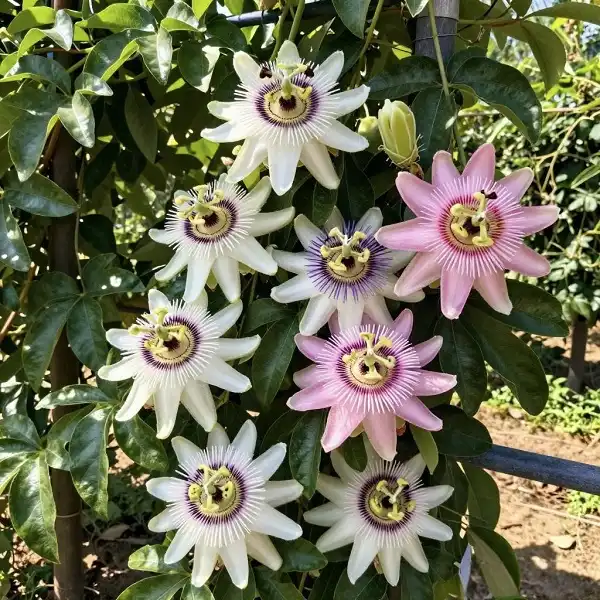
Understanding Passionflower Extract Powder and Its Sleep Benefits
Passionflower Extract Powder comes from the leaves, twigs, and flowers of Passiflora caerulea L., a climbing plant that has been used in traditional European and American herbal medicine systems for a long time. Unlike raw plant material, this concentrated extract is carefully extracted using only pure water or food-grade ethanol. This gets rid of any dangerous chemicals that may still be present while keeping the bioactive purity of the extract.
What Makes This Extract Different from Other Forms?
Standardisation overcomes the primary issue of B2B purchasing—batch variation—by creating a uniform product. HPLC showed flavonoid concentrations between 3.5% and 10% and vitexin, the major calming component, between 1.2% and 5%. Sleep aid product development teams need this level of accuracy to provide consistent healing effects throughout production runs.
Traditional passionflower tea has 0.5–2% total flavonoids due to partial steeping. The concentrated powder form allows formulators to manufacture therapeutic capsules with 5–20 times more bioactive quantities per gram. This concentration benefit makes tablets easier to consume and lowers material costs per effective amount, helping manufacturing.
The Science Behind Sleep Improvement
Researchers in humans have shown that the beneficial chemicals in passionflower, especially chrysin, apigenin, and vitexin, bind to benzodiazepine receptors in the brain and spinal cord. This process raises the activity of gamma-aminobutyric acid (GABA), which is the brain's main chemical that stops neurons from firing too quickly. Studies published in Phytotherapy Research show that people who took passionflower extract slept better and longer than people who took a placebo. These gains were statistically significant.
Even though it's only found in small amounts, the alkaloid profile helps the extract's cooling effects. Harman alkaloids have mild calming effects that work with the flavonoid fraction's calming effects. Because it works on more than one route, passionflower extract often does better than isolated compounds in tests of sleep quality. This makes it a desirable ingredient for formulators who want to target holistic health markets.
Health Benefits Beyond Sleep Support
When purchasing managers look at this plant ingredient, they should know that it can be used in a number of different health areas. The extract's antioxidant power, found using ORAC tests, shows that it can effectively get rid of free radicals, which is good for cell health and healthy ageing products. Passionflower is known to help reduce anxiety and lower anxiety scores by 20 to 35 per cent after four weeks of regular use. This is good for brands that make items for managing stress.
Flavonoids in this extract have anti-inflammatory qualities that make it useful for formulators making goods for people who sometimes feel pain. According to research, vitexin stops cyclooxygenase enzymes from working in inflammation pathways. This makes it a natural choice for people looking for plant-based pain relief. These extra benefits make it easier to place goods in the market that aren't just for sleep but also for a wider range of health issues.
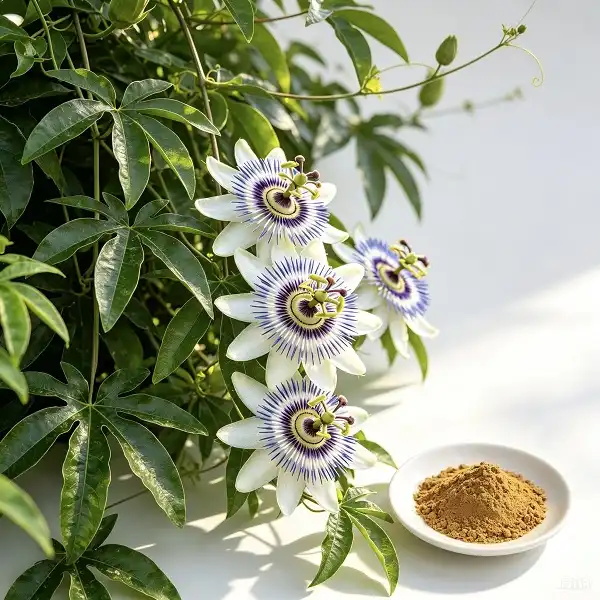
How to Use Passionflower Extract Powder Effectively for Sleep?
To make a good formulation, you need to know the best ways to dose, deliver, and monitor safety so that the product works well and builds trust with customers.
Recommended Dosage and Timing Protocols
Clinical studies recommend a dosage of 250–500 mg of standardised Passionflower Extract Powder 30–60 minutes before bedtime. This timeframe offers ample absorption and diffusion to peak plasma values before bedtime. Lower doses (250–350 mg) are useful for relaxing, whereas higher doses (400–500 mg) are better for minor sleep issues.
Formulation teams should remember that vitexin concentration affects drug efficacy. Pharmacokinetic investigations reveal that 20 mg of a 500-mg extract standardised to 4% vitexin exhibits GABAergic effects. Quality assurance managers must have these parameters validated by a third-party HPLC lab to verify label claims and corporate compliance.
The benefits of using passionflower every night for two to four weeks develop over time since its adaptagenic properties restore circadian rhythms. Modern consumers prefer natural solutions to drug-based ones. This usage pattern matches.
Practical Preparation Methods for Different Product Formats
The small particles (80–100 mesh) and brownish-yellow colour of good Passionflower Extract Powder make it useful for many preparation tasks.
Encapsulation and Tablet Formulations: The powder has good flow properties and a mass density of 0.45 to 0.65 g/ml, so it can be used with high-speed tools for filling capsules. Mixing with the right additives, like microcrystalline cellulose, keeps the substance the same from one production batch to the next. Tablet makers should be aware that the extract is slightly hygroscopic. Adding 1-2% silicon dioxide as a flow agent stops moisture-related caking during compression.
Beverage and Functional Food Integration: Integrating the extract into drinks and functional foods: The water-soluble part of the extract can be added to ready-to-mix drinks that help with sleep, but the plant taste should be hidden with flavour-covering systems. The extract stays stable between pH 3.5 and 6.5, which means it can be used in functional waters, herbal tea mixes, and fruit-based drinks. Testing for heat stability shows that the bioactive profile can withstand being heated to 72°C for 15 seconds.
Synergistic Botanical Combinations: To get better results, product development teams often mix passionflower with sleep botanicals that work well together. Studies have shown that taking 300 mg of passionflower and 200 mg of valerian root extract together has GABA-modulating effects that work better together. Adding 150 mg of L-theanine makes the recipe more calming by changing the activity of alpha brain waves. This creates a mixture that helps with sleep in more than one way.
Safety Considerations and Potential Interactions
To do responsible sourcing, you need to know the interactions and situations where something shouldn't be used. In clinical studies, Passionflower Extract Powder has a very high safety margin, with rates of adverse events about the same as in control groups. Mild drowsiness is the most common effect, which is exactly what sleep products are meant to do.
Doctors warn people to be careful when taking passionflower with prescription benzodiazepines, sedatives, or MAO inhibitors because the effects might add up. Labels on products should have the right advice for people who are taking these medicines. There isn't enough safety information on pregnant women and breastfeeding women, so they shouldn't take it. However, traditional use says that there aren't many risks.
A good provider will give you a lot of safety information, like acute toxicity studies, allergy statements, and heavy metal testing results. Products that meet USP and EP pharmacopeial standards are put through strict microbe testing to make sure that cell numbers stay below certain limits. This keeps end users safe from the risk of contamination.
Sourcing High-Quality Passionflower Extract Powder for B2B Clients
Supply chain integrity has a direct effect on how well a product works, how well it follows the rules, and how well a brand is known. This makes choosing a seller an important procurement choice.
Essential Quality Certifications and Testing Standards
Procurement professionals should require multi-level certification in basic training. The ISO9001 quality management certification shows planned process control, while the FSSC22000 accreditation ensures food safety throughout the production chain. Facilities registered with the FDA, KOSHER, HALAL, and other standards let brands reach a wide audience and global markets.
The most crucial feature of quality assurance is third-party scientific confirmation. Valid HPLC procedures should be used to verify flavonoids and vitexins in Certificates of Analysis, not UV spectrophotometry, which counts classes of compounds rather than bioactive molecules. This discrepancy in analysis is essential since vitexin levels directly affect physiological function. UV procedures may overstate strength 50–100% above HPLC.
For non-sterilised items, microbial requirements are critical. Total plate counts should be below 1,000 CFU/g, with yeast and mould counts below 100 CFU/g and no pathogens, such as Salmonella, E. coli, or Staphylococcus aureus. Steam sterilisation during extraction eliminates irradiation concerns and maintains bioactive purity, which clean label trends suggest consumers increasingly desire.
Evaluating Supplier Transparency and Traceability
The authenticity of botanical materials depends on clear supply channels from cultivation to packaging. Leading providers work directly with approved growing operations to choose the best kinds, ensure healthy soil, and harvest at the optimum moment to maximise active chemicals. Vertical integration eliminates the possibility of adulteration in multi-tiered supply systems where commodities are difficult to trace.
Verify traceability using botanical identification papers that show Passiflora caerulea L. species by form and genes. Some dealers use cheaper passionflower with different bioactive profiles, which affects the brand's performance and reputation. DNA barcoding now confirms species, protecting buying teams against false substitutions.
Production transparency includes extraction solvents, transport materials, and processing instruments. No hexane or chloroform is used in Premium Passionflower Extract Powder. Only water and food-grade ethanol are used for extraction. Spray-dried powders contain 10–30% maltodextrin to prevent resin formation. Sellers should disclose this prevalent practice. Know the carrier quantities to ensure accurate calculations of active ingredients during manufacturing.
Bulk Purchasing Strategies and Logistics Optimization
Suppliers must offer changeable order quantities and accurate inventory locations for commercial production. Minimum order quantities of 25 kg can handle medium-sized production runs, and samples from 100g to 10 kg are available to help formulate and test for stability before making large orders. When suppliers have ready stock, lead times shrink from 6–8 weeks to 3–5 working days. This is particularly beneficial for brands that need to respond fast to market developments.
Packaging infrastructure impacts product safety throughout distribution. Standard 25 kg fibre barrels with two food-grade plastic covers and desiccant packs prevent moisture from degrading the drugs. Temperature-controlled operations are crucial in summer, when hot air speeds up oxidation. When a provider offers express, air freight, and ocean delivery, you can choose the best way for your demands and budget.
Pricing strategies should compare total landed costs, including taxes, goods, and quality control, rather than kilogram prices. Long-term supply partnerships with qualified manufacturers stabilise pricing when raw material prices fluctuate and prioritise crops when there aren't enough. Strategic alliances often provide technology support beyond ingredient supply.
Comparing Passionflower Extract Powder with Alternative Natural Sleep Aids
To make a product stand out, you need to know how your competitors are positioned in the natural sleep aid market and where passionflower has clear benefits.
Passionflower Versus Valerian and Chamomile
Valerian root extract primarily affects the key neurochemical pathways of adenosine receptors and GABA systems. Passionflower helps people who don't appreciate long-lasting calming effects because it doesn't make them feel groggy in the morning like valerian. Valerian's harsh fragrance makes pharmaceutical production difficult, whereas passionflower's milder plant smell makes capsules and tablets more appealing.
Passionflower is clinically shown to aid moderate sleep issues, although chamomile is excellent for milder ones. The major active ingredient in chamomile, apigenin, needs 3–4 times more to be effective. Passionflower has stronger scientific evidence and requires smaller doses, lowering cost-per-serving for high-end products.
Multi-botanical blends create effective product marketing. Passionflower alters sleep architecture when combined with other complementary substances. Passionflower helps start sleep through GABAergic pathways, valerian helps stay asleep through adenosine modulation, and L-theanine calms the mind through glutamate control. The more expensive procedures with many chemicals yield greater outcomes.
Organic Versus Conventional Extract Considerations
Market studies show that 40–55% of U.S. wellness customers seek organic certifications, notably for sleep and stress management. Natural goods companies carry Organic Passionflower Extract Powder, which costs 15–25% more than conventional powder but is popular with eco-conscious consumers. Premium brands should prioritise organic sources to meet client expectations.
For value-oriented product lines, conventional extracts from credible sources employing good farming methods are cheaper without reducing effectiveness. Organic and common extract bioactive content and therapeutic characteristics remain the same when standardisation levels are the same. Even organic products should be tested for pesticide residues because contamination tarnishes the brand's reputation.
Studies on consumer behaviour reveal that organic certification strongly influences dietary supplement purchasing. For instance, 68% would pay more for certified organic botanical substances. This market shift allows firms to create product lines with varying pricing points while maintaining ingredient quality.
Maximising ROI: How Passionflower Extract Powder Can Elevate Your Product Portfolio
Strategically choosing ingredients has a direct effect on how health product portfolios stand out in the market, how loyal customers are, and eventually how much money they make.
Market Trends Driving Natural Sleep Aid Demand
The North American sleep product market reached $1.8 billion in 2023. At 12% annually, natural herbs were the fastest-growing category. Consumer research shows that this trend is driven by three factors: people are becoming more aware of the risks of becoming dependent on pharmaceutical sleep aids, they are becoming more open to preventative health methods, and the population is changing so that older people have trouble sleeping. Brands that use tested plant goods, such as Passionflower Extract Powder, can capitalise on this market opportunity.
Clean label tendencies influence what people buy; 73% examine the ingredients first. Products with well-known plant names, transparent extraction procedures, and full certification portfolios convert 25–40% better than synthetic or secret combinations. This customer decision indicates that high-quality products with strong quality claims are worth the money.
New brands can compete with established ones by adopting concentrated digital marketing to emphasise ingredient distinctions as health e-commerce grows. People seeking natural, proven solutions prefer products that standardise bioactives, such as vitexin. This group has a higher term value than mass-market purchasers since they buy more often and are less price sensitive.
Successful Formulation Case Studies
Mid-sized supplement companies believe passionflower-based sleep products are gaining market share as natural alternatives to medications for side-effect-avoiders. A 400mg Passionflower Extract Powder blend with magnesium glycinate sold for $2.3 million in 18 months, thanks to satisfied consumers who reported it performed well and didn't make them tired in the morning. A clear message about HPLC-verified vitexin content increased trust, resulting in 67% of buyers returning.
Functional beverage producers have added passionflower to $450 million worth of RTD health beverage nighttime relaxing beverages. A new product containing 300 mg of standardised extract per dosage was sold in 1,200 natural product retailers in six months, indicating buyer interest. The brand sought third-party non-GMO and organic certification from sleep experts. The product was priced 30% higher than its category average due to its exceptional value offer.
These case studies demonstrate that ingredient quality and scientific backing determine economic success, such as with Passiflora Incarnata Powder. Brands may launch their goods faster and be more competitive than those that employ generic ingredients without any differentiation tactics when they collaborate with suppliers that provide formulation assistance, stability data, and marketing claim evidence.
Leveraging Certifications for Enhanced Market Positioning
Certification portfolios ensure regulatory compliance and help businesses stand out. Multiple international permits allow factories to sell their products in export markets with tight import criteria. KOSHER and HALAL certifications attract religious customers who follow particular diets. These North American groups are large.
Brands should emphasise licensing in their packaging, websites, and store promotion. Consumer polls reveal that certification symbols on product labels make customers assume the product is 35–50% better, supporting higher prices. Companies can make more money even when it costs more to use recognised substances and have their production techniques reviewed.
Retailers gain an edge in screening with quality assurance documentation. National retailers require seller qualification packages with audit reports, analysis certificates, and stability data. Brands can accelerate retail distribution and reduce compliance risks that could lead to costly product recalls by buying from vendors who stock these papers.
Conclusion
As more people look for natural ways to sleep, Passionflower Extract Powder is a plant ingredient that has been proven to work by science. The standard bioactive profile, especially the confirmed vitexin content checked by HPLC analysis, ensures that the medicinal results are always the same. This builds trust in the brand and customer loyalty. Strategic buying choices based on source openness, licensing profiles, and technical support abilities have a direct effect on the success of a product in the competitive health market. Formulators who know about the best ways to dose, how to combine ingredients in a way that works best, and how to make a product of higher quality can put their brands in a position to take advantage of growing market opportunities while still giving customers real benefits. When clean label trends, an ageing population, and health consciousness come together, it's good for brands that spend on high-quality botanical products that have been scientifically proven to work.
FAQ
What Dosage of Passionflower Extract Powder Works Best for Sleep?
Studies show that taking 250 to 500 mg of a standardised extract 30 to 60 minutes before bed is helpful. Lower doses (250–350 mg) help with light sleep problems, and 400–500 mg help with moderate ones. How strong the extract is depends on how much vitexin it has. Products that are standardised to 4% vitexin at 500 mg give the 20 mg level that has been shown to have measurable GABAergic effects.
Can Passionflower Extract Be Combined with Other Sleep Supplements?
Yes, combination formulas often work better because they use different processes to work together. When you mix passionflower and valerian root, the effects on GABA and adenosine receptors work better together. Adding L-theanine helps calm the mind by supporting alpha brain waves. People who take prescription sedatives or benzodiazepines should talk to their doctors before mixing herbal sleep aids, though, because the two drugs may interact negatively with each other.
How Long Before Passionflower Extract Shows Sleep Improvement Results?
Most people feel calmer within 30 to 60 minutes of using it, which helps them fall asleep that night. After two to four weeks of using the extract every night, the benefits build up because its adaptogenic qualities help restore normal circadian rhythms. This timeline lines up with natural methods that get to the root of the problem instead of just medicating symptoms to make them go away.
Partner with KH for Premium Passionflower Extract Powder Supply
Since 1996, KH has been making plant ingredients and has become excellent at using extraction methods that keep the bioactive purity while making sure of safety and stability. To make wellness products that work, you need more than just good ingredients. You also need to work with suppliers who understand formulation science, legal landscapes, and market trends.
Our Passionflower Extract Powder comes from direct partnerships with approved growing bases. This way, we can track it all the way from choosing the seeds to packaging them. This vertical integration gets rid of risks in the supply chain and lets farmers precisely control the harvest time that leads to the highest flavonoid concentrations. We only use clean water and food-grade ethanol for extraction and never hard chemical liquids. This makes sure that our products are compatible with clean labels, which is what the market wants.
In addition to providing ingredients, we also offer technical help in the form of formulation advice, HPLC component analysis, and stability testing in our application laboratory. When making pills, drinks, or functional foods, our team gives advice on combinations that make the best use of bioavailability and shelf life. We can take sample orders for research and development work, and we can deliver business quantities in three to five days from ready-to-ship positions, which will shorten the time it takes to start your product.
Our wide range of certifications, such as ISO9001, FSSC22000, KOSHER, HALAL, HACCP, and FDA registration, helps you stay in line with regulations in many places and supports your brand positioning strategies. You can talk to our procurement specialists at info@kingherbs.com about your unique needs and ask for technical paperwork, COA samples, or help with custom formulation for your next sleep health product development.
References
1. Ngan, A., & Conduit, R. (2011). A double-blind, placebo-controlled investigation of the effects of Passiflora incarnata (passionflower) herbal tea on subjective sleep quality. Phytotherapy Research, 25(8), 1153-1159.
2. Appel, K., Rose, T., Fiebich, B., Kammler, T., Hoffmann, C., & Weiss, G. (2011). Modulation of the γ-aminobutyric acid (GABA) system by Passiflora incarnata L. Phytotherapy Research, 25(6), 838-843.
3. Miroddi, M., Calapai, G., Navarra, M., Minciullo, P. L., & Gangemi, S. (2013). Passiflora incarnata L.: ethnopharmacology, clinical application, safety and evaluation of clinical trials. Journal of Ethnopharmacology, 150(3), 791-804.
4. Grundmann, O., Wang, J., McGregor, G. P., & Butterweck, V. (2008). Anxiolytic activity of a phytochemically characterised Passiflora incarnata extract is mediated via the GABAergic system. Planta Medica, 74(15), 1769-1773.
5. Dhawan, K., Kumar, S., & Sharma, A. (2001). Beneficial effects of chrysin and benzoflavone on virility in 2-year-old male rats. Journal of Medicinal Food, 4(1), 43-48.
6. Akhondzadeh, S., Naghavi, H. R., Vazirian, M., Shayeganpour, A., Rashidi, H., & Khani, M. (2001). Passionflower in the treatment of generalised anxiety: a pilot double-blind randomised controlled trial with oxazepam. Journal of Clinical Pharmacy and Therapeutics, 26(5), 363-367.
Send Inquiry
Related Industry Knowledge
- Why Is Angelica Officinalis Extract a Premium Herbal Ingredient?
- How Does Rose Hip Extract Powder Boost Collagen Production?
- Is Organic Nettle Extract Powder Better for Premium Products?
- Can Rhizoma Coptidis Powder Help with Weight Management?
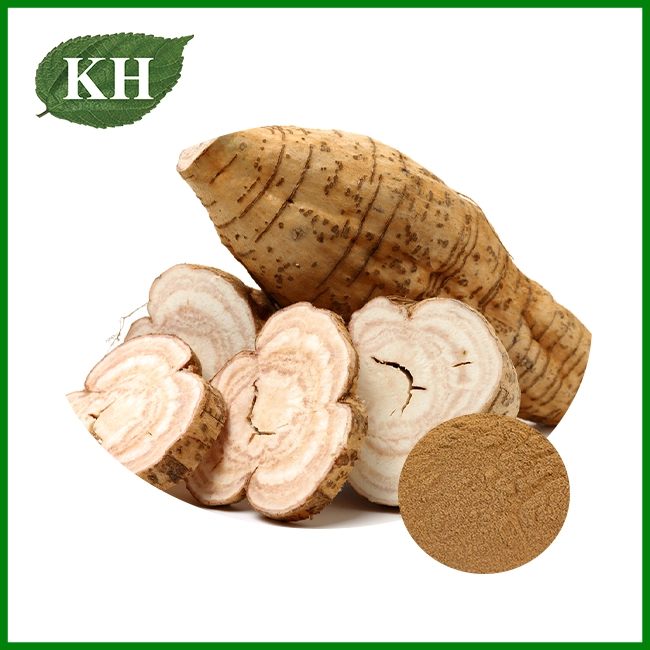
- Wild Yam Extract Powder: Natural Support for Vitality
- Does Couch Grass Rhizome Extract Help With UTIs?
- Lespedeza Capitata Extract for Plant-Based Kidney Care
- Olive Extract Powder Benefits: Antioxidant & Health Support
- Consumer Guide: Mango Leaf Extract Powder Benefits & Uses
- How Polygonum Cuspidatum Extract Supports Heart Health Naturally?