_1762508637542.webp)
Where to Source Quality Rhizoma Coptidis Powder in Bulk?
Sep 22, 2026
If you're looking for a dependable supply of bulk Rhizoma Coptidis Powder, the best choice is a certified botanical manufacturer that offers full traceability, consistent berberine levels, and meets international quality standards. KH (Kingherbs Limited) has been providing Coptis chinensis root extract to supplement brands, pharmaceutical companies, and nutraceutical makers since 1996. We keep stock available, offer fast shipping, and require a minimum order of just 25kg, making it easy and clear for B2B buyers in the U.S.and around the world to purchase in bulk.
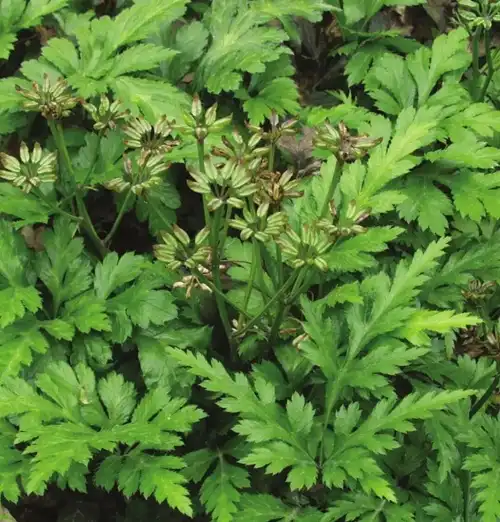
Understanding Rhizoma Coptidis Powder: Benefits and Market Needs
For more than 2,000 years, traditional Chinese medicine has made use of Huang Lian powder, which is produced from the dried roots of the Coptis chinensis plant. Scientific research supports its conventional usage, adding value to it in today's B2B market.
The health advantages of Huang Lian are mainly due to its active component, berberine hydrochloride. Scientific journals such as Metabolism and Phytomedicine have published studies demonstrating that berberine can activate AMPK pathways, which in turn help regulate glucose levels and enhance lipid metabolism. Berberine has a stronger effect when mixed with other substances like coptisine, palmatine, and epiberberine, all of which are alkaloids.
Different sectors of the economy benefit from Coptis chinensis root powder in the following ways:
- Brands of Nutraceuticals and Supplements: Formulators incorporate standardised Coptis root powder into metabolic health blends and pills for blood sugar management. This ingredient is exact enough to be claimed on the label because it meets the ≥5.0% berberine standard, as tested by HPLC.
- The extract is highly prized for use in acne serums and anti-inflammatory topicals due to its bacteriostatic action against Propionibacterium acnes, which is a common bacterium in personal care and cosmetic products. Incorporation is possible with nano-emulsion processing without the appearance of stains.
- Animal Nutrition and Veterinary Care: Weaned piglets and fowls experience less diarrhoea when given Coptis root extract, a natural alternative to antibiotic growth promoters (AGPs), which modulates the gut flora.
Rhizoma Coptidis Powder is in high demand in the B2B markets of the United States and Europe, and these application profiles help to explain why. Rather than focusing solely on raw material delivery, procurement managers should seek out suppliers who can comprehend the needs of formulation.
Key Criteria for Selecting Quality Rhizoma Coptidis Powder Suppliers
It takes more than just looking at pricing sheets to find the best provider of Coptis chinensis powder. There is no hierarchy of importance when it comes to technical support capacity, regulatory documentation, and quality consistency.
Alkaloid Assay and Purity Documentation
A comprehensive HPLC laboratory report confirming berberine content, coptisine levels, and overall alkaloid profile should accompany every batch of quality Rhizoma Coptidis Powder. Along with pesticide residue screening for organochlorine and organophosphorus chemicals, buyers should ask for ICP-MS heavy metal results for lead (Pb < 3.0 mg/kg), cadmium (Cd < 0.5 mg/kg), mercury (Hg < 0.1 mg/kg), and arsenic (As < 1.0 mg/kg).
Certifications and Compliance Standards
Any respectable producer of Coptis root powder worth their salt will have the appropriate, market-specific certificates on hand. KH's Rhizoma Coptidis Powder is supported by ISO9001, FSSC22000, KOSHER, HALAL, HACCP, and FDA registration for various nutritional supplement, food ingredient, and cosmetic uses in the US.
Supplier Reputation and Traceability
Verification of species is important. Verifying the source as authentic Coptis chinensis, rather than imposter species like Thalictrum or low-berberine Berberis, should be possible through DNA barcoding or microscopic identification. With KH, you can track your seeds from seed to shipment thanks to our direct partnerships with planting bases, where we manage varieties, soil conditions, and harvest timing.
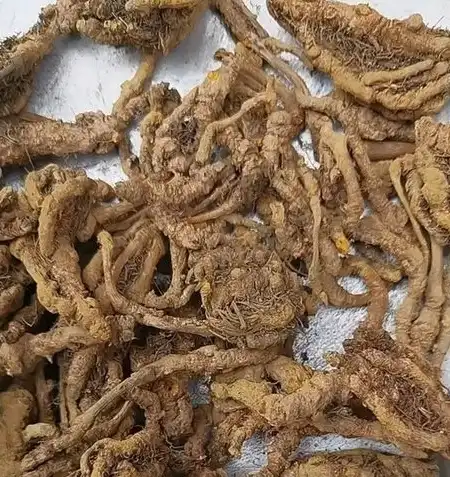
Comparing Rhizoma Coptidis Powder: How to Make the Right Choice?
A common question that comes up for procurement teams is whether to use whole Rhizoma Coptidis Powder or go with isolated berberine HCl.This decision can impact both the cost and how well the product performs in a formula.
Whole Coptis root powder typically contains 5–7% berberine, while Goldenseal has about 2–4%.
When making large batches, the higher natural berberine content in Coptis chinensis makes it a more cost-effective choice for creating strong formulations. Isolated berberine HCl is very concentrated, but it doesn't include the other alkaloids that support the body’s ability to use it and may also reduce the chance of unwanted side effects. The natural mix of alkaloids in Coptis helps the body absorb and use the compound more effectively, which is a major benefit for high-quality supplement products.
When deciding between organic and non-organic sources, buyers aiming to meet European or clean-label U.S.
Market standards may find that organic-certified Coptis powder is more expensive, but it can improve the product’s appeal to consumers. Non-organic options can still be suitable for pharmaceutical and B2B uses, especially if they have been tested to ensure they are free from harmful pesticide residues.
Bulk Purchasing Strategies and Sourcing Channels
Getting a large amount of Chinese gold thread powder requires carefully handling the supplier's certifications and dealing with shipping challenges.
Rhizoma Coptidis Powder keeps its alkaloid properties for up to 24 to 36 months if stored in 25kg fiber drums with double-layered polyethylene bags.
The storage should be in a cool place (below 25°C) and dry, as per KH's shipping guidelines. Customers can choose different shipping methods that fit their inventory plans, such as courier, air transport, or sea shipping.
To ensure the reliability of supplies over the long run, keep these guidelines in mind when you negotiate and purchase:
- Flexibility in Minimum Order Quantity: Prior to committing to commercial numbers, you have the option to order sample quantities or modest trial orders (MOQ: 25kg). Researchers and developers of innovative products no longer have to worry about sourcing risks because of this.
- Commitments to Batch Traceability: Assert the need for microbiological data, HPLC reports, and batch-level certificates of analysis as mandatory, not optional, delivery documentation.
- Agreement Conditions for After-Sale Assistance: Acquire contracts that cover more than only the supply of materials; they should also include technical advice, reformulation recommendations, and access to stability testing.
Fast dispatch is made possible by KH's ready stock, which is crucial when manufacturing schedules can't handle longer lead times.
Usage Guidelines and Incorporation into Product Lines
Pay close attention to the physicochemical behaviour of Coptis chinensis before incorporating its root powder into completed compositions. Because the unprocessed powder is practically insoluble in water, hydro-alcoholic extraction or nano-suspension processing is necessary for use in liquid applications. The most convenient way to administer this medication is orally in the form of capsules, pills, or soft gels; to hide the extremely bitter and long-lasting flavour, enteric coating is advised.
To be used topically, the powder is transformed into refined extracts or nano-emulsions that specifically target the skin layers while avoiding any obvious discolouration. The powder remains effective when pelleted and shows stability at feed processing temperatures, making it ideal for use in animal nutrition.
Following the same guidelines as for shipment, your facility should store the powder in fibre drums with sealed polyethylene bags inside. Keep the temperature below 25°C and keep the bags away from moisture and light. The amount of active alkaloids stays the same for the entire 24-36 month shelf life when stored in this way.
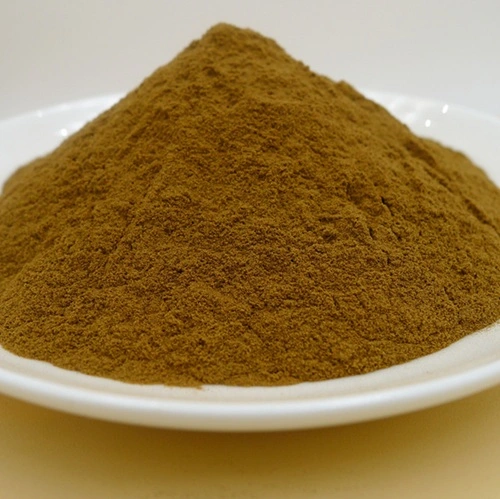
Conclusion
When sourcing bulk Rhizoma Coptidis powder, it's important to check for alkaloids, find trusted suppliers, make sure there's proper certification, and use dependable shipping methods. Coptis root extract is used in nutritional supplements, medicines, cosmetics, and animal feed because there's growing clinical evidence showing it helps with metabolic health and fights microbes. If you're looking for reliable, well-documented, and ready-to-use material with real technical support throughout your supply chain, working with an experienced manufacturer like KH is the best choice.
FAQ
What certifications should a Rhizoma Coptidis Powder supplier hold?
Reputable suppliers should carry ISO9001, FSSC22000, HACCP, KOSHER, HALAL, and FDA registration as a baseline. KH's Coptis chinensis powder meets all these standards, supporting compliance for U.S. dietary supplement and food ingredient applications.
How do I verify berberine content in a bulk order?
Request a batch-level HPLC analysis report confirming the berberine hydrochloride percentage, alongside TLC identification for species authenticity. Third-party verification through labs such as Eurofins or SGS adds an additional layer of assurance.
What is the difference between Coptis root powder and isolated berberine HCl?
Whole Coptis powder retains the full alkaloid complex — berberine, coptisine, and palmatine — which works synergistically to improve bioavailability and reduce resistance risk compared to isolated berberine HCl.
What is the minimum order quantity for trial purposes?
KH accepts sample quantities and small trial orders before the commercial MOQ of 25kg, making it accessible for R&D teams evaluating the ingredient before scale-up.
How should the powder be stored after receipt?
Store in sealed polyethylene-lined drums below 25°C, away from direct light and moisture. Proper storage preserves alkaloid integrity for 24–36 months.
Partner with KH for Certified Rhizoma Coptidis Powder Supply
KH has been a trusted Rhizoma Coptidis Powder manufacturer and supplier since 1996, combining planting-base traceability, solvent-safe extraction, and batch-documented quality across every shipment. Our team provides formulation support, custom specifications, and prompt delivery — ready stock available now. Send your specifications or request samples directly to info@kingherbs.com or visit www.kingherbs.com to start your sourcing conversation today.
References
1. Yin, J. et al. "Berberine improves glucose metabolism through induction of glycolysis." American Journal of Physiology – Endocrinology and Metabolism, 2008.
2. Imenshahidi, M., & Hosseinzadeh, H. "Berberis Vulgaris and Berberine: An Update Review. "Phytotherapy Research, 2016.
3. Tillhon, M., et al. "Berberine: New perspectives for old remedies. "Biochemical Pharmacology, 2012.
4. Chinese Pharmacopoeia Commission. Pharmacopoeia of the People's Republic of China (ChP 2020). China Medical Science Press, 2020.
5. United States Pharmacopoeia. USP Herbal Medicines Compendium: Coptis Rhizome. USP Convention, 2021.
6. Neag, M.A., et al. "Berberine: Botanical Occurrence, Traditional Uses, Extraction Methods, and Relevance in Cardiovascular, Metabolic, Hepatic, and Renal Disorders." Frontiers in Pharmacology, 2018.
Send Inquiry
Related Industry Knowledge
- How Does Artemisia Argyi Extract Enhance Herbal Skincare?
- Is Maral Root Extract the Next Breakthrough in Herbal Wellness?
- What Is Jerusalem Artichoke Extract Used For?
- How to Source Reliable Cocoa Seed Extract from China?
- Where to buy organic nettle extract powder?
- White Willow Bark - A Natural Pain Reliever and Modern Applications
- How Quickly Can Blueberry Extract Powder Show Visible Benefits?
- Can White Willow Bark Extract Powder Support Natural Pain Relief?
- Can White Willow Bark Extract Powder Promote Joint Health?
- Why US Buyers Choose China for Mango Leaf Extract?