_1762508637542.webp)
Where to Buy Ginger Extract Powder in Bulk for Import
Sep 10, 2026
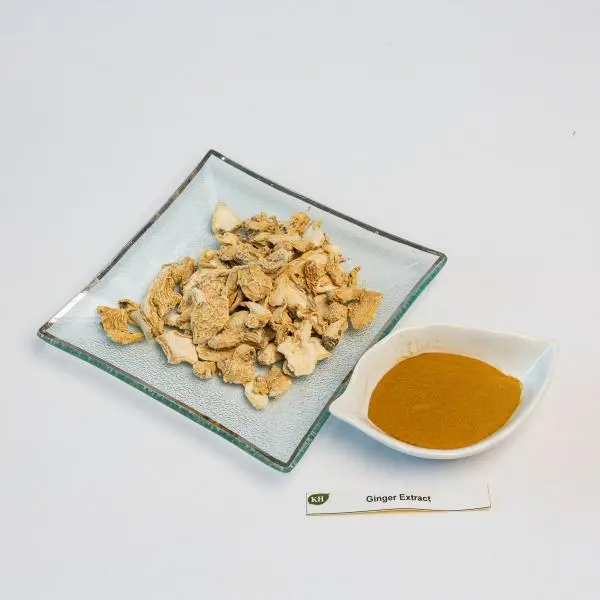
When sourcing standardized botanical ingredients for dietary supplements, functional foods, or cosmetics formulations, procurement managers often ask: where to buy ginger extract powder in bulk for import with verified gingerol content and compliant documentation? Kingherbs Limited offers end-to-end traceability from controlled Zingiber officinale rhizome cultivation through HPLC-tested extraction, delivering batch-consistent extracts with 5-35% gingerols. Our natural extraction using food-grade ethanol or purified water ensures ICH Q3C compliance (solvent residues below 5000ppm), meeting FDA, FSSC22000, KOSHER, and HALAL standards. With ready stock enabling 3-5 business day sample delivery and flexible MOQs starting from trial orders, we support both SMEs testing formulations and large manufacturers scaling production. This guide walks through technical specifications, supplier verification, and import logistics to help you make confident bulk purchasing decisions.
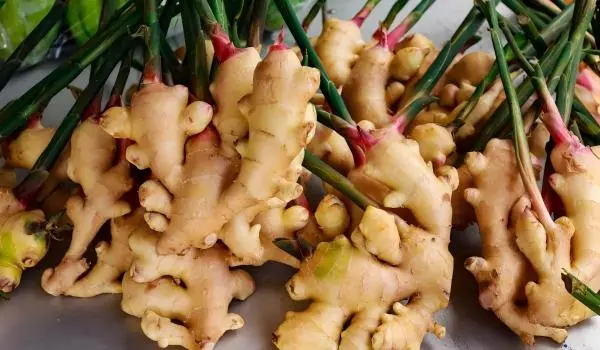
How to Choose the Best Ginger Extract Powder for Bulk Import
To choose the best extract specification, you need to make sure that the technical parameters match your production capabilities and the needs of the finished product. Decisions about purchases affect how well formulations work, how well they follow regulations, and, in the end, how well they do in the market. Ginger Extract Powder procurement requires alignment of technical parameters with production capabilities.
Critical Quality Specifications for B2B Buyers
Standardization of potency is the main selection criterion. A 5% gingerol extract is good for general health supplements. A 20–35% concentration is better for clinical-dose joint health or weight management formulas that need to get the most active ingredients into their small capsules. The 4:1 ratio extract (four kilograms of raw material yielding one kilogram of extract) is mild enough for food use, while the 10:1 ratio extract is pharmaceutical-grade strong enough for therapeutic dosing.
Purity checking with HPLC testing proves the active chemical profiles and finds any added substances. According to the Certificates of Analysis, the gingerol content should be within ±5% of the specification, heavy metals should be below USP limits (lead <3ppm, arsenic <2ppm, cadmium <1ppm), microbial counts should meet FSSC22000 standards (total plate count <1000 CFU/g, yeast/mold <100 CFU/g), and pesticide residues should be in line with EU rules. Full spectral analysis is included in our batch documents, which lets R&D teams guess how ingredients will behave during formulation trials.
Organic Certification Versus Conventional Sourcing
Organic-certified extracts cost 15–25% more than regular ones, but they let goods with the USDA Organic or EU Organic label get into the market. Natural goods brands like the approval because it proves that the crops were grown without using synthetic fertilizers or pesticides. For mass-market uses where organic claims aren't important, conventional extracts are a cost-effective option. Both versions should be made according to GMP guidelines and go through the same purity tests. The organic status only affects the inputs used in farming, not the safety of the extraction process or the quality of the final product.
Particle Size and Physical Form Considerations
Fine, free-flowing powders are needed for encapsulation processes. Our 80-mesh particle size (98% pass rate) keeps capsule machines from getting stuck and makes sure that doses are the same in size 0 or size 00 capsules. Controlled mass density between 0.40-0.60 g/ml helps with tablet compression by making sure that die filling and stiffness are always the same. Manufacturers of drinks need water-dispersible types that use micro-encapsulation or cyclodextrin complexation to stop settling and get rid of the "ringing" problem that happens when raw ginger powder is mixed with clear liquids. To get an idea of how well the sample will work in the real world, test the spread in your true production matrix instead of just water.
Evaluating Supplier Credibility and Supply Chain Stability
Reliable suppliers keep backward integration in place when it comes to getting raw materials. We work with certified Zingiber officinale cultivation bases that choose which varieties to grow, when to harvest them to get the most gingerol (usually 8 to 10 months), and how to handle them after harvesting to stop enzymes from breaking them down. This tracking meets the FDA's requirements for botanical identity under 21 CFR Part 111. If asked, DNA authentication and microscopic verification reports are given.
During times of high demand, supply stays steady based on production ability. Our facility handles 50 metric tons of food every month, and our climate-controlled warehouses keep the moisture level at less than 5 percent, which means that food can be stored for longer than 24 months. Certifications like ISO9001, FSSC22000, KOSHER, HALAL, and HACCP show that quality control is done at the system level, not just for testing products. During source audits, ask for copies and check the validity of certificates with the organizations that issued them.
Top Trusted Ginger Extract Powder Suppliers and Brands for Bulk Purchase
Finding makers with a history of exporting and technical support skills lowers the risks of buying things and creates long-term business benefits that go beyond just supply relationships. Purchasing Ginger Extract Powder from established manufacturers ensures consistent quality.
What Differentiates Leading Manufacturers
Since 1996, Kingherbs Limited has been making plant ingredients. They make hundreds of standardized extracts for companies in North America and Europe that make food supplements, medicines, and cosmetics. Our competitive benefits come from vertical integration. Being able to control cultivation partnerships means that the quality of our raw materials stays the same and they are always available, even when harvest times change and affect the spot market and suppliers.
Verification Steps Before Placing Orders
The most important part of due diligence is still evaluating samples. Ask for 100–500g samples along with Certificates of Analysis that show HPLC chromatograms and not just summary numbers. If the claimed specifications don't match up with your own third-party lab testing, it could mean that there are problems with quality control or that the specs were lied about on purpose. Our samples are sent out within three to five business days, so you can quickly try out different formulations before placing a full order.
Pricing Structures and Negotiation Approaches
Standardized ginger extracts cost between $25 and $65 per kilogram at wholesale, based on the amount of gingerol in them, whether they are certified organic, and the size of the order. Gingerol grades with 5% gingerol usually cost between $28 and $35/kg for 500 kg, while grades with 20% gingerol cost between $50 and $65/kg. Spot purchases don't always get better prices than volume promises spread out over multiple shipments throughout the year. For example, yearly contracts for 2–5 metric tons often get 8–12% discounts plus freight cost sharing.
Importing Ginger Extract Powder: Logistics, Customs, and Quality Assurance
To follow the rules for foreign trade and keep the quality of the ingredients while they're being shipped, you need to know about the specific paperwork needs, packaging standards, and quality control procedures for botanical extracts. B2B buyers must prioritize logistics when importing Ginger Extract Powder to ensure timely delivery.
US Import Regulations and Documentation Requirements
Botanical food ingredients come into the US under HS Code 1302.19, which is for "vegetable saps and extracts." The duty rates are usually between 1% and 4%, but they depend on the type of extract and what it is used for. Under the Federal Food, Drug, and Cosmetic Act, the FDA controls imports. For commercial courier shipments, the FDA needs at least two hours of notice through the Prior Notice System Interface before the shipment arrives.
Your customs broker needs a business invoice with a packing list, a statement of intended use, a botanical name, a specification, and the amount of the product. The invoice should also include a Certificate of Analysis and a phytosanitary certificate from the country that is shipping the product. If the package claims to be organic, USDA NOP certification papers must be included. We send full paperwork packages in PDF format within 24 hours of receiving proof of your order. This speeds up the clearance process at customs and lowers the risk of demurrage at ports.
Packaging Standards for Quality Preservation
Gingerols are kept safe from oxidative damage and moisture absorption during ocean freight in pharmaceutical-grade packaging. Our normal 25 kg fiber drums come with two food-grade polyethylene inner bags that are heat-sealed under a nitrogen atmosphere. This keeps the moisture content below 5% for 30 to 45 days while the drums are being shipped. Labels meet OSHA guidelines for hazard communication and include the name of the product, the lot number, the date it was made and when it goes bad, how it should be stored, and how to contact the seller.
For air freight orders that need to be delivered quickly, we use vacuum-sealed foil bags inside cardboard boxes that meet IATA rules for dangerous goods, even though ginger extract is not dangerous. Temperature tracking devices can be added to shipments of high value, giving transit condition records that show exposure stayed within accepted ranges (15–25°C is best). This paperwork helps with insurance claims if quality problems happen because of the carrier's carelessness.
Third-Party Verification and Risk Mitigation
Before products leave our facility, they are inspected by SGS, Intertek, or other similar organizations to make sure they meet the requirements of the purchase. Inspectors check the amount of gingerol in the product using HPLC, make sure the packaging is solid, make sure the label is correct, and watch as the container is loaded. The inspection certificate strengthens your case if a disagreement arises and meets the needs of quality assurance managers who need more than just paperwork from the supplier to confirm the information.
Escrow payment plans through Alibaba Trade Assurance or similar platforms protect you in case the goods aren't delivered or don't meet your requirements. The money is only released after you confirm receipt of goods that meet your requirements. We're happy to work with these terms for new customers, but as trust grows through successful transactions, we'll switch to direct payment terms. Insurance that covers 110% of the value of the package protects against total loss during transit, but claims only happen in less than 0.5% of shipments sent by reputable freight forwarders, according to our research.
Maximizing Value: How to Use and Apply Ginger Extract Powder in Business
Knowing how to handle and formulate things in a way that is best for a certain application helps procurement professionals explain technical needs clearly and helps R&D teams make new products. Application-specific knowledge is vital when using Ginger Extract Powder in formulations.
Dietary Supplement Formulation Guidelines
For digestive health, 500 to 1000 mg of 5% gingerol extract every day is about right, which is about 5 to 10 grams of fresh ginger. This can easily be put into size 0 vegetable pills (which can hold about 500 mg) either by itself or mixed with stomach enzymes and peppermint extract. Higher amounts are used in joint health products that aim to reduce inflammation. For example, 300–600 mg of 20% gingerol extract is clinically useful and matches study methods that show COX-2 and 5-LOX pathway inhibition similar to ibuprofen in vitro.
When you compress a tablet, you have to choose excipients that have the right balance of flowability and binding properties. 40–50% microcrystalline cellulose gives the mixture bulk and the ability to be compressed, and 2–3% magnesium stearate makes sure that the mixture comes out of the dies properly. If your extracts flow well, direct compression works well. However, if your formulation has problems with bridging or capping during pilot runs, our technical team can suggest wet granulation processes.
Functional Food and Beverage Integration
Water-dispersible types work well with RTD drinks, but they need to be homogenized at 3000 to 5000 PSI to make sure they stay in suspension. Adding 50 to 200 mg of ginger per 8-ounce dose gives you a noticeable ginger taste and health benefits without making it too sweet or too hot. When you mix ginger with honey, lemon, and turmeric, you get a taste profile that goes well with health shots. Ginger and citrus also go well together in carbonated functional sodas.
Standard extract forms can be used in baked goods and nutrition bars. However, adding gingerol while the food is cooling keeps its potency longer than mixing it into batters that will be baked at temperatures above 150°C for a long time. For uses that need to handle things at high temperatures, encapsulation technologies are available to protect heat-sensitive compounds. Talk to our applications laboratory about your needs for unique solutions.
Cosmetic and Personal Care Applications
Warming massage oils and muscle rubs use sesame or coconut oil as carriers for ginger extracts that are 1% to 3%. The lipophilic gingerols dissolve easily, making formulations that don't separate and stay stable. To keep emulsions and creams from breaking down when they cool down (below 40°C), you need to add extract during the cool-down phase and use the right solubilizers if you're working with water-dispersible grades.
Scalp treatments and hair growth serums use caffeine and saw palmetto extracts, which have circulation-boosting qualities at amounts of 0.5 to 2%. Stability testing over 90 days at 40°C/75% RH confirms the integrity of the formulation and the retention of active compounds, which meet the standards for shelf life claims in the cosmetics industry. Our technical paperwork includes suggested starting formulas for common types of products, which cuts down on the time it takes to develop new products.
Conclusion
In order to get uniform, legal ingredients from your supply chain, you need to look at a number of factors when buying Ginger Extract Powder in bulk. These include standardizing the gingerol, making sure the seller is certified, making sure the extraction is pure, and planning how to bring the powder into the country. Kingherbs Limited takes full control of the whole process, from forming relationships with growers to making sure the herbs are extracted correctly and quickly sending them around the world. This eliminates the main problems that B2B buyers have, such as inconsistent potency, missing paperwork, and supply interruptions. If you're making digestive health supplements, functional drinks, or cosmetics for the skin, working with a manufacturer that offers technical support, flexible MOQs, and verified compliance will help your products do well in the market.
FAQ
What is the typical lead time for commercial orders?
Ready-stock items are sent out three to five business days after payment is confirmed. Custom specifications that need compounding or specific testing protocols take 10 to 14 days to make and check for quality. Ocean freight to US ports on the West Coast usually takes 18 to 22 days, while freight to ports on the East Coast usually takes 28 to 35 days. Air freight cuts arrival times from 5 to 7 days door-to-door, but it costs about 300% more to ship.
How do I verify gingerol content matches specifications?
Ask for Certificates of Analysis that include HPLC chromatograms with peak identification for 6-gingerol, 8-gingerol, and 10-gingerol, not just amounts of total gingerol. Use USP-NF or EP monograph methods to do third-party verification testing at independent labs such as Eurofins or Covance. Keep samples from each lot for future testing as a guide in case the performance of the formulation changes in a way that was not expected.
What differentiates organic certification from conventional extracts regarding safety?
Both are tested for heavy metals, pesticides, microbial contamination, and solvent residues in the same way. Organic approval checks that no synthetic herbicides or fertilizers were used in the farming of the raw materials, but it doesn't automatically mean that the gingerol is more potent or that there is less chance of contamination. Conventional extracts from reliable producers that meet FSSC22000 standards have the same level of safety at a lower cost.
Partner with KH for Premium Ginger Extract Supply
Kingherbs Limited can help you get the ingredients you need by providing standardized Ginger Extract Powder that has been tested for potency and comes with full certifications and quick technical support. Since 1996, we've been making things for dietary supplement brands, nutraceutical companies, beauty formulators, and buyers of food ingredients who need reliable plant supply chains. We are a reliable company that makes Ginger Extract Powder. We offer full traceability from certified cultivation bases, HPLC-verified specifications from 5 to 35% gingerols, and flexible ordering options, ranging from small trial batches to multi-ton annual contracts.
Contact our team at info@kingherbs.com to request samples with full Certificates of Analysis, talk about special extraction ratios for your needs, or get CIF quotes to your port of location. Because our applications laboratory helps with formulation, stability testing, and regulatory paperwork, we become your expert partner in more ways than just supplying you with goods. Change how long it takes to make a product and how reliable your supply chain is—contact us today to see the Kingherbs difference.
References
1. Palatty, P.L., Haniadka, R., Valder, B., Arora, R. & Baliga, M.S. (2013). Ginger in the prevention of nausea and vomiting: a review. Critical Reviews in Food Science and Nutrition, 53(7), 659-669.
2. Grzanna, R., Lindmark, L. & Frondoza, C.G. (2005). Ginger—an herbal medicinal product with broad anti-inflammatory actions. Journal of Medicinal Food, 8(2), 125-132.
3. Mansour, M.S., Ni, Y.M., Roberts, A.L., Kelleman, M., RoyChoudhury, A. & St-Onge, M.P. (2012). Ginger consumption enhances the thermic effect of food and promotes feelings of satiety without affecting metabolic and hormonal parameters in overweight men. Metabolism, 61(10), 1347-1352.
4. American Herbal Products Association. (2021). Botanical Ingredient Market Analysis: Trends in Dietary Supplement Manufacturing. Silver Spring, MD: AHPA Press.
5. Bhagavathula, N., Warner, R.L., DaSilva, M., McClintock, S.D., Barron, A., Ahmad, N. & Johnson, K.J. (2009). A combination of curcumin and ginger extract improves abrasion wound healing in corticosteroid-impaired hairless rat skin. Wound Repair and Regeneration, 17(3), 360-366.
6. United States Food and Drug Administration. (2020). Guidance for Industry: Current Good Manufacturing Practice in Manufacturing, Packaging, Labeling, or Holding Operations for Dietary Supplements. Washington, DC: FDA Center for Food Safety and Applied Nutrition.
Send Inquiry

Related Industry Knowledge
- Why Use Ginger Extract Powder in Functional Food Products?
- Is Rice Bran Extract the Next Breakthrough in Nutrition?
- Best Natural Ferulic Acid for OEM Skincare Products
- How to Import Blueberry Extract Powder from Trusted Suppliers?
- Why Do Manufacturers Prefer Standardized Nettle Extract Powder?
- Astaxanthin Oil vs Powder: Which Form Is Better for You?
- Unlocking the Benefits of Bitter Melon Extract Powder with Essential Specifications and Usage Tips
- Can Dill Seed Extract Support Metabolism and Wellness?
- Consumer Guide: Mango Leaf Extract Powder Benefits & Uses
- What Is The Moringa Horseradish Tree And Why Is It Called That?