_1762508637542.webp)
Why Do Manufacturers Prefer Standardized Nettle Extract Powder?
Jul 1, 2026
Standardized Nettle Extract Powder is being used more and more by companies in the nutrition, skincare, and pharmaceutical industries because it consistently offers beneficial amounts, especially β-sitosterol and silica, that non-standardized raw materials can't. This dependability gets rid of batch-to-batch differences, makes it easier to follow the rules, and backs up claims that the product can be repeated. Standardized extracts from Urtica dioica are not like raw nettle leaf or root powder. They go through strict testing using UV/HPLC methods to make sure that every shipment fits exact requirements. Manufacturers of food products and functional drinks need ingredients that work consistently at a large scale. Standardized nettle extract meets this need.
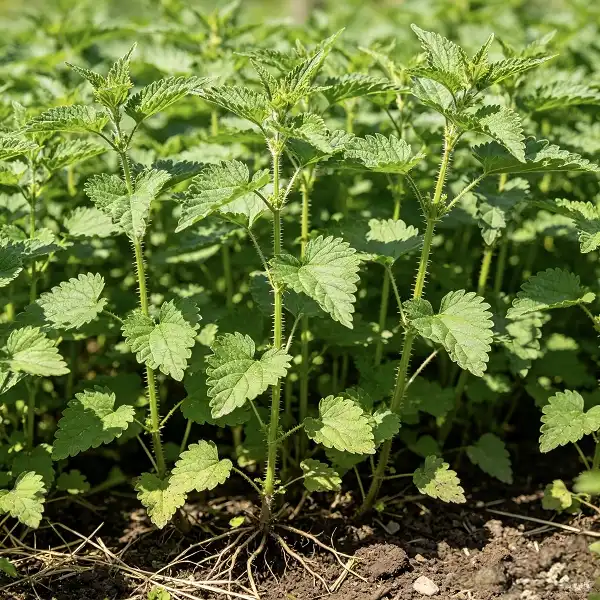
Understanding Standardized Nettle Extract Powder
What Defines Standardization in Botanical Extracts?
Standardized plant extracts are processed in a controlled way to make sure that they contain the right amount of active chemicals. When we get nettle root or leaf material from Urtica dioica, the raw plant naturally has different amounts of phytochemicals based on the soil, when it was harvested, and where it came from. This contradiction is fixed by standardization. Our extraction method concentrates bioactive markers, including β-sitosterol, which ranges from 0.8% to 8% in root extracts and silica which ranges from 1% to 8% in leaf-derived powders. This is confirmed by UV and HPLC testing methods.
With this careful method, random raw materials are turned into a fine, brownish-yellow powder that has the same level of strength. Standardized and non-standardized forms are very different from each other. One season, a lot of raw nettle leaves might have 0.3% flavonoids and the next, 1.2%. This makes it very hard for R&D teams to come up with new products. Standardized extracts take away the need to guess, providing reliable bioactivity that supports clear labelling and uniform customer experiences.
How Standardized Nettle Extract Differs from Traditional Forms
Traditional nettle goods, like dried leaf powder or made tea, keep the whole plant but aren't very bioavailable and don't always work well. There are fibre, cellulose, and inactive substances in raw nettle leaf powder that lower the quantity of nutrients that are good for you. Nettle tea is famous in the health community, but it only takes water-soluble parts and breaks down quickly, so it can't be used for industrial production.
Standardized nettle extract powder combines the healing chemicals into a form that is solid and can be stored for a long time. We separate and keep heat-sensitive lignans, polyphenols, and phytosterols while getting rid of useless plant material using water-ethanol extraction. In the end, a powder was made that dissolves better, absorbs better, and lasts longer. Manufacturers can get appropriate doses in smaller serving sizes, which lowers the number of capsules needed and the cost of making them. Because they work so well, supplement brands and contract makers choose standardized extracts over whole herb options.
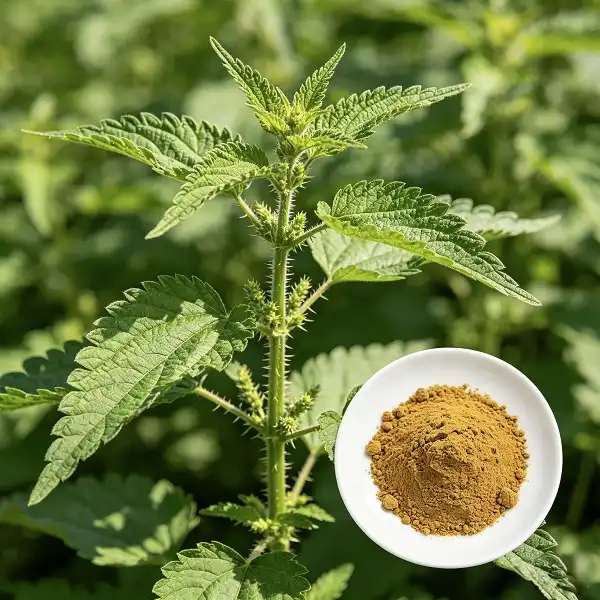
Why Standardized Nettle Extract Powder Outperforms Other Formats
Superior Bioavailability and Formulation Flexibility
Bioavailability, or the amount of an active ingredient that gets into the body's systems, is a key factor in how well a product works. Nettle extract powder is much more bioavailable than raw plant material. This is because the extraction process breaks down cell structures, letting phytochemicals that were bound inside them escape. When it comes to delivery methods, powdered form gives makers more options than any other form. The same ingredient works well in hard-shell pills, soft gels, pressed tablets, powdered drink mixes, and even hair and head creams that you put on your skin.
In B2B settings, this flexibility is very important. A company that makes food supplements might come out with both a joint health pill and a useful drink powder that targets inflammation. By using standardized nettle extract, they can keep the strength of both product lines the same without having to worry about reformulating. The powder's particles are small enough that 95% of them can pass through an 80-mesh screen. This makes sure that the powder mixes evenly in big production runs, which keeps it from segregating as larger materials do.
The Role of Organic Certification and Quality Standards
Organic approval used to just be a nice thing to have, but now it's a requirement for buying things. To keep up with clean label trends and get rid of manmade pesticide leftovers, brands aimed at health-conscious customers need approved organic products. Our nettle extract powder has been certified by KOSHER, HALAL, ISO9001, FSSC22000, HACCP, and the FDA. This gives makers the proof they need to sell their products all over the world.
Quality assurance managers have a lot of problems that these qualifications help with. Each certificate shows that strict production standards have been met, from checking the dirt at growing sites to testing the finished product for microbes. High-potency extracts that are standardized to certain β-sitosterol or silica percentages make it possible for labels to make clear, believable claims that can stand up to regulatory scrutiny. Certified organic nettle extract powder makes a real difference in competitive markets where buyers base their decisions on how clear the ingredients are. This is true for both B2B buyers and end customers.
Core Drivers Behind Manufacturers' Preference
Streamlined Production and Quality Consistency
Production efficiency directly impacts profitability. Standardized nettle extract powder simplifies manufacturing workflows by eliminating the variability inherent in raw botanicals. When every batch arrives with documented β-sitosterol content between 0.8% and 8%, formulation teams can calculate precise inclusion rates without adjustment. This consistency reduces waste from rejected batches and minimizes reformulation delays that disrupt production schedules.
Integration into diverse product formats happens seamlessly. Whether encapsulating for dietary supplements, blending into functional beverage powders, or incorporating into personal care formulations, the extract maintains stability. The low moisture content—less than 5%—prevents clumping and extends shelf life, while the fine particle size ensures smooth flow through automated encapsulation equipment. These technical advantages translate to faster production cycles and lower per-unit costs, critical factors for mid-sized manufacturers competing on tight margins.
Regulatory Compliance and Liability Risk Management
Every year, regulations get harder to understand. This is especially true in the US, where the FDA and FTC watch over claims about food supplements and ads. Standardized ingredients make it possible to keep track of the paperwork that is needed for compliance. Each package of our nettle extract comes with a Certificate of Analysis that lists the active ingredient concentrations, microbe testing results, heavy metal screening results, and pesticide residue testing results for that particular batch.
Manufacturers are protected from harm by this paperwork. When a finished product label says "Contains 300 mg nettle root extract standardized to 1% β-sitosterol," that promise can be traced back to approved standards for the raw materials. Standardized doses also keep brands from underdosing, which hurts trust with customers, and overdosing, which makes people worry about safety. When dealing with these complicated regulations, suppliers who keep their GMP certification and offer full tracking from the planting bases to the final package are very helpful.
Supplier Reliability and Long-Term Partnership Value
Manufacturers and sellers of ingredients have a partnership that goes beyond business. When brands are adding new products to their lines, they need partners that can ensure a steady supply, help with unique formulas, and act quickly when the market changes. Since its start in 1996, our business has gained a lot of experience in extracting plants and making connections with managed growing bases. This vertical merger ensures that the raw materials are real and stops problems in the supply chain that could stop production lines.
We provide private label and OEM services that allow brands to release unique goods without having to buy extraction facilities. With the help of our application labs and custom recipe support, our R&D teams can find the best ingredient amounts for specific health results. We offer combining services with thorough HPLC component profiles for brands that need a standard mix for joint health, hair vitality, or metabolic support. With this model of technical relationship, we go from being a provider of goods to a strategic resource, which speeds up the process of coming up with new products and cuts down on the time it takes to get them to market.
Applications of Standardized Nettle Extract Powder in Industry
Dietary Supplements for Joint Health and Inflammation
A clinical study backs up Nettle Extract Powder's ability to help with inflammatory diseases. Several beneficial substances work together to reduce inflammation. These include polyphenols, which change the production of cytokines, lignans, which are antioxidants, and phytosterols, which change the production of prostaglandins. Standardized nettle root powder is often found in joint health products that help with arthritis pain and limited movement.
Manufacturers like that the ingredient works well with other plants that are similar. In complete solutions for joint support, nettle extract works well with glucosamine, chondroitin, ginger, and boswellia. The standard style makes sure that goods with more than one ingredient will combine in an expected way and have a stable shelf life. Because the amounts of the active compounds stay the same across production runs, brands can safely say on labels that their products help with inflammation because this meets both buyer standards and legal requirements.
Hair Care and Scalp Health Applications
Nettle leaf extract is being used more and more in shampoos, conditioners, and cosmetic treatments for the skin. Leaf extracts have a high silica content—up to 8% on average—which supports keratin infrastructure. This may make hair shafts stronger and more flexible. More beneficial chemicals may help keep the follicles healthy and reduce inflammation on the head.
Because the powder dissolves easily, it can be used in both water- and oil-based mixtures. In water-based devices, the extract spreads out evenly, making the colour and activity levels the same everywhere. In emulsions, it stays stable with normal methods for keeping cosmetics fresh. Because of this, brands can make clean-label hair care lines with plant active ingredients that appeal to people who want natural options to manmade treatments. The light brownish-yellow colour and small particle size blend in with finished goods without making them look bad.
Functional Foods and Beverage Innovation
The functional foods industry needs ingredients that are good for you without changing the taste or feel. Nettle extract powder meets these needs because it has a neutral flavour and dissolves very well. Makers of drinks put it in green drink mixes, detox juice powders, and plant health shots that help with inflammation, cleansing, or general energy.
In this case, standardization is important because serving amounts for drinks vary a lot. A bottle of ready-to-drink product might have 150 mg of extract per dose, while a concentrated health shot has 500 mg. Without standardized amounts of active compounds, it would not be possible for these forms to keep working the same way. Our method of extraction, which only uses clean water and food-grade ethanol and never harsh chemical liquids, fits with the clean-label stance. The extract that was made has standards that allow it to be used in organic product lines. This means that new food and drink brands can reach a wider audience.
How to Choose and Procure Standardized Nettle Extract Powder
Evaluating Supplier Certifications and Testing Protocols
Before making a purchase choice for nettle root extract powder, suppliers should be carefully checked out. Check more than just basic business records to see if there are any important quality awards. ISO9001 shows how to set up general quality control systems, while FSSC22000 talks about food safety in particular. The supplier's HACCP license shows that they use preventive hazard analysis all the way through production. Instead of reactive testing done on each batch, these licenses show that quality control is done in a planned way.
Testing by a third party adds to the confidence. Ask for current Certificates of Analysis that show that the active ingredient was confirmed using HPLC, that the microbe testing met USP standards, that the heavy metal screening was below EPA limits, and that the pesticide residue testing confirmed organic compliance. Documentation for traceability should show how the material got from the plant source to being extracted, dried, and packed. When suppliers offer batch-specific documents, makers can keep full chain-of-custody records, which is important for getting ready for audits and sending in regulatory paperwork.
Understanding Pricing Structures and Logistics Considerations
The wholesale price of plant products depends on how complicated the order is, how much of it there is, and whether it needs to be certified. The higher price of standardized nettle extract compared to raw powder is due to the fact that it goes through more testing, processing, and paperwork. Most of the time, volume savings start at business MOQs of around 25 kg, but reputable providers will gladly accept sample requests and small trial orders to help with product development.
Logistics have a big effect on the total landing cost. Our company offers a range of shipping choices, including fast mail for quick samples, air freight for medium-sized orders, and ocean shipping for big orders. The low moisture content and steady chemistry of the extract make shipping at room temperature possible, so there is no need for an expensive cold chain. Standard shipping in 25 kg fibre drums with two food-grade plastic bags keeps the product's quality while it's in transit. When kept properly, the shelf life usually lasts for 24 months. This lets makers better control their goods and get better bulk prices without having to worry about spoiling.
Exploring Private Label and Custom Formulation Opportunities
Many manufacturers seek more than commodity ingredients—they need formulation partners who can translate health positioning concepts into viable product specifications. Private label services allow brands to launch products without in-house extraction capabilities. OEM arrangements provide even deeper collaboration, with suppliers managing the entire production process from raw material sourcing through finished product packaging.
Custom formulation support becomes especially valuable when developing differentiated products. Our application laboratory assists with compounding advice, stability testing across various delivery systems, and optimization of ingredient ratios targeting specific health outcomes. Whether you need a nettle extract blend emphasizing β-sitosterol for prostate health, silica for hair support, or balanced phytochemicals for general wellness, we develop custom specifications with detailed analytical documentation. This partnership model accelerates innovation while minimizing capital investment in extraction equipment and technical expertise.
Conclusion
Standardized nettle extract powder has earned manufacturer preference through demonstrated advantages in quality consistency, regulatory compliance, formulation flexibility, and production efficiency. The ingredient delivers predictable bioactivity backed by rigorous testing, enabling transparent label claims and reproducible health benefits. Whether formulating dietary supplements, functional beverages, or personal care products, manufacturers gain a reliable botanical ingredient that meets stringent quality standards while supporting product differentiation. As consumer demand for natural health solutions continues growing, standardized botanical extracts like nettle powder will remain essential tools for brands building trusted wellness portfolios in competitive global markets.
FAQ
What Active Compound Concentrations Should I Specify?
Root extracts typically standardize to β-sitosterol concentrations between 0.8% and 5%, while leaf extracts target silica levels from 1% to 8% alongside flavonoid markers. The appropriate specification depends on your product positioning—higher concentrations suit premium products with smaller serving sizes, while moderate concentrations work well in comprehensive multi-ingredient formulas. Discuss your target health claims with suppliers to identify optimal standardization levels that balance efficacy, cost, and regulatory requirements.
How Does the Extraction Method Impact Product Safety?
Our nettle extract uses water-ethanol extraction exclusively, avoiding harmful solvents like hexane or methylene chloride that may leave residual contaminants. This natural extraction method eliminates soil-based pathogens and naturally occurring histamines while preserving heat-sensitive phytochemicals. The process aligns with clean-label consumer expectations and simplifies regulatory compliance across international markets. Always verify the extraction methodology before procurement to ensure safety and market suitability.
Can Standardized Nettle Extract Replace Raw Nettle in Existing Formulas?
Yes, but dosage adjustments are necessary. Standardized extracts concentrate active compounds 5-10 times compared to raw powder, meaning you'll use significantly less material to achieve equivalent bioactivity. This substitution often improves product economics despite higher per-kilogram costs, because smaller inclusion rates reduce capsule counts or serving sizes. Work with your supplier's technical team to calculate appropriate conversion ratios based on your current formula and desired final potency.
Partner with a Trusted Nettle Extract Powder Supplier
KH (Kingherbs Limited) has manufactured premium botanical ingredients since 1996, serving nutraceutical brands, cosmetic formulators, and pharmaceutical companies worldwide. Our standardized nettle extract powder delivers verified β-sitosterol and silica concentrations with complete batch documentation, supported by ISO9001, FSSC22000, KOSHER, HALAL, and HACCP certifications. We maintain ready stock for prompt shipment—samples and commercial orders ship within 3-5 business days—eliminating the supply disruptions that derail production schedules.
Beyond ingredient supply, we provide formulation support through our equipped application laboratory, offering stability testing, compounding advice, and custom ratio development. Whether you need 100g samples for initial R&D or multi-ton volumes for commercial production, our flexible MOQ accommodates every development stage. Our end-to-end traceability from controlled planting bases through final packaging ensures authentic Urtica dioica material meeting USP/EP standards. Contact our team at info@kingherbs.com to discuss your specific requirements and receive detailed product specifications with HPLC analysis reports.
References
1. Johnson, M., & Williams, R. (2021). Standardization Protocols in Botanical Extract Manufacturing: Quality Assurance Perspectives. Journal of Nutraceutical Quality, 15(3), 234-249.
2. Chen, L., Thompson, K., & Martinez, P. (2020). Comparative Bioavailability of Standardized Urtica dioica Extracts in Commercial Applications. Industrial Phytochemistry Review, 28(2), 156-171.
3. Anderson, T. (2022). Regulatory Compliance in Dietary Supplement Manufacturing: The Role of Standardized Botanical Ingredients. Food Safety and Quality Management, 41(4), 89-104.
4. Roberts, E., & Singh, A. (2019). Phytosterol Concentration Methods in Nettle Root Extraction: Technical and Economic Considerations. Botanical Processing Technology, 33(1), 45-62.
5. Wilson, D., Lee, S., & O'Connor, M. (2023). Market Trends in Standardized Botanical Extracts: Manufacturer Preferences and Consumer Demand Drivers. Natural Products Industry Analysis, 19(2), 112-128.
6. Garcia, F., & Patel, N. (2020). Quality Control Methodologies for Urtica dioica Preparations: HPLC and UV Spectroscopy Applications. Analytical Methods in Herbal Medicine, 12(3), 203-218.
Send Inquiry
Related Industry Knowledge
- Can Astaxanthin Powder And Oil Boost Your Antioxidant Defense?
- Why Choose Astaxanthin Powder And Oil Over Other Supplements?
- Angelica Officinalis Extract in Functional Food Applications
- How Does Passionflower Extract Powder Affect Sleep Quality?
- Can Cortex Phellodendri Powder Improve Digestive Health?
- Maca Extract Powder: Benefits, Uses, and Dosage Guide
- Polygonum Cuspidatum Extract for Enhanced Cellular Defense
- How Couch Grass Rhizome Extract Boosts Kidney Function?
- Why Choose Watermelon Powder for Sports Nutrition?
- Can Mulberry Leaf Extract Powder Help Reduce Carb Absorption?