_1762508637542.webp)
Why Choose Astaxanthin Powder And Oil Over Other Supplements?
Jun 11, 2026
The choice you make about which antioxidant ingredient to add to your products is very important. Astaxanthin Powder and Oil are unique because they are very strong antioxidants—up to 6,000 times stronger than vitamin C at neutralising singlet oxygen—and can be made in two different ways, making them useful for a wide range of situations. These natural carotenoids come from Haematococcus pluvialis microalgae and come in strengths ranging from 1% to 96%. They solve three major problems that manufacturers face: they are unstable under oxidation, they don't mix well with water, and they aren't very bioavailable. If purchasing managers and R&D leaders want high-purity raw materials that can be tracked and have batch records that can be checked, this ingredient solves major problems that regular antioxidants can't.
Understanding Astaxanthin: Powder and Oil Forms
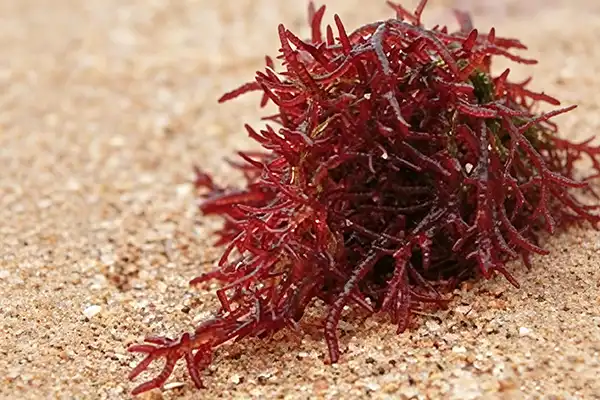
Astaxanthin is a keto-carotenoid that is naturally made by Haematococcus pluvialis microalgae when they are stressed. It is one of the strongest antioxidants found in nature. Salmon, prawns and flamingos all have a unique pink-red colour that comes from this compound. Synthetic forms of astaxanthin often have racemic mixes, but astaxanthin that comes from microalgae mostly has the (3S, 3'S) stereoisomer, which is more biologically active.
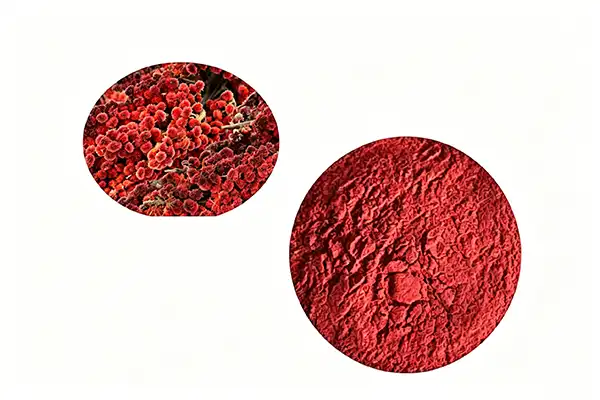
We have two different ways for you to get this powerful carotene: astaxanthin powder and astaxanthin oil. The powder form is a fine to dark red powder that works well for pills, hard capsules, and water-dispersible uses when microencapsulated with cold-water-dispersible (CWD) technology. The oil version is a dark red, thick oleoresin that dissolves very easily in lipids. This makes it the best choice for softgel packaging where better absorption through bile salt routes is important.
By knowing the physical differences between these types, sourcing workers can choose materials that meet the needs of a particular recipe. The powder is stable at high temperatures and easier to work with when pressing it into tablets. The oil, on the other hand, has a higher concentration per unit volume and is better absorbed by the body for nutritional uses that aim to support antioxidants throughout the body.
Astaxanthin Powder vs Astaxanthin Oil: Which is Right for Your Business?
Bioavailability and Absorption Considerations
Bioavailability is a measure of how well the active ingredient gets into the body's blood. Because it is lipophilic, astaxanthin oil is better at being absorbed because it works well with the way our gut system works. When oil is eaten with fats, it mixes easily into micelles made by bile salts, which makes it easier for the oil to move across digestive walls. As a result of clinical studies, esterified astaxanthin in oil form reaches plasma concentration peaks faster than free astaxanthin. This makes it perfect for high-dose vitamins that help the heart and help with workout recovery. Astaxanthin powder, especially microencapsulated beadlets, helps with several issues. For companies that make candies or healthy drinks, powder forms allow for even distribution without the colour bleeding that can happen with raw oils. CWD beadlets stay stable in acidic pH settings and high-pressure mixing, so their effectiveness stays the same during production and during storage. This form works for brands that want to make clean label claims and for goods that need to be water-friendly.
Cost-Effectiveness and Potency Analysis
Looking at how much active astaxanthin in Astaxanthin Powder and Oil costs per milligram gives you important information for buying in bulk. Standardised astaxanthin oil concentrates usually have a strength of 5%, 10%, or 20%. This lets softgels have smaller serving amounts while still keeping therapeutic doses (4 mg to 12 mg per pill). Because of this concentration, there are fewer capsules in each bottle, which means less money spent on shipping and packing. This is good for small businesses that are trying to keep their profit margins tight. In microencapsulated forms, astaxanthin powder that is standardised from 1% to 5% can be used in places where lower amounts spread out over bigger areas work better. Powder integration keeps the colour consistent in functional foods like protein bars or dairy replacements without affecting the flavours. The return on investment formula changes here: high-potency powder may cost more per kilogram than oil, but its flexibility across multiple product lines makes it worth the investment for brands that want to broaden their product lines.
Application-Specific Performance
You can use astaxanthin oil in anti-ageing skincare products because it can get into the skin's lipid-rich layers and protect against UV damage and reactive damage. Because it works with both dry and wet systems, the oil is a main ingredient in high-end sunscreens and serums. Astaxanthin oil is preferred by sports nutrition brands for bodybuilders and endurance athletes because it quickly enters the body and helps mitochondria work better and lowers inflammation caused by exercise. Eye health vitamins, on the other hand, use both: oil for lutein-synergy softgels and powder for chewable types that people who want to relieve screen tiredness like.
How to Use Astaxanthin Powder and Oil Effectively in Your Products
Recommended Dosages and Formulation Guidelines
Astaxanthin doses of 4 mg to 12 mg per day are effective as antioxidants in clinical studies. Higher doses (up to 20 mg) are used in sports and for cardiovascular health. Astaxanthin oil at a 10% strength means that 60 mg of oil is needed for every 6 mg of product, which is a reasonable fill weight for softgels. For tablets with 2% astaxanthin powder, it takes 300 mg of powder to give the same amount. This means that the inactive ingredients must be carefully chosen to keep the tablets' compressibility without slowing down their breakdown times. Because astaxanthin is naturally unstable when exposed to light and air, people who make drinks have to deal with special problems. The carotenoid is kept safe during processing by using CWD powder grades with packaging materials. To make things last longer, we suggest adding protective co-factors like tocopherols and ascorbyl palmitate. Before the mixture is used on a large scale, it is tested for stability under fast conditions (40°C, 75% RH).
Stability and Shelf Life Optimisation
Astaxanthin breaks down through three different processes: photodegradation, auto-oxidation, and isomerisation. To stop these, you need to plan your package and product design carefully. For astaxanthin powder, nitrogen-flushed aluminium foil bags with oxygen scavengers keep the powder's effectiveness all the way through the supply chain. For large sales, we use light-resistant drum packing to make sure the goods come with confirmed HPLC test results that match the requirements of the certificate of analysis (COA). Even tighter rules are needed for astaxanthin oil. We suggest keeping oils below 25°C in amber glass or food-grade HDPE containers with very little space at the top. For companies that make softgels, mixing astaxanthin oil with carrier oils that contain natural tocopherols keeps the carotene stable and makes the gelatin more compatible. Our application laboratory helps with stability testing by simulating real-life store conditions so that we can correctly guess how long something will last on the shelf.
Regulatory Compliance and Safety Protocols
To meet the standards for USP and EP monographs, strict quality control processes are needed. Every batch of astaxanthin powder and oil is tested for heavy metals (arsenic <1ppm and lead <2ppm) and microbials (as required by FDA rules). The total amount of carotenoids in the powder and oil is checked using HPLC. We keep our ISO9001, FSSC22000, KOSHER, HALAL, and HACCP certifications up to date, which gives us the proof we need to sell our products all over the world. Astaxanthin from natural sources is very safe. It has been tested in clinical studies at doses up to 40 mg per day and had no major side effects. Formulators should be aware that people who are allergic to shellfish might not be able to use astaxanthin that comes from microalgae because it doesn't have the same cross-contamination risks as astaxanthin that comes from krill. Label claim verification rules are met by including allergy statements and third-party testing documents. This builds customer trust.
Procurement Insights: Sourcing Astaxanthin Powder and Oil for Business Success
Supplier Selection Criteria
Reliable buying starts with looking at what the seller can do beyond just giving you price quotes. Procurement managers should look at extraction technology and ask for more information about how solvents are used. Our special methods only use pure water or food-grade ethanol, so there are no worries about dangerous residues like there are with options that use hexane. This clean extraction method meets the standards for organic approval (USDA, EU) and meets customer desire for clear ingredient sources. Another important factor is traceability. We work with specialised farms that manage every step of the growing process, from choosing the strains to when the crops are harvested. This way, we can promise the highest concentration of astaxanthin (up to 3.5% in the raw biomass before extraction). Documentation at the batch level keeps track of each lot from the algae pond to the final packing, which gives a full picture of the supply chain. This end-to-end control stops changes in quality that throw off production plans.
Minimum Order Quantities and Lead Times
A lot of small and medium-sized businesses have trouble with high MOQs that make it hard for them to get cash. Sample sales start at 100g, and trial runs start at 1kg. This way, R&D teams can make sure that recipes work before committing to market amounts. The standard MOQ for large sales is still 25 kg per drum, which strikes a balance between customer freedom and production efficiency. Lead times make providers very different from each other. Popular sizes (2%, 5%, 10% powder and oil) are always in stock, so regular orders can be shipped quickly (within 3–5 business days). Custom recipes that need specific amounts of astaxanthin or the mixing of other ingredients can take an extra 10 to 15 days, based on how complicated they are. Our world shipping network can handle delivery, air freight, and water transport, depending on how quickly you need something or how much money you have.
Quality Assurance Workflows
Brands can avoid expensive refunds and damage to their image by putting in place strong quality assurance processes. When you get packages of astaxanthin powder or oil, have them tested by a third party to make sure the COA claims are true. We give you retained samples for every batch, which makes it easier to compare if there are any problems. Setting clear acceptance criteria, like strength within ±5% of standard, microbe numbers below action limits, and no unlabelled toxins, makes everyone in the supply chain responsible. Auditing the facilities of suppliers gives you more peace of mind. Our GMP-certified production areas are inspected regularly, and customers can look at the records of these inspections. Being open about the whole process of making something, from getting the raw materials to releasing the finished product, builds trust, which is important for long-term relationships. Brands that want to stand out benefit from providers that offer more than just basic ingredient supply. For example, they can help with recipe optimisation and stability studies.
Making the Smart Choice: Why Astaxanthin Powder and Oil Outperform Other Supplements
Superior Antioxidant Potency Compared to Alternatives
Natural Astaxanthin Supplement is a powerful antioxidants that can get rid of free radicals much better than common antioxidants like vitamin C, vitamin E, and beta-carotene. According to research, it can neutralise peroxyl radicals more than 50 times better than beta-carotene and over 500 times better than vitamin E at cooling singlet oxygen. This power comes from the fact that astaxanthin has hydroxyl and keto functional groups on both ends of its molecules. These groups allow it to connect with both water-loving and fat-loving parts of cell membranes at the same time. Astaxanthin works across the whole membrane bilayer, unlike vitamin C, which only works in water-based environments, or vitamin E, which only works in lipid-based environments. This special placement protects against oxidative damage from both inside and outside cells, giving full antioxidant protection that you can't get from regular vitamins. Brands that want to stand out should talk about this chemical edge with health-conscious customers who want science-backed results.
Market Trends and Consumer Demand Drivers
The astaxanthin market is expected to hit USD 800 million by 2027, representing strong growth. This is because more people are becoming aware of the part that oxidative stress plays in chronic diseases and getting older. People prefer natural ingredients that come from sustainable sources. For example, astaxanthin from microalgae is preferred over manmade options that were first made for aquaculture feed. This choice opens up chances for brands that stress their clean-label reputation and care for the environment. Astaxanthin's ability to protect skin from UV rays fits with the growing interest in "ingestible beauty" goods that improve skin health from the inside out. People who are ready to pay more for real results are interested in anti-ageing claims that are backed up by clinical proof showing fewer deep wrinkles and better flexibility. Astaxanthin's benefits for mitochondrial support are used by sports nutrition brands to promote it as an important supplement for athletes who want to gain a competitive edge through improved endurance and faster healing.
Strategic Advantages for OEMs and Distributors
Adding astaxanthin powder and astaxanthin oil to product lines can help businesses in many ways. Because the ingredient is so flexible, it can be used in a wide range of areas, from eye health and circulatory support to sports performance and skin issues. This makes the most of the money spent on research and development. Brands that use both powder and oil forms can divide their products into different categories. For example, high-priced softgels can highlight better solubility, while pill versions can highlight value without sacrificing quality. Making regulations clearer also makes markets more viable. Astaxanthin is GRAS (Generally Recognised As Safe) in the US and Novel Food approved in the EU. This makes it easier to get into the market without having to go through long approval processes. This well-established legal system lowers the risk of commercialisation compared to new ingredients whose paths are less clear. Working with providers who offer full technical support, such as recipe advice, stability data, and proof of marketing claims, cuts down on time to market and ensures compliance across all countries.
Conclusion
Astaxanthin powder and astaxanthin oil represent superior choices for manufacturers seeking high-potency antioxidants backed by robust clinical evidence and regulatory acceptance. The dual-form availability addresses diverse formulation challenges, from bioavailability optimisation in softgels to stability requirements in functional beverages and cosmetics. Sourcing decisions hinge on supplier capabilities extending beyond competitive pricing: traceability systems ensuring consistent quality, clean extraction technologies eliminating solvent residues, and application support translating raw materials into market-ready products. The ingredient's exceptional antioxidant capacity, combined with growing consumer awareness and favourable market trends, positions astaxanthin as a strategic component for brands pursuing differentiation in competitive health and wellness markets.
FAQ
What is the shelf life difference between astaxanthin powder and oil?
Properly stored astaxanthin powder typically maintains potency for 24 months when kept in sealed, nitrogen-flushed packaging away from light and heat. Astaxanthin oil generally offers 18-month stability under refrigerated conditions, though room-temperature storage reduces this to 12 months. Microencapsulated powder forms extend stability beyond raw biomass through protective matrices shielding the carotenoid from environmental degradation.
Are there regulatory restrictions on importing bulk astaxanthin for manufacturing?
Astaxanthin derived from Haematococcus pluvialis holds GRAS status in the USA and Novel Food approval in the EU, permitting use in dietary supplements and functional foods without additional authorisation. Importers must ensure suppliers provide necessary documentation, including certificates of analysis, country of origin certificates, and phytosanitary certificates where required. Maintaining compliance with regional labelling standards and potency claims requires accurate COA data and third-party testing verification.
How can I verify the quality and purity of astaxanthin products before purchasing?
Request comprehensive COAs detailing HPLC analysis results, microbial testing, heavy metal screening, and pesticide residue analysis. Reputable suppliers provide retained samples enabling independent laboratory verification. Assess stereoisomer composition—natural astaxanthin from microalgae should show predominantly (3S, 3'S) configuration, distinguishing it from synthetic racemic mixtures. Facility certifications (GMP, ISO22000, FSSC22000) and audit reports offer additional quality assurance. Conducting small-scale trial orders before committing to commercial volumes mitigates risk while validating supplier reliability.
Partner with KH for Premium Astaxanthin Powder and Oil Supply
KH specialises in delivering pharmaceutical-grade astaxanthin powder and astaxanthin oil backed by over 25 years of botanical ingredient expertise. Our end-to-end traceability system controls cultivation from strain selection through harvest, ensuring active ingredient consistency that eliminates batch-to-batch variation. Using pure water and food-grade ethanol extraction, we guarantee products free from harmful solvent residues, meeting the stringent requirements of nutraceutical and cosmetic formulators worldwide. With ready stock enabling 3-5 day delivery and flexible MOQs accommodating sample orders, we support both established manufacturers and emerging brands. Our application laboratory provides formulation optimisation, stability testing, and detailed HPLC component spectra, transforming raw materials into market-ready innovations. Contact our team at info@kingherbs.com to discuss your requirements and receive a customised quotation as a trusted astaxanthin powder and oil supplier committed to your success.
References
1. Ambati, R. R., Phang, S. M., Ravi, S., & Aswathanarayana, R. G. (2014). Astaxanthin: Sources, extraction, stability, biological activities and its commercial applications—A review. Marine Drugs, 12(1), 128-152.
2. Kidd, P. (2011). Astaxanthin, cell membrane nutrient with diverse clinical benefits and anti-ageing potential. Alternative Medicine Review, 16(4), 355-364.
3. Fassett, R. G., & Coombes, J. S. (2011). Astaxanthin: A potential therapeutic agent in cardiovascular disease. Marine Drugs, 9(3), 447-465.
4. Higuera-Ciapara, I., Félix-Valenzuela, L., & Goycoolea, F. M. (2006). Astaxanthin: A review of its chemistry and applications. Critical Reviews in Food Science and Nutrition, 46(2), 185-196.
5. Tominaga, K., Hongo, N., Karato, M., & Yamashita, E. (2012). Cosmetic benefits of astaxanthin on human subjects. Acta Biochimica Polonica, 59(1), 43-47.
6. Yuan, J. P., Peng, J., Yin, K., & Wang, J. H. (2011). Potential health-promoting effects of astaxanthin: A high-value carotenoid mostly from microalgae. Molecular Nutrition & Food Research, 55(1), 150-165.
Send Inquiry
_1779935700347.webp "Onion Extract")
Related Industry Knowledge
- Can Bamboo Leaf Extract Improve Hair Strength and Growth?
- About White Willow Bark Extract- Beauty Benefits
- Ivy Extract Powder: Uses, Benefits, Safety & Quality Guide
- White Willow Bark Extract Powder Benefits: Nature’s Time-Tested Remedy for Resilience and Relief
- Can Onion Extract Improve Hair Growth Naturally?
- Clinical Insights: Couch Grass Rhizome Extract Uses
- Apple Root Extract in Nutraceutical Products Guide
- Can Mango Leaf Extract Powder Reduce Inflammation Naturally?
- White Paeony Extract Powder: Choosing Quality Raw Material
- Purple Sweet Potato Extract in Premium Functional Beverages