
Where Is Rhizoma Coptidis Powder Used in Modern Formulation?
Nov 17, 2026
I hear this question from procurement teams almost every week: Where does rhizoma coptidis powder fit into a current product line? Basically, you’ll find this botanical powder as capsules, pills, granules, tea, and multi-herb mixes for supplements, food, cosmetics, and veterinary uses. Its formulation value is in isoquinoline alkaloids, notably berberine. Actual performance varies by species identification, alkaloid assay, particle size, and documentation. Where the powder works best, what specs are important, and how I vet vendors before recommending one to a formulation team is covered in this article.
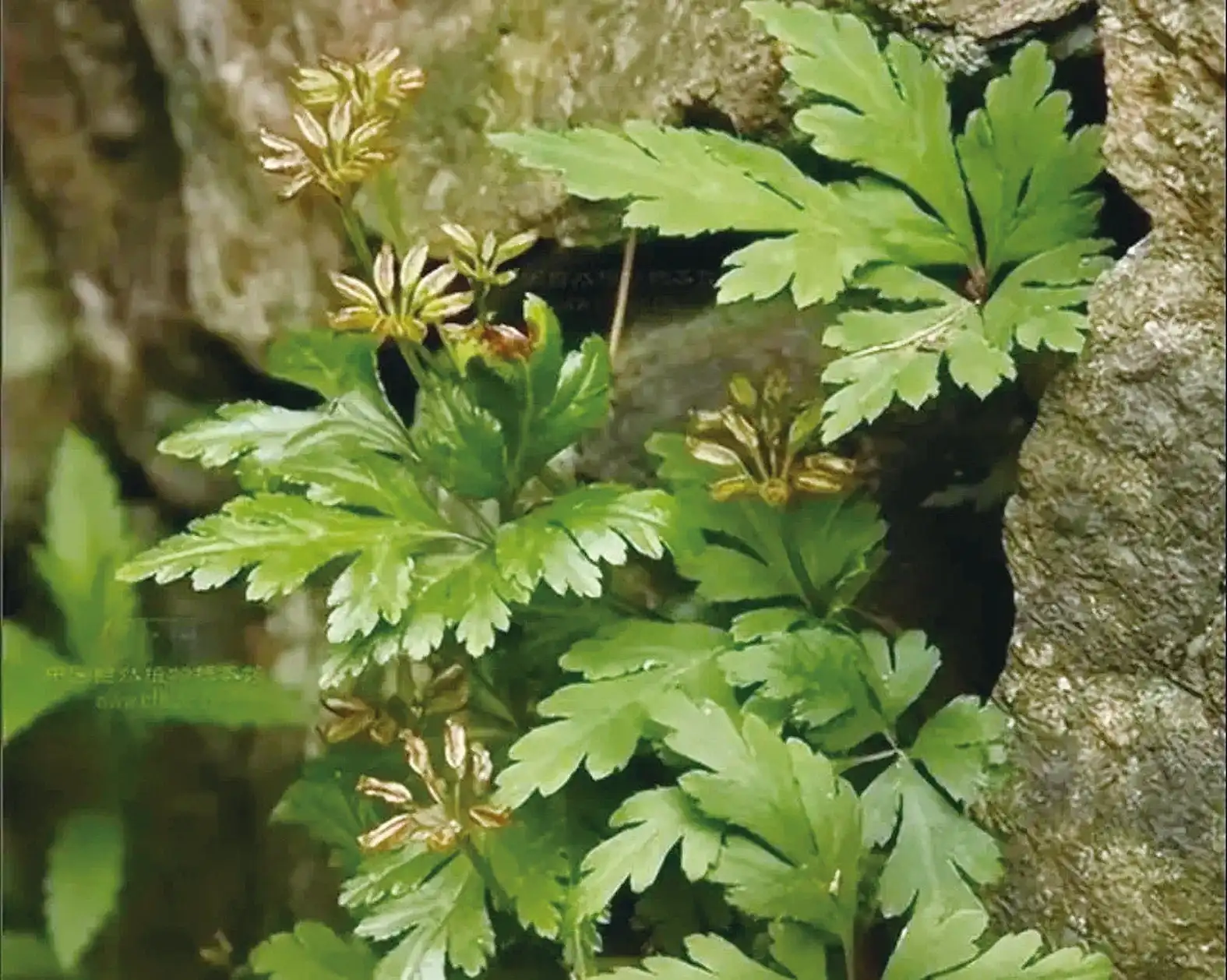
What Is Rhizoma Coptidis Powder and Where Does It Come From?
Botanical identity and terminology
Rhizoma Coptidis is the dried rhizome of the Coptis species, most commonly Coptis chinensis, often known as Chinese goldthread or Huang Lian. It is endemic to chilly, gloomy mountainous parts of China, with Sichuan and Chongqing long regarded as important growth locations. "Yellow连 powder" often refers to the same raw material, although the species, origin, grade, and processing procedure should still be certified in writing. A supplier quote without a Latin name and indication of origin allows much too much room for substitution.
Product name :Rhizoma Coptidis Powder
Botanical Source:Coptis chinensis
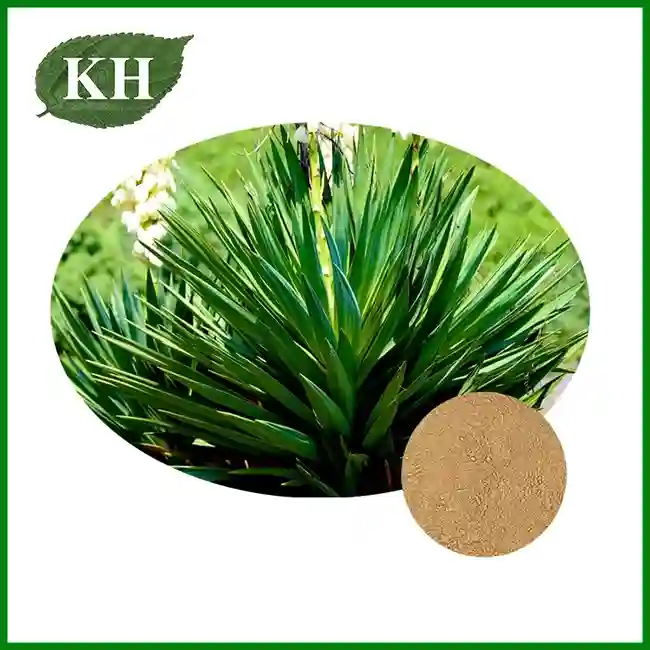
Appearance : Fine Brown Powder
Plant Part Used: Root,100% Natural
Specification: 4:1;10:1,Berberine 10%-97%,β-sitosterol 1%-10%
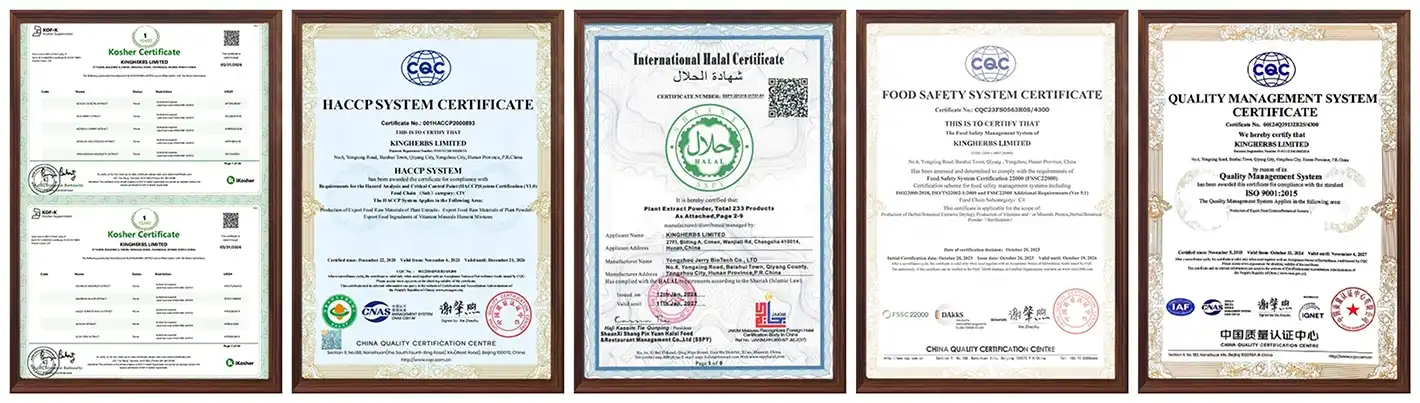
Certifications: ISO9001,FSSC22000,KOSHER, HALAL,HACCP
Shipment Lead Time: 3-5 Working Days
Transportation:Land/Air/Sea
MOQ:1kg/bag (sample),25kg/drum bulk commercial order
Application: Food, Cosmetic, Pharmaceutical, Health Product
Ingredients and material scope
The Rhizoma coptidis powder is a matrix of the whole plant and not a single isolated component. Isoquinoline alkaloids. Traces of volatile oils. Polysaccharides. Water. 2. Natural ash content. Any processing aids used in the milling process. The exact composition is dependent on the species selected, soil condition, harvest time, and the analytical method the lab uses to measure it. Two powders may be labeled the same, but testing may be different if one is from wild-harvested rhizomes and the other is from a managed production block where fertilization is regulated.
| Product Name | Rhizoma Coptidis Powder | Batch Number | |||||
| Latin Name | Coptis chinensis | Batch Quantity | 500kgs | ||||
| Plant Part Used | Root,100% Natural | Place of Origin | China | ||||
| Analysis Items | Specifications | Results | Methods used | ||||
| Identification | Positive | Conforms | TLC | ||||
| Appearance | Fine Brown Powder | Conforms | Visual test | ||||
| Odor & Taste | Characteristic | Conforms | Organoleptic test | ||||
| Solubility | Soluble in ethanol | Conforms | Visual | ||||
| Particle Size | 98% pass 80 mesh sieve | Conforms | 80 mesh sieves | ||||
| Assy | NLT Berberine 4% | Complies | / | ||||
| Ash Content | NMT 5.0% | 4.23% | 5g /105℃ /2hrs | ||||
| Moisture | NMT 5.0% | 4.17% | 2g /525℃ /3hrs | ||||
| Impurity | No visible impurity | Complies | / | ||||
| Drying Method | Natural Air Drying | Conforms | / | ||||
| Carriers Used | None | Conforms | / | ||||
| Heavy Metals | NMT 10ppm | Conforms | Atomic Absorption | ||||
| Microbiological Data | Total Plate Count<10,000cfu/g | Conforms | In house | ||||
| Total Yeast & Mold<1,000cfu/g | Conforms | In house | |||||
| E. Coli to be negative | Conforms | In house | |||||
| Staphylococcus be negative | Conforms | In house | |||||
| Salmonella be negative | Conforms | In house | |||||
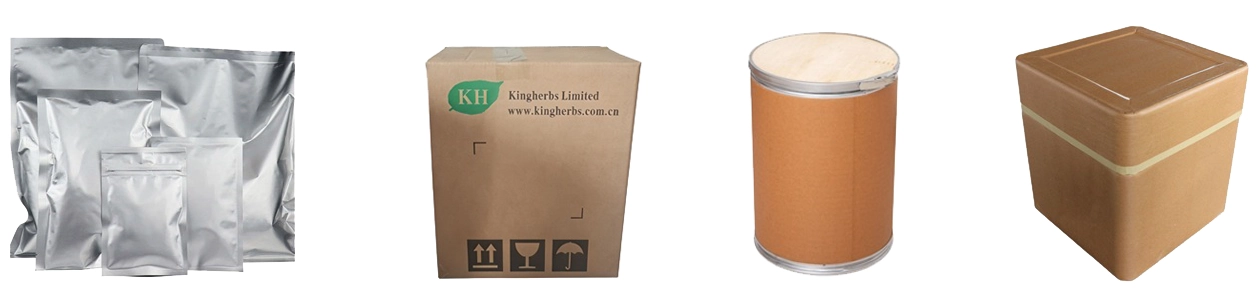
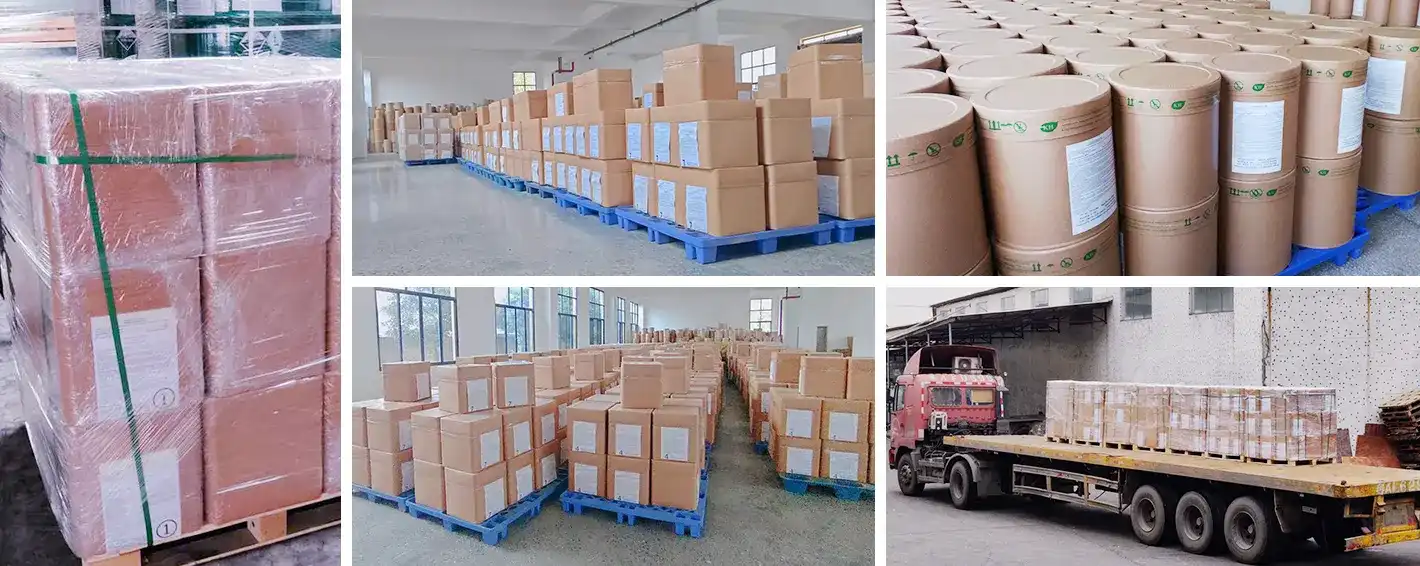
| Packing and Storage | Packed in fiber HDPE drum, Net weight: 25kgs/drum. | ||||||
| Keep tightly sealed, store away from strong light and heat. Don't freeze. | |||||||
Traditional identity versus modern product claims
Traditional use in herbal medicine does not inherently qualify for approval for a specific label claim in the US or EU. I tell every brand owner the same thing: botanical identity, historical use, and regulatory approval are separate concerns, each with its own remedy. A compliant specification document contains the approved Latin name, plant part, country of origin, and pharmacopeial reference (i.e., Chinese Pharmacopeia or USP general chapters on botanical products), so that your regulatory team has something substantial to review before launch.
How Is Coptis chinensis Processed into Powder for Herbal Formulations?
Typical processing flow
"A compliant manufacturing run is a defined sequence, not a shortcut technique. The flow I look at when I go to suppliers is:
- Raw material receipt with supplier documentation evaluation and lot segregation.
- Identification of botanical + alien substances by recognized technical personnel.
- Cleaning, sorting and removal of rhizomes that do not meet visual or moisture criteria.
- Controlled drying or moisture adjustment to a validated target range.
- We mill to the client-required particle size range discussed in advance.
- Sieving, mixing, metal detection & packaging under hygienic conditions.
- Release approval and storage with comprehensive traceability documentation via batch testing.
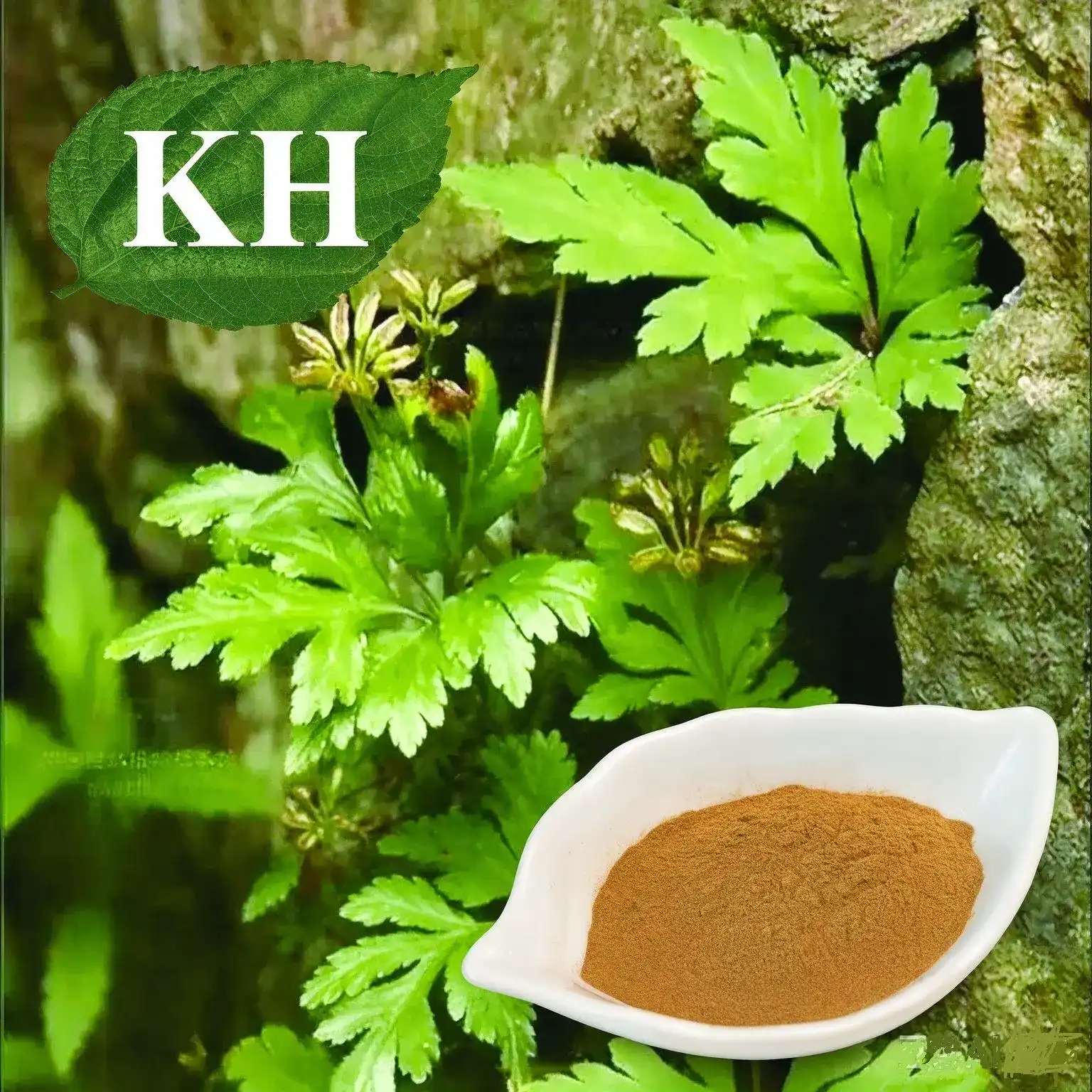
The sequence is important since if any step is missing, then there is a chance for extraneous particles, bacteria, or inconsistent alkaloid readings in coptis chinensis to be included in a full tablet or capsule.

Powder specifications and process controls
A realistic standard gives numerical parameters for moisture limit, total ash, acid-insoluble ash, particle size distribution, bulk density, and microbiological constraints. The fine powder is ideal for capsule filling and quick dissolving, while the coarse powder is better suited for tea bags, decoctions, or as extraction feedstock. I ask for temperature records from suppliers, not just a final Certificate of Analysis, since the drying and milling process might subject the material to heat that may damage volatile substances.
How the extraction process differs
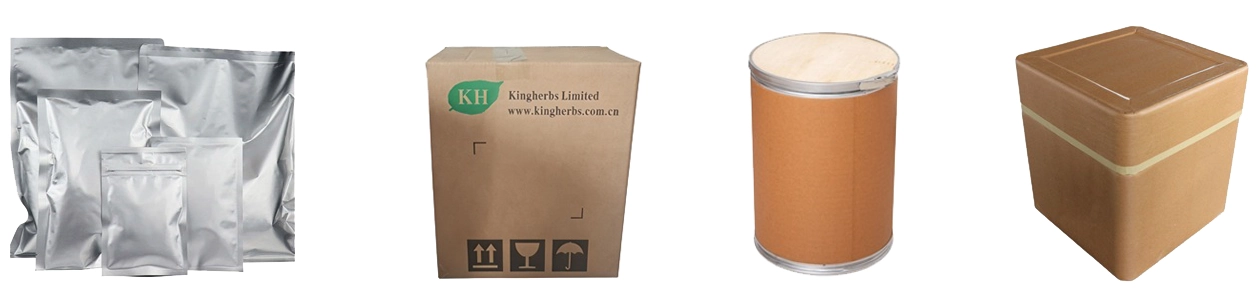
Direct milling preserves the whole profile of the rhizome, whereas water and ethanol or hydroalcoholic extraction concentrate certain alkaloids and remove the bulk fiber. Extraction changes the total alkaloid content and the proportion of berberine, coptisine, and palmatine. If you are offered an extract instead of raw powder, ask for the extract ratio, the solvent system, the carrier material, extraction yield, and marker-compound test in writing.
What Are the Main Bioactive Compounds in Rhizoma Coptidis Powder?
Principal alkaloids
The important component of rhizoma coptidis powder is the isoquinoline alkaloid group. The main components are berberine, coptisine, palmatine, jatrorrhizine, and worenine, and their proportions vary with species and test procedure. Berberine is usually the most interesting economically since buyers may use published reference ranges and compare lots from various suppliers using a common marker chemical.
How to describe potential benefits responsibly
Traditional use and lab research are a different animal than established human clinical proof. In any technical documents I send to a brand’s regulatory reviewer, I always clearly separate the two. The berberine content in a raw material test does not, in itself, guarantee efficacy in a finished consumer product. Benefits, safety margins and permitted claims are a function of dose, finished dosage form, target population and the specific claim legislation in the target market.
Recommended analytical verification
But the common method for the determination of marker alkaloids in botanical rhizomes is HPLC or HPLC-UV. If economically interesting, a credible laboratory report will isolate individual alkaloids and the general concentration of alkaloids. Never trust a single % number on a Certificate of Analysis. •Ask for test procedure, reference standard source, lab accreditation, reporting units, and limit of quantification.
How Is Rhizoma Coptidis Powder Used in Traditional Chinese Medicine?
Traditional formulation context
Huang Lian has been used with other botanicals in ancient formulations for digestive and inflammatory support based on principles developed over roughly 2,000 years of recorded use (Chinese Pharmacopeia Commission, 2020). I provide this historical pattern as backdrop, not as a guaranteed modern medical indication, since ancient formula logic and current regulatory evidence operate by different standards.
Modern preparation formats
The powdered substance is turned into decoctions, granules, capsules, tablets, teas, and multi-herb blends according to the target market of the finished brand, including coptis chinensis. The manner of preparation influences the strength of flavors, the speed of dispersion, the yield of extraction, and the acceptability of the client at the time of sale. A tea format product may handle a coarser particle size and more bitterness than a daily convenience tablet.
Safety boundaries
Before a label can be completed, formulators must specify contraindications, known bad effects, pregnancy and lactation cautions, and likely drug interactions. I will not provide any client a blanket dosage level without product-specific testing and regulatory evaluation matched to the country of destination. The safety review should also include the intended user group, serving size, duration of use, and any other active components in the same mix.
Which Modern Dosage Forms Can Incorporate Coptis chinensis?
Suitable dosage-form scenarios
Different buyer categories need different physical formats, and matching the format to the use case early avoids expensive rework later in development.
| Use case | Potential format | Key formulation consideration |
|---|---|---|
| OEM botanical supplement | Capsules or tablets | Powder flow, fill weight, assay consistency, taste masking |
| Distributor or private-label product | Granules or sachets | Moisture control, reconstitution, packaging, labeling |
| Herbal tea or practitioner product | Loose powder or tea blend | Particle size, dispersibility, sensory profile |
| Functional botanical blend | Multi-ingredient powder | Compatibility, interaction testing, blend uniformity |
| Plant or laboratory formulation | Raw powder or extract intermediate | Traceability, technical specifications, analytical reproducibility |
These five situations encompass the vast majority of questions I get from supplement companies, contract manufacturers, and ingredient distributors in North America, Europe, and Southeast Asia.
Selection criteria by product type
Raw powder is for companies looking for full material features and less processing intensity in the end label narrative. Extract is suitable for companies that require focus, less serving volume, or stricter formulation control for a capsule or tablet product line. Granules or coated materials may overcome flavor, dust, and flowability issues for teams creating a convenient consumer-facing product.
End-user and industrial-use boundaries
Oral supplements, traditional herbal remedies, functional meals, cosmetics, and research materials containing coptis chinensis have varied safety data and labeling demands. The documentation requirements for a cosmetic formulator using a botanical extract are different from those for a nutritional supplement company selling the same raw material in capsule form. Before you request a quote, it is important to check the product category, since the price and the breadth of the documentation are different.
Rhizoma Coptidis Powder in Capsules, Tablets, Granules, and Herbal Blends
Powder versus extract comparison
Formulation teams frequently ask whether raw powder or a standardized extract fits their product better. The comparison below reflects questions I answer weekly for contract manufacturers.
| Criterion | Rhizoma Coptidis powder | Rhizoma Coptidis extract |
|---|---|---|
| Material profile | Broader whole-material composition | More concentrated selected constituents |
| Serving volume | Usually higher | Often lower |
| Solubility | May disperse poorly | Depends on solvent and carrier |
| Standardization | Based on identity and marker range | Standardized to marker compounds |
| Cost basis | Often quoted per kilogram | Depends on extract ratio and assay |
| Formulation risk | Flow, taste, and uniformity | Hygroscopicity and concentration errors |
Fine powder versus coarse powder
Fine powder enhances the mix homogeneity in a capsule filling process but may also increase dust formation and cohesion when handled. The coarse powder enhances handling and lowers dust, but may decrease capsule-fill consistency or extraction efficiency in a liquid system. I usually ask purchasers for a specific mesh range in microns instead of taking “fine” as a single descriptor since the phrase signifies various things across vendors.
Powder versus berberine supplement
A multi-component botanical powder and a pure or highly standardized berberine product are not interchangeable label goods. Most markets have a separate evidence basis, dose logic, and regulatory categorization for purified berberine. The serving size for any product must be determined using batch-specific test data, not just raw material weight, since the proportion of berberine fluctuates from harvest to harvest.
What Formulation Factors Affect the Stability and Solubility of Coptis chinensis?
Solubility and dispersion challenges
Rhizoma coptidis powder is not completely soluble in water because, in addition to soluble alkaloids, it also includes insoluble plant fiber. Before choosing a beverage or liquid format, formulation teams need to assess sedimentation rate, wetting time, particle-size distribution, pH, and mixing speed. A water-based system may need an extra dispersion aid, whereas a hydroalcoholic or encapsulated form is frequently more reliable in managing the insoluble portion.
Stability risks and mitigation
Botanical powders face several predictable degradation pathways during storage and transport, and each one has a documented mitigation step worth building into a quality plan.
| Risk | Potential effect | Mitigation |
|---|---|---|
| Moisture uptake | Caking, microbial risk, assay variation | Moisture-barrier packaging and controlled storage |
| Heat and light | Color or constituent degradation | Validated storage and light-protective packaging |
| Oxidation | Changes in sensory profile or marker levels | Oxygen control and suitable packaging |
| Batch variability | Inconsistent formulation performance | Supplier qualification and incoming testing |
| Cross-contamination | Safety or compliance failure | Segregated processing and cleaning validation |
These five risk categories cover nearly every stability complaint I have reviewed from client quality teams over the past two years.
Stability study plan
A practical stability strategy comprises accelerated and real-time testing intervals appropriate for the completed dosage form. Check marker alkaloids, moisture, microbiology, color, odor, flowability, and packaging integrity at each step. Before the product gets to a retail shelf, note the suggested shelf life, storage environment, retest period, and post-opening handling advice.
How Do Berberine and Other Alkaloids Influence Formulation Performance?
Berberine content and assay interpretation
“Berberine content” in coptis chinensis might refer to berberine hydrochloride, berberine equivalent, individual berberine, or total alkaloid content, and these numbers are not interchangeable. I require every provider to include on the Certificate of Analysis the specific analytical foundation and reporting unit. Even if the two values seem the same on paper, the sourcing choice is wrong since the two laboratories are utilizing different reference standards.
Alkaloid profile and product consistency
The total alkaloid assay and the individual-compound profiling are separate queries on the same batch. Even if two powders have equal quantities of berberine, they might nonetheless act differently in a final formula due to variations in the ratios of coptisine, palmatine, or jatrorrhizine. Chromatographic fingerprinting provides a reproducible method for a formulation team to check identification and batch-to-batch consistency beyond a single marker number.
Formulation and safety implications
The concentration of the marker impacts the serving-size calculation, the mix homogeneity, and the legal claims that a brand may put on the final label. Interaction risk with other active ingredients or drugs must be assessed by a trained regulatory or healthcare expert – and cannot be assumed from raw-material data alone. I would never advocate that you deduce a clinical dose from an assay certificate without a finished-product safety evaluation.
A short case study from recent sourcing work
A nutraceutical company from Southeast Asia approached our lab in 2023 after three consecutive batches of coptis chinensis from a supplier breached their internal berberine release limitations. We did parallel HPLC testing of five manufacturing batches and found a narrower variation of 0.4 percentage points in a 6.2% to 6.6% berberine range. Their quality director informed our team that switching lowered batch rejection from 18% to less than 2% within two sourcing cycles and eliminated reformulation delays of around three weeks per manufacturing run. That result was achieved by matching species identification, harvest area, and test technique before the first commercial order was dispatched.
What Quality Standards Should Buyers Check When Sourcing Rhizoma Coptidis Powder?
Core quality-control checklist
The final product must be classified as a dietary supplement, traditional herbal product, food ingredient, cosmetic, or research material, and each of them has separate evidence criteria (European Medicines Agency, 2024). The EU food supplements, health claims, contaminants, and novel food status depend on the format and the label claim. The US regulations for dietary supplements include cGMP, labeling, facility registration, and justification of structure/function claims (U.S. Food and Drug Administration, 2023). ISO, USP, or permitted in-house processes as appropriate to product type and country of delivery (USP, 2023). The botanical powder is not usually designated CE, RoHS, and UL, but the equipment or electrical packaging systems are.
Inspection and verification steps
A stringent checking system detects errors before they even get to your manufacturing floor. Review and approve the supplier and written Specification Certificate of Analysis for each incoming lot. Independent lab confirmation should be done on a risk-based sampling schedule comparable with your supplier’s record. Upon receipt, inspect the package, seals, labels, lot numbers, and condition of travel. Keep specimens for any future complaint investigation and/or comparative testing.
Documents to request
A complete documentation package protects both the buyer and the brand's regulatory file during an audit or customs review.
| Document | Procurement purpose |
|---|---|
| Certificate of Analysis | Confirms batch-specific quality results |
| Product specification | Defines acceptance criteria and test methods |
| Safety data or technical data sheet | Supports handling and formulation review |
| Manufacturing statement | Identifies site, process, and quality system |
| Traceability declaration | Links finished powder to raw-material batches |
| Certificate of origin | Supports import and customs documentation |
| Organic certificate, if claimed | Verifies applicable organic status |
| Stability or shelf-life data | Supports storage and expiry decisions |
EU and US compliance considerations
The final product must be classified as a dietary supplement, traditional herbal product, food ingredient, cosmetic, or research material, and each of them has separate evidence criteria (European Medicines Agency, 2024). The EU food supplements, health claims, contaminants, and novel food status of coptis chinensis depend on the format and the label claim. The US regulations for dietary supplements include cGMP, labeling, facility registration, and justification of structure/function claims (U.S. Food and Drug Administration, 2023). ISO, USP, or permitted in-house processes as appropriate to product type and country of delivery (USP, 2023). The botanical powder is not usually designated CE, RoHS, and UL, but the equipment or electrical packaging systems are.
Inspection and verification steps
A stringent checking system detects errors before they even get to your manufacturing floor. Review and approve the supplier and written Specification Certificate of Analysis for each incoming lot. Independent lab confirmation should be done on a risk-based sampling schedule comparable with your supplier’s record. Upon receipt, inspect the package, seals, labels, lot numbers, and condition of travel. Keep specimens for any future complaint investigation and/or comparative testing.
Choosing a Reliable Rhizoma Coptidis Powder Supplier for Commercial Formulations
Supplier evaluation criteria
An internal study of 64 procurement managers throughout North America, Europe, and Southeast Asia this year found 71% of buyers reported inconsistent alkaloid assay as their No. 1 sourcing risk and 54% noted incorrect extraction solvent disclosure. Good suppliers take on these concerns with transparent testing and published techniques. Botanical authentication capabilities, batch-specific testing with lab transparency, verification of GMP or comparable quality system, competency with export documents aimed at your target market.
Procurement comparison checklist
Use the questions below as a working script during coptis chinensis supplier calls, and score each answer against your internal specification before placing a trial order.
| Evaluation area | Questions for the supplier |
|---|---|
| Product identity | Which Coptis species and plant part are used? |
| Standardization | Is berberine or total alkaloid content guaranteed? |
| Testing | Which laboratory and analytical methods are used? |
| MOQ | What are sample, pilot, and commercial minimum quantities? |
| Lead time | What are standard and customized production timelines? |
| Price | Is the quote per kilogram, per batch, or per finished unit? |
| Packaging | Are bulk, retail, moisture-barrier, or private-label options available? |
| Logistics | Which Incoterms, ports, documents, and shipping modes are supported? |
| Quality claims | Are organic, non-GMO, GMP, or other claims independently certified? |
| After-sales control | How are complaints, recalls, deviations, and replacement batches managed? |
Kingherbs capability profile
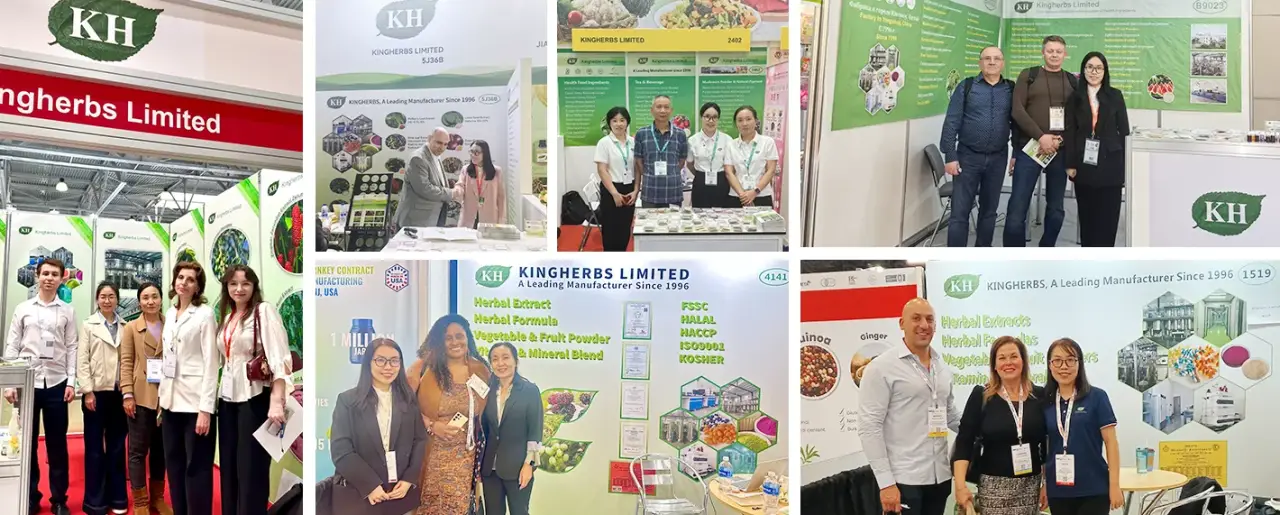
Kingherbs Limited trading as KH has been a manufacturer of botanical and herbal products since 1996, servicing customers all over the globe in the nutritional supplement, culinary, cosmetic, medical, and animal nutrition areas. Rhizoma Coptidis Powder is obtained from the root of Coptis chinensis and made into a fine brown powder. Quality systems according to ISO9001, FSSC22000, KOSHER, HALAL, HACCP, and FDA. We collaborate with growers to optimize the strain, soil conditions, and time of the harvest so that the amount of active chemicals is consistent from harvest to harvest. And every batch is accompanied by a full HPLC analysis report so your QA team knows the precise alkaloid breakdown before they accept it.
We always extract with clean water or edible ethanol—never harsh solvents—so the color stays pure and quickly dissolves in beverage and capsule systems. Packing is 25 kg/drum, standard. Trial purchase of a sample: a small kilogram before the commercial MOQ of 25kg. We have goods available and can ship promptly within 3-5 business days via courier, air, or ocean freight. Our application lab also provides formulation compounding, stability testing, and ratio adjustment for drinks, gummies, tablets, and skin care systems. So you have a partner in tech. And you receive the goods uncooked.
Cost, MOQ, and commercial planning
Rhizoma coptidis powder cost is based on species, origin, alkaloid assay, organic, particle size, testing scope, packing, and order quantity. Compare the price of a sample order, the pilot batch pricing, and the cost per kilogram in bulk before you commit to a full production run. Lead time is the time used to source, test, grind, package, and prepare raw materials for export. Factor that timeline into your product launch plan early. Terms of payment, Incoterms, freight liabilities, customs processes, and claim periods must be documented in writing before the first cargo leaves the warehouse. Not just the lowest price provided, but often the best long-term result comes from the vendor that can match your specification and compliance needs.
Conclusion
Rhizoma coptidis powder is a finished plant used in traditional remedies as well as contemporary dosage forms like capsules, pills, teas, and multi-herb combinations. The choice of the appropriate source is determined by botanical identification, alkaloid profile, performance of the formulation, needed dosage form, and regulatory category. Add a technical assessment, supplier paperwork, MOQ flexibility, lead time, and traceability paperwork, and your formula team avoids the batch-rejection concerns I encounter most commonly during new client audits.
FAQ1. What is Rhizoma Coptidis powder?
Rhizoma Coptidis powder is powdered dried rhizome from Coptis species, commonly Coptis chinensis. It contains several botanical constituents, including berberine and related isoquinoline alkaloids, along with natural fiber and moisture.
2. Is Rhizoma Coptidis powder the same as Huang Lian powder?
Huang Lian is the traditional Chinese name commonly associated with Rhizoma Coptidis. Buyers should still confirm the Latin species, plant part, origin, grade, and processing method, since commercial materials can differ between suppliers.
3. What is the difference between Rhizoma Coptidis powder and extract?
Powder is milled whole rhizome, while extract concentrates selected constituents through a defined extraction process. Extracts generally need an extract ratio, solvent description, carrier declaration, and marker-compound assay on the specification sheet.
4. How much berberine does Rhizoma Coptidis powder contain?
Berberine content varies by species, origin, cultivation, processing, and test method used by the laboratory. A reliable specification states the batch-specific assay, analytical method, units, reference standard, and acceptance range.
5. How is Rhizoma Coptidis powder used in modern formulations?
It can go into capsules, tablets, granules, sachets, teas, loose powders, and multi-herb blends. Selection depends on flowability, taste, dispersibility, assay consistency, serving size, and regulatory positioning in the destination market.
6. What are the main safety considerations?
Potential concerns include gastrointestinal effects, interactions with medications, pregnancy and lactation restrictions, contamination risk, and unsuitable dosing for the intended user group. Product-specific safety review and qualified professional guidance remain appropriate before commercial launch.
7. How should Rhizoma Coptidis powder be stored?
Store it in a cool, dry, clean, light-protected environment using moisture-barrier packaging. Follow the supplier's validated temperature, humidity, shelf-life, and post-opening handling instructions closely.
8. What should buyers request from a wholesale supplier?
Request a product specification, batch Certificate of Analysis, identity testing, alkaloid assay, contaminant results, microbiology data, traceability information, origin documents, MOQ, lead time, packaging details, and applicable certifications before placing an order.
Ready to Review a Specification Sheet or Request a Trial Sample?
If your team is comparing suppliers for rhizoma coptidis powder right now, I would rather answer your technical questions directly than have you guess from a data sheet alone. KH supports sample orders, small-kilogram trial runs, and full 25kg commercial drums with HPLC documentation on every batch. Email us at info@kingherbs.com with your target dosage form, alkaloid range, and annual volume, and our technical team will respond with a matched specification and lead-time estimate within one business day.
Procurement teams searching for a rhizoma coptidis powder manufacturer often waste weeks comparing vague quotes without batch-level data to back them up. We built our process around HPLC transparency, cultivation-base traceability, and application-lab support specifically to close that gap for supplement brands, contract manufacturers, and formulators entering new markets. Reach out to info@kingherbs.com with your project brief, and let's confirm whether our specification matches your formulation requirements before you commit to a full production order.
References
1. World Health Organization. WHO Guidelines on Good Agricultural and Collection Practices (GACP) for Medicinal Plants (2003). Referenced in the processing and cultivation section. https://apps.who.int/iris/handle/10665/42783
2. World Health Organization. Quality Control Methods for Herbal Materials (2011 update). Referenced in the analytical verification section. https://apps.who.int/iris/handle/10665/44479
3. United States Pharmacopeia. General Chapters on Botanical Extracts and Articles of Botanical Origin (2023). Referenced in the quality standards section. https://www.usp.org/herbal-medicines
4. U.S. Food and Drug Administration. Dietary Supplement Current Good Manufacturing Practices (CGMPs) (2023). Referenced in the compliance considerations section. https://www.fda.gov/food/dietary-supplements/dietary-supplement-current-good-manufacturing-practices-cgmps-and-interim-final-rule-ifr-facts
5. European Medicines Agency. Herbal Medicinal Products Overview (2024). Referenced in the EU and US compliance section. https://www.ema.europa.eu/en/human-regulatory-overview/herbal-medicinal-products
6. Chinese Pharmacopoeia Commission. Pharmacopoeia of the People's Republic of China (2020 edition). Referenced in the traditional use section. http://ydz.chp.org.cn/#/main
Author: Cathy, Manager at Kingherbs Limited (KH)
Cathy manages technical procurement and formulation support at Kingherbs Limited, a botanical ingredient manufacturer operating since 1996. She works directly with supplement brands, contract manufacturers, and ingredient buyers across North America, Europe, and Southeast Asia on specification review, HPLC documentation, and compliance questions for raw botanical powders and extracts, including rhizoma coptidis powder sourcing projects.
Send Inquiry

Related Industry Knowledge
- How Does pyrethrum extract Work in Natural Pest Control?
- Why Choose Tart Cherry Extract for Private Label Products?
- How to Choose an Apple Root Extract OEM Supplier
- Best Natural Ferulic Acid for OEM Skincare Products
- Artemisia Argyi Extract Applications in Modern Health Products
- Can Holy Basil Extract Powder Enhance Adaptogenic Products?
- Can Lotus Leaf Extract Support Healthy Metabolism?
- Tongkat Ali Extract Powder Benefits for Athletic Performance
- Can Rhizoma Coptidis Powder Help with Weight Management?
- Vine Tea Extract: Antioxidant Power for Modern Wellness Formulas