
How Does pyrethrum extract Work in Natural Pest Control?
Oct 27, 2026
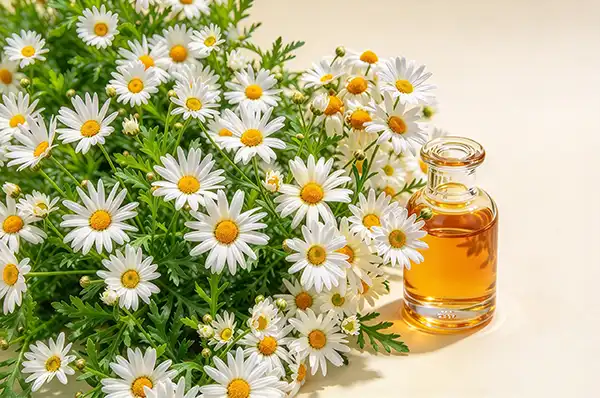
Pyrethrum extract acts by targeting sodium ion channels in the insect’s nervous system. When an insect encounters the active ingredients, called pyrethrins, those channels remain open, resulting in constant nerve firing, paralysis, and fast knockdown. It is a botanical insecticide made from the dried flowers of Pyrethrum cinerariifolium Trev. The active ingredients are six natural ester compounds that work together to produce this effect in a matter of minutes. Unlike synthetic pesticides, pyrethrum extract degrades rapidly in the presence of sunshine and oxygen, leaving no residues in soil or water.

Understanding Pyrethrum Extract and Its Role in Pest Control
What Makes Pyrethrum Extract Different from Synthetic Alternatives
A synthetic pyrethroid like permethrin is not pyrethrum extract. The natural extract is a combination of 6 esters working in concert: Pyrethrin I & II, Cinerin I & II, and Jasmolin I & II. Synthetic pyrethroids only mimic sections of this structure and are designed to be resistant to destruction by UV, so they stay much longer in the environment. Pyrethrum extract degrades in days; hence, it is allowed in organic certification and has a zero or near-zero day pre-harvest interval on many registered crops.
How Pyrethrins Affect Insect Nervous Systems
The pyrethrins in pyrethrum extract are six in number and bind to voltage-gated sodium channels in insect neurons. The binding hinders proper closure of the channels and causes repeated nerve discharge. The insect quickly loses motor control, what pest control specialists call fast knockdown. In significant amounts, this neurotoxic effect will kill. Mammalian sodium channels are structured differently; therefore, at regular application rates in people or cattle, the same impact is not seen, adding to its high safety profile.
Broad-Spectrum Efficacy and Biodegradability
Pyrethrum extract inhibits a wide variety of flying and crawling insects, including aphids, white flies, thrips, mosquitoes, grain weevils, and flour beetles. This makes it useful in agriculture, food preservation, and public health vector control. Natural pyrethrins are also photolabile, which means that they degrade fast when exposed to UV light and oxygen. Residues are usually below detection limits after 24–72 hours in field circumstances, and this is one of the main reasons why the extract has been recognized for a positive environmental profile by regulatory organizations in the US and the EU.
Comparing Pyrethrum Extract with Other Natural Pest Control Solutions
Pyrethrum Extract vs. Neem Oil
Neem oil and pyrethrum extract are both derived from botanicals, yet they have distinct modes of action. Neem oil serves as a feeding deterrent and disturbs insect hormone systems; it takes longer to function and is more suitable for preventative programs. Pyrethrum extract is the most powerful alternative for active pest outbreaks, providing a speedier knockdown by direct neurotoxic contact. Rather than being direct alternatives, the two chemicals are typically utilized together in integrated pest management (IPM) programs by formulators and agricultural input purchasers.
Pyrethrum Extract vs. Citronella and Other Repellents
Citronella and other plant-based repellents prevent insects from landing or eating, but they don’t kill them. This restricts their usage to personal protection or area denial. Pyrethrum extract is now used in commercial pesticide formulations for crops, grain storage facilities, greenhouses, and municipal mosquito abatement programs because it aggressively kills pest populations. This functional difference is of huge importance to B2B purchasers in the agricultural input space when assessing product performance against set pest pressure objectives.
Resistance Management Advantage
Pest populations resistant to organophosphates and carbamates are often still susceptible to pyrethrum extract. It is made up of six esters, which is intricate and difficult for insects to digest effectively. It has less opportunity to develop resistance compared to synthetic pesticides, which are formed of one molecule. This makes pyrethrum extract a valuable option in resistance control rotation schemes. If you are a procurement team shopping for organic agricultural clients or export producers where MRL (Maximum Residue Level) compliance is necessary – and a non-negotiable – then this is the insecticide to count on.
Best Practices for Applying Pyrethrum Extract in Pest Management
Dosage and Application Protocols
Application rates vary on crop type, insect species, and regulatory criteria. Most commercial formulations containing 50% pyrethrins are diluted before application in the field or at a facility. Always apply the registered product according to label guidelines in your jurisdiction. In the United States, EPA registration permits low-dosage direct application for the treatment of stored grain. In the case of fresh produce and export crops, the treatment near harvest takes advantage of the rapid photodegradation of pyrethrum extract, assuring the product is free of residues at the time of sale.
Storage Conditions to Protect Active Content
Pyrethrum extract is sensitive to heat, light, and oxygen. This product is supplied by Kingherbs in sealed bottles of 1 kilogram or 5 kg each, packed to avoid oxidation during transit. Store below 25°C in a dark, well-ventilated area upon receiving. Do not open containers unless you are going to use them right away. Shelf life up to 2 years under optimal storage conditions. Degradation is accelerated once the container is opened, particularly in the absence of antioxidant stabilizers. Recording storage conditions at each phase helps guarantee the integrity of the batch for quality assurance records.
Integration with IPM Programs
Pyrethrum extract fits well into IPM systems since its short residual activity does not affect beneficial predatory insects in the long term. In many situations, growers and pest control operators apply pesticides in the early morning or evening when bees and other pollinators are least active, lowering the chances of unintended exposure. Beneficial insect populations usually return within days after pyrethrum extract treatments. This characteristic makes the extract particularly advantageous in greenhouse situations and certified organic farms where a balance exists between insect reduction and ecological stability is a program need.
Procurement Insights for Sourcing Pyrethrum Extract
Quality Certifications and Batch Documentation
In commercial applications, the purchase of pyrethrum extract is not compromised on certified active content. Kingherbs supplies pyrethrum extract standardized to pyrethrins 50% by HPLC. Analytical data is provided at the batch level for each shipment. The product is ISO9001, FSSC22000, KOSHER, HALAL, HACCP, and FDA certified, an important certification for buyers serving regulated markets in North America and Europe. Procurement managers who are examining any source of pyrethrum extracts should, at a minimum, get HPLC certificates of analysis (COA).
Extraction Process and Solvent Safety
Not all pyrethrum extract products are created using the same extraction procedure. Solvent residues, such as hexane or acetone, might create compliance issues, particularly for pharmaceutical-grade uses, such as head lice treatments. Kingherbs employs only pure water or food-grade ethanol to extract its plant constituents and will never use harmful solvents. This solvent-free technology meets clean label requirements and addresses ICH solvent residual concerns for formulators of consumer health or personal care products containing pyrethrum-derived active ingredients.
MOQ, Lead Times, and Logistics
Kingherbs has pyrethrum extract in stock and can provide samples and regular orders within 3-5 working days. R&D teams could place sample and small trial orders while they analyze the substance before a commercial commitment. Commercial orders: minimum 25kg, via courier, air freight, or ocean freight depending on volume and location. This versatility makes Kingherbs a viable pyrethrum extract source for both small enterprises just starting to do formulation work and for mid-to-large companies managing volume supply chains.
Case Studies and Industry Applications
Organic Farm Success: Pre-Harvest Pest Management
Organically grown berries exposed to aphids less than two weeks before harvest may not be treated with synthetic pesticides without the danger of MRL violations during export inspection. Pyrethrum extract immediately treats this issue. Zero-day pre-harvest interval permits application right up to harvest. Field studies from certified organic farms in the US Pacific Northwest demonstrate decreases in aphid populations of more than 80% within 24 hours of pyrethrum spraying with no detectable residues at harvest. These findings support uniform export certification compliance and safeguard access to the high-end organic retail channels.
Food Processing Facilities: Grain Weevil Control
Weevils and flour bugs cause considerable product loss in flour mills and grain elevators. Pyrethrum extract is one of the few pesticides permitted for direct application on stored grain in the U.S. Its safety profile enables use in operating facilities without extensive ventilation shutdowns, therefore limiting production downtime. Facility managers said switching from organophosphate treatments to pyrethrum extract made their regulatory paperwork simpler and helped keep pest suppression effective throughout storage seasons.
Vector Control: Municipal Mosquito Abatement
For Ultra-Low Volume (ULV) fogging in urban settings, especially for West Nile Virus and Dengue control, government agencies involved with mosquito populations choose pyrethrum extract. Pyrethrum extract does not accumulate in water tables or soil, therefore lowering environmental liability, unlike organophosphates. Several US localities have selected pyrethrum-based ULV programs as the major abatement technique. The immediate effectiveness of knockdown and the documentation of environmental safety both assist public health goals and community acceptability.
Conclusion
Pyrethrum extract offers quick, precise pest control with a time-tested neurotoxic mode of action, while swiftly disintegrating in the environment. Its compliance with organic certification, wide-range effectiveness, and low mammalian toxicity make it a good contender for agricultural, industrial, and public health uses. For procurement specialists and formulators, the main considerations are validated pyrethrins content, solvent-free extraction, and batch documentation. Kingherbs has been supplying plant extracts since 1996, and our pyrethrum extract meets these standards with consistent quality, confirmed credentials, and timely logistical assistance.
FAQ
1. Is pyrethrum extract safe for bees and beneficial insects?
Pyrethrum extract can affect bees upon direct contact. To reduce pollinator exposure, apply in early morning or evening when bee activity is lowest. Because the extract degrades quickly — often within 24–72 hours — residual risk to returning beneficials is minimal compared to synthetic pesticides. IPM programs typically use timed applications to protect pollinators while managing target pest populations.
2. Can pyrethrum extract replace synthetic pesticides at commercial scale?
It can serve as a primary tool in organic systems and a rotation component in conventional programs. For high pest pressure situations requiring extended residual control, pyrethrum extract works best in combination with other IPM strategies rather than as a standalone replacement for all synthetic products.
3. How long does pyrethrum extract remain effective after application?
Under normal field conditions, pyrethrins degrade within 24–72 hours due to UV exposure and oxidation. In shaded or indoor environments such as warehouses, residual activity may extend slightly longer. Environmental factors including temperature, humidity, and light intensity all affect how quickly the active compounds break down after application.
4. What is the shelf life of pyrethrum extract in storage?
When stored below 25°C in sealed, light-protected containers, pyrethrum extract maintains active content for up to two years. Kingherbs packages the product in 1 kg and 5 kg bottles designed to minimize oxidation during storage and transit.
Source Pyrethrum Extract from KH — Request a Quote Today
KH (Kingherbs) has produced botanical extracts since 1996, and our pyrethrum extract is a product of that experience. Standardized to 50% pyrethrins by HPLC, produced without harmful solvents, and backed by ISO9001, FSSC22000, HACCP, and FDA certifications, this ingredient meets the demands of regulated B2B markets. Whether you are a procurement manager sourcing a pyrethrum extract supplier for a new formulation or scaling an existing program, we support you from sample to commercial volume. Contact us at info@kingherbs.com to request a sample or quote.
References
1. Casida, J. E., & Quistad, G. B. (1995). Pyrethrum Flowers: Production, Chemistry, Toxicology, and Uses. Oxford University Press.
2. United States Environmental Protection Agency. (2020). Pyrethrins and Pyrethroid Pesticides. EPA Office of Pesticide Programs.
3. Khambay, B. P. S., & Jewess, P. J. (2004). Pyrethroids. Comprehensive Molecular Insect Science, 6, 1–29. Elsevier.
4. World Health Organization. (2012). Pyrethrins and Pyrethroids in Drinking Water: Background Document for Development of WHO Guidelines for Drinking-Water Quality. WHO Press.
5. Sarwar, M. (2015). The killer chemicals as controllers of agricultural insect pests: The botanical insecticides. International Journal of Chemical and Biomolecular Science, 1(3), 123–128.
6. National Organic Program, USDA. (2021). Allowed and Prohibited Substances, Ingredients, and Practices for Certified Operations. USDA Agricultural Marketing Service.
Send Inquiry


Related Industry Knowledge
- How Do You Choose High-Quality Saw Palmetto Extract Powder?
- Where to Buy Isatis Root Extract: Importer’s Sourcing Guide
- Ginger Extract Powder vs Ginger Powder: Key Differences
- Cocoa Seed Extract Benefits for Functional Food Formulas
- Why Choose ISO-Certified Cocoa Seed Extract Suppliers?
- Why Do Manufacturers Prefer Standardized Nettle Extract Powder?
- Astaxanthin in Sports Nutrition: The Natural Performance Upgrade
- White Willow Bark Extract: Nature’s Salicylic Acid for Gentle Exfoliation
- Premium Isatis Root Extract for Nutraceutical Use
- Sustainable Growth Support with Macleaya Cordata Extract