
Polygonum cuspidatum extract for Cosmetics: Benefits and Uses
Nov 17, 2026
Cosmetic-grade Polygonum cuspidatum extract is a plant-derived material extracted from the roots, which is mostly employed by formulators in antioxidant-based skincare. Made from Japanese knotweed, it includes resveratrol, polydatin, and emodin in different ratios depending on the grade. In serums, lotions, masks, and scalp care, Polygonum cuspidatum extract may assist in increasing skin vitality and combat obvious indicators of environmental stress. The results depend on the concentration, pH, solvent, packaging, and the whole formula. At KH, we provide this material in powder form, and each batch is tested by HPLC. Your R&D and purchasing teams may confidently determine a grade this way.
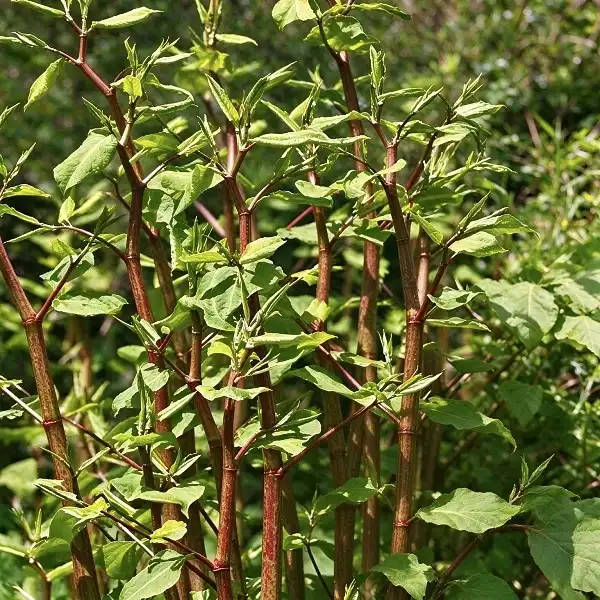
What Is Polygonum Cuspidatum Extract?
Botanical Origin and Major Compounds
Japanese knotweed is an annual wild plant in North America and Europe. It comes from China and Japan. This extract is obtained from the root of the Japanese knotweed plant, also called Polygonum cuspidatum. In Chinese medicine, it is called "huzhang". In 2013, Peng et al. conducted research in the Journal of Ethnopharmacology that looked at anthraquinones (such as emodin) and stilbenes (such as resveratrol and polydatin). Pure resveratrol is not to be confused with this plant by cosmetic purchasers. Resveratrol is already in the extract, but the grade modifies the color and shape of its marker profile. Always verify the quantities of plant part, solvent, and marker before every test.
Grades: Standardized and Full Spectrum
There are two primary types: pure and standardized plant extracts. Standardized extracts eliminate some plant compounds, while full-spectrum extracts retain a wider profile. Polydatin is available from 20% to 98%, resveratrol from 10% to 99%, and emodin up to 95%. It is also available in 4:1 and 10:1 ratio sizes. The appearance varies from a fine white powder to a brownish-yellow or dark powder. Higher standards of purity remove more of the plant pigments; therefore, the powder is lighter in color. Your best decision will rely on your color tolerance, formulation objective, and regulatory strategy. A ratio extract is good for companies that desire a broader botanical profile. The high-purity grade is ideal for teams who need accurate dosage.
How we make it and document it
The extract of Polygonum cuspidatum employed does not react badly with other liquids. Only pure water and food-grade ethanol are used as solvents during processing, and no dangerous chemicals ever contact the product. And we work with planting bases, so we can regulate the variety, soil, and harvest time at the source. This adjustment helps stabilize active content from batch to batch. HPLC analysis records are preserved for every batch, so the components of each ingredient may be readily identified. We are FDA, ISO9001, FSSC22000, HACCP, KOSHER, and HALAL approved. Our products are also compliant with USP & EP standards. Quality assurance managers may track every kilogram back to its source with the use of these data.
Benefits and Cosmetic Uses of Polygonum Cuspidatum Extract
Antioxidant Support for Skin Care
Polygonum cuspidatum extract is most often used in skin care because of its resveratrol and other polyphenols. Ndiaye et al. published in 2011 an article in the Archives of Biochemistry and Biophysics, in which they studied the effects of topical resveratrol on skin models and its antioxidant activity. Resveratrol, baicalin, and vitamin E, used as a night-time therapy for sun-damaged skin, were studied by Farris and others and found to be effective. That mix has numerous actives; hence, it can not show what one ingredient accomplishes alone. Rapid metabolism of oral resveratrol Walle S. Annals of the New York Academy of Sciences. 2011; 1215:9-15. This implies that data from oral ingestion cannot be simply translated to goods applied to the face. I would recommend making statements about antioxidant support and the look of skin.
Skin Vitality, Dullness and Environmental Stress
The stress of city life or sun exposure in general is associated with a decline in skin vitality, a loss of brightness, an appearance of aging, and Polygonum cuspidatum Extract. You may use the extract to support your claims on the following topics. The formulation as a whole, as well as the pH, solvent, packaging, and concentration, determine the likelihood of success. When describing this product, use cosmetic language like "supports the look of youthful skin" rather than medical or health claims. Word choice is crucial. The FDA has determined that the intended purpose is the determining factor in determining whether an item is a cosmetic or a medicine in the United States. However, stability and safety testing of the finished product must precede any further examination. In vitro, ex vivo, and consumer research may all lend credence to a claim.
Formats of Products (Overall)
A variety of skin care products, such as masks, eye creams, lotions, serums, treatments for the scalp, and items designed to combat environmental stresses, may include Polygonum cuspidatum extract. The dry mixing and quick transit properties of powder forms make them ideal. Serums, toners, and gels often include water-soluble varieties. Balms and anhydrous treatments benefit greatly from oil-dispersible types. Make sure the ingredient's color, smell, preservative compatibility, and sensory feel are appropriate for your base before you move to scale. It can't replace certified UV filters, but it can provide antioxidant protection to sunscreens in the area. There may be a greater need for irritant and compatibility testing when developing products for the eyes, scalp, or sensitive skin.
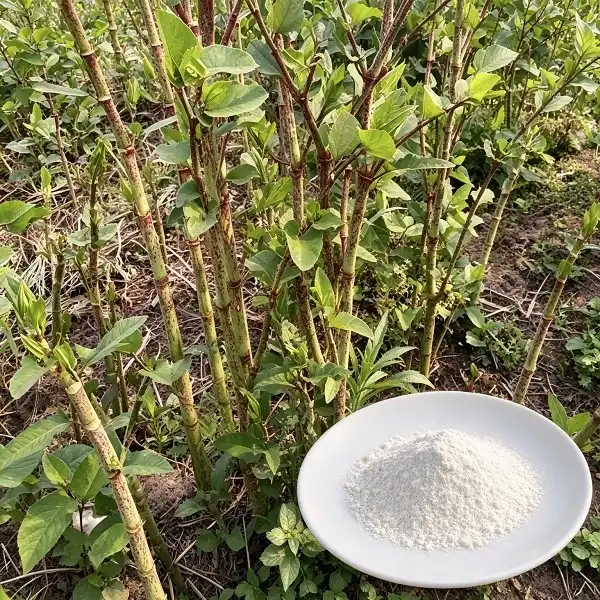
How to Use Polygonum Cuspidatum Extract in a Formula
Role of Resveratrol, Polydatin and Emodine
A lot of the antioxidant positioning is driven by resveratrol. Polydatin is the glycoside in knotweed root, and some research suggests it is more water-soluble. Emodin is a colored anthraquinone and may influence the color of the final product. Performance is not only a matter of how much resveratrol you have, but the whole chemical composition. Each element accomplishes something else. Hence, we have a record of the HPLC breakdown for all of our batches of Polygonum cuspidatum extract. When the formulator is deciding between a 10:1 ratio extract and a high-purity standardized grade, this report should be examined.
Stability: Oxygen, Light, pH
Unstable resveratrol levels in Polygonum cuspidatum extract. The possibility exists that trans-resveratrol may be converted to its cis isomer in the presence of light, according to research published in 1996 by Trela and Waterhouse in the Journal of Agricultural and Food Chemistry. Additionally, quality may be affected by oxygen, heat, and alkalinity. That is why I suggest using cold, dark storage, low-oxygen processing, and opaque, impermeable packaging. Create your own base and check its temperature, water activity, and pH. Research the product's form and intended market to determine the best methods for quick stability, freeze-thaw, microbiological, and preservative effectiveness testing.
Solubility and Dispersability
The poor solubility of Polygonum cuspidatum extract powder in water and strong solubility in ethanol imply the administration route is important. The formulator will frequently dissolve the powder in a suitable solvent or glycol phase or micronize or encapsulate it. They next check for any development of silt, crystallization, or change in color during storage at freezing temperature. The powder dispersion rate is governed by the particle size and grade. You are welcome to use our application lab for compounding assistance, formulation enhancement, and stability testing of skin care products. We may go through these choices with your team prior to placing a pilot batch purchase.
Quality, Sourcing, and Supplier Selection for Polygonum Cuspidatum Extract
Specifications and Testing to Request
Documentation of each batch is the first stage in professional purchasing. A specification sheet including the botanical name, extraction method, plant part utilized, appearance, marker chemicals, moisture content, ash content, particle size, solubility, storage conditions, and shelf life may be obtained with the purchase of Polygonum cuspidatum extract. To test resveratrol, polydatin, and emodin, high-performance liquid chromatography (HPLC) is the gold standard. The report has to make it clear whether the findings are presented on a dry or as-is basis. In addition, you should look for data on heavy metals, microbiology, traceability, residual solvents, and pesticides, as well as batch certificates of analysis, SDSs, and traceability records. Neither a brochure nor an undated COA may be considered a valid credential in the field.
Comparing similar ingredients
Although they share several ingredients, Japanese knotweed extract, Polygonum cuspidatum extract, and resveratrol are not interchangeable. Furthermore, a 50% standardized extract of resveratrol is not equivalent to 98% pure resveratrol. You get a more precise dosage and a more defined specification with the updated formulation. A more natural posture and the plant compounds that promote it are preserved in the extract. Look at the amount of active ingredient per dosage of the final product, not the cost per kilogram. Check the synthetic or fermentation-derived source's documentation quality, supply security, regulatory approval, and purity.
Tips for Choosing a Reliable Source of Polygonum Cuspidatum Extract
Discover the location of the production plant and find out whether you are working with a trading business or a manufacturer. Take a look at the procedures for controlling changes, quality assurance, extraction, batch consistency, minimum order quantity, lead time, and sample policy. KH is a one-stop shop for extracts, vitamins, chemicals, and more; they've been making botanical products since 1996. Polygonum cuspidatum extract is available for immediate shipment. We will send you your sample within three to five business days. Commercial orders start at 25 kg and are packed in barrels; minor trial orders are also possible. We may ship by ocean, air, or courier. Furthermore, we are able to manufacture compounded solutions according to specific ratios or functional requirements.
Procurement Process and Common Mistakes
A Workflow - Step by Step
Polygonum cuspidatum extract is obtained using a regulated method that removes any technical or supply-related risks. The first step is to determine the product's category, intended use, dose, active ingredient, physical form, and claim. Second, when you hire them, make sure they have the necessary qualifications by looking at their export history, analytical prowess, and quality practices. Third, make sure the actual formula samples are tested for stability of pH, color, smell, interaction with preservatives, and dispersion. 4. Before launching, do thorough stability evaluations using accelerated and real-time methods. The last step is to authorize the supplier, establish quality agreements, and notify them of any changes. This will ensure that future batches fulfill the standard.
Typical Errors in Buying Polygonum Cuspidatum Extract
Choosing a grade based on its high resveratrol content is the worst decision you can make. Some more examples include changing sources without requalification, assuming that all plant extracts are chemically identical, and ignoring solubility. Sedimentation, crystallization, color shifts, and incorrect dosages could result from such blunders. The language of the claim is another issue. Just that: a cosmetic. Unless permitted by local law, do not make any claims about illness or treatment. Checking the HPLC findings and doing a test batch may help catch most of these issues in their early stages.
Sample Request for Polygonum Cuspidatum Extract with Technical Pack
Please include the following information before placing a commercial purchase: product type, intended use, desired quality, amount of resveratrol, dose range, processing conditions, and any required certifications. After that, we may advise you on a powder grade and explain any restrictions related to color, stability, claims, or solubility. Kindly provide us with the storage/shelf life statistics, current COA, specification document, and sample. Please confirm MOQ, lead time, and packing. Put your live base through its paces first. Advice on formulations, changes to formulations, and stability studies are all examples of technical assistance.
Conclusion
Resveratrol, polydatin, and emodin are naturally present in Polygonum cuspidatum extract, which is derived from the plant's roots. Antioxidant properties make this chemical ideal for use in cosmetics aimed at the skin. Serums, creams, masks, eye care, and hair care products may include it, depending on the grade, color, and solubility, as long as it is compatible with the base. Because light, oxygen, and alkaline conditions may degrade resveratrol's quality, its stability is an important component in its effectiveness. To make an informed purchase, consumers should consider the dose of the active ingredient, conduct thorough research on suppliers, and verify that all claims are founded on evidence and related to cosmetics. Prevention of Risks and Errors: We have sampled, tested, and approved a specified procedure.
FAQ
Is polygonum cuspidatum extract the same as resveratrol?
No. Polydatin and emodin are also present in Polygonum cuspidatum extract, which is a botanical source of resveratrol. Purified resveratrol is a single chemical compound. Grades vary in dosage, color, and specification; thus, compare by the active content per final dose.
What grade should I ask for the serum?
That depends on the target dosage you require, the solubility you need, and the color you can tolerate. Tell the provider your base type and aims. Test samples in the actual recipe. KH provides extracts of 10%-99% resveratrol, 20%-98% polydatin, as well as 4:1 and 10:1 ratios.
How quickly can I get samples?
Samples and regularly stocked goods arrive in 3-5 business days. Each batch for commercial orders from 25kg has an HPLC analytical report for the chemical breakdown.
Contact KH for Polygonum Cuspidatum Extract Samples
Ready to add Polygonum cuspidatum extract to your next serum, cream, or scalp formula? KH is a Polygonum cuspidatum extract manufacturer with HPLC-tested batches, USP and EP-compliant products, and ready stock with samples shipped in 3-5 business days. Email info@kingherbs.com with your target grade, dosage, and market. We will reply with matching grade options and documentation.
References
1.Peng W, Qin R, Li X, Zhou H. Botany, phytochemistry, pharmacology, and potential application of Polygonum cuspidatum Sieb. et Zucc.: A review. Journal of Ethnopharmacology, 2013.
2.Ndiaye M, Philippe C, Mukhtar H, Ahmad N. The grape antioxidant resveratrol for skin disorders: Promise, prospects, and challenges. Archives of Biochemistry and Biophysics, 2011.
3.Farris P, Yatskayer M, Chen N, Krol Y, Oresajo C. Evaluation of efficacy and tolerance of a nighttime topical antioxidant containing resveratrol, baicalin, and vitamin E for treatment of mild to moderately photodamaged skin. Journal of Drugs in Dermatology, 2014.
4.Walle T. Bioavailability of resveratrol. Annals of the New York Academy of Sciences, 2011.
5.Trela BC, Waterhouse AL. Resveratrol: Isomeric molar absorptivities and stability. Journal of Agricultural and Food Chemistry, 1996.
6.Baur JA, Sinclair DA. Therapeutic potential of resveratrol: The in vivo evidence. Nature Reviews Drug Discovery, 2006.
Send Inquiry

Related Industry Knowledge
- Where Is Rhizoma Coptidis Powder Used in Modern Formulation?
- Where to Buy Bulk Yucca Extract for Feed Production
- Where Can You Source Top pyrethrum extract Manufacturers?
- How Does Eucalyptus Leaf Extract Boost Natural Wellness?
- How to Choose High-Quality Echinacea Purpurea Extract?
- How to Verify the Purity of Jerusalem Artichoke Extract?
- Is Tongkat Ali Extract Powder Safe for Daily Supplementation?
- How Does Organic Sea Buckthorn Seed Oil Support Skin Barrier?
- Enhance Livestock Performance with Macleaya Cordata Extract
- Can Purple Sweet Potato Extract Support Cellular Protection?